As an Amazon Associate, we earn from qualifying purchases. Some links on this site are affiliate links at no extra cost to you. Our recommendations are based on thorough research and editorial judgment.

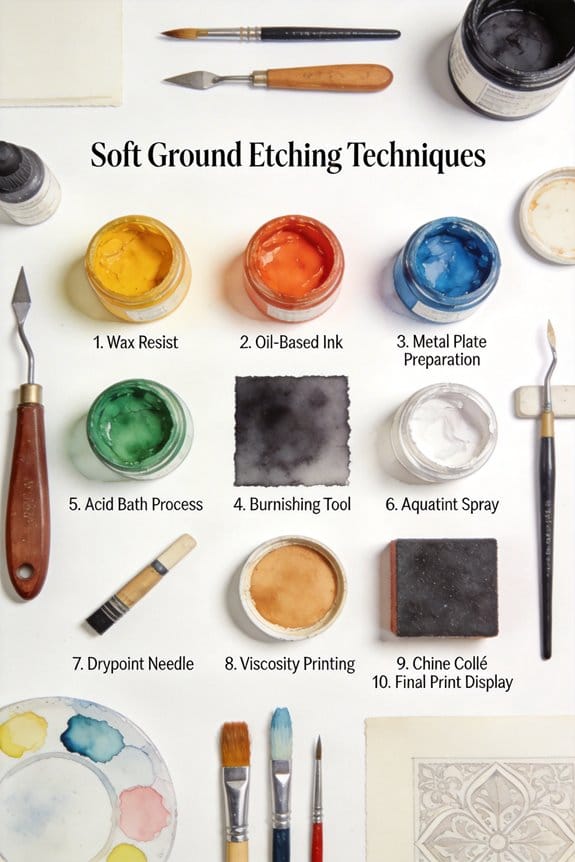
10 Best Soft Ground Etching Techniques for Stunning Artwork

To create stunning soft ground etching artwork, you’ll need specific techniques and tools. Start by using a pliable, non-drying ground to capture delicate details. Warm your plates to enhance adherence. Techniques like aquatint, engraving, and drypoint help refine your prints. Experiment with leather dabbers and brayers for unique textures. Remember, a clear platemark indicates quality. Selecting the right paper type also influences your work’s longevity. If you’re enthusiastic for more insights and tips, keep exploring!
Key Takeaways
- Experiment with pliable, non-drying grounds for capturing delicate details and textures in soft ground etching.
- Apply ground on warm plates to enhance adherence and achieve a smooth application.
- Utilize tools like leather dabbers and brayers for optimized texture and line precision.
- Incorporate additives like Lefranc Bourgeois Charbonnel Etching Additive for improved adherence and finish quality.
- Explore techniques such as aquatint and drypoint to enhance artistic depth and detail in your etchings.
| Thomas Gainsborough soft-ground etching 1819 |  | Timeless Classic | Medium: Soft-ground etching | Publication: 1819 Boydell edition | Publisher: N/A (Art publisher) | VIEW LATEST PRICE | Read Our Analysis |
| Practical Guide to Etching and Other Intaglio Printmaking Techniques | 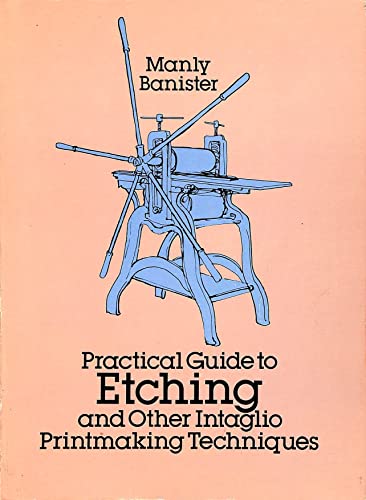 | Comprehensive Guide | Medium: Etching and other intaglio techniques | Publication: October 1, 1986 | Publisher: Dover Publications | VIEW LATEST PRICE | Read Our Analysis |
| Jack Levine Signed Soft Ground Etching | 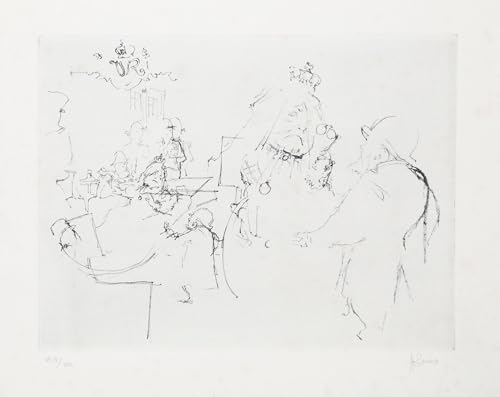 | Artist’s Signature | Medium: Soft ground etching | Publication: Not specified | Publisher: N/A (Artist’s work) | VIEW LATEST PRICE | Read Our Analysis |
| The Art of Etching (Dover Art Instruction) |  | Expert Techniques | Medium: Etching | Publication: January 25, 2012 | Publisher: Dover Publications | VIEW LATEST PRICE | Read Our Analysis |
| Etching: An Artist’s Guide |  | Inspirational Resource | Medium: Etching | Publication: August 26, 2019 | Publisher: Crowood | VIEW LATEST PRICE | Read Our Analysis |
| Art of Engraving and Various Operation Modes |  | Historical Significance | Medium: Various engraving techniques | Publication: Not specified | Publisher: Ackermann & Co. | VIEW LATEST PRICE | Read Our Analysis |
| Thomas Gainsborough soft-ground etching 1819 |  | Artistic Excellence | Medium: Soft-ground etching | Publication: 1819 Boydell edition | Publisher: N/A (Art publisher) | VIEW LATEST PRICE | Read Our Analysis |
| Lefranc Bourgeois Charbonnel Etching Additive 75ml | 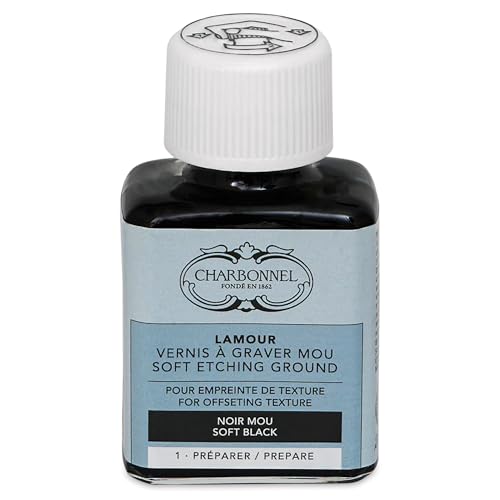 | Professional Choice | Medium: Professional etching additive | Publication: Not specified | Publisher: Lefranc Bourgeois | VIEW LATEST PRICE | Read Our Analysis |
| Thomas Gainsborough soft-ground etching 1819 | 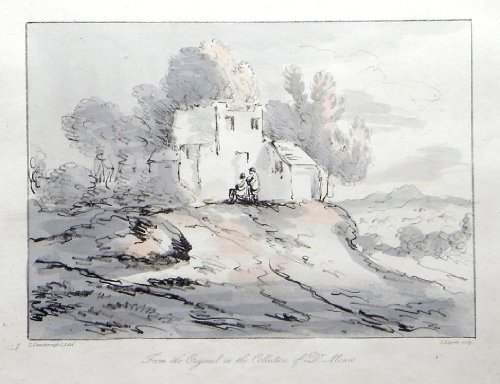 | Unique Style | Medium: Soft-ground etching | Publication: 1819 Boydell edition | Publisher: N/A (Art publisher) | VIEW LATEST PRICE | Read Our Analysis |
| Lefranc Bourgeois Charbonnel Etching Additive | 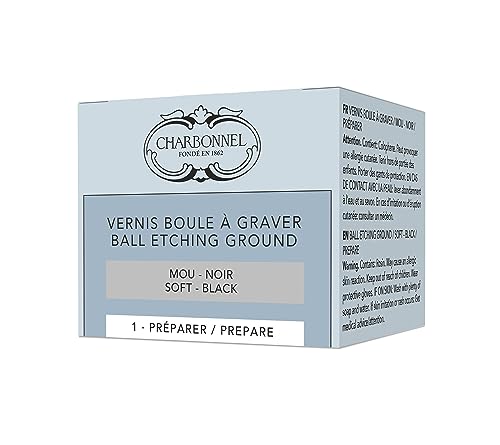 | Solid Foundation | Medium: Soft black opaque etching ground | Publication: Not specified | Publisher: Charbonnel | VIEW LATEST PRICE | Read Our Analysis |
You may be interested


More Details on Our Top Picks
Thomas Gainsborough soft-ground etching 1819
When you explore Thomas Gainsborough’s soft-ground etching from 1819, you’ll find a remarkable example of this technique that’s perfect for art enthusiasts and aspiring printmakers. This piece measures 7 1/2 x 10 1/2 inches, printed on wove paper for quality texture. Gainsborough’s technique captures subtle details effectively. The artwork, published in the 1819 Boydell edition in London, showcases excellent condition despite minor soiling. The full sheet dimensions are 11 x 16 1/2 inches. As you analyze this etching, consider how soft-ground etching allows for delicate line work and rich tonal variations, enhancing your artistic approach.
- Medium:Soft-ground etching
- Publication:1819 Boydell edition
- Publisher:N/A (Art publisher)
- Dimensions:7 1/2 x 10 1/2 inches
- Condition:Excellent for age
- Type:Print
- Additional Feature:Excellent condition for age
- Additional Feature:Published in London, 1819
- Additional Feature:Etched by W. F. Wells
Practical Guide to Etching and Other Intaglio Printmaking Techniques
Soft ground etching techniques stand out as an excellent choice for artists looking to experiment with texture and subtle detail in their prints. This practical guide explores etching and other intaglio methods, presenting you with 128 pages of illustrated instructions. You’ll learn essential techniques like engraving, aquatint, drypoint, and mezzotint, ensuring a broad foundation in printmaking. From preparing your plate to mounting the final print, the book offers step-by-step guidance supported by 1,209 illustrations. With dimensions of 8.5 x 11.25 inches, it’s easy to navigate. Grab your tools, and let these techniques help you create stunning art!
- Medium:Etching and other intaglio techniques
- Publication:October 1, 1986
- Publisher:Dover Publications
- Dimensions:8.5 x 0.5 x 11.25 inches
- Condition:N/A
- Type:Guidebook
- Additional Feature:1,209 illustrations included
- Additional Feature:Comprehensive multi-technique guide
- Additional Feature:Targeted to all skill levels
Jack Levine Signed Soft Ground Etching
Looking for an eye-catching piece to elevate your art collection? Consider Jack Levine’s soft ground etching titled “XX from Dreigroschenfilm.” This artwork stands out due to its unique technique and undeniable appeal. Each print is signed and numbered in pencil, showcasing authenticity. When considering your options, remember to check the ASIN B00XLYRNI4 for easy product identification. If you’re concerned about price, keep an eye out for feedback options, ensuring you report any lower prices to get the best deal. For warranty details, refer to the manufacturer’s guidelines. This piece could be a superb addition to your collection!
- Medium:Soft ground etching
- Publication:Not specified
- Publisher:N/A (Artist’s work)
- Dimensions:Not specified
- Condition:N/A
- Type:Print
- Additional Feature:Signed and numbered edition
- Additional Feature:Unique artwork from Levine
- Additional Feature:Limited availability in prints
The Art of Etching (Dover Art Instruction)
Finding the right resource for mastering the art of etching can feel challenging, especially for beginners. “The Art of Etching” by Lumsden stands out due to its extensive approach, which caters to both newcomers and seasoned artists. With 384 pages, this all-encompassing guide covers everything from grinding plates to printing methods. It includes detailed explanations and 55 figures illustrating essential tools. You’ll find practical advice for preparing etchings at home economically. The book also showcases 105 annotated plates, highlighting techniques of famous artists like Rembrandt and Goya, which will inspire and inform your artistic journey.
- Medium:Etching
- Publication:January 25, 2012
- Publisher:Dover Publications
- Dimensions:5.43 x 0.73 x 8.01 inches
- Condition:N/A
- Type:Instructional book
- Additional Feature:Expert author, Lumsden
- Additional Feature:Rich historical survey included
- Additional Feature:Suitable for all experience levels
Etching: An Artist’s Guide
Etching, particularly soft ground etching, serves as a versatile technique ideal for both beginners and intermediate artists. This guide provides clear instructions on mark-making on metal plates. You’ll learn methods like photo-etching, aquatint, and drypoint. Each technique allows for unique textures and details in your prints. Start by preparing your plate, then apply a soft ground to create imprints. Experimenting is key; mixing techniques can yield stunning results. Engaging visuals throughout the book support your learning, making complex ideas easier to grasp. With practice, you’ll enhance your skills and produce enthralling artwork that truly reflects your style.
- Medium:Etching
- Publication:August 26, 2019
- Publisher:Crowood
- Dimensions:Not specified
- Condition:N/A
- Type:Guidebook
- Additional Feature:Features descriptive technique photos
- Additional Feature:Engages with artist interviews
- Additional Feature:Emphasizes experimentation and creativity
Art of Engraving and Various Operation Modes
When exploring the art of engraving, it is essential to recognize soft-ground etching as a fantastic choice for beginners and experienced artists alike. Engraving involves multiple operation modes. These include etching, aquatint, and line engraving. Each technique offers unique textures and effects. For instance, soft-ground etching allows for delicate impressions, making it ideal for capturing fine details. You’ll often work with plates measuring 8 by 10 inches. Using various tools, you can produce art that has both depth and clarity. Remember, this historically significant craft enriches our cultural heritage, and practicing these methods can enhance your artistic skills tremendously.
- Medium:Various engraving techniques
- Publication:Not specified
- Publisher:Ackermann & Co.
- Dimensions:Not specified
- Condition:N/A
- Type:Educational artifact
- Additional Feature:Covers diverse engraving methods
- Additional Feature:Public domain publication
- Additional Feature:Historical artifact preservation focus
Thomas Gainsborough soft-ground etching 1819
One standout aspect of Thomas Gainsborough’s soft-ground etching from 1819 is its intricate use of ink wash, which adds depth and texture to the artwork. The piece measures 7 1/2 x 10 1/2 inches, displayed on wove paper. Created by W. F. Wells after Gainsborough, this delicate print is ideal for collectors. The full sheet size is 11 x 16 1/2 inches, showcasing a prominent platemark around the image. This technique allows for subtle gradations in tone, enhancing the visual impact. Overall, it’s an excellent representation of Gainsborough’s talent, so consider incorporating similar techniques in your own etching practice.
- Medium:Soft-ground etching
- Publication:1819 Boydell edition
- Publisher:N/A (Art publisher)
- Dimensions:7 1/2 x 10 1/2 inches
- Condition:Excellent for age
- Type:Print
- Additional Feature:Beautiful delicate print quality
- Additional Feature:Includes platemark detail
- Additional Feature:Published in Boydell edition
Lefranc Bourgeois Charbonnel Etching Additive 75ml
For artists seeking precision in soft ground etching, the Lefranc Bourgeois Charbonnel Etching Additive is a reliable choice. This opaque liquid engraving ground comes in a 75ml bottle, weighing 6.1 ounces. You’ll notice its durable satin finish, which won’t chip off easily. To use it effectively, apply it on degreased cold plates with a supple brush or pour it directly. It’s faster drying than Ultraflex Engraver Varnish, making it an efficient option. Plus, it’s solvent-free, vegan, and blends seamlessly, allowing for intricate details. With a history dating back to 1862, this additive truly stands the test of time.
- Medium:Professional etching additive
- Publication:Not specified
- Publisher:Lefranc Bourgeois
- Dimensions:2.1 x 1.4 x 3.8 inches
- Condition:N/A
- Type:Additive
- Additional Feature:Made with high-quality materials
- Additional Feature:Dries faster than traditional grounds
- Additional Feature:Used by famous artists
Thomas Gainsborough soft-ground etching 1819
Thomas Gainsborough’s soft-ground etching from 1819 is an outstanding choice for both art enthusiasts and aspiring printmakers. This artwork, created by J. Laporte after Gainsborough, features a soft-ground technique combined with an ink wash. Measuring 7 3/8 x 10 3/8 inches, it’s preserved in excellent condition, showing only minor age-toning. The piece offers a unique opportunity to study the delicate lines and textures that soft-ground etching can produce. Printed on wove paper, it even includes a platemark around the etched image. Keep this etching in mind as you explore and experiment with soft-ground techniques in your own work.
- Medium:Soft-ground etching
- Publication:1819 Boydell edition
- Publisher:N/A (Art publisher)
- Dimensions:7 3/8 x 10 3/8 inches
- Condition:Excellent for age
- Type:Print
- Additional Feature:Includes detailed pricing feedback section
- Additional Feature:Different image dimensions
- Additional Feature:Collectible art piece
Lefranc Bourgeois Charbonnel Etching Additive
Lefranc Bourgeois Charbonnel Etching Additive offers an excellent solution for artists looking to achieve soft lines and rich textures in their etching work. This soft black ground comes in a solid form, making it user-friendly. When applying it, warm your plate and use a leather dabber or brayer for the best results. You can enhance your designs by placing a light sheet of paper on the prepared plate and drawing with a hard pencil. This technique transfers your pressed lines onto the plate effectively. Remember, Charbonnel’s legacy in quality and artistry can truly elevate your etching projects.
- Medium:Soft black opaque etching ground
- Publication:Not specified
- Publisher:Charbonnel
- Dimensions:Not specified
- Condition:N/A
- Type:Additive
- Additional Feature:Non-drying solid form
- Additional Feature:Ideal for soft lines
- Additional Feature:Long artistic legacy since 1862
Factors to Consider When Choosing Soft Ground Etching
When choosing soft ground etching, think about several key factors. You’ll want to assess the artwork’s condition, considering how age and wear might affect your process. Print size, paper quality, and the artist’s reputation also play essential roles in creating a successful piece.
Artwork Condition Assessment
Evaluating the condition of soft ground etchings involves several important factors. First, look for age-toning. This yellowing can reveal how well the print has been preserved. Check for minor soiling, like surface dirt or stains, which may affect the artwork’s visual quality. Inspect the piece for physical damage: tears, creases, or fading can hurt its overall value. The type of paper also matters; for example, wove papers age differently than other types, which may influence the etching’s longevity. Finally, a clear platemark—the indentation from the printing plate—can indicate a quality etching and adds to its authenticity. By evaluating these elements, you’ll better understand the artwork’s condition and value.
Print Size Consideration
Choosing the right print size for your soft ground etching can greatly shape its impact and detail. Smaller prints, like those measuring 7 x 10 inches, emphasize fine details but might become hard to see from a distance. If you want your artwork to stand out, larger prints can effectively showcase broad strokes and striking textures, making your piece more visually appealing from afar. Additionally, the size of the etching plate you use influences how easily you can manipulate it and the types of designs you can create. Consider where you’ll display the artwork and how viewers will interact with it. A well-chosen print size will enhance both visibility and detail, maximizing the success of your soft ground etching.
Medium and Technique Choice
Selecting the right medium and technique for soft ground etching is essential for achieving the desired artistic effect. You’ll want to use a pliable, non-drying ground. It’s perfect for capturing fine details and textures that give your artwork depth. Remember, soft grounds are more flexible than traditional hard grounds. This allows you to experiment with different drawing tools, like pencils or textured materials, for unique effects. Applying the ground on warm plates helps it stick better, creating a smooth surface for your designs. Also, the specific formulation of the ground can impact line definition and tonal values, so choose wisely. Don’t hesitate to experiment with pressure and tools during drawings; it can yield diverse results and inspire creativity!
Paper Quality Selection
When considering paper quality for soft ground etching, five key factors come into play. First, the type of paper affects ink absorption and detail. Wove paper is often recommended because its smooth texture preserves delicate lines and subtle tones. Next, you should choose acid-free paper; it prevents degradation and yellowing, ensuring your prints last. The weight of the paper is also vital, ideally around 300 gsm or higher, to withstand pressure during the etching process without warping. Finally, consider the surface finish, as it influences how the etching ground adheres and the final texture of your image. Balancing these elements will enhance your soft ground etching experience and the overall quality of your artwork.
Artist’s Reputation Importance
Artistry holds a significant sway over the value of soft ground etching. An artist’s reputation can greatly affect how collectors view their work. Recognized artists often have higher prices due to their historical significance and style. For instance, their unique techniques can elevate the desirability of their etchings. A well-known signature on your piece not only validates it but also boosts its appeal among buyers, making it a better investment. Additionally, an artist’s background—such as training and exhibitions—adds context and appreciation for their work. Most importantly, consider how an artist’s influence on contemporary movements can enhance your etching’s value. So, keeping an eye on reputation can truly pay off in the long run.
Edition and Authenticity Verification
A strong grasp of edition and authenticity verification can markedly enhance your experience with soft ground etchings. When picking a piece, check if it’s a limited edition, as these often attract more collectors than open editions. Look for a signature, date, and numbering, which can confirm its authenticity. Documentation from reputable galleries can serve as evidence of an artwork’s legitimacy, so don’t skip that step. Additionally, read any provided condition reports carefully; they reveal factors like age-toning that may affect the etching’s value. Finally, research the artist’s methods. If the techniques used in the etching match their known practices, it bolsters the authenticity claims and reassures you about your investment in the artwork.
Price vs. Value Analysis
Understanding the price versus value of soft ground etching is essential for making informed decisions. First, consider the quality of core materials like paper and ink. Higher-quality supplies lead to better prints. Next, analyze the quantity and weight of etching additives. Larger amounts can be more cost-effective, even if they require a higher upfront investment. The expertise of the manufacturer also plays a role; established brands often offer consistent, reliable products. Don’t forget additional features like low acidity and high lightfastness in pigments, which guarantee your artwork lasts longer. Finally, evaluate the learning curve of different products. Investing in user-friendly materials can reduce frustration and improve your skills, ultimately providing better value for your artistic journey.
Frequently Asked Questions
What Materials Are Best for Developing Soft Ground Etching Plates?
To develop soft ground etching plates, you’ll need specific materials. Start with a copper or zinc plate, ideally 1/16 inch thick, for durability. Then, use a soft ground mixture—typically a combination of beeswax and asphaltum—for transferring textures. A brayer helps evenly apply the ground to the plate surface. Get some etching tools, like a stylus, to create your designs. Remember, quality materials lead to better results, so choose wisely!
How Long Does the Etching Process Typically Take?
The etching process typically takes about one to two hours, depending on your design’s complexity. First, you’ll apply the soft ground and let it dry for around 30 minutes. Then, using tools, you’ll etch your design into the plate. After that, it’s essential to immerse your plate in a bath of acid. The acid works for 15 to 30 minutes, creating an impression in the metal that defines your artwork.
Can Beginners Achieve Professional Results With Soft Ground Etching?
Yes, you can achieve professional results with soft ground etching as a beginner. Start with high-quality soft ground, around 1/16-inch thick. Use a smooth plate and tools like brushes or textures to create designs. Take your time. Practice makes perfect, so do multiple test prints. Focus on ink consistency; it should be smooth, not too thick or thin. With patience and practice, you’ll see improvement and develop your unique style.
What Are Common Mistakes to Avoid in Soft Ground Etching?
Common mistakes to avoid in soft ground etching include applying too much pressure while rolling. This can smudge your design. Instead, use light pressure to transfer the ground evenly. Also, make certain your plate is clean and free from dust, as this affects adhesion. When choosing materials, stick with natural fibers for your textures; synthetic ones might not transfer well. Finally, don’t rush the drying process; give it adequate time to set before etching.
How Do I Properly Clean My Soft Ground Etching Tools?
To clean your soft ground etching tools, start with warm water and mild soap. Soak the tools for about five minutes, loosening any residue. Next, use a soft brush to scrub gently, targeting areas with stubborn spots. Rinse thoroughly and dry with a lint-free cloth. Did you know that keeping tools clean can extend their lifespan by up to 50%? This simple habit helps maintain the quality of your etching projects.