As an Amazon Associate, we earn from qualifying purchases. Some links on this site are affiliate links at no extra cost to you. Our recommendations are based on thorough research and editorial judgment.

10 Best Color Mixing Guides Every Artist Should Have on Hand

If you’re looking to boost your color mixing skills, a variety of guides can help. Start with an Artists Color Wheel Chart (23×23 cm) for fundamental hues. The compact Color Matching Guide offers 36 colors plus 144 tints. For portability, try a Pocket Color Wheel, measuring 230mm. The Creative Color Wheel shows 60 Munsell-based colors. Don’t forget the Color Theory 101 Pocket Guide for essential concepts. Keep exploring to discover which guides suit your artistic journey best.
Key Takeaways
- Consider the Artists Color Wheel Chart for a comprehensive view of various hues, made with durable materials for long-lasting use.
- Opt for the Color Matching Guides for a compact solution, featuring a wide array of tints and shades within a portable size.
- Explore the JimKing Creative Color Wheel for an UV-coated option, ensuring protection against fading and moisture while offering rich color insights.
- Lightweight and pocket-sized resources like the Color Theory 101 Pocket Guide maximize transportability while providing essential color theory education.
- Look for interactive guides, such as double-sided options, to enhance engagement and facilitate a deeper understanding of color relationships.
| Artists Color Wheel Chart for Art and Makeup | 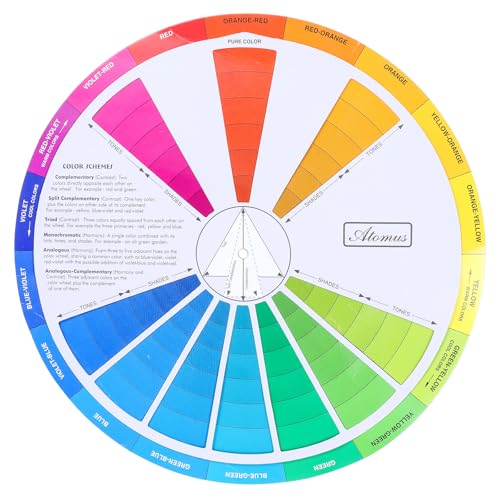 | Essential Tool for Artists | Type: Color Wheel Chart | Dimensions: 23×23 cm (9.05×9.05 in) | Material: Durable paper | VIEW LATEST PRICE | Read Our Analysis |
| Color Matching Guide 36 Colors | 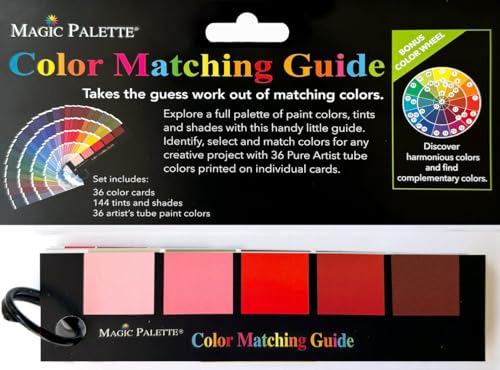 | Comprehensive Color Guide | Type: Color Matching Guide | Dimensions: 6 x 3 x 0.1 in | Material: Cardboard/gels | VIEW LATEST PRICE | Read Our Analysis |
| Pantone Formula Guide for Color Matching |  | Ultimate Color Reference | Type: Formula Guide | Dimensions: 10.4 x 4 x 2.8 in | Material: Paper stocks | VIEW LATEST PRICE | Read Our Analysis |
| JimKing Creative Color Wheel for Art and Makeup |  | Rotating Learning Wheel | Type: Creative Color Wheel | Dimensions: 9.9 x 9.9 in | Material: Paper (UV coated) | VIEW LATEST PRICE | Read Our Analysis |
| Pocket Color Wheel for Art and Makeup Mixing | 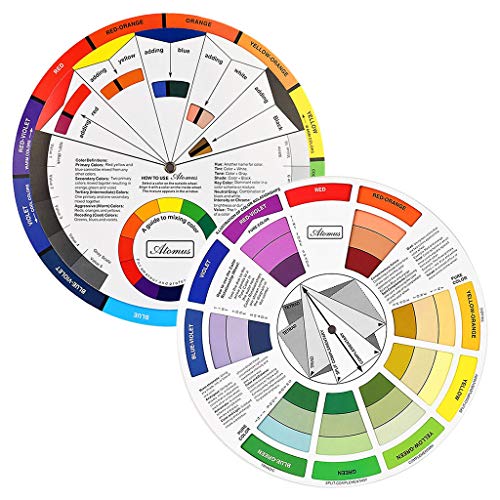 | Portable Mixing Guide | Type: Pocket Color Wheel | Dimensions: 230 mm diameter (approx. 9.06 in) | Material: Paper (UV coated) | VIEW LATEST PRICE | Read Our Analysis |
| 18 Pcs Color Paddles – Engaging Color Mixing Toy for Kids | 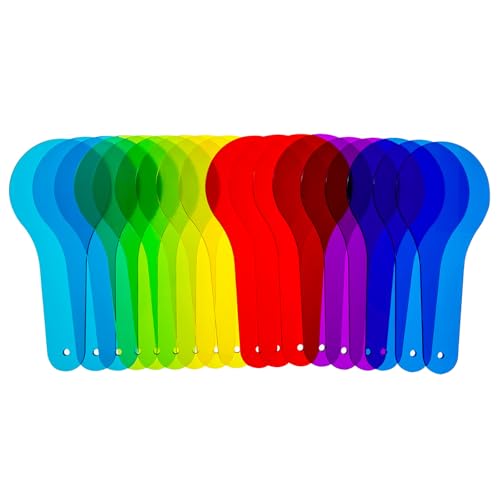 | Fun Learning Resource | Type: Color Paddles | Dimensions: N/A (18 pcs) | Material: Thick plastic | VIEW LATEST PRICE | Read Our Analysis |
| Creative Mark Double-Sided Color Wheel Mixing Guide | 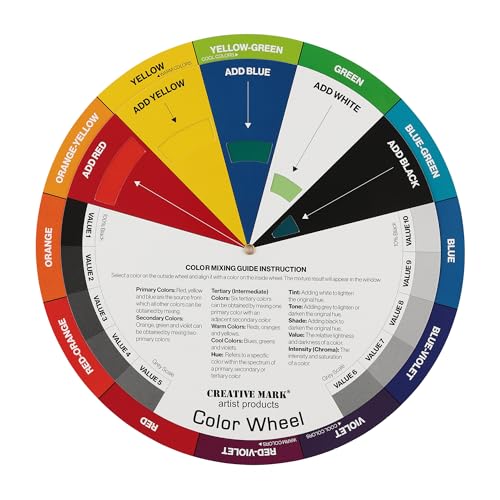 | In-Depth Color Theory | Type: Double-Sided Color Wheel | Dimensions: 9.25 in diameter | Material: Cardboard | VIEW LATEST PRICE | Read Our Analysis |
| Color Theory 101: Pocket Guide for Artists | 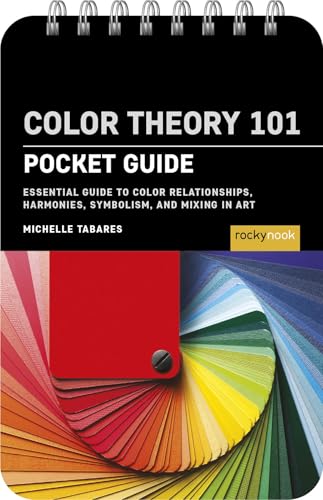 | Quick Reference Guide | Type: Pocket Guide | Dimensions: 3.5 x 2 x 5.12 in | Material: Paper | VIEW LATEST PRICE | Read Our Analysis |
| Outus Color Wheel Paint Mixing Guide (2 Pcs) |  | Versatile Teaching Aid | Type: Color Mixing Guide | Dimensions: 5.5 in diameter | Material: Cardboard | VIEW LATEST PRICE | Read Our Analysis |
| 4 Pcs Color Wheel Paint Mixing Guide Chart |  | Dual-Sized Learning Tools | Type: Color Wheel Chart | Dimensions: 5.5 in and 9 in diameters | Material: Cardboard | VIEW LATEST PRICE | Read Our Analysis |
You may be interested


More Details on Our Top Picks
Artists Color Wheel Chart for Art and Makeup
The Artists Color Wheel Chart is an essential tool for anyone looking to enhance their art and makeup skills. Measuring 23×23 cm, it fits comfortably on your workspace. This chart shows a wide range of hues, making it easier to study color theory and create attractive palettes. You’ll learn how colors relate to each other, helping you mix and blend more effectively. It’s made from high-quality, durable paper, ensuring that it lasts through multiple projects. Each chart is a peel-and-stick format, allowing for easy placement as you work on your vibrant paintings or perfect makeup applications.
- Type:Color Wheel Chart
- Dimensions:23×23 cm (9.05×9.05 in)
- Material:Durable paper
- Weight:21.1 g (0.744 oz)
- Audience:Artists, makeup artists
- Use:Color mixing and matching
- Additional Feature:Peel & Stick design
- Additional Feature:High-quality durable paper
- Additional Feature:Smooth surface for blending
Color Matching Guide 36 Colors
For artists who need a dependable tool for color matching, the Color Matching Guide with 36 colors is an excellent choice. This compact guide, measuring just 6 x 2 inches, features essential tube paints and contains 36 Color Cards, showcasing 144 tints and shades. It utilizes the Original Magic Palette color system, offering a modern twist on the color wheel. You’ll also find a bonus Color Wheel to help create harmonious color schemes. Designed for indoor use, this gel paint guide weighs only 2.71 ounces, making it easy to carry. It’s a practical solution for selecting colors across various creative projects.
- Type:Color Matching Guide
- Dimensions:6 x 3 x 0.1 in
- Material:Cardboard/gels
- Weight:2.71 oz
- Audience:Artists, designers
- Use:Color identification and selection
- Additional Feature:Original Magic Palette system
- Additional Feature:Bonus color wheel included
- Additional Feature:Indoor usage only
Pantone Formula Guide for Color Matching
Looking for a reliable tool to perfect your color matching? The Pantone Formula Guide is your ultimate ally for graphics and print projects. It offers both coated and uncoated color formats, ensuring consistent reproduction in branding and marketing. Each portable fan deck measures 10.4 x 4 x 2.8 inches and weighs just 2.64 pounds, making it easy to take anywhere. The guide features a lighting indicator page, helping you assess colors under the right conditions. With a solid 4.7-star rating from users, it’s clear this guide comes to the rescue for all your creative needs. Get inspired and design with confidence!
- Type:Formula Guide
- Dimensions:10.4 x 4 x 2.8 in
- Material:Paper stocks
- Weight:2.64 lb
- Audience:Graphic designers
- Use:Color reproduction consistency
- Additional Feature:Coated and uncoated formats
- Additional Feature:Portable handheld fan decks
- Additional Feature:Lighting indicator page included
JimKing Creative Color Wheel for Art and Makeup
If you’re a budding artist or makeup enthusiast, the JimKing Creative Color Wheel is a must-have. Measuring 9.9 x 9.9 inches, this durable, UV-coated tool helps you explore color mixing easily. Its two-sided design illustrates color relationships, making it user-friendly for beginners. You’ll find that it organizes colors to simplify your choices when painting or applying makeup. Additionally, definitions for color terms enhance your understanding of interactions and variations. Whether you’re a painter, crafter, or interior designer, this wheel will guide you effectively. It’s lightweight, too, weighing just 0.09 kilograms, ideal for transport.
- Type:Creative Color Wheel
- Dimensions:9.9 x 9.9 in
- Material:Paper (UV coated)
- Weight:0.09 kg (3.17 oz)
- Audience:Artists of all levels
- Use:Color selection and mixing
- Additional Feature:Two-sided rotating wheel
- Additional Feature:UV coated for protection
- Additional Feature:Defines color-related terms
Pocket Color Wheel for Art and Makeup Mixing
The Pocket Color Wheel is the perfect tool for artists and makeup enthusiasts seeking to master color mixing. This two-sided rotating wheel, with a 230mm diameter, easily fits in your bag. It helps you visualize color relationships, making it a go-to resource. The UV coating minimizes fading, while a sturdy paper cover ensures durability. With a weight of just 0.81 ounces, it’s lightweight and portable. Whether you’re a painter or makeup artist, this guide will help organize colors and enhance your understanding of how different shades interact. Use it to choose colors confidently, whether for a canvas or a makeup palette.
- Type:Pocket Color Wheel
- Dimensions:230 mm diameter (approx. 9.06 in)
- Material:Paper (UV coated)
- Weight:0.81 oz
- Audience:Various artists
- Use:Color identification and blending
- Additional Feature:Convenient portable design
- Additional Feature:Ideal for beginners’ use
- Additional Feature:UV coated surface
18 Pcs Color Paddles – Engaging Color Mixing Toy for Kids
Crafted specifically for young learners, the 18 Pcs Color Paddles make color mixing both informative and fun. These durable paddles help children understand secondary and tertiary colors, such as red, yellow, and green. They’re designed for small hands, promoting easy manipulation and exploration. You can use them effectively in sunlit areas or on light tables, where colors pop vividly. Each paddle features a thick plastic construction that withstands frequent use. Plus, they include handy hanging ropes for easy storage and maintenance. Gather your kids, and let them dive into creativity while understanding color theory through hands-on experience.
- Type:Color Paddles
- Dimensions:N/A (18 pcs)
- Material:Thick plastic
- Weight:N/A (18 pcs)
- Audience:Children, preschool learners
- Use:Color theory education
- Additional Feature:Thick plastic construction
- Additional Feature:Promotes preschool learning
- Additional Feature:Convenient hanging ropes included
Creative Mark Double-Sided Color Wheel Mixing Guide
Designed with artists in mind, the Creative Mark Double-Sided Color Wheel Mixing Guide is a top choice for anyone looking to master color mixing. Measuring 9.25 inches in diameter, this guide displays 60 colors based on the Munsell color system. It helps you understand how colors relate by showcasing tints, tones, and shades. The grayscale around the rim reinforces color theory, making it easy to visualize combinations. This wheel isn’t just for painters; it’s also perfect for students in beauty or interior design classes. With a pocket version included, you can explore color mixing wherever inspiration strikes.
- Type:Double-Sided Color Wheel
- Dimensions:9.25 in diameter
- Material:Cardboard
- Weight:1.44 oz
- Audience:Artists, students
- Use:Color mixing and theory
- Additional Feature:60 colors based on Munsell
- Additional Feature:Inclusive grayscale around rim
- Additional Feature:Pocket color wheel included
Color Theory 101: Pocket Guide for Artists
For artists just starting out or those needing a quick refresher, “Color Theory 101: Pocket Guide” serves as an invaluable resource. This 40-page guide, published by Rocky Nook, is compact and easy to carry, measuring just 3.5 x 2 x 5.12 inches. Inside, you’ll find essential rules of color relationships and key methods for mixing colors with a color wheel. The guide also explores the psychology and symbolism of colors. Through practical examples, it helps you create an effective color palette. Written by art instructor Michelle Tabares, this pocket guide is designed to enhance your color skills wherever you go.
- Type:Pocket Guide
- Dimensions:3.5 x 2 x 5.12 in
- Material:Paper
- Weight:3.53 oz
- Audience:Beginner artists
- Use:Color relationships and palettes
- Additional Feature:Simplifies color theory application
- Additional Feature:Portable reference guide
- Additional Feature:Author is an art instructor
Outus Color Wheel Paint Mixing Guide (2 Pcs)
The Outus Color Wheel Paint Mixing Guide, featuring two identical wheels, is perfect for artists, students, and anyone keen on learning color theory. Each 5.5-inch wheel showcases unique designs, making the learning process engaging. The front displays basic color mixing principles with windows for mixed colors. On the back, you’ll find color relationships, including grayscale and tints. Constructed from durable cardboard, these wheels are user-friendly and portable, weighing just 0.705 ounces. They’re suitable for various creative fields like painting, quilting, or interior design. With non-toxic materials and compatibility with water-based paints, they’re safe and effective for learning—your new go-to tool!
- Type:Color Mixing Guide
- Dimensions:5.5 in diameter
- Material:Cardboard
- Weight:0.705 oz
- Audience:Artists, teachers
- Use:Painting, crafting
- Additional Feature:Unique front/back designs
- Additional Feature:Three-layer construction
- Additional Feature:Non-toxic materials used
4 Pcs Color Wheel Paint Mixing Guide Chart
Artists looking to sharpen their color-mixing skills will find the Pcs Color Wheel Paint Mixing Guide Chart particularly useful. This set includes four color wheels in two sizes: 5.5 inches and 9 inches in diameter. The front side showcases a color mixing chart that visually explains the principles behind color combinations. You can spin the wheel to explore different color mixtures, making the learning process interactive and enjoyable.
On the reverse side, you’ll find grayscale and definitions of color terms. Constructed from durable cardboard, these wheels are easy to carry and are perfect for a range of applications, including painting and interior design.
- Type:Color Wheel Chart
- Dimensions:5.5 in and 9 in diameters
- Material:Cardboard
- Weight:N/A (4 pcs)
- Audience:Artists, learners
- Use:Color relationships and mixing
- Additional Feature:Two size variations included
- Additional Feature:Color mixing chart featured
- Additional Feature:Versatile for multiple applications
Factors to Consider When Choosing a Color Mixing Guide
When picking a color mixing guide, consider several important factors. First, your understanding of color theory will influence what kind of guide suits you best; simpler guides are great for beginners, while deeper ones benefit advanced artists. Additionally, think about portability, size, and durability; a compact, sturdy guide can easily come to the rescue during outdoor painting sessions.
Color Theory Understanding
Color theory plays a vital role in selecting the right color mixing guide for your artwork. Understanding how colors interact helps you create harmony. The color wheel, a key tool, shows primary, secondary, and tertiary colors and their relationships. Familiarize yourself with terms like hue, saturation, and brightness to describe colors accurately. These aspects can affect the emotions your artwork conveys. Also, explore color relationships like complementary, where colors sit opposite each other on the wheel. They enhance visual contrast. Tints, tones, and shades—created by mixing colors with white, gray, or black—add depth and variation. By knowing these concepts, you’ll choose a color mixing guide that suits your artistic needs and enhances your creative expression.
Portability and Size
Choosing the right color mixing guide involves considering its portability and size. Pocket-sized options are a great choice, measuring about 3.5 x 2 x 5.12 inches. These guides are easy to carry, making them perfect for artists on the go. However, larger guides, like those with a 9-inch diameter, provide a broader view of color relationships but may be bulkier. Lightweight designs, weighing as little as 0.705 ounces, are easy to handle. Compact options, such as a 5.5-inch wheel, fit comfortably in most art supplies. You can also look for two-sided or rotating designs that offer more information while keeping a manageable size. These features enhance usability without sacrificing portability for your creative needs.
Durability of Material
Durability in the material of your color mixing guide is key to ensuring it lasts through multiple projects. High-quality paper or thick plastic can withstand frequent handling, offering reliability over time. When searching for guides, look for UV-coated options; this feature protects against fading and moisture damage. Materials like sturdy cardboard and robust plastic resist wear and tear, making your guide a more dependable tool. Additionally, choosing a surface that can be easily cleaned helps maintain both the function and appearance, especially after using paints. Remember, the durability of your color mixing guide directly influences its usability, ensuring it can handle the demands of both educational settings and professional creative applications.
User-Friendly Features
When you’re selecting a color mixing guide, it’s crucial to check for user-friendly features that enhance your experience. Look for guides with clear, visual representations like color wheels that show color relationships. Guides featuring windows for mixed colors or grayscale areas can help you easily understand tints and tones. Portability is key, too; opt for pocket-sized options that are convenient to carry in different settings. Interactive elements, such as spinning wheels or double-sided designs, can engage you and improve learning. Also, consider guides that include a variety of color terms and definitions, supporting a deeper understanding of color theory. Lastly, choose robust materials, preferably UV coated, ensuring your guide stands up to frequent artistic use.
Visual Organization Techniques
While you may already know the basics of color mixing, understanding how a guide organizes its content can significantly impact your learning. A well-structured guide uses visuals effectively, showing relationships among colors. It should include elements like tints, tones, and shades to clarify color theory. Look for grayscale and complementary color illustrations; they help you spot color harmonies and contrasts. If a guide offers a two-sided or multi-layer design, you’ll find mixing principles more accessible. Consider color wheels that rotate or have interactive features. They provide hands-on experiences, making learning engaging. Lastly, check for clear definitions of color terms and relationships to improve your communication as an artist. Clear organization makes complex concepts easier to grasp.
Target Audience Suitability
How do you choose the right color mixing guide for your needs? First, think about your skill level. Beginners may prefer guides with simple explanations and visuals, while experienced artists might look for in-depth techniques. Consider who will use the guide. If it’s for children, you’ll want engaging tools, like toys or charts, to make learning fun. If you’re a professional, find comprehensive guides that detail advanced mixing theories. Ensure the guide matches your artistic focus. For instance, a painting guide won’t always fit a graphic designer’s needs. Lastly, if you teach, select a guide that covers both theory and practical use, making it useful for art classes or workshops.
Included Educational Resources
Choosing the right educational resources in a color mixing guide can make a big difference in your artistic journey. Look for guides featuring visual aids like color wheels or cards, as these tools clearly show how colors interact. It’s essential that the guide defines color theory terms such as tints, tones, and complementary colors, helping you grasp fundamental concepts. Examples of color palettes can spark your creativity, while interactive elements, like rotating wheels showing various tints and shades, enhance engagement. Additionally, guides that explain the psychological effects of colors or their symbolism across different mediums can enrich your understanding. All these elements combined make your exploration of color mixing more informed and enjoyable, aiding you as you create.
Frequently Asked Questions
Can I Use These Guides for Digital Painting?
Yes, you can absolutely use color mixing guides for digital painting. Think of these guides as recipes; they help you mix the right colors for your artworks. For instance, if a guide suggests equal parts red and yellow create orange, you can replicate this using the color sliders in your software. Utilizing hex codes provided in guides can also refine your palette, ensuring consistent results. Embrace these tools and elevate your digital creations.
Do Color Mixing Guides Work for All Paint Types?
Color mixing guides are useful for many paint types, but they aren’t universal. Acrylics, oils, and watercolors behave differently. For instance, acrylics dry quickly and can darken as they dry, while oils take longer to cure. A guide can show you primary and secondary colors, plus mixing ratios, like 2 parts blue to 1 part yellow for green. They’ll help you understand color theory, making your artwork harmonious and visually appealing.
Are There Guides Specifically for Skin Tones?
Yes, there are guides specifically for skin tones. These guides offer mixes to create realistic shades. For example, a common mix for light skin might include titanium white, yellow ochre, and a touch of burnt sienna. Medium skin tones often use a combination of yellow ochre, cadmium red, and white. For darker skin, combine burnt umber, alizarin crimson, and a little yellow. Try these mixes to match different ethnicities and undertones effectively.
How Do I Maintain My Color Mixing Guides?
To maintain your color mixing guides, keep them clean and organized. Around 70% of artists agree that storing guides in a binder prevents wear. Use clear plastic sleeves for protection, and label their sections to find your information quickly. Regularly check for fading or discoloration, as light can alter colors over time. If needed, refresh your swatches every few months by mixing fresh paint, ensuring your guide stays reliable and accurate for future projects.
Can I Create My Own Color Mixing Guide?
Yes, you can create your own color mixing guide! Start with primary colors: red, blue, and yellow. Mix equal parts to find secondary colors like green, orange, and purple. Use a notebook to record your mixtures, noting the ratios you used, such as two parts blue and one part yellow to make green. This way, you’ll have a personal reference. Experiment with tints by adding white and shades by adding black. Happy mixing!