As an Amazon Associate, we earn from qualifying purchases. Some links on this site are affiliate links at no extra cost to you. Our recommendations are based on thorough research and editorial judgment.

7 Best Hard Ground Etching Tools for Every Artistic Need

For your hard ground etching needs, consider these seven top tools. Start with “Etching: An Artist’s Guide” for practical techniques. The Lefranc Bourgeois Charbonnel Etching Additive (75ml) provides a durable, opaque ground. For precision, use the UJ Ramelson Bevel Knife. Try the Ampersand Museum Series Claybord Painting Panel (16″x16″) for various media. Finally, consult “Practical Guide to Etching” to boost your skills. Each tool is essential for achieving clarity and quality in your art, and you’ll discover even more options just ahead.
Key Takeaways
- Charbonnel Etching Additive: Offers high-quality engraving ground with durable, opaque properties for excellent clarity in hard ground etching.
- UJ Ramelson Bevel Knife: Designed for precision etching and deburring, making it essential for detailed line work.
- Leather Dabber or Brayer: Ensures even application of grounds on warm plates, vital for achieving consistent results in etching applications.
- Ampersand Museum Series Claybord: A versatile painting panel supporting various media and ideal for creating sharper details in etchings.
- Low Acidity Grounds: Choosing non-acidic, high lightfastness materials preserves the integrity of both the artwork and the metal plates over time.
| Etching: An Artist’s Guide | 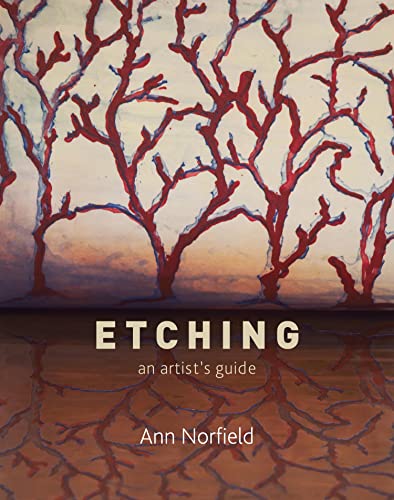 | Best Comprehensive Guide | Type: Book | Suitable For: Etching technique | Publisher/Brand: Crowood | VIEW LATEST PRICE | Read Our Analysis |
| Lefranc Bourgeois Charbonnel Etching Additive 75ml | 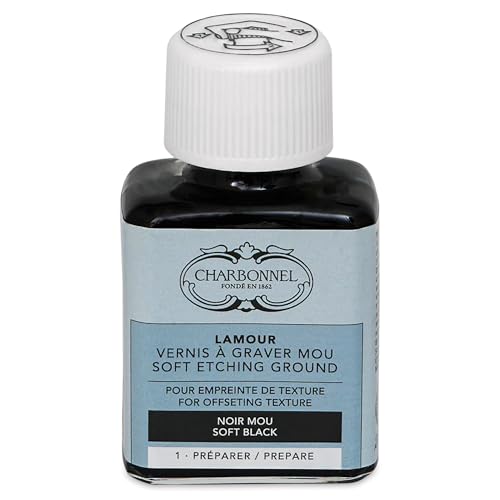 | Fast Drying Formula | Type: Liquid additive | Suitable For: Intaglio printmaking | Publisher/Brand: Lefranc Bourgeois | VIEW LATEST PRICE | Read Our Analysis |
| Lefranc Bourgeois Charbonnel Etching Additive | 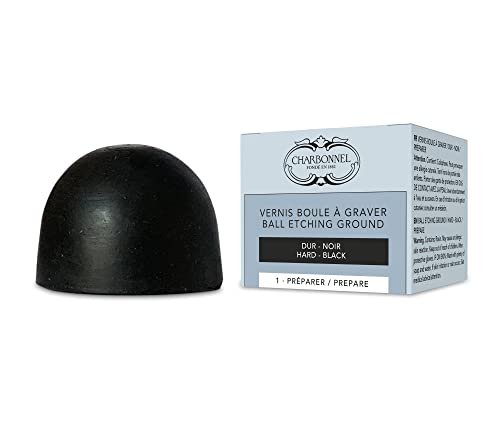 | Ideal for Fine Details | Type: Solid etching ground | Suitable For: Intaglio printmaking | Publisher/Brand: Lefranc Bourgeois | VIEW LATEST PRICE | Read Our Analysis |
| Ampersand Museum Series Claybord Painting Panel (16″x16″) | 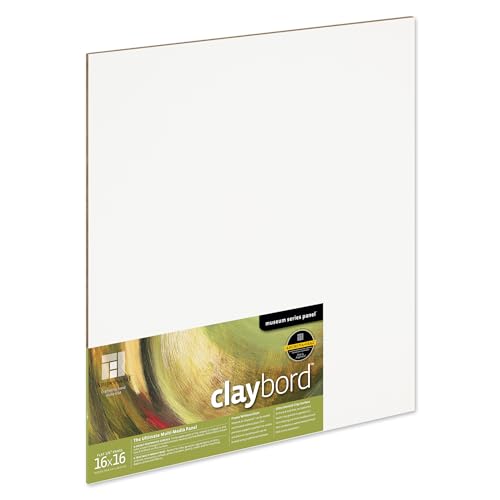 | Best Multi-Media Panel | Type: Painting panel | Suitable For: Various media | Publisher/Brand: Ampersand | VIEW LATEST PRICE | Read Our Analysis |
| Lefranc Bourgeois Charbonnel Etching Additive |  | Precision Etching Ground | Type: Solid etching ground | Suitable For: Intaglio printmaking | Publisher/Brand: Lefranc Bourgeois | VIEW LATEST PRICE | Read Our Analysis |
| UJ Ramelson Bevel Knife for Bowling Ball & Deburring | 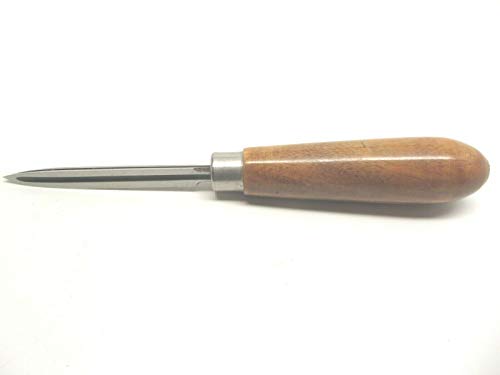 | Best for Deburring | Type: Bevel knife | Suitable For: Etching and deburring | Publisher/Brand: UJ Ramelson Co | VIEW LATEST PRICE | Read Our Analysis |
| Practical Guide to Etching and Other Intaglio Printmaking Techniques | 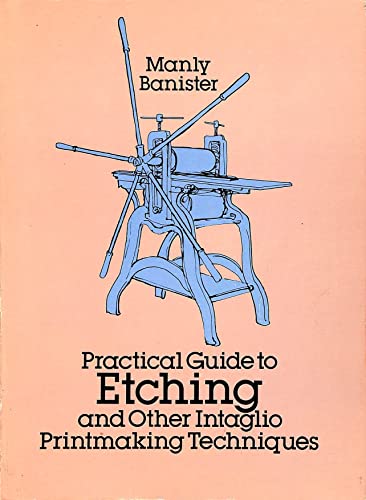 | Best Illustrated Resource | Type: Book | Suitable For: Etching techniques | Publisher/Brand: Dover Publications | VIEW LATEST PRICE | Read Our Analysis |
You may be interested


More Details on Our Top Picks
Etching: An Artist’s Guide
When it comes to etching, having the right tools can make all the difference. “Etching: An Artist’s Guide” by Crowood offers practical guidance, whether you’re just starting or already creating art. It runs 190 pages, providing clear instructions on mark-making on metal plates before inking. Techniques like photo-etching and aquatint allow for creativity in your prints. The book encourages combining different methods for unique results. With descriptive photos, it helps clarify processes. You’ll even find interviews with experienced artists sharing their insights. This thorough guide will enhance your skills, making etching accessible and enjoyable for every aspiring artist.
- Type:Book
- Suitable For:Etching technique
- Publisher/Brand:Crowood
- Artist Focused:Yes
- Durability:Not applicable
- Environmental Considerations:Not applicable
- Additional Feature:Interviews with leading artists
- Additional Feature:Comprehensive practical guidance
- Additional Feature:Encourages technique experimentation
Lefranc Bourgeois Charbonnel Etching Additive 75ml
The Lefranc Bourgeois Charbonnel Etching Additive is ideal for artists seeking a high-quality engraving ground, especially those working on cold plates. This 75ml opaque liquid serves as a durable, satin-finish ground that won’t chip away easily. Made from asphaltum, turpentine, petrol essence, and wax, it dries faster than many other products. When applying, use a supple brush or pour it directly onto a tilted plate for even coverage. Remember to degrease the plate beforehand for best results. As a popular choice since 1862, it helps you achieve intricate details and subtle inflections in your work without compromising quality.
- Type:Liquid additive
- Suitable For:Intaglio printmaking
- Publisher/Brand:Lefranc Bourgeois
- Artist Focused:Yes
- Durability:Durable liquid
- Environmental Considerations:Vegan, solvent-free
- Additional Feature:Satin and hard finish
- Additional Feature:Faster drying time
- Additional Feature:Historical significance in art
Lefranc Bourgeois Charbonnel Etching Additive
If you’re an artist looking to create fine details in your etching work, the Lefranc Bourgeois Charbonnel Etching Additive is an excellent choice. This solid hard black opaque etching ground weighs about 40 grams and provides a matte finish for clarity. You can easily apply it on warm plates using a leather dabber or brayer. With a composition of Judea bitumen, colophonium, and beeswax, it guarantees deep etched lines and fine details. The low acidity and lightfastness make it suitable for high-quality prints. Overall, it’s a reliable option to enhance your artistic results while offering sustainable characteristics.
- Type:Solid etching ground
- Suitable For:Intaglio printmaking
- Publisher/Brand:Lefranc Bourgeois
- Artist Focused:Yes
- Durability:Hard and opaque
- Environmental Considerations:Vegan, solvent-free
- Additional Feature:Matt black finish
- Additional Feature:Ideal for intricate details
- Additional Feature:Solid form for easy application
Ampersand Museum Series Claybord Painting Panel (16″x16″)
Ampersand Museum Series Claybord Painting Panel (16″x16″) is an excellent choice for artists seeking high-quality surfaces for etching and mixed media. This panel measures 16 inches by 16 inches and has a flat profile of 1/8 inch. Made from eco-friendly, warp-resistant wood, it features an acid-free kaolin clay surface that enhances your artwork’s absorbency. You can use various media, like ink and watercolor, and enjoy techniques like scratching for detail. The panel’s unique composition allows easy reworking, making it versatile. Plus, it’s lightweight, and you can seal your finished pieces without needing glass for protection.
- Type:Painting panel
- Suitable For:Various media
- Publisher/Brand:Ampersand
- Artist Focused:Yes
- Durability:Sturdy wood panel
- Environmental Considerations:Eco-friendly materials
- Additional Feature:Ultra-smooth multimedia art surface
- Additional Feature:Eco-friendly, formaldehyde-free materials
- Additional Feature:Handcrafted birch plywood construction
Lefranc Bourgeois Charbonnel Etching Additive
Lefranc Bourgeois Charbonnel Etching Additive is an excellent choice for artists who demand precision in their intaglio and lithography work. This solid etching ground has a matte black finish, perfect for enhancing fine details and deep lines. Made from Judea bitumen, dammar resin, and wax, it provides a reliable surface for intricate designs. For the best results, apply it to warm plates using a leather dabber or brayer. Weighing about 40g, it’s a lightweight tool that fits easily into your studio setup. Renowned artists like Renoir and Degas have trusted Charbonnel’s quality for over 160 years.
- Type:Solid etching ground
- Suitable For:Intaglio printmaking
- Publisher/Brand:Lefranc Bourgeois
- Artist Focused:Yes
- Durability:Hard and opaque
- Environmental Considerations:Vegan, solvent-free
- Additional Feature:High-quality, vegan-friendly materials
- Additional Feature:Supports deep etched lines
- Additional Feature:Offers water-washable ink option
UJ Ramelson Bevel Knife for Bowling Ball & Deburring
The UJ Ramelson Bevel Knife is a top choice for anyone involved in bowling ball etching and deburring. Crafted from hardened and tempered steel, it lasts longer under regular use. Its hollow-ground cutting edges maintain sharpness, ensuring smooth cuts every time. This knife not only excels in refining bowling ball surfaces but is also great for intaglio printmaking. With dimensions of 7 x 1 x 1 inches and weighing just 4 ounces, you can easily handle it. Reliable for various projects, this bevel knife truly comes to the rescue when precision is essential. It’s a solid investment for your artistic toolkit!
- Type:Bevel knife
- Suitable For:Etching and deburring
- Publisher/Brand:UJ Ramelson Co
- Artist Focused:Yes
- Durability:Durable steel
- Environmental Considerations:Not applicable
- Additional Feature:Hollow-ground cutting edges
- Additional Feature:Clean surface release design
- Additional Feature:Versatile for various applications
Practical Guide to Etching and Other Intaglio Printmaking Techniques
For artists who want to master hard ground etching, having the right tools is essential. A practical guide like “Practical Guide to Etching and Other Intaglio Printmaking Techniques” is invaluable. This book offers detailed, illustrated instructions covering techniques such as etching, engraving, and mezzotint. Weighing just 12 ounces, it’s easily portable. The dimensions are 8.5 by 11.25 inches, making it easy to store. With over 1,200 illustrations, you’ll grasp each step, from preparing your plate to printing. When you combine these tools and techniques, you’ll elevate your printmaking skills considerably. Jump in, and you’ll be creating amazing prints in no time.
- Type:Book
- Suitable For:Etching techniques
- Publisher/Brand:Dover Publications
- Artist Focused:Yes
- Durability:Not applicable
- Environmental Considerations:Not applicable
- Additional Feature:1,209 detailed illustrations
- Additional Feature:Step-by-step preparation instructions
- Additional Feature:Covers various intaglio techniques
Factors to Consider When Choosing Hard Ground Etching
When choosing hard ground etching materials, consider several key factors. The composition and quality of the ground can affect your results, so opt for a durable option. Additionally, think about how easy it is to apply and remove, as well as the finish type, to guarantee it meets your artistic vision.
Material Composition and Quality
Choosing the right hard ground etching tools starts with understanding their material composition. The best etching mediums, like asphaltum, wax, and resin, provide a durable, opaque finish. Look for solid etching grounds with a high dry extract content, ideally 100%. This guarantees strong adhesion to your plate while allowing you to capture intricate details. Opaque finishes enhance clarity, making the lines in your artwork more defined.
Moreover, low acidity levels in the materials help preserve both your ground and printed image, contributing to the longevity of your work. Finally, consider environmental impacts. Solvent-free and vegan formulations not only benefit your art practice but also support ecological considerations, making them a smart choice for conscious artists.
Application Technique and Ease
Understanding application techniques is just as important as selecting the right materials for hard ground etching. You’ll typically use a leather dabber or brayer to apply the ground evenly on warm plates, promoting better adhesion. Hard grounds come in solid or liquid forms; solid versions create a matte black finish that enhances etched line clarity. Pay attention to drying time, as faster-drying formulations enable you to work more efficiently. Before applying, verify your plate is degreased and properly prepared for the best results. Also, consider the hard ground’s weight and consistency; these factors influence not only your ease of application but also the quality of your final artwork, so choose wisely for the best outcome.
Finish Type and Characteristics
Selecting the right finish type for your hard ground etching can make a significant difference in the outcome of your artwork. Most hard ground etching additives provide a matte black finish, enhancing the clarity and detail of your work. This finish often has a high dry extract percentage, such as 100%, giving you a durable and opaque surface. The characteristics of your chosen finish can impact line depth and clarity, perfect for fine details. Alternatively, a satin finish offers a different texture, affecting your artwork’s overall look and feel. Remember, the finish also influences how well the ground sticks to the plate and how it interacts with the etching ink during the printing process.
Pigment Lightfastness and Acidity
When it comes to hard ground etching, the pigment you choose plays an essential role in the final outcome of your artwork. Opt for pigments with high lightfastness ratings, as they resist fading when exposed to light. This guarantees your prints remain vibrant over time. On the other hand, low acidity levels in pigments are vital. Acidic pigments can corrode metal plates, damaging them and affecting your etching results. Look for options labeled “non-acidic” to prolong your tools’ lifespan. Striking a balance between lightfastness and acidity will help you create durable and beautiful etchings. By making informed choices, you’ll enhance both the quality and longevity of your artistic creations. Choose wisely, and your art will hold up beautifully.
Suitability for Different Plates
Choosing the right plate for hard ground etching is essential to achieving great results. Warm plates work best, as they help the ground material adhere properly. Zinc and copper are popular choices, but be aware that each metal has different properties that affect performance. A smoother surface gives you a cleaner application, enhancing details in your work. Pay attention to the drying time of your chosen ground, as some dry quickly on pre-treated plates, speeding up your process. Additionally, the thickness of the ground layer matters; a thicker layer may lead to deeper, clearer lines. By considering these factors, you can optimize your hard ground etching experience and get the best out of your materials.
Brand Heritage and Reputation
While diving into the world of hard ground etching, brand heritage and reputation play essential roles in your success. Established brands often boast a history dating back to the 19th century, indicating their reliability. Recognized names in the art world have been used by renowned artists, which adds to their credibility. When selecting tools, look for brands committed to quality standards, such as low acidity and high lightfastness. These factors guarantee the materials are sustainable and long-lasting. Reviews from the artistic community can provide insights into a brand’s effectiveness, helping you decide between options. Investing in reputable brands generally promises you better performance and reliability, significant for the intricate techniques involved in hard ground etching.
Performance in Detailed Work
In hard ground etching, precise performance is essential for achieving detailed work. This method excels at creating intricate line work and subtle textures. You’ll want a hard ground that consists of materials like Judea Bitumen and colophonium, as they provide a visible matt black finish vital for fine details. Using a leather dabber or brayer helps guarantee even coverage, which keeps your designs clear and consistent. Remember, hard grounds often have a 100% dry extract percentage, offering a sturdy surface for deep etching without compromising quality. Additionally, the low acidity and high lightfastness of the pigments assure your etchings remain vibrant over time, giving you lasting results. These factors are key in enhancing your artistic creations.
Environmental and Sustainability Factors
When you’re considering hard ground etching materials, it’s important to factor in environmental and sustainability issues. Many modern materials are now solvent-free and vegan, which reduces your environmental impact. Look for grounds made with natural components and high-quality oils. These products typically have low acidity and impressive lightfastness, safeguarding both your health and the planet.
Water-washable etching grounds are a smart choice too. They minimize hazardous waste during cleanup. Additionally, selecting etching additives that meet environmental standards helps you maintain a responsible studio practice while still achieving excellent results. By using eco-friendly materials and production methods, you can considerably reduce your carbon footprint. These conscientious choices benefit you as an artist and the environment we all share.
Frequently Asked Questions
What Materials Are Best for Hard Ground Etching?
For hard ground etching, you’ll want to use a metal plate like copper or zinc, both great for detailed work. A thickness of 1/16 inch is common, ensuring durability. The hard ground itself is usually a waxy material applied to the plate, protecting areas you don’t want to etch. You’ll also need a good etching needle to create designs. These tools together create clean, sharp lines that are ideal for your artwork.
How Do I Maintain My Etching Tools?
To maintain your etching tools, clean them regularly with warm soapy water. For stubborn ink, a soft cloth works wonders. Check for rust and polish metal parts with a fine abrasive or oil to keep them shiny. Store tools in a dry, cool place, ideally in a padded case, to prevent damage. If a blade dulls, a simple sharpening with a fine stone can bring it back to life. Always handle with care!
Can Beginners Use Hard Ground Etching Tools?
Yes, beginners can use hard ground etching tools. These tools, like etching needles and rollers, help create precise designs. Start with a small copper plate, maybe around 6×6 inches. Apply hard ground evenly, using a roller for best results. When etching, apply consistent pressure to guarantee clean lines. Practice patience! Over time, you’ll improve your technique and gain confidence. So grab your tools and start exploring the art of etching!
What Safety Precautions Should I Take While Etching?
When etching, always wear protective gloves and goggles. For example, a beginner might accidentally spill etching fluid, leading to skin irritation. Using gloves, like nitrile ones, prevents contact with harmful chemicals. Also, work in a well-ventilated area, ideally with a fume hood to disperse any hazardous vapors. Keep your workspace organized, and store tools safely to avoid accidents. Remember, taking these precautions keeps your art practice safe and enjoyable.
How Do I Troubleshoot Common Etching Issues?
To troubleshoot common etching issues, first, check your ink quality. If it’s too thick, dilute it with a suitable solvent. For unwanted lines, verify your plates are clean and free from dust. If you notice uneven pressure, adjust your printing press settings—aim for around 30 PSI. Finally, examine your acid bath; a weak solution can lead to poor etching. These steps will help you achieve better results and improve your technique.