As an Amazon Associate, we earn from qualifying purchases. Some links on this site are affiliate links at no extra cost to you. Our recommendations are based on thorough research and editorial judgment.


Toned Paper Benefits: Drawing on Tan and Grey Surfaces

Toned paper, like tan or grey, offers great benefits when we draw. It provides a mid-tone base, which helps balance light and shadow. This minimizes glaring white spaces, allowing us to create realistic depth in our artwork. Mistakes are easier to conceal, making it less stressful to experiment. Plus, using layers with colored pencils or charcoal helps us enhance our shading skills effectively. Stay tuned, as we’ll explore more techniques and tips to improve your creations.
Key Takeaways
- Toned paper provides a mid-tone base, enhancing depth and realism in drawings while reducing the strain of stark white space.
- It facilitates smoother transitions, allowing for balanced highlights and shadows that improve overall composition quality.
- The forgiving nature of toned surfaces helps conceal mistakes, encouraging creativity and reducing pressure during the drawing process.
- Layering techniques with colored pencils and white highlights on tan or grey surfaces elevate vibrancy and texture in artwork.
- Using toned paper promotes artistic growth by nurturing shading skills and fostering experimentation with various mediums.
What Is Toned Paper?
You may be interested

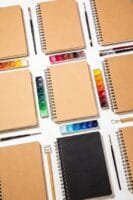

Are you tired of getting stuck when it comes to shading in your art? Toned paper might just be the solution you need. This unique material comes in soft mid-tone colors like tan or grey, providing a solid base that can really make your artwork pop.
Starting from a mid-tone gives you a real advantage when working with values. Instead of jumping between dark and light, you get smoother transitions. It’s easier to add depth and richness to your pieces when you begin with a darker color, which means your shadows can feel more realistic. Plus, with toned paper, you can really make those highlights shine, without overthinking things.
So, why does this matter? Well, using toned paper can simplify your creative process. You can make decisions quickly because the paper itself does some of the heavy lifting. Not to mention, you’ll spend less time trying to build up your values from light to dark, which can be a real time-saver.
Try this: grab a few sheets of toned paper and experiment with different mediums. You might be surprised by how much easier it is to achieve the effects you’re aiming for.
Frankly, it’s all about discovering tools that work for you. Toned paper could be that little extra push you need to create more dynamic artwork. After all, anything that helps you express your creativity is worth a shot.
In a nutshell, give toned paper a try for your next project. Who knows? It might just change the way you approach your art. What method do you use to make your art stand out?
For best results, consider choosing acid-free pastel paper to ensure your artwork remains vibrant and long-lasting.
How Toned Paper Enhances Realism in Your Art
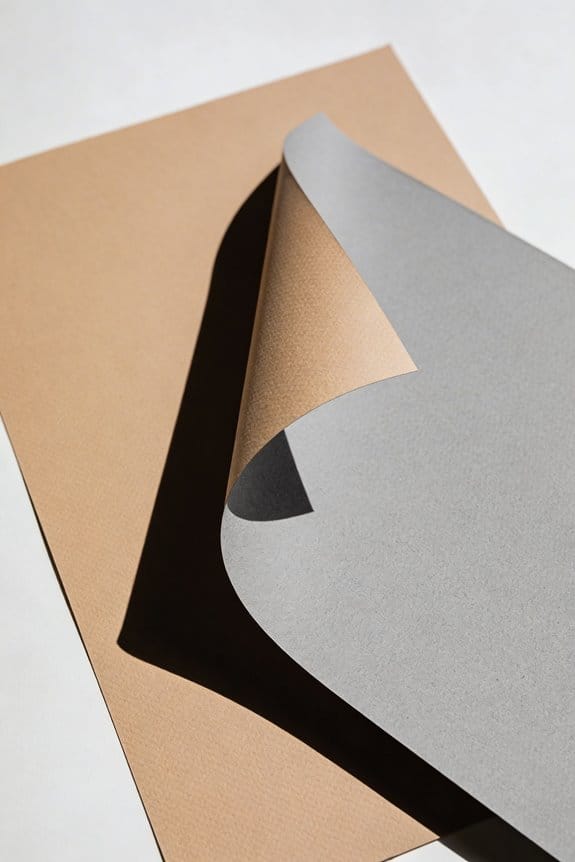
Ever find yourself staring at a blank canvas, unsure how to make your art pop? One practical tip to consider is using mid-tone backgrounds. Toned paper can work wonders by reducing that glaring white space, allowing for a more natural balance of light and shadow.
Starting with a mid-tone offers you a fantastic foundation. It gives you the freedom to layer in a full range of values without the pressure of the bright white paper stealing the show. This approach can deepen your understanding of your subjects, leading to more lifelike portrayals. When you eventually add white highlights, they really stand out against the toned surface, giving your artwork that depth and dimension.
Here’s the trick: many historical artists leaned on this method, and there’s a good reason for it. The right tones improve texture and form, enhancing the overall quality of your piece. Simply put, focusing on these values early in the painting or drawing process sets you up for a successful outcome later.
So, why does this matter? By starting out with toned paper, you might find your creative flow becoming smoother. It invites experimentation and play, which can sometimes lead you down unexpected and exciting paths. In the end, this technique helps kick your artwork up a notch without overwhelming you at the start.
Many artists prefer toned paper with a heavier paper weight to better handle a variety of media, including wet and dry techniques.
Ready to give it a try? You might be surprised at how much it enhances your art!
Recommended Products
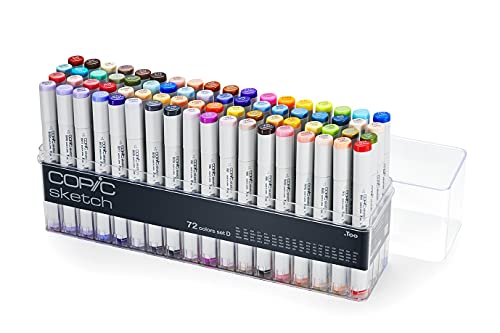
This 72pc Set D includes a wide variety of mid-tones and fluorescent colors. All of these colors are perfect for creating illustrations.

Compatible with Artspira: Import and save up to 20 printing images easily with the Artspira app. With access to printing patterns and designs, plus the ability to convert images into poster-style drawings, Artspira will have you creating on the go

This 72A Ciao set includes a combination of colors from the 36A & 36B sets. These colors are recommended for beginners and experts alike. It includes a wide selection of basic colors commonly used in design and illustration. This set is a great way to start your Copic Ciao collection!
Conceal Mistakes With Toned Paper
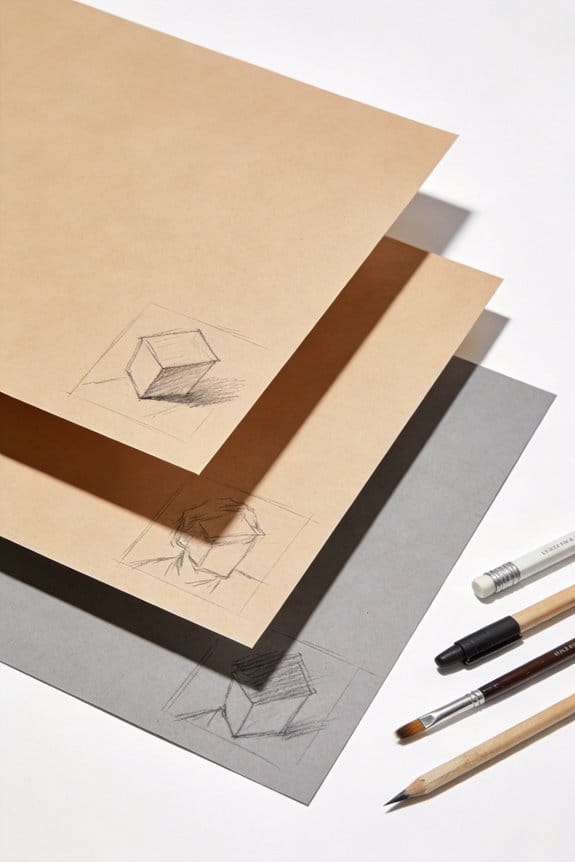
Have you ever been in the middle of a drawing, and suddenly you make a slip that feels like it’s ruined everything? It happens to the best of us, but here’s a little secret that can turn that moment around: toned paper. This simple switch can help you embrace those imperfections rather than stress over them.
The magic of toned paper lies in its mid-tone background. Unlike bright white paper, which makes every little error jump out at you, the softer tone reduces contrast. So when you make a mistake, those eraser marks blend in better, giving your work a cleaner look. You won’t be distracted by every little mishap as you create.
Plus, if you mess up early in your drawing, it’s way easier to overlook those little errors on toned paper. This quality gives you the freedom to keep pushing forward, making it easier to maintain a polished appearance as you refine your work. So why is this important? Because it takes the pressure off and lets you focus on your creativity.
Try this: when you’re starting a new project, grab a pad of toned paper. You might find that knowing your mistakes won’t stick out like a sore thumb encourages you to be more spontaneous. Instead of fearing errors, you’ll see them as opportunities for growth.
Honestly, it’s all about lightening the creative load. Toned paper opens up a whole new way to approach your art without that constant worry about perfection. Next time you reach for your drawing tools, think about keeping the toned paper handy; it could make all the difference.
In the end, it’s okay to make mistakes. They’re all part of the journey, after all. So, what’s stopping you from diving in and letting your creativity flow? Using opaque gouache paints on toned paper can further enhance your artwork by adding vibrant, matte layers that cover underlying tones effectively.
Speeding up Your Drawing Process With Toned Paper
Ever find yourself staring at a blank page, feeling stuck and wishing for a shortcut to getting your ideas down? If you’re looking to speed up your drawing process, switching to mid-tone paper could be just the trick you need. Toned paper makes shading and highlighting quicker and more intuitive. Instead of slowly transitioning between light and dark, you can make bold decisions, capturing the essence of your subject in a flash.
When you start with a darker base, adding depth becomes a breeze. You can easily push in darker tones without worrying too much about making things perfect right away. Honestly, many artists from history turned to toned paper for life drawing and achieved impressive results even without detailed references. So, why does this matter? The forgiving nature of toned paper helps minimize those early-stage errors that can trip beginners up and slows down experienced artists alike.
Try this: grab some mid-tone paper next time you sit down to draw. You might notice how it encourages you to keep your creative flow going, allowing room for experimenting without the fear of messing up. The best part is that it makes the process feel more spontaneous and less stressful.
In the end, using toned paper can really enhance your art-making experience. It’s a simple change that could make a big difference in how you approach your drawings. Why not give it a shot? You might just discover a new favorite tool in your artistic kit!
Recommended Products
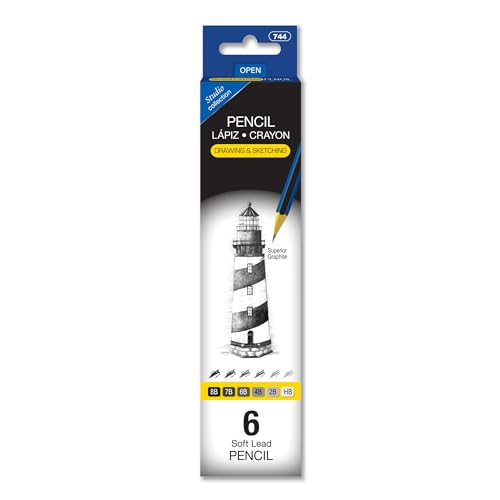
Drawing and sketching pencil set - 6 graphite grades from 8B to HB for shading, blending, and line work

【PREMIUM ALCOHOL-BASED MARKERS MADE IN JAPAN】A fast-drying, transparent alcohol ink will not harm the surface or fibers in the paper allowing it to remain smooth. The ink used is low-odor and non-toxic. Square, rounded-edge barrel designed for comfort.

BRUSH & FINE, DOUBLE-TIP, DOUBLE THE FUN: Widen your artistic horizons with the dual-tip marker design! Choose the brush tip for sweeping, calligraphic strokes or the fine tip for details. What's more, now Ohuhu replacement brush tips is available, so you can easily replace the worn-out tips to ensure consistent and precise lines whenever you create. The only limit is your imagination
Bridging Drawing and Painting With Toned Paper
Have you ever struggled to blend your drawing and painting techniques? Toned paper might just be exactly what you need. It offers a mid-tone base that makes it easier to play around with light and dark values. With this neutral foundation, you can create depth in your work without getting overwhelmed by white paper staring back at you.
When you’re layering values, toned paper can be your best friend. You can easily explore textures and apply contrast, giving your pieces more life. This neutral backdrop really encourages you to combine various drawing and painting methods. For instance, trying colored pencils over a tan sheet can lead to some eye-catching results that might surprise you!
Here’s the trick: don’t be afraid to switch things up. Moving between drawing techniques and painting methods on toned paper is not only effective but also lets your creativity flow more freely. The best part is that the paper helps you gain confidence as you blend different mediums and styles together. Choosing a sketchbook with mixed media capabilities and appropriate paper weight ensures your layered artwork stays vibrant without bleed-through.
Mastering Light and Dark Values on Toned Paper
Mastering light and dark values on toned paper can change the way your artwork looks. Ever felt like your drawings lack depth? Starting with a mid-tone is a practical move; it gives you a solid base for building your value hierarchy. You can layer darker tones right into the paper, which makes it easier to manipulate your tonal variations. Highlight placement becomes straightforward, too—once you see those contrasts, it’s so much more satisfying.
Here’s the trick: layering techniques bridge the gap between drawing and painting. This mixing opens up a world of possibilities for exploring value shifts in your work. Why does this matter? Well, engaging with light and dark values on toned paper can really boost your artistic expression. The more you practice, the richer and more sophisticated your pieces will appear. Using high-quality tools like the Pentel Fude Brush Pen Medium can enhance your control over value transitions on toned paper.
Recommended Products

THE FIRST & FAVORITE RETRACTABLE FOUNTAIN PEN: Pilot's patented design allows the rhodium-plated 18K gold nib to retract into the barrel when not in use, making this smooth-writing luxury fountain pen easily portable & airplane safe.

Set of 102 Polychromos high quality coloured pencils, made in Germany using pure acid-free pigments for maximum brilliance and durability; high breaking strength (SV)

Features: Permanent waterproof ink with a velvet matte finish; Available in 1 oz., 16 oz., and 32 oz. sizes, the blackest India ink you can buy, lightfast and archival carbon black, water-based formula, AP Certified non-toxic, and made in the USA
Tips for Getting Started With Toned Paper Drawing
Getting started with toned paper drawing can seem a bit daunting, right? But it doesn’t have to be. One of the first things you should try is using a mid-tone colored pencil or charcoal as your base layer. This sets a nice foundation for balancing lighter and darker tones later on. Honestly, those white highlights really create contrasts that make your work pop against the textured paper.
Here’s a tip: Don’t shy away from experimenting with both black and white media. Toned paper techniques really challenge you to push your shading skills to the next level. So why does this matter? Because it allows you to capture more drama in your drawings!
The forgiving nature of toned paper can’t be overlooked either. It hides those little mistakes we often make, making it easier to keep going when things don’t go as planned. And let’s be real, working quickly can bring out some exciting, spontaneous ideas, so take advantage of this medium’s time-saving benefits.
In the end, just remember that drawing on toned paper can be a fun journey. Give it a go, and see how it shifts your artistic approach. What will you create next? Using versatile applications of different media can further enhance your creative possibilities and results.
Recommended Products

Beautifully Pigmented - The premium colored pencils in this set boast a vibrant, 4mm oil-based lead that provides smooth, effortless strokes of color, an encased in lacquered cedar for style and longevity

Derwent Lightfast pencils are formulated to be 100% lightfast, meaning that the core is resistant to colour change and will not change for up to 100 years under museum conditions

Perfect For All dry media, most writing instruments, colored pencil and graphite, travel or Plein air work, journaling your thoughts and ideas, traveling, sketching, gifts
Achieving a Unified Composition on Toned Paper
When trying to create a unified composition on toned paper, you might find yourself wondering how to make the most of this unique medium. The mid-tone base is one of its biggest perks because it helps in balancing your highlights and shadows.
Try this: instead of just slapping colors on randomly, think about how layering them can enhance the overall feel of your artwork. One way to achieve harmony is by strategically placing highlights across different elements. For instance, using white chalk on a tan surface can really make those highlights pop and create a striking contrast.
Here’s the trick: consistency is key when it comes to color layering. You want everything to feel pulled together and polished, so don’t rush through those layers. This not only adds depth to your work but also enriches the texture, giving you a piece that’s not just visually engaging but also feels complete.
Honestly, if you’re feeling lost about where to start, just remember to be thoughtful about your color choices and placement. The best part is that once you get the hang of this approach, your compositions will start to draw people in more naturally.
In short, layering thoughtfully on toned paper can lead to impactful and cohesive artwork. So, what will you create next? Using watercolor tubes with high pigment quality can further elevate the depth and vibrancy of your layered compositions.
Recommended Products

🎨 THE BRAND: Schmincke has been producing the best, finest artists' colors Made in Germany since 1881 and they are available in over 60 countries. The range includes watercolors, acrylics, oil colors, pastels, gouache colors, airbrush colors and much more.

🎨 THE BRAND: Schmincke has been producing the best, finest artists' colors Made in Germany since 1881 and they are available in over 60 countries. The range includes watercolors, acrylics, oil colors, pastels, gouache colors, airbrush colors and much more.

🎨 THE BRAND: Schmincke has been producing the best, finest artists' colors Made in Germany since 1881 and they are available in over 60 countries. The range includes watercolors, acrylics, oil colors, pastels, gouache colors, airbrush colors and much more.
Frequently Asked Questions
What Are the Benefits of Toned Paper?
Toned paper’s advantages brighten our creativity, making our art journeys smoother. By enhancing contrast and improving shading, we discover deeper dimensions and richer textures, allowing us to express emotions more vividly in our masterpieces.
What Is the 70/30 Rule in Art?
The 70/30 rule in art emphasizes artistic balance by suggesting 70% of the composition focus on a main subject, while 30% introduces complementary elements, promoting color harmony and enhancing our overall composition techniques.
What Is Toned Grey Paper Used For?
Using toned grey paper’s like painting our light and shadow dance. It’s perfect for shading techniques, contrast exploration, and works well with various mediums, letting us create artwork that feels both depth-filled and expressive.
Why Is Tone Important in Drawing?
Tone’s essential in drawing; it enhances light contrast and shadow depth, guiding our color perception. By exploring tone, we create more dynamic pieces, allowing us to capture the essence of our subjects with greater clarity.