As an Amazon Associate, we earn from qualifying purchases. Some links on this site are affiliate links at no extra cost to you. Our recommendations are based on thorough research and editorial judgment.


How to Read Safety Data Sheets (SDS) for Art Materials

To read Safety Data Sheets (SDS) for art materials, we should start with Section 2, which identifies hazards. This section uses warning symbols to show health risks. Next, Section 3 details chemical ingredients and their potential dangers, including toxic metals. We must also look at Section 8 for personal protective equipment, like gloves and masks. Understanding these sections helps us use materials safely. Let’s explore how to apply this knowledge in our art practice.
Key Takeaways
- Familiarize yourself with the 16 sections of an SDS to know where to find specific information about hazards and safety measures.
- Pay special attention to Section 2, which outlines hazards and risk symbols for quick identification of potential dangers.
- Review Section 3 for details on hazardous ingredients, including toxic heavy metals that may be present in art materials.
- Always check Section 8 for recommended personal protective equipment (PPE) and ventilation requirements to ensure safe handling.
- Keep SDS accessible for quick reference during emergencies, as they provide crucial first aid measures and safety protocols.
Basics of Reading Safety Data Sheets
You may be interested


Have you ever started a creative project and felt unsure about the safety of the materials you’re using? Safety Data Sheets (SDS) can be your best friend in these situations—they’re loaded with crucial info about art supplies. Each SDS is organized into 16 sections, and these sections help you understand the health risks that might come with the chemicals involved.
Take a look at Section 2, which dives into potential health hazards and includes risk symbols. This makes spotting dangers a whole lot easier. When you’re handling chemicals, it’s important to know what personal protective equipment (PPE) you should be wearing, which you can find in Section 8. Don’t skip over Section 4, either—it lays out first aid measures that can really make a difference in emergencies.
Familiarizing yourself with terms like exposure limits and hazard symbols not only protects you; it also allows you to enjoy your art making without worrying about your health. It’s about blending safety with creativity in a way that works for you. Additionally, just as selecting the right brush materials enhances artistic precision, understanding SDS details ensures safer handling of your art tools. So, what’s your next step in ensuring a safe art environment?
Recommended Products

Hard rubberized wood:-The worktable is made of rubber wood, which is strong and hard to wear. In order to make it have a longer service life, we use the transparent coating of environmental protection. Effectively prevent the table from moldy. It also has a high load bearing capacity.Maximum load bearing up to 2000LBS.
![VANCL 4" Thick Wall Padding Baseball Basketball Court Mat Foam Pads for Wall Pad Corners Mini Hoop Wall Padding for 4" Gym Wall Padding 60''Lx24''Wx4''T [10 Pack]](https://m.media-amazon.com/images/I/41bOMlIjQAL._SL500_.jpg)
🍀【Package Included】 Comes with 1 x basketball gym wall pad and 4 x Velcro. Each basketball gym wall padding is 60"x 24"x 4", 1 piece gym wall padding total 10 sq ft (10 pack).

SMART DESIGN: This extra soft mat has a denim cover and very low-density foam. It is designed to be used as a top mat in a loose foam pit or as a top mat on another foam or air-filled mat when used outside a pit.
Identifying Hazards in Art Material SDS
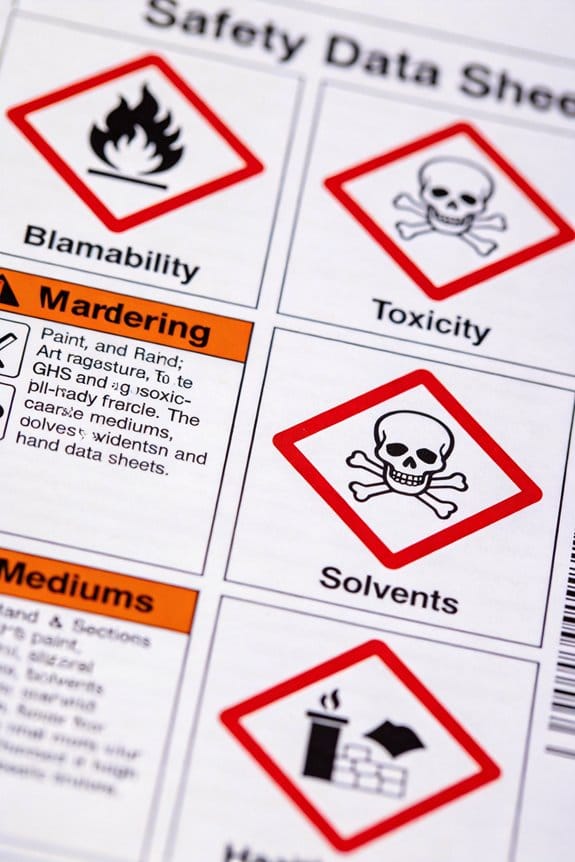
Have you ever wondered what dangers might be lurking in your art supplies? Spotting hazards in art materials is crucial for keeping yourself safe while you create. Safety Data Sheets (SDS) can be your best friend in this endeavor. These sheets don’t just throw around jargon; they clearly outline the health risks tied to the substances you might be using. From respiratory problems to skin irritations, knowing what you’re working with is key.
Take a look at Section 2 of the SDS. This part lays out Hazards Identification and is filled with warning symbols, like “Danger” and “Warning”. It’s hard to ignore those symbols, right? They’re there for a reason. Then, there’s Section 3, which gets specific about hazardous ingredients. You might find things like heavy metals in pigments—serious stuff that can cause major toxic effects.
And don’t overlook fire hazards; Section 5 is all about that. If you’re working with flammable materials, keep them well away from open flames. Safety should always be your priority.
When it comes to ensuring proper safety while handling these materials, Section 8 provides guidance on ventilation and personal protective equipment (PPE). Think gloves and masks. These aren’t just optional—wearing them can really help you navigate working with chemicals while cutting down your exposure to harmful fumes. Also, when selecting your art supplies, choosing non-toxic mediums certified for safety can significantly reduce health risks.
Recommended Products
【WORKOUT WITHOUT RESTRICTION】Extra long & wide for all types of CARDIO WORKOUT like P90X and Insanity, for DANCE WORKOUT like T25 and Zumba, for HOME GYM EXERCISE like Weightlifting, Jump Rope, Sit-up or Stretch. With or without shoes. Works great on most floor surfaces.

Glove-Like Fits RZR XP 4 1000 Floor Mats: Compatible with 2014-2023 RZR XP 4 1000, 2019-2020 RZR S 4 1000, 2015-2017 RZR 4 900, 2018 RZR S4 900, 2016-2021 RZR XP 4 Turbo, 2019 RZR XP 4 Turbo S, 2021 RZR Turbo S 4

1. Platinum more realistic style.Made from new-type cyber skin. (Preferred for display or photography of accessories such as jewelry, rings, clothes, sockings, gloves, Bracelets, Bangles and manicure art etc).(Jewelry not include), Product upgrades. The package includes: 1 pair of foot models (left hand + right hand) (not including any decorative items)
Interpreting Ingredients in Safety Data Sheets
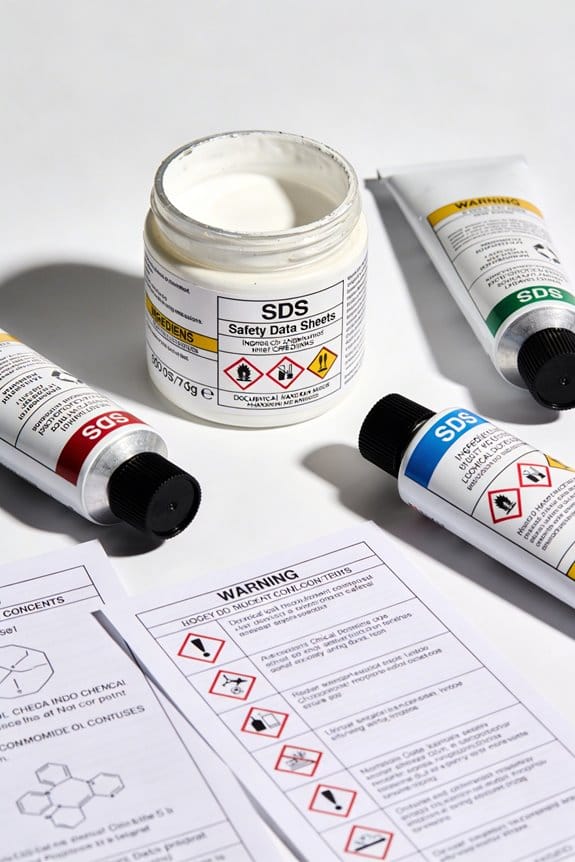
Understanding the ingredients in Safety Data Sheets (SDS) matters more than you might think, especially when it comes to art materials. Have you ever wondered what’s really in that paint or clay you use? In Section 3 of the SDS, you’ll find specific details about chemical identities and concentrations. Keep an eye out for terms like “Danger” or “Warning”—these labels indicate potential health issues, such as irritation or toxicity that could affect you while you create.
It’s also good to know about CAS Numbers, which are unique identifiers for chemicals. These can help you research more about a substance if you need to. So, why does this matter? Knowing what you’re working with is key to your safety.
In Section 2, you’ll see hazards associated with toxic metals or chemicals. Protecting yourself while you work should always be a priority. Here are some safe handling tips to keep in mind:
- Always wear personal protective equipment when necessary, like gloves and masks.
- Make sure your workspace is well-ventilated to avoid inhaling fumes.
Using non-toxic art supplies and fabric paints can greatly reduce the risk of health issues during your creative projects.
Truth is, being aware of these safety measures means you can enjoy your art supplies without the worry. It’s important to use them responsibly; you’ll feel more confident in your art journey by taking these precautions.
In short, the more you know about the ingredients you’re working with, the safer and more enjoyable your creative process can be. What’s one art supply you’re curious about checking the safety information for?
Recommended Products

🎨 THE BRAND: Schmincke has been producing the best, finest artists' colors Made in Germany since 1881 and they are available in over 60 countries. The range includes watercolors, acrylics, oil colors, pastels, gouache colors, airbrush colors and much more.

🎨 THE BRAND: Schmincke has been producing the best, finest artists' colors Made in Germany since 1881 and they are available in over 60 countries. The range includes watercolors, acrylics, oil colors, pastels, gouache colors, airbrush colors and much more.

🎨 THE BRAND: Schmincke has been producing the best, finest artists' colors Made in Germany since 1881 and they are available in over 60 countries. The range includes watercolors, acrylics, oil colors, pastels, gouache colors, airbrush colors and much more.
How to Manage SDS Hazards in Art Practice
Do you ever feel a bit uneasy about the materials you’re working with in your art? Managing hazards in your art practice is crucial for not only your safety but also for a more enjoyable creative process. One smart step to take is reviewing the Safety Data Sheets (SDS) of any hazardous materials you plan to use. These sheets lay out important information on hazards, handling precautions, and even first aid measures.
A couple of key sections to focus on are Section 2 (Hazards Identification) and Section 8 (Personal Protective Equipment). They give you a solid understanding of what health and safety measures you need. When you’re working with flammable materials, it’s definitely worth your time to check Section 5. Fire risks can be sneaky, so ensuring your workspace is well-ventilated and free from any potential ignition sources is essential.
Regularly checking in on your work environment is another helpful strategy. This way, you can reduce chemical exposure and keep waste disposal practices on point. Don’t forget that little things, like keeping your area tidy, can make a big difference. Additionally, choosing the right tools with ergonomic designs can help minimize fatigue and improve safety during long creative sessions.
Recommended Products

PROFESSIONAL FACIAL CHAIR FOR SPECIALISTS: This premium spa chair features 240° rotation capability, making it perfect for facial services. It has a dimensions of 73"×33"×23-35"H, and base size of 40"×30"×2.5" (narrows to 24" at foot end). Holds up to 440 lbs, making this facial bed suitable for all clients. Medically approved chair that combines functionality with luxurious feel for any medspa, salon, or clinic.

Advantage: Designed to be a total back saver! Tuffcare's patient lift helps to reduce the risk of potential injury to patients, caregivers, and other medical staff at the same time it increases patient satisfaction, comfort, and dignity. Stand-Up lifts are the safest and most efficient way to clean, dress, and transfer patients who need additional support.

Advantage: Designed to be a total back saver! Tuffcare's patient lift helps to reduce the risk of potential injury to patients, caregivers, and other medical staff while also increasing patient satisfaction, comfort, and dignity
Importance of Keeping SDS Accessible for Artists
Have you ever dived into an art project only to realize some materials can be sketchy? It’s exciting to express your creativity, but let’s be real—sometimes those art supplies come with hidden dangers. That’s why keeping your Safety Data Sheets (SDS) handy is so important. These sheets don’t just sit there collecting dust; they’re packed with crucial info about health risks, first aid steps, and safe usage.
When you’re working with potentially hazardous materials, SDS can tell you what kind of personal protective equipment (PPE) you should be wearing. And let’s not forget legal obligations—keeping those sheets on hand helps you stick to safety regulations about storage and handling. You wouldn’t want a surprise mishap, right?
In emergencies—think chemical spills or allergic reactions—having your SDS available can make all the difference. It’ll guide you on the right steps to take when the unexpected hits. Staying informed not only lets you create art more safely but also frees you to think creatively without the cloud of health risks hanging over you.
For example, materials like Rembrandt pastels are free of harmful metals and have quality assurances that can be confirmed through their safety data sheets.
Recommended Products

PREMIUM ten (10) pack of 1/8" tungsten electrodes for TIG welding for the beginner, intermediate, and professional TIG welder. From students to industrial and artistic users, these fit your use
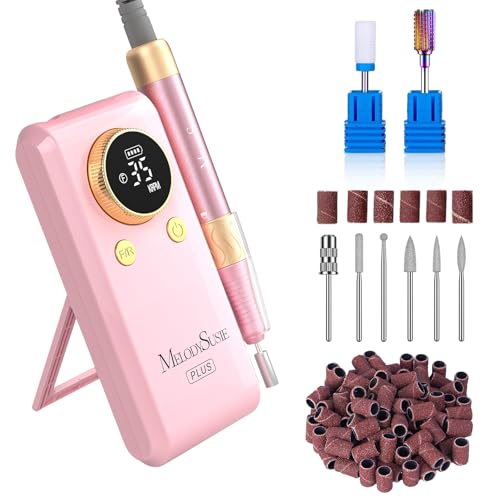
FROM MELODYSUSIE RECHARGEABLE CLIP-ON NAIL DRILL COLLECTION: The SM330G Rechargeable 35,000 RPM 2-in-1 Nail Drill features a clip-on design for easy waist attachment and an adjustable built-in stand with up to 120° tilt for stable, customizable desktop use. Its ultra-lightweight, ergonomic handpiece reduces hand fatigue and ensures optimal heat dissipation. Available in pink and purple.

Great insulator with low thermal conductivity and very low weight
Frequently Asked Questions
How Do You Read a SDS Safety Data Sheet?
To read an SDS, we focus on its importance for hazard identification, exposure limits, first aid, protective measures, and handling procedures, ensuring we comprehend chemical properties, storage guidelines, disposal methods, and regulatory compliance.
Is Category 1 or 4 Worse on SDS?
When we think of hazards, imagine a raging storm versus a gentle rain. Category 1’s risk assessments indicate severe health effects, while Category 4 warns of milder toxicity levels. We must prioritize safety precautions in both cases.
What Are the 5 Key Things an SDS Tells You?
An SDS tells us about hazard identification, exposure routes, first aid measures, fire safety, handling precautions, storage requirements, personal protection, disposal guidelines, environmental impact, and essential regulatory information. We all need this knowledge!
What Is the Difference Between SDS and Material Safety Data Sheet?
While SDS emphasizes user safety and standardized terminology, the historical MSDS lacked consistency and regulatory updates. Understanding these differences guarantees we prioritize chemical hazard awareness and effective emergency response—protecting ourselves and adhering to industry standards.


