As an Amazon Associate, we earn from qualifying purchases. Some links on this site are affiliate links at no extra cost to you. Our recommendations are based on thorough research and editorial judgment.


Understanding Lightfastness: Why Your Paintings Fade Over Time

Understanding lightfastness is essential for us as artists because it affects how our paintings hold up over time. Light exposure, especially UV rays, breaks down pigments and leads to fading. Factors like pigment chemistry and the thickness of our paint layers influence how resistant they are to fading. By choosing high lightfastness ratings, like ASTM I or II, we can protect our artwork. There’s more to learn about maintaining our art’s vibrancy and longevity, so let’s explore further.
Key Takeaways
- Lightfastness measures a paint’s ability to resist fading, ensuring long-term vibrancy in artwork.
- UV rays and visible light cause chemical reactions that break down paint, leading to fading.
- Inorganic pigments tend to be more lightfast, while organic ones are often less durable.
- The paint’s application thickness affects lightfastness; thicker layers usually resist fading better.
- Selecting high-rated lightfast materials is essential to maintain artwork integrity and marketability over time.
What Is Lightfastness and Why Should Artists Care?
You may be interested

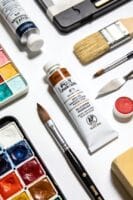

Have you ever poured your heart and soul into a piece of art, only to see it fade over time? It’s a real struggle that many artists face. Understanding lightfastness can seriously change how long your artwork holds up. So, what’s lightfastness? It’s just a fancy term for how well a paint resists fading when exposed to light. Knowing this can help you pick the right materials to ensure your creations stay vibrant for years to come.
When you’re out shopping for paints, keep an eye on the blue wool scale. Paints rated low on this scale can fade quickly, almost like plants scrambling for shade. On the flip side, paints that score a 6 or higher are much better at keeping their color integrity. If you’re serious about your art, this is a big deal. Selecting high lightfastness paints means your work can stand the test of time, impressing collectors and future generations alike.
Think about it: You want your artwork to continue telling a story, not to fade away like a forgotten memory. Honestly, choosing the right paints can mean the difference between a piece that stays as fresh as the day you created it and one that loses its charm over time. So, the next time you’re on a shopping trip for supplies, remember to prioritize those lightfast options. It’s a smart move for any artist, and trust me, your future self will thank you for it. For the best results, consider sets with high-quality pigments, as they ensure vibrant colors and improved longevity in your paintings.
How Does Light Exposure Cause Paint Fading?
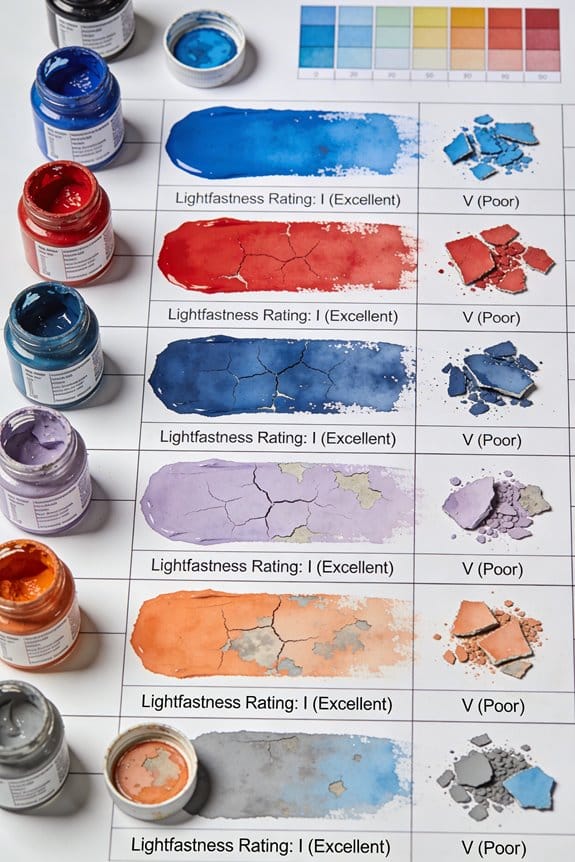
Have you ever noticed how your favorite paint colors seem to lose their vibrancy over time? It turns out that light exposure is a major culprit in this fading process. When paint is exposed to sunlight, especially UV rays, it can break down the bonding agents that hold everything together. This is especially true for those bright reds, blues, and yellows.
When these polymer bonds break down, it triggers chemical reactions that create free radicals. These little troublemakers can weaken the integrity of the paint, leading to quicker deterioration. Even something like titanium dioxide, a common pigment, can speed up this process and lead to problems with the paint’s binder.
Visible light isn’t off the hook, either. It messes with dye intensity and alters how colors emit light, dulling their once-bright appearances. This means that even if you thought you picked a stable color, it might fade to an unexpected shade over time. So, why does this matter? Understanding how light affects your paint can really help you choose the right colors and avoid unnecessary fading.
Here’s a tip: If possible, try to limit direct light exposure to your painted surfaces. You might also want to consider UV-protective coatings or keep items away from windows where sunlight hits directly. These simple steps can go a long way in preserving that freshly painted look. Additionally, selecting acrylic paints with durable finishes can further protect your artwork from fading.
In short, light plays a huge role in paint fading. Keep this in mind the next time you pick a color or decide where to place your artwork. How much effort are you willing to invest in protecting your painted pieces?
Key Factors Influencing Pigment Lightfastness

Have you ever painted something beautiful only to watch it fade over time? It’s frustrating, right? Understanding the factors that influence pigment lightfastness can help you choose paints that stand the test of time.
First off, let’s talk about pigment chemistry. Inorganic pigments tend to resist fading really well, while organic pigments? They can fade pretty quickly because of their chemical makeup. Then there’s the concentration issue. You might think you’re safe using Alizarin Crimson, but it actually loses stability in lower concentrations. It’s a little surprising, isn’t it?
The binding mediums you use can also play a big role. Some oils can boost your paint’s lightfastness, while others might not do you any favors. When mixing colors, keep in mind that the least lightfast pigment you use will determine the overall rating of your mix. So if you have one weak pigment in the bunch, that’s what you’re stuck with.
Now, let’s not forget about how you apply your paint. Thick layers often hold up better against fading than those delicate, thin glazes. Plus, think about where you display your artwork. Sunlight intensity can have a serious impact on how long your pigments last.
Using paints with UV-resistant and non-yellowing properties can significantly enhance your artwork’s longevity and preserve color vibrancy.
Honestly, knowing all these factors gives you the tools to create artwork that lasts. It’s all about making smarter choices when selecting your materials. So, as you dive into your next painting project, consider these tips to protect your art from fading. What techniques have you found that work best for you?
Recommended Products

Easy Application, Professional Results - Our epoxy resin is designed for smooth, hassle-free application with excellent self-leveling properties. Ideal for beginners and professionals alike, it ensures a bubble-free, high-gloss finish with minimal effort.

✅ This kit is for MEDIUM FLAKES COVERAGE, giving you a balanced flake finish that still lets more of the base coat show through. For a denser, more uniform flake look, check our other listings for the FULL FLAKES COVERAGE option.

Lightfastness Rating Systems Overview
Choosing the right pigments for your artwork can feel overwhelming. With so many options out there, how do you know which ones will last? Lightfastness ratings can help you make informed decisions about the materials you use.
Let’s break down a couple of systems you’ll find helpful. The ASTM rating system is a popular choice—it ranks pigments from I to V based on how well they hold up under museum conditions. If you’re using Liquitex paints that are rated I or II, you can expect them to remain vibrant for over 50 to 100 years, even in gallery displays. Pretty impressive, right?
Another system to consider is the Blue Wool Scale. It rates lightfastness from 1 to 8, with products rated 8 being the best. Schmincke has its own 5-star rating system based on this scale, which makes it easier to compare different pigments. Since it uses Xenon arc lamps to simulate sunlight, you’ll get a true picture of how these pigments perform over time.
So, why does this matter? Because knowing the lightfastness of your chosen pigments means you can create art that stays true to its colors for years to come. You wouldn’t want to put in all that effort only to watch your piece fade, right?
To further enhance your artworks’ longevity and aesthetic quality, consider incorporating gold leaf sheets, which come in various materials and finishes to complement your pigments and add durability and finish quality.
To recap: understanding lightfastness ratings can make a real difference in the longevity of your work. When picking your pigments, take a moment to check their ratings. What’s your go-to method for ensuring your art lasts?
Recommended Products

The New Karin DecoBrush Pigment markers feature a brush-like nib that requires zero pumping for paint flow

Water-based paint that behaves exactly like conventional acrylic paints

FABER-CASTELL-Pitt Artist Pen: Brush Set
How to Use Ratings to Protect Your Art?
Have you ever put in hours of work on a piece of art only to watch it fade away over time? It can be devastating, right? Well, there are ways to give your artwork a fighting chance against the ravages of time.
Let’s start with pigments. It’s really important to choose ones with lightfastness ratings of I or II. These ratings mean your colors will resist fading for over 100 years. That’s a pretty solid investment! But we can do more than just pick the right colors; we can also apply protective coatings. Varnishes that are UV-resistant can extend the life of your art even further—think about 50% more durability.
You might be wondering, what else can I do? The substrate you use is huge too! Opt for acid-free papers or canvases; they won’t react with your paints and speed up fading like other materials might. And don’t overlook framing. Using UV glass for your frames is a simple yet effective barrier against harmful rays that can threaten your work.
So when you put all these elements together—quality pigments, protective coatings, and suitable substrates—you create a much stronger defense for your creations. Protecting your art doesn’t have to feel overwhelming; the right steps can make a huge difference. Additionally, choosing the right drying mediums can help preserve the vibrancy and longevity of your paintings.
Have you started thinking about how to better preserve your art? It’s definitely worth the effort!
Recommended Products
Premium Varnish: Our marine varnish is a high-build coating designed for use as a marine epoxy and exterior varnish for wood on surfaces like railings, doors or any surface where a clear, durable gloss finish is desired

DURABLE MATERIAL: This sleek, rustic planter pot is made from a thick gauge corten steel that will develop a beautiful rust patina naturally over time

MARINE SEALANT: Our liquid formula creates a UV-stable coating for protection against the elements, saltwater spray, and water damage. Marine is a protector for outdoor deck, thermally modified wood, and boat docks. Marine is safe for use over open water and is non-hazardous to aquatic life. ** This product is NOT intended for hardwoods such as ipe, mahogany and teak. **
The Consequences of Using Low-Lightfast Materials?
Using low-lightfast materials can really complicate things down the road. Ever notice how colors can start to fade under normal lighting? It can happen in just a few months—not great if you expect your artwork to keep its vibrancy. A faded painting can hurt your reputation as an artist, and your clients might be pretty frustrated when their expectations of lasting color fade away.
Non-lightfast materials can also take a toll on the sentimental and financial value of your work. Imagine putting your heart into a piece only to have it deemed unsuitable for hanging in a gallery or a museum because it doesn’t meet their standards. That’s a tough pill to swallow.
Some common materials we often use, like certain types of construction paper or specific paints, can degrade a lot faster than we realize. Here’s the trick: if you invest in quality materials upfront, you won’t have to worry about your hard work going to waste. Your commitment to using the best options really will pay off in the long run. For artists, selecting paints with an ASTM Lightfastness rating ensures excellent resistance to fading, preserving the artwork’s vibrancy over time.
Recommended Products

Derwent Lightfast pencils are formulated to be 100% lightfast, meaning that the core is resistant to colour change and will not change for up to 100 years under museum conditions
Produced with soot from burning gas the dark and fine particle size makes this our darkest most neutral black

This calligraphy marker features a dual tip with narrow 2.0-mm and broad 5.0-mm ends
Frequently Asked Questions
Can I Test My Own Artwork for Lightfastness?
Yes, we can test our artwork for lightfastness by preparing samples and exposing them to sunlight. This allows us to evaluate pigment exposure and determine how our chosen materials withstand fading over time.
How Can Lighting Conditions Affect Lightfastness Ratings?
Did you know that Southeast-facing surfaces can fade pigments 30% faster due to stronger UV exposure? We find that light conditions considerably impact lightfastness ratings, emphasizing the importance of minimizing direct exposure to preserve artwork.
Are There Specific Pigments Known for Poor Lightfastness?
Absolutely, pigments like Alizarin Crimson and certain synthetic dyes have poor lightfastness. Cadmium pigments, while generally stable, can still fade in specific circumstances, so we should always consider pigment choice carefully for lasting results.
Do Varnishes Enhance Paint Lightfastness?
Yes, varnishes enhance paint lightfastness considerably. In fact, two brushed coats can reduce color shift by over 30%. Different varnish types create protective layers, ensuring our artworks remain vibrant for longer durations during exposure.
How Does Temperature Impact Pigment Stability?
Temperature effects markedly impact pigment stability, causing degradation at both extremes. We must be mindful of heat, which can alter pigments, and cold, where brittleness emerges. Proper temperature management is essential for preserving our artwork’s vibrancy.


