As an Amazon Associate, we earn from qualifying purchases. Some links on this site are affiliate links at no extra cost to you. Our recommendations are based on thorough research and editorial judgment.


Canvas Boards vs. Stretched Canvas: Durability Comparison

When comparing canvas boards to stretched canvases, we notice clear differences in durability. Stretched canvases provide a springy feel, ideal for bold strokes, but can sag over time, lasting over 100 years with proper care. In contrast, canvas boards maintain their structure better under changing conditions and resist damage, making them suitable for detailed work. They can also last for decades. If you’re curious about their other features, there’s more valuable information ahead.
Key Takeaways
- Stretched canvases offer excellent durability and can last over 100 years with proper care, while canvas panels have a lifespan of decades.
- Canvas panels resist damage better under temperature and humidity changes, making them more environmentally stable compared to stretched canvases.
- Repairs on canvas boards are generally easier and maintain longevity, while stretched canvases may require re-stretching and show noticeable seam lines after repairs.
- Stretched canvases can sag over time, potentially affecting artwork, whereas canvas panels provide a stable surface that minimizes cracking and warping.
- Canvas panels are lightweight and portable, while stretched canvases can be cumbersome to carry and may lose quality if rolled up.
Understanding Canvas: Key Differences Between Board and Stretched Types
You may be interested



When you’re picking out canvas for your next art project, it’s easy to feel overwhelmed by the options. Should you go with stretched canvases or canvas boards? Both have their strengths, and knowing what you prefer can make all the difference.
Stretched canvases are wrapped tightly around wooden frames. This gives them a bit of a bounce, which many artists love because it adds a unique feel while painting. It’s like there’s a little push back against your brush, which can really enhance your creativity. However, canvas boards are a different story. They’re flat and mounted on sturdy materials like MDF, providing a solid surface. These can be a bit tougher when it comes to punctures, but if they’re on the thinner side, they can end up warping. So, if stability is key for you, keep that in mind.
The real kicker? Stretched canvases tend to be more durable, meaning they can take a hit without distorting your artwork. Many artists are drawn to their gallery-ready finish, making them perfect for displaying finished pieces. But if you’re looking for something that’s portable and easier on the wallet, canvas boards can be a smart choice.
So, why does this matter? The decision really comes down to your artistic needs. Do you want that flexibility while painting, or do you value a stable surface that you can easily transport? Understanding these differences will help you choose the right canvas for your next masterpiece. Additionally, the weight and thickness of the canvas surface can significantly affect both its durability and painting texture, adding another important factor to consider.
Evaluating Durability: Which Canvas Survives Wear and Tear?

Choosing the right canvas can feel overwhelming, especially when you want your artwork to last. Have you ever finished a piece only to worry about how it’ll hold up over the years? That’s a real concern for artists at all levels. When durability is on your mind, canvas panels typically do a better job than stretched canvases.
They’re more resistant to damage, which means less worry about your hard work getting ruined. Plus, canvas panels don’t sag like stretched ones can. If you keep them in good shape, some of these panels can even last decades, while a well-cared-for stretched canvas might see over 100 years—definitely a long time!
Now, here’s the trick: if a canvas panel gets damaged, repairs are usually pretty easy. Since they have stable surfaces, you’re less likely to see cracks in your paint. In contrast, if a stretched canvas gets punctured, the repair job can be a bit more involved. So, you might be wondering, what about quality? Not all canvas panels are made equally. Some just don’t provide the archival quality you might want. It pays to read reviews and test a few options before committing.
To sum it up, for lasting durability and simpler repairs, canvas panels are a smart pick. What’s your go-to canvas for your artwork?
Recommended Products

Artfix Pau, 6 oz raw, 1a4 oz finished Belgian Linen double sized, QUAD primed with archival quality acrylic gesso for oils & acrylics; Luxurious PORTRAIT SMOOTH surface; ideal for fine detail work; Linen has natural oils that prevent decay over time

Hand-Primed Linen Canvas: Experience the superior bonding surface of our linen canvas, hand-primed for oil and alkyd painting; Each layer is meticulously sanded and dried for 10 days in a warm-air oven, ensuring professional quality and durability
[Built To Last] Hand-crafted by a Top-Rated canvas brand on Amazon with vibrant long-lasting colors and exceptional details that will brighten up and transform your space.
How Environmental Factors Affect Canvas Longevity?
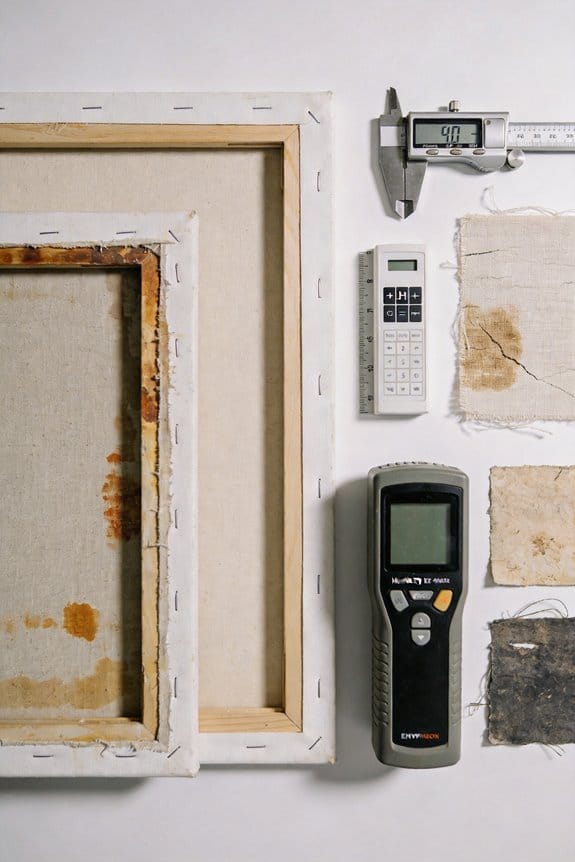
Have you ever noticed how the environment seems to play a major role in how your artwork ages? Changes in temperature and humidity can really mess with your canvas. It’s common for canvas to stretch or shrink with these shifts, which can definitely affect how long it lasts. Over time, these fluctuations can lead to brittleness in oil paints, often resulting in those annoying little hairline cracks.
Now, if you’ve switched to canvas panels, you’ve probably noticed they can hold up better in these conditions. The firm backing materials help maintain their structure without sagging as much, which is a relief for many artists. Plus, using acid-free materials for your panels can really boost their archival quality, giving you peace of mind about durability.
Proper storage is another big factor, so it’s worth your time to consider where and how you keep your artwork. Keeping both canvas types in stable conditions can go a long way in maximizing their lifespan and preventing deterioration. For instance, if you can control the temperature and humidity in your workspace, that would be great! Additionally, storing canvas rolls in a cool, dry place away from direct sunlight can significantly preserve the durability and longevity of your materials.
Recommended Products

Quality Canvas Boards for Painting-Best Price Guaranteed, Bulk Value Pack Paint Canvases for Painting.

Features: Back stapled to Allow for keying or re-stretching (keys Included), long linen fibers for long lifespan, non-mechanical surface with a lovely fine texture, larger sizes are braced to provide rigid support, and easy to re-stretch or tighten the canvas
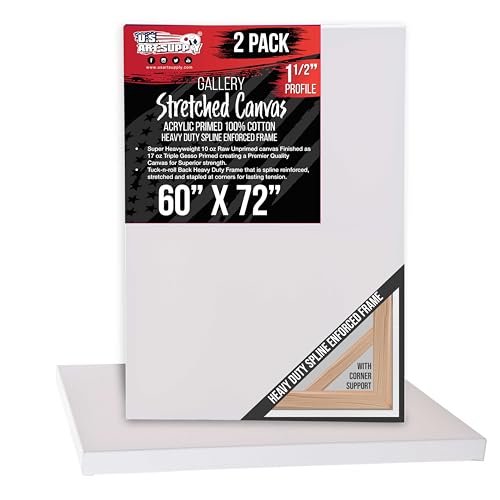
Professional Artist Quality: 1-1/2 inch gallery depth profile canvas with reinforced back spline & deep slanted stretcher bars. 17-ounce heavy-weight triple primed surface is ideal for use with acrylic, oil, watercolor, gouache, tempura, pouring paint, airbrush paint, epoxy resin and other painting media.
Repair Options: Fixing Issues With Canvas Boards and Stretched Canvas
Repairing artwork can be a bit overwhelming, especially when it comes to stretched canvases and canvas boards. Have you ever faced a punctured stretched canvas? Those can be tricky to fix and may need patches or even a complete re-stretch to maintain the surface’s integrity. On the flip side, you’ll find that canvas boards usually offer a much easier route for repairs. Their solid structure means you can tackle surface damage without worrying too much about the overall strength.
For those looking to dive into repairs, Miracle Muck® glue is a solid choice for re-mounting canvas back on panels. It’s a reliable adhesive that ensures your repairs are high quality. Truth is, while stretched canvases can last over 100 years with the right care, you might spot noticeable seam lines after making repairs. That can be a real concern if you’re all about aesthetics. Canvas boards, in contrast, have a lifespan of several decades with just a bit of touch-up and are a practical option if you’re keen on longevity without the headache of complicated fixes. Additionally, using high pigmentation acrylic paints can help mask minor surface imperfections and enhance overall durability during restoration.
Recommended Products
FOR INDUSTRIAL USE ONLY: This product is designed exclusively for industrial applications


PERFECT FOR STICKY SITUATIONS: Arrow Glue Sticks are great for any art, craft, school, or DIY projects that call for working with glue guns; They work great to join materials including wood, ceramics, canvas, fabric, cardboard, plastic, metal, and more
Cost Comparison: Which Canvas Type Is More Affordable?
How do you figure out which canvas type won’t break the bank? Let’s dive into a cost comparison that might just help you save some cash. Canvas panels are usually a lot more budget-friendly compared to stretched canvas, which is a win for artists like us who are always watching our spending. You’ll find canvas panels typically cost between $1 and $3 per square foot, while those high-quality stretched canvases can hit anywhere from $3 to $6. This price difference really comes down to how they’re made, making panels an easy choice if you’re trying to stick to a budget.
Now, if you’re looking to save even more, consider checking out thrift stores for cheap DIY panels or gathering some budget supplies from your favorite local shop. It’s a fun way to get creative without spending much. But, here’s the catch: you need to think about how long those cheaper panels will last. They might not hold up as well over time compared to sturdily made stretched canvases. So, do you lean more toward saving money upfront, or are you willing to invest a bit more for something that lasts? Balancing cost and quality is essential on your art journey. For a more comfortable painting experience, many artists also consider tools with ergonomic design features.
In short, there’s a significant cost difference between canvas types, and it pays to weigh your options carefully. What’s your next project going to be on?
Recommended Products

Smart Grow Tent Kit: A complete plant grow system that includes everything you need for smart, efficient everyday indoor growing; It comes with a grow tent, full-spectrum grow light, ventilation duct fan, smart GrowHub, and essential accessories—all in one to create an ideal growing environment at every stage

[Tri‑Fold Tabletop Display Board]: Three‑panel folding presentation board creates a professional tabletop display for trade shows, exhibitions, meetings, classrooms, and sales presentations.

Professional-grade linen panels: Centurion Deluxe Oil Primed Archival Linen Panel is ideal for serious oil painters, offering a medium texture linen surface that mimics canvases for painting, ensuring optimal results for oil and alkyd paints.
Weight and Portability of Canvas Boards vs. Stretched Canvas
When it comes to weight and portability, canvas boards really stand out as a go-to for artists on the move. They’re much lighter than stretched canvases, which makes them easier to pack up for a trip to the park or wherever inspiration strikes. Plus, their flat design lets you store them without taking up too much space, unlike those bulky stretched canvases that can be a hassle to carry around.
Here’s the trick: while stretched canvases can be rolled up for transport, canvas boards have that rigid form that can be super helpful when you’re in the middle of painting. You get a nice, stable surface that won’t warp on you, which is a plus when you’re in the creative zone. But let’s be real—if you’ve ever tried lugging around a bunch of stretched canvases, you know it can slow you down.
So, why does this matter? Because whether you’re an outdoor painter or just looking to set up quickly, the ease and convenience of canvas boards keep you focused on your art instead of worrying about what you’re carrying. Honestly, if you’re prioritizing portability and ease of use, canvas boards might just be your best bet for your next artistic adventure. Many portable art supplies also come with lightweight designs, making your creative process even smoother when you’re on the go.
Matching Canvas Type to Your Painting Techniques
Choosing the right canvas can feel a bit overwhelming, especially with so many options out there. Are you leaning toward a stretched canvas or a canvas panel for your next project? The truth is, these two types can really affect the outcome of your work, each catering to different styles and techniques.
Let’s dive into it. Stretched canvas is great if you’re into bold strokes and dynamic movements. It has a bit of give, which makes it perfect for larger pieces that demand energy and flow. If you’re planning something big and expressive, this might be the way to go.
On the flip side, if you like to focus on details and fine lines, canvas panels could be your best bet. They’re flatter and more stable, which is ideal for creating those intricate details you want. Plus, they’re durable enough to minimize any cracking in your paint, especially useful if you’re applying thick layers or using the impasto technique—no sagging to worry about here.
So, why does this matter? The choice between these canvases isn’t just about preference; it’s about how they respond to your painting style. When working with softer or wetter techniques, it’s essential to know how much each canvas will absorb paint. Stretched canvas often has a different absorbency compared to canvas panels, which can change how your colors and textures come out.
Additionally, pairing your canvas choice with the right tools, such as ergonomic paintbrushes, can greatly enhance your control and precision in applying paint.
Keep these tips in mind as you choose your canvas. Trying both can give you a better feel for what works best for your art style. Remember, experimenting is part of the fun! Which canvas are you thinking of trying next?
Recommended Products

Premium 100% Linen Material: Constructed from specially processed linen, offering durability and a natural medium tooth texture for optimal paint adhesion

【 Colorful Flower Canvas Mural Size】 The size is 80" x 40". Since each painting is hand-painted, 3D textured canvases, the actual painting may differ slightly from the product image. Due to different monitor brands, the actual wall painting color may be slightly different from the product picture.

Giclee artwork, printed on high quality archival grade canvas
Artist Preferences on Canvas Durability and Style
Choosing between stretched canvases and canvas panels can be a real head-scratcher for artists. It often comes down to what you value more: durability or that specific painting style you love. A lot of folks lean toward stretched canvases because they have this nice springy feel when you’re painting. This bounce can really enhance your technique, plus they bring that classic look to bigger pieces that need to hang in a gallery.
On the flip side, canvas panels are worth considering too. They’re super durable and easy to handle, so they resist warping and other damage that can happen over time. This stability also helps cut down on surface movement, which means less risk of paint cracking. And let’s be honest, that’s something every artist wants to avoid, right?
So, what’s the deal? Many of us end up experimenting with both types of surfaces based on what each project needs. Sometimes a stretched canvas is just the ticket for a big statement piece, but other times, you might want the rugged reliability of a canvas panel. It’s all about finding what works best for you and your art! Choosing your supplies wisely and keeping them organized in multi-compartment designs can further enhance your creative workflow and protect your materials.
Have you tried both? What’s your go-to surface when tackling a new project?
Making an Informed Choice: Key Factors to Consider Before Buying
Making an informed choice about canvas boards or stretched canvas can feel overwhelming, right? Let’s break it down so you can find what works best for your next art project.
First up, think about durability. Canvas panels might be your go-to if you want something that’s less likely to get damaged and is easier to carry around. On the other hand, stretched canvas, when cared for properly, can last more than 100 years! Quality matters here; a good canvas panel can survive for several decades, depending on the materials used.
Stable surfaces are another important factor. Canvas panels hold up better against warping, which is especially a concern for stretched canvases that might sag when the humidity rises. Ever had a canvas droop unexpectedly? It’s not a pleasant surprise.
Now, consider the materials. The truth is, skimping on quality can compromise your artwork’s longevity. Try to avoid really cheap options.
Finally, think about the type of art you’re creating. If you love fluid techniques, stretched canvas will probably serve you well. But if you’re diving into detailed work, canvas boards might be a great fit. It’s all about what best supports your creative vision.
In addition, understanding the priming process can help ensure your chosen surface matches your painting medium perfectly.
To sum it up, choose what aligns with your project’s needs. What kind of artwork do you want to create? That’ll help guide your decision. Happy painting!
Frequently Asked Questions
Is Canvas Board Better Than Stretched Canvas?
Aren’t we all looking for the best way to express our creativity? Canvas boards can be great for portability and precise techniques, but stretched canvases often win with regard to longevity and artist preferences for storage.
What Is the Lifespan of a Stretched Canvas?
Stretched canvases can last over 100 years with proper care. We can enhance their longevity by considering environmental impacts and using preservation techniques, like storing them correctly and protecting against humidity and temperature changes.
What’s the Difference Between a Canvas and a Canvas Board?
Canvas types differ mainly in mounting options and texture differences. Canvas boards provide a flat, lightweight surface, while stretched canvases offer a more dimensional feel, influencing our choice for various art mediums and painting surfaces.
Is Canvas Board Cheaper Than Canvas?
Yes, canvas boards are generally cheaper than stretched canvases, making them a popular choice for budget art. When we consider material costs, artist preferences often lean towards boards for practice and studies, offering great value.


