As an Amazon Associate, we earn from qualifying purchases. Some links on this site are affiliate links at no extra cost to you. Our recommendations are based on thorough research and editorial judgment.

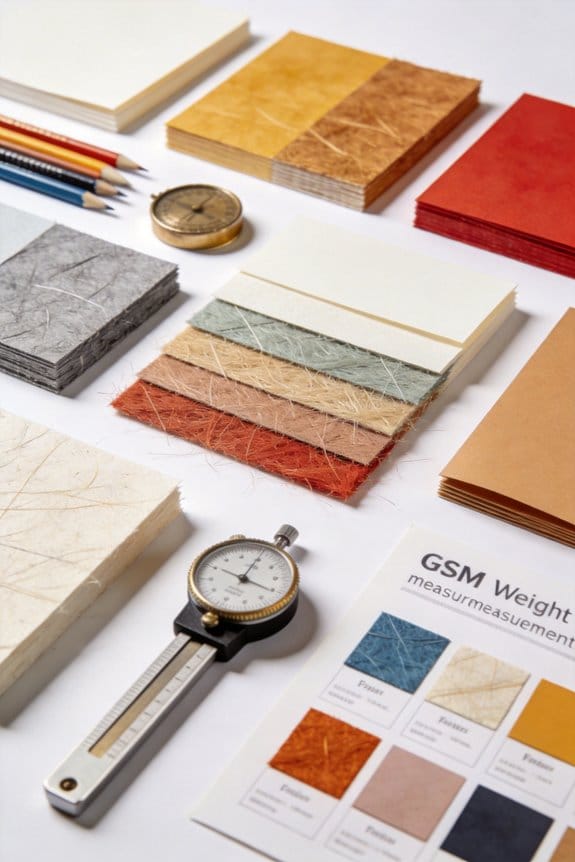
What Does GSM Mean in Paper Weight and Why It Matters

GSM stands for Grams per Square Meter, a measurement that tells us how heavy and thick a paper is. For example, standard copier paper is usually between 70 and 100 GSM, while business cards can range from 200 to 400 GSM. We choose GSM based on our needs; thicker paper feels more professional and durable. It’s essential to pick the right GSM to avoid issues like paper jams in printers. Let’s explore more about GSM for different projects.
Key Takeaways
- GSM stands for Grams per Square Meter, indicating the weight and quality of paper, which impacts print results and usage.
- Higher GSM values signify thicker, heavier paper, enhancing durability and sturdiness for professional materials like business cards.
- Everyday documents typically use lighter papers (70-100 GSM), while business cards prefer 250-350 GSM for a premium feel.
- Printer capability varies; most inkjet printers handle up to 300 GSM, while laser printers can usually manage up to 220 GSM.
- Choosing the correct GSM prevents printing issues such as paper jams and ensures the longevity of printed materials.
Understanding GSM: Why It Matters
You may be interested

Ever stood in front of a stack of paper and wondered what all those numbers on the package really mean? GSM, or Grams per Square Meter, is a key player in understanding paper weight and quality. If you don’t dive into GSM, you might end up with paper that doesn’t meet your needs.
Think about it—higher GSM values often mean thicker and heavier paper. For instance, business cards typically sit at around 250 GSM or more, giving that nice, quality feel you want when networking. In contrast, the standard printer paper you use daily usually ranges from 70 to 100 GSM. It’s decent for printing documents but not exactly what you want for a presentation or something that needs to impress.
When picking paper, make sure you consider the GSM relative to what you’ll be using it for. People often assume that a higher GSM directly correlates with better quality, but that’s not the whole story. What’s functional for one project might not be visually appealing for another.
So, here’s the trick: Don’t just grab the heaviest paper you see. Look at what you need it for—if it’s a simple print job, lighter paper might be just fine, but if you want to make a statement, then go for that higher GSM.
Frankly, the key is balancing functionality and aesthetics to nail your project. Next time you’re sorting through paper options, think about how GSM plays a role in making your choice. What paper will you reach for the next time? Remember that material quality and thickness can also influence your paper choice significantly.
How GSM Relates to Paper Thickness and Weight

Have you ever felt confused by paper thickness? You’re not alone. Understanding GSM (grams per square meter) is crucial for knowing how thick and heavy a piece of paper actually feels. You see, higher GSM values usually mean thicker paper, which is helpful to consider when you’re picking materials for your projects.
Here’s the scoop: standard copier paper typically ranges from 70 to 100 GSM, while business cards often use heavier stocks between 200 and 450 GSM to give a more professional, durable look and feel. But don’t be fooled—higher GSM doesn’t always mean better quality. The type of material used can really impact how thick a paper feels. For instance, a 300 GSM cardstock might feel more substantial than a 350 GSM sheet made from a different kind of paper.
So, why does this matter? It’s about making sure you choose the right paper for your needs. Here’s a tip: when shopping for paper, pay close attention to both the GSM and the type of paper. It’ll make all the difference in achieving the look and feel you want for your project.
Truth is, understanding GSM can save you time, money, and headaches down the line. Get familiar with its impact on the paper you’re using to ensure you achieve the best results. In the end, knowing these details empowers you to make smarter choices. Since paper weight affects medium compatibility, considering GSM can help you pick the best sketch pad for your artistic needs. What’s the next project you’ll be working on with your newfound paper knowledge?
Recommended Products

DURABLE AND WATERPROOF: TerraSlate printer paper 8.5 x 11 white is waterproof and rip-proof. Ideal for high-quality printing that can endure frequent handling and extreme environmental conditions. Perfect for use as printing paper, copier paper, construction paper, photo paper, diving paper, and heavy-duty waterproof paper for bar menus.

THICK, WARM WHITE CARDSTOCK – Accent Opaque cream-colored medium cardstock paper offers a warm shade and super smooth near matte finish It’s premium cardstock paper with excellent printability, proper ink holdout & minimal show-through for vibrant prints

START DESIGNING! – Create your own New Year and Christmas Greeting Cards, Wedding Invitations, Birthday Cards, Thank You Cards and many more! Front and interior of card is fully customizable with text and images or choose to add a background color for the front of the card. Card is available in portrait and landscape.
Choosing the Right GSM for Your Printing Projects
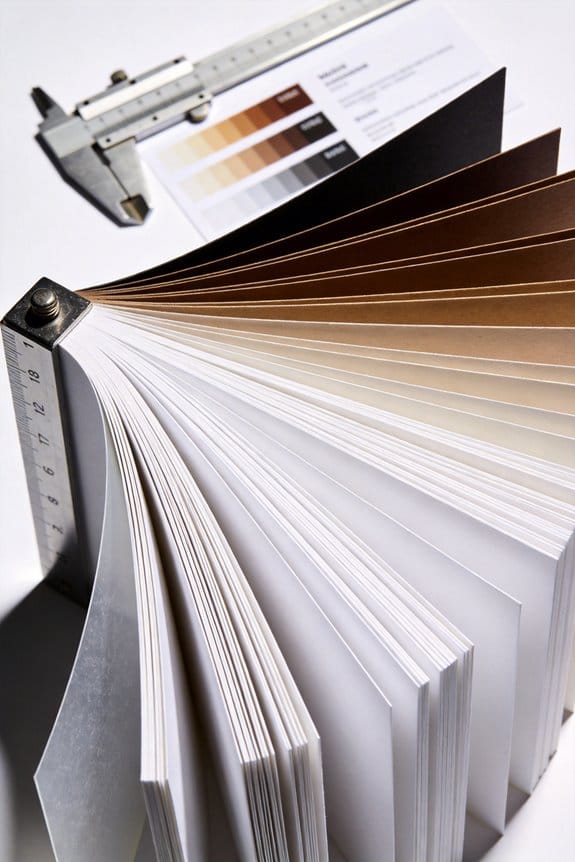
Choosing the right GSM for your printing projects can really impact how your materials look and feel. Have you ever received a flimsy flyer? It just doesn’t leave a good impression, right? The weight of the paper you choose plays a big role in how durable and appealing your prints will be.
For everyday needs, papers in the 70 to 100 GSM range work well. But if you’re creating something like business cards or formal invitations, you’ll want to step it up. Think about using paper that’s between 200 and 350 GSM for a professional touch. Thicker papers not only enhance your design but also ensure that your prints can stand up to the test of time.
Now, consider your printer’s capabilities. Most printers handle up to 300 GSM without any issues. So, when you’re deciding on a GSM, find that sweet spot that balances quality with cost.
When transferring your printed designs to various surfaces, using high-grade graphite paper can help maintain the precision and clarity of your artwork.
To recap, the GSM of your paper can make a noticeable difference in your prints. Are you ready to elevate your printing game with the right choices?
Recommended Products

Color: White | Make your work stand out with premium colorful cardstock.

COLORED COPY PAPER – Springhill 24lb Bond/60lb Text Green Colored Paper is a smooth, consistent sheet with excellent print and runnability. It’s pastel printer paper for everyday projects requiring crisp prints and minimal show-through.

Size: 9 x 12 Booklet Envelopes / 9 in. x 12 in. / 9" x 12" / 229mm x 305mm
Exploring GSM Ranges for Everyday Paper Uses
Choosing the right paper for your projects can really make a difference in how they turn out. Have you ever noticed how the weight and thickness of paper can impact your work? That’s where GSM, or grams per square meter, plays a role. It gives you a clue about what to expect.
For everyday printing tasks, copier paper generally falls between 70 to 100 GSM. This range is just right for all your typical printing needs—nothing fancy, just effective. When it comes to letterheads, they usually sit between 100 to 120 GSM. This weight adds a touch of professionalism to your correspondence, which is often what you want in business settings.
Now, let’s talk about flyers. They work best with a medium weight of around 160 to 200 GSM. This way, they’re easy to hand out while still looking great. And if you’re designing business cards, heavier stock around 350 to 400 GSM is the way to go. Picking this kind of paper gives a strong, positive impression, which helps you stand out.
For artists and designers, heavier paper weights like those found in Strathmore Bristol Paper provide durability and are well-suited for handling various artistic techniques and mediums.
GSM Ranges for Card Applications: 150gsm to 350gsm
Selecting the right paper weight for your card applications can really change the vibe of what you create. Ever handed out a flimsy business card? It doesn’t quite scream professionalism, does it? For business cards, you’ll want to aim for a paper weight between 300gsm and 350gsm. This range gives your cards that solid, durable feel that leaves a lasting impression. A thicker card doesn’t just look good; it stands up better over time too.
Now, if you’re diving into crafting or making stationery, consider card stocks in the 200gsm to 290gsm range. This is where you find a sweet spot between sturdiness and manageability. You’re not just looking for something that feels good; you want it to perform well, too.
Wondering about lighter applications like posters or brochures? You can go with something in the 150gsm to 200gsm range. These weights are perfect for prints that need to be somewhat durable yet still easy to handle and distribute.
So, why does this matter? The GSM affects how your card feels, looks, and holds up. Higher GSM usually means better quality and better results, so pick wisely!
To wrap it up, remember that the right GSM can elevate your card’s appeal. What’s your experience with different weights? Have you noticed a difference in how people respond? Additionally, just as selecting the right GSM is crucial for paper, choosing silicone with an appropriate hardness level impacts the performance and durability of molds in crafting.
Recommended Products

THICK, WHITE CARDSTOCK PAPER – Accent Opaque heavy cardstock paper offers a high bright-white shade and super smooth near matte finish; it’s premium cardstock paper with excellent printability, proper ink holdout & minimal show-through for vibrant prints
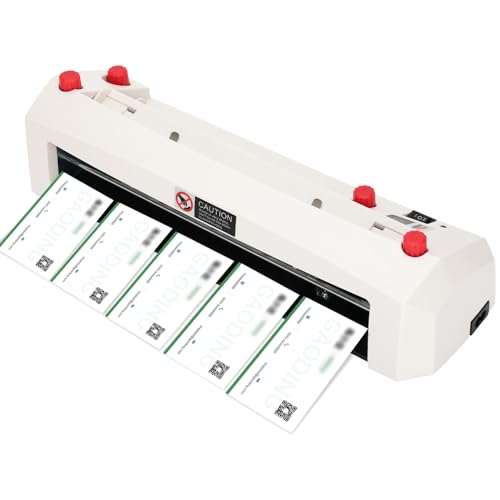
[Precision Cutting] The electric business card cutter features a high-precision nine-blade system. It processes 212×297mm A4 paper into 10 standard business cards measuring 89×51mm (3.5"x2") in just 3 cuts, delivering perfectly straight and clean edges. Capable of cutting non-laminated coated cardstock up to 300gsm (0.4mm thickness), it meets the demanding cutting requirements for premium business cards, membership cards, and labels
How GSM Influences Print Quality and Printer Compatibility
So, ever tried printing on different types of paper and ended up with a smudged mess? If you have, you’re not alone. GSM, which stands for grams per square meter, is a big deal when it comes to print quality. The weight of the paper affects not just its feel but also how well your printer can handle it, and that’s something to be aware of before you hit that print button.
Higher GSM paper often feels sturdier, and that can lead to better print quality. But here’s the trick: just because a paper has a high GSM doesn’t automatically mean it’ll give you top-notch results. You see, not all printers can handle every paper thickness out there. Most inkjet printers tend to support paper up to 300 GSM, while laser printers usually cap out at about 220 GSM.
To avoid frustrating jams and malfunctions, it’s smart to stick with lower GSM papers for everyday printing. Do you really want to wrestle with paper jams just to print a flyer? Plus, using higher GSM papers can come with its own challenges. They might require special inks, and longer drying times can throw a wrench in your plans if you’re in a hurry.
Check your printer’s specs to figure out its maximum GSM, so you can avoid compatibility issues and get the most out of your paper selection. Honestly, knowing this can save you a lot of headaches and help you achieve better results.
In a nutshell, pay attention to the GSM of your paper if you want to keep your printing smooth and hassle-free. Also, just like choosing the right canvas weight is essential for painting projects, selecting the proper paper GSM ensures optimal performance in printing. Are you ready to check your printer’s limits and step up your printing game?
How GSM Affects Choices in Paper Products
Have you ever picked up a piece of paper and wondered why some feel so much heavier or lighter than others? Understanding GSM, or Grams per Square Meter, is a big part of making smart choices about paper products. It’s all about how paper weight can influence your project.
When you’re dealing with lighter papers—think around 70-90 GSM—they’re great for everyday internal documents that don’t need to impress. But if you’re working on something like brochures, you might want to bump it up to the 200-300 GSM range for that sturdiness that screams quality. Ever tried handing out business cards made of flimsy paper? It’s not a good look. Generally, a thickness of 350-400 GSM works best for cards; that’s where they start to feel professional, giving your brand an edge.
Now, paper type matters too, especially when you think about how it affects print quality and handling. Using a flimsy paper for a greeting card can really cheapen the vibe. On the flip side, using something too thick might make it challenging to shuffle through your stack of invites or even ramp up shipping costs. So, why does understanding GSM matter? Simply put, it helps you pick the right paper for each project, making everything feel that much more polished and effective. For projects involving artwork and photography, selecting an appropriate paper weight also ensures better stability and preservation of the final product.
Recommended Products

Color laserjet brochure paper with glossy finish.


PERFECT FOR COLOR PRINTING - High quality White 32lb Bond / 80lb Text Paper (120gsm) with a Glossy surface and 96 brightness. Excellent for flyers, brochures, design proposals, full color photographs, posters and presentations.
Consequences of Using Incorrect GSM for Printing Projects?
Have you ever faced a printing headache? Choosing the wrong GSM for your projects can definitely lead to some frustrating moments. For example, if you opt for paper that’s too thick for your printer, you’re looking at potential paper jams. Inkjet printers often handle up to 300 GSM, but most laser printers struggle past 220 GSM. Ignoring these limits can mean issues like uneven ink distribution or downright poor print quality.
High GSM paper can also be a bit too stiff. This can make it hard to fold or cut neatly, which is a real bummer if you’re working on brochures or anything similar. So, why does this matter? Knowing your printer’s GSM capabilities can save you from those annoying mishaps. It helps ensure your prints not only look good but also last!
Here’s the trick: always check your printer’s specifications before selecting a paper weight. It guarantees that your project stays professional and polished. Remember, paying attention to paper weight can really make or break your printing success. Additionally, preparing your materials properly, such as ensuring a clean and dry surface before application, is crucial for achieving the best possible results with surface preparation techniques. Do you think you’ll keep this in mind for your next project?
Best GSM for Business Cards and Invitations
When you’re diving into the world of business cards and invitations, figuring out the right GSM can feel a bit overwhelming. After all, you want your cards to leave a lasting impression. The thickness of the paper can make a significant difference in how professional your business card comes across. For business cards, aim for a GSM of 350 to 400. This weight provides just the right amount of stiffness, ensuring they don’t bend easily while you’re networking.
Thinking about invitations? A GSM of around 300 strikes that perfect balance between style and sturdiness. It gives them a polished look that feels elegant yet won’t fall apart in your guests’ hands. Papers in the 300 to 350 GSM range are often laminated too, which adds an extra layer of protection against wear and tear.
But what about more casual invites? You can get away with using 250 GSM without it compromising your event’s vibe. Still, for those important occasions, like weddings or big milestone celebrations, opting for a heavier weight really conveys that sense of importance.
So, why does this matter? If you don’t choose the right GSM, you risk your cards and invitations bending or tearing, which is the last thing you want when making first impressions. The right paper weight not only enhances the look and feel but also boosts durability. Think about what message you want to send and choose accordingly.
In short, weighing your GSM choices wisely can lead to cards and invites that truly reflect the significance of your events. Have you thought about how your paper choice might influence your guests’ perception? Just like selecting the correct canvas weight for art projects, choosing the right GSM ensures your materials perform as intended.
Recommended Products

Plenty Rigid Photo Mailers: package come with 450 pieces of 6 x 8 inch self adhesive photo document mailers, enough quantity for your daily use, which is sufficient enough to ensure you always have one on hand when you needed

Personalized Postcards - Make a statement with our custom postcards! Click the "Customize Now" link to upload your own design or photo and create a one-of-a-kind postcard that reflects your personality.

Personalized Customization: Upload your picture and add your message to create personalized postcards for business promotion cards, birthday cards, and invitation cards
Frequently Asked Questions
Which Is Better, 75 GSM or 80 GSM?
When we’re hunting for the perfect paper, we might say 80 GSM’s sturdiness triumphs over 75. It offers better durability factors, printing clarity, and texture differences—though 75’s cost efficiency shines for bulk printing and environmental impact considerations.
Which Is Better, 200 GSM or 300 GSM?
We believe 300 GSM’s durability and professional quality make it ideal for impactful designs, while 200 GSM’s cost-effectiveness suits lighter applications. It ultimately depends on consumer preferences and specific printing needs for any project.
Which Is Better, 120 GSM or 200 GSM?
We think 200 GSM’s durability and premium feel outshine 120 GSM for high-quality projects. However, if cost’s a concern and flexible use cases matter, 120 GSM offers balanced print quality and economic benefits.
Which Is Better, 80 GSM or 70 GSM?
We believe 80 GSM is better than 70 GSM for print quality and paper durability. While cost comparisons are important, thicker paper generally offers improved printing methods and customer preference, along with a better environmental impact.


