As an Amazon Associate, we earn from qualifying purchases. Some links on this site are affiliate links at no extra cost to you. Our recommendations are based on thorough research and editorial judgment.

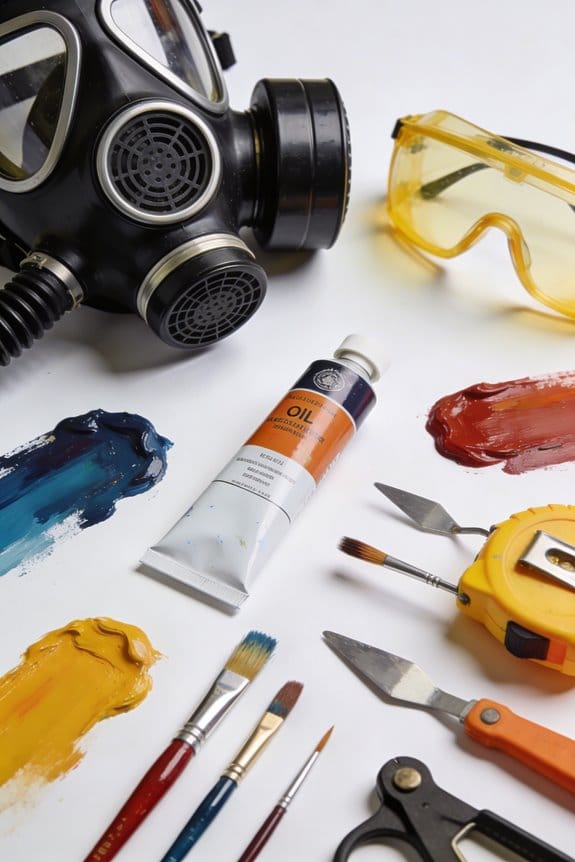
Proper Ventilation: Setting Up a Safe Oil Painting Studio

To set up a safe oil painting studio, we need proper ventilation for fresh air circulation. Using window fans and exhaust systems helps remove harmful fumes from solvents, preferably achieving airflow rates of at least 100 CFM. Incorporating air purifiers like Sentry Air can capture VOCs effectively. It’s also crucial to maintain ventilation systems regularly for peak performance. By considering specific airflow techniques, we can guarantee a healthier workspace. Let’s explore more options for effective studio setups.
Key Takeaways
- Ensure proper ventilation by installing exhaust fans to effectively remove harmful fumes and maintain negative pressure in the studio.
- Use air purifiers specifically designed to capture VOCs and solvents, matching their clean air delivery rate to your studio size.
- Implement window fans and local exhaust ventilation systems to enhance airflow in smaller studio spaces.
- Regularly maintain air purification equipment and test ventilation effectiveness using incense to confirm fresh air intake.
- Choose non-toxic paints and materials to minimize harmful emissions and improve overall air quality in your studio.
Understanding the Importance of Ventilation in Your Art Studio
You may be interested


Have you ever walked into a studio and felt light-headed or a little queasy? You’re not alone. Proper ventilation in our art studio is crucial for keeping us safe and healthy. It’s all about reducing exposure to nasty fumes and airborne particles that can come from oil paints and solvents. When ventilation is lacking, symptoms like coughing or headaches can creep in, and over time, they could lead to serious health issues.
So, how can you ensure your workspace is safe? Start by setting up a good ventilation system. Local exhaust is a great way to whisk away toxic air before it can bother you. On top of that, embracing dilution ventilation can really make a difference. This approach ensures fresh air moves in behind you while you’re painting.
Another tip: Regularly check how well your ventilation is working. Incense checks are a simple way to monitor if air is being properly exchanged and whether those harmful fumes are being sent outside.
Frankly, creating a safe studio isn’t just about health—it also makes for a better creative experience. When you breathe easy, your mind can flow more freely. Remember, keeping the air fresh and clean means you can focus on what you love: creating your art. So, what steps will you take to improve ventilation in your studio?
Additionally, choosing odorless oil paint thinners can significantly reduce harmful fume inhalation, enhancing indoor air quality.
Finding the Best Airflow Solutions for Your Small Studio
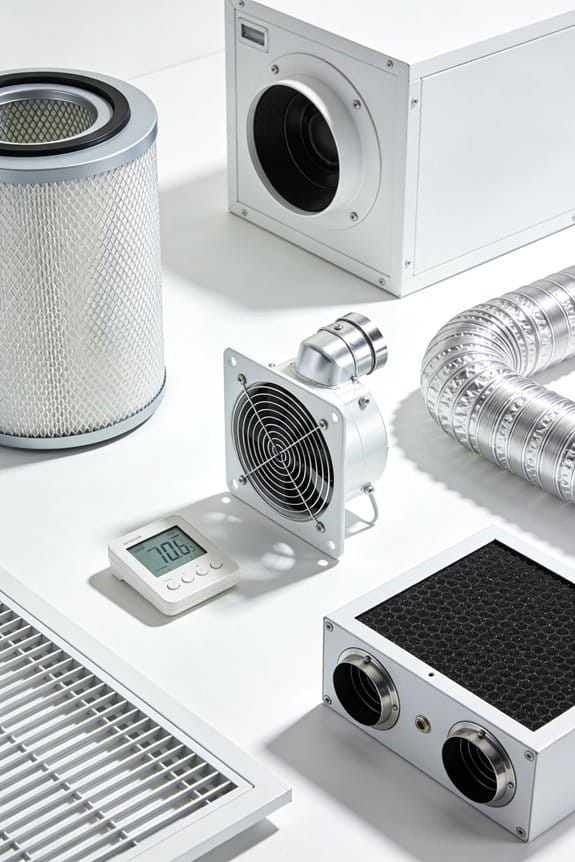
Are you struggling with airflow in your small art studio? If you’re working in a space like a converted garage, getting fresh air circulating is crucial. A combination of window fans and tabletop air purifiers can really make a difference in your comfort and safety.
Let’s say you have a studio that’s about 16 by 20 feet. It’s vital to ensure proper air exchange to keep things cozy. Installing exhaust fans in smart spots helps capture fumes right where they happen, boosting circulation throughout the room. Honestly, it’s worth considering reaching out to HVAC professionals. They can set up ductwork or recommend air exchange units that are designed just for small spaces like yours.
A little maintenance goes a long way too. Regularly checking on your ventilation system and keeping your workspace clean helps cut down on airborne toxins. You want an environment that supports your creativity, right? So, how do you keep your studio feeling fresh and safe? It all comes down to smart airflow solutions.
Using portable air purifiers can significantly improve air quality in small, enclosed spaces, reducing harmful fumes effectively.
In the end, it’s about finding what works for your studio’s unique layout. Are you ready to take steps toward a more breathable space?
Tips for Choosing the Right Air Purification Equipment
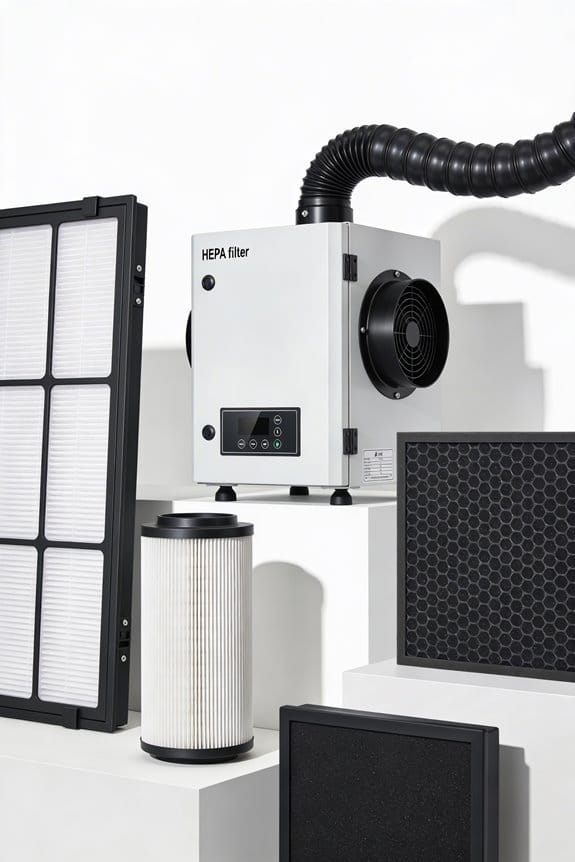
Choosing the right air purification equipment can feel a bit overwhelming, especially in an oil painting studio where you’re dealing with some serious fumes. You’re going to want to find a model that’s made to capture volatile organic compounds (VOCs) and those pesky solvents that can fill the air with harmful stuff.
Consider the Sentry Air tabletop filter—it’s effective and super easy to set up, making it a perfect fit for smaller spaces. But if you’re working in a larger studio, the AllerAir 5000 VOCarb is a great choice. It features activated carbon filters, which do an excellent job at absorbing various chemical vapors.
When picking out an air purifier, pay close attention to the clean air delivery rate (CADR). You want it to match your studio’s size. For instance, if you’re working in a 16 x 20-foot space, aim for a CADR of at least 200 cubic feet per minute. Not sure why this is important? The right CADR helps you breathe easier and keeps your studio air fresh.
Regular maintenance is a must to ensure your air quality stays in check. Honestly, nobody wants to be sniffing in paint fumes while they’re trying to create. Keeping your air purifier in good shape isn’t just about performance; it’s about your health and creativity.
Additionally, using low-odor and non-toxic mediums in your painting process can further improve indoor air quality and reduce harmful exposure.
Essential Ventilation Techniques for Oil Painting Safety
When you’re diving into oil painting, have you ever thought about how important good ventilation is? It’s not just a comfort thing—it’s essential for keeping yourself safe. Local exhaust ventilation systems are a must-have for any artist using materials like turpentine, as they suck up harmful fumes right at the source.
Keeping negative pressure in your workspace is crucial. This means drawing in fresh air while pushing out pollutants, which prevents them from hanging around in your studio. You should aim for airflow rates of at least 100 feet per minute (CFM). That might sound technical, but it’s pretty straightforward!
Also, consider adding specialized air filters, like the Sentry Air tabletop filters, to your setup. These can trap those sneaky toxins that linger even after you think you’re done painting. To make sure everything’s working as it should, give your ventilation a check-up now and then. Use incense or smoke to see if it gets pulled to the exhaust. It’s a simple way to confirm your studio is still a safe place to create.
Additionally, selecting non-toxic acrylic pouring mediums can reduce hazardous emissions when working with alternative paint types.
How to Maintain and Test Your Ventilation System for Optimal Performance
Maintaining and testing your ventilation system is crucial for keeping your oil painting studio safe and efficient. Have you ever thought about how important clean air is while you’re being creative? One way to check if your ventilation is working properly is to do periodic incense tests. This simple trick lets you see if the smoke is being captured and directed outside by your ventilation hood.
It’s also vital to keep negative pressure in the studio. When you close the door and light that incense, it helps you confirm that fresh air is being drawn in from the rest of your living space. The last thing you want is to breathe in paint fumes or other contaminants while you’re working on your masterpiece.
You should regularly check your duct systems, too. Make sure they connect properly to air cleaners that filter out pollutants. Remember, clean air is what keeps you focused and healthy in your creative space!
And here’s an important tip: make sure exhaust air isn’t being recirculated back into the studio. You want to avoid letting any harmful fumes build up around you while you create. It’s all about ensuring that your workspace stays as safe as possible.
Using primers like non-toxic acrylic gesso can also reduce hazardous airborne particles during your preparation processes.
Top Brands for Artist Air Purification Equipment
Choosing the right air purification equipment for your oil painting studio can feel overwhelming. You might be wondering how to effectively filter out those harmful fumes and particulates while working on your masterpiece. Sentry Air Systems offers some solid options here, especially their tabletop filters. These are designed for small spaces and have high airflow rates measured in cubic feet per minute (CFM), making sure you get the ventilation you need. It’s really important for keeping your creative area safe.
If you’re also concerned about volatile organic compounds (VOCs), the AllerAir 5000 VOCarb air cleaner is worth considering. It incorporates a dual-stage filtration process that specifically targets VOCs, which are often present in oil painting materials. That’s a pretty crucial detail for maintaining a healthy workspace. Did you know that adequate air changes per hour (ACH) are key to ensuring safety in any creative environment? It definitely makes a difference.
On top of these brands, Madison Art Shop offers a range of purifiers designed for artistic settings. These models focus on enhancing filtration for solvents and paint fumes. The best part is they bring an extra layer of peace of mind while you paint. Additionally, using non-toxic mediums in your art can further improve studio air quality by reducing harmful emissions.
Frequently Asked Questions
What Is the Proper Way to Ventilate an Oil Painting Studio?
To properly ventilate our oil painting studio, we should prioritize fume extraction systems, use local exhaust, guarantee fresh air flow toward us, and periodically test the air quality for a safer creative environment.
What Is the 80/20 Rule in Painting?
The 80/20 rule in painting emphasizes that 80% of a painting’s impact comes from 20% of our efforts, urging us to focus on essential elements, like color mixing, to create stunning results with efficiency.
How Much Ventilation Do You Need to Oil Paint?
We need at least 4 to 6 air changes per hour for effective airflow management when oil painting. It helps dilute harmful fumes, ensuring a safer and healthier environment for our creative process.
What Is the Best Option for Proper Ventilation in the Art Classroom?
For proper ventilation in our art classroom, we should install local exhaust systems near our art supplies. Additionally, keeping windows open and using fans helps, but regular maintenance is key for maximum safety and effectiveness.


