As an Amazon Associate, we earn from qualifying purchases. Some links on this site are affiliate links at no extra cost to you. Our recommendations are based on thorough research and editorial judgment.


Liquin vs. Linseed Oil: Choosing an Oil Medium

When choosing between Liquin and linseed oil for oil painting, we should consider key differences. Liquin dries up to 50% faster, making it great for quick layering. It retains color vibrancy and prevents yellowing. Linseed oil, on the other hand, provides longer blending time but may yellow over time. Mixing Liquin in small amounts (1/3 or less) enhances texture, while linseed oil typically mixes at a 2-to-1 or 3-to-1 ratio with thinner. Let’s explore further to find what suits our style best.
Key Takeaways
- Liquin offers faster drying times, making it suitable for artists needing quick layer reworking.
- Linseed oil allows for extended blending time, ideal for techniques like glazing and fine detail work.
- The choice can depend on artistic style: contemporary artists often prefer Liquin, while traditionalists lean towards linseed oil.
- Use Liquin sparingly (1/3 or less) to avoid texture issues; linseed oil typically requires a higher oil to solvent ratio.
- Consider long-term effects; linseed oil may yellow over time, whereas Liquin retains color integrity.
Comparing Liquin and Linseed Oil: Which Medium Is Right for You?
You may be interested


When thinking about using Liquin or linseed oil for your oil painting, you’ve probably noticed they’re pretty different. Liquin is an alkyd medium that dries super fast, cutting your waiting time by up to 50%. If you’re the kind of artist who makes quick changes, this could be a lifesaver. In contrast, linseed oil dries more slowly through oxidation. While it adds a classic touch and durability, be aware that it can yellow as it ages and might crack if you lay it on too thick.
The way you mix these mediums also varies quite a bit. For Liquin, you can mix in 1/3 or less of it with your paint, which gives you more leeway during your creative process. On the flip side, linseed oil is often thinned at a common ratio of 3 parts oil to 1 part solvent. So, what does this mean for you? Simply put, your choice between them should reflect your artistic style and working pace.
Do you prefer a medium that lets you work quickly, or one that aligns with traditional painting methods? Honestly, both Liquin and linseed oil serve different purposes, catering to various artist preferences. If you want to enhance flexibility in your process, Liquin might be your best bet. If you aim for that classic oil painting feel, linseed oil might tick all the boxes. Additionally, consider using 100% cotton canvases, which can help maintain your artwork’s vibrancy and longevity regardless of the medium chosen.
Recommended Products

Fluid in nature

Halves the drying time of conventional oil color (touch dry in 1-6 days depending on color & film thickness)

A thin, clear and non-yellowish varnish
How Do Liquin and Linseed Oil Differ?
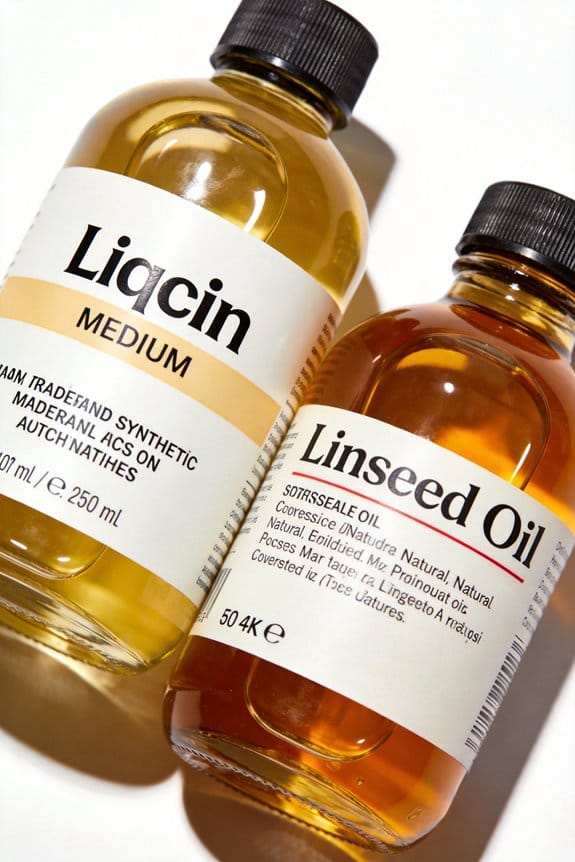
Ever get frustrated with how long it takes for your oil paints to dry? You’re not alone! Liquin and linseed oil both act as painting mediums, but they each bring something unique to the table.
Liquin is an alkyd medium, which means it dries a lot faster—sometimes up to 50% quicker than traditional linseed oil. That’s a pretty big deal when you want to layer your paints without waiting around for ages. On the flip side, linseed oil dries through a slower oxidation process, which can lead to the dreaded yellowing and cracking over time. Nobody wants that kind of surprise, right?
When you’re mixing your paint, you can add Liquin in small amounts—about one-third or less works well. It’s versatile and doesn’t require much thinning. Linseed oil, on the other hand, usually needs a good bit more; think about a 2-to-1 or even 3-to-1 ratio with thinner. So, if you’re looking for a quicker drying time and clearer colors, Liquin might be your best bet.
Here’s the trick: Liquin keeps those lighter colors bright and vibrant. With linseed oil, you might notice some changes in your color over time. That’s something to consider if you’re after those true-to-life shades in your artwork.
You’ll want to adjust your painting techniques depending on which medium you choose. Fast-drying options like Liquin even allow for quick layering of artwork, which can be a huge time saver. So, what will it be for your next project? Faster drying with Liquin or the traditional method with linseed oil? It’s all about what works best for you!
Recommended Products

Conforms to ASTM D-4236

Size: 2.0 x 3.1 x 5.7 inches (5 x 8

FLUID VISCOSITY - . Basics Acrylic Fluid Color is ultra smooth, super blendable and filled with fine art pigments.
Benefits of Liquin for Oil Painting
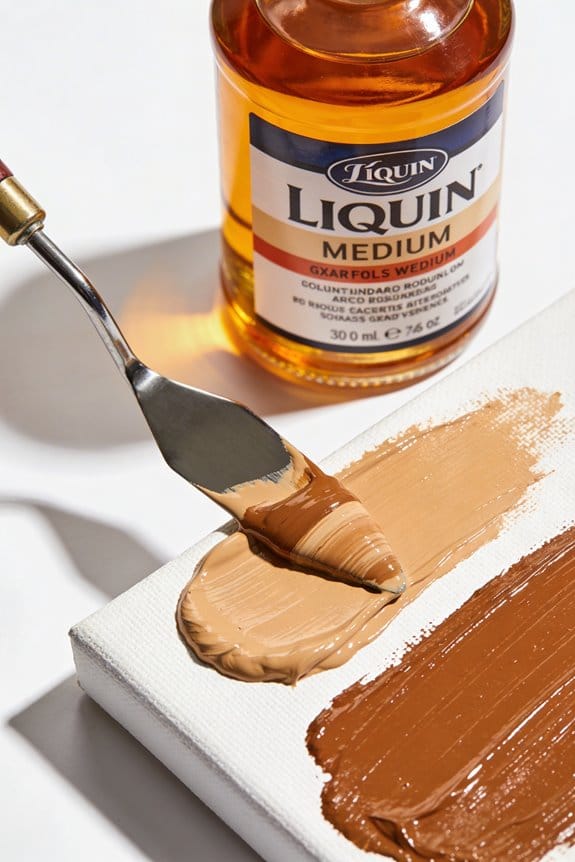
Are you tired of waiting around for your oil paintings to dry? If so, Liquin might just be the medium you need in your arsenal. This alkyd medium can cut drying time by up to 50%, which means you can rework those layers much faster. Imagine being able to add details without the long wait!
One of the first things you’ll notice is the glossy finish it provides. Colors pop like never before, and you won’t have to worry about any changes to their original hues. It’s also worth mentioning that Liquin doesn’t yellow over time, so those lighter shades in your work will maintain their freshness. So, why does this matter? Well, preserving the integrity of your colors can be crucial, especially if you’re aiming for a certain look.
The gel-like consistency of Liquin improves paint flow, making it easier to achieve the textures and details you want. Try mixing it in small amounts—about a third or less—with your oil paints for the best results. This is especially helpful for techniques such as impasto and glazing, where you want to build up layers and textures.
Truth is, using Liquin can elevate your painting experience. If you’ve been looking for a way to streamline your process while keeping your colors vibrant, this medium may be the answer. Organizing your workspace with a paint organizer rack can further improve your efficiency and access to supplies while using Liquin.
Recommended Products

Contents: 1 each of the following Winton Oil Colour 37ml tubes: Titanium White, Cadmium Lemon Hue, Cadmium Yellow Hue, Vermilion Hue, Dioxazine Purple, French Ultramarine, Viridian Hue, Burnt Umber

A fluid medium incorporating an acrylic polymer with high resin solids
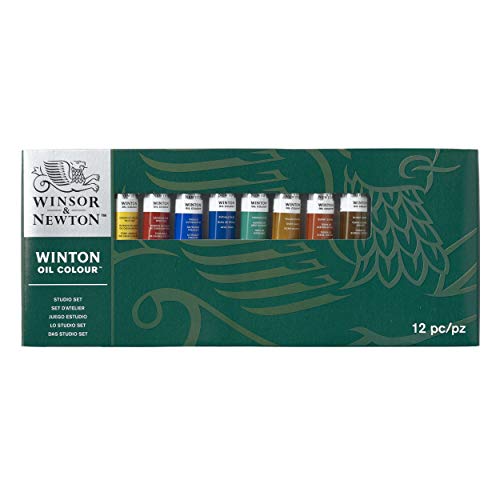
An ideal gift for the beginner artist
Benefits of Linseed Oil for Oil Painting
Have you ever noticed how some oil paintings seem to fade or crack over time while others look vibrant for decades? Linseed oil plays a huge role in keeping those colors vibrant and ensuring your artwork lasts. It’s well-known for its strong binding properties, making it a great choice for painters who want their work to stand up to the test of time.
One of the neat things about linseed oil is that it dries through oxidation. This gives you a longer working time to blend colors just how you want them. If you’re into traditional techniques, cold-pressed linseed oil might just be your new best friend. It dries more slowly and adds a gorgeous glossy finish to your paintings, plus it helps improve the flow of your paint.
Here’s the trick: when you’re mixing your painting medium, aim for about three parts oil to one part solvent for those initial layers. This balance not only promotes good adhesion but also helps reduce the risk of cracking that can happen with layers over time.
But let’s keep it real. One downside to linseed oil is that it can yellow as it ages, which isn’t great if you’re aiming for bright whites and vibrant colors. So, why does this matter? If you decide to use linseed oil, make sure to keep your painting techniques in mind to get the best results.
Additionally, selecting linseed oils with high purity quality can greatly enhance your painting’s finish and longevity.
Recommended Products

This beautiful, luxurious Old Holland Master's Oil Color Set is packed full of everything you need but Canvas to start Painting from the moment you open it. HoUsed in a huge Italian Mabef Deluxe Wooden Sketch Box, in this set Includes a Wooden palette, mediums, brushes, palette knives, palette cups, sketching Materials, and an astonishing selection of thirty-four 40ml tubes of Old Holland Classic Oil Colors!
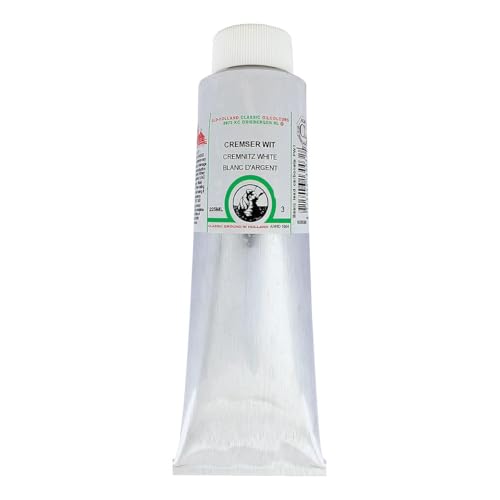
Old Holland Classic Oil Color - Cremnitz White, 225 ml tube

Considerations for Choosing a Painting Medium Based on Style
How do you find the right painting medium that complements your unique style? If you’re diving into oil painting, think about how you like to paint and how fast you want your layers to dry.
For artists who enjoy quick applications, Liquin might just be your best friend. It dries faster, and you can mix it with paint in a 1/3 ratio for all layers. But if you tend to take your time with blending and detailed glazing, linseed oil could be more your speed. It allows for that extended blending time, but keep in mind that it has the potential to yellow over time, especially with lighter colors.
So, why does this matter? Contemporary artists often lean towards Liquin for its convenience, while traditionalists appreciate the rich texture that linseed oil brings to their work. Each has its perks based on what you’re trying to achieve.
Don’t forget to consider how much time you want to spend on each piece! With the right medium, you can really enhance your artistic vision and technique. Mediums like Winsor & Newton Liquin increase fluidity and speed up drying, making them ideal for layering techniques.
What’s your go-to medium, and how does it reflect your style?
How to Mix and Use Each Medium Effectively
Have you ever felt frustrated when your paint doesn’t blend or apply the way you want? Mixing oil mediums can really make a difference, and I’m here to share some straightforward tips to help your paintings shine.
When it comes to Liquin, a good rule of thumb is to mix it in small amounts—about a third or less with your oil paint. This keeps the paint’s integrity, especially in those early layers. And if you’re reaching for linseed oil, many artists find that a mixing ratio of 3 parts oil to 1 part solvent works well to thin the paint for smoother application. So, why does this matter? It’s all about achieving that buttery texture that makes the painting process enjoyable.
Remember, Liquin dries faster than linseed oil, which can be a lifesaver for quick touch-ups. The best part is, if you want to ensure your mix is consistent, try using equal parts linseed oil and odorless mineral spirits. This combination can help with uniformity throughout your piece.
Don’t forget about the fat-over-lean principle, either. Following this helps prevent cracks and ensures the stability of your artwork in the long run.
Recommended Products


Enhance Oil Paint Flow: Our oil paint medium is crafted with refined linseed oil, enhancing flow and translucency of oils; This solvent-free, pure oil is ideal for creating custom painting mediums
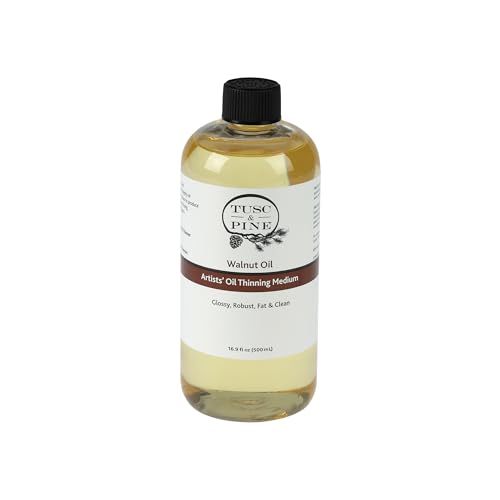
Enhance Oil Paint Flow: Our oil paint medium is crafted with walnut oil, enhancing flow and translucency of oils; This solvent-free, pure oil is ideal for creating custom painting mediums
What Concerns Should You Have About Liquin and Linseed Oil?
Have you ever struggled with the right mediums for your oil painting? Choosing between Liquin and linseed oil can be confusing, especially when you consider the effects they have on your work. It’s not just about what looks good; it’s also about the practical side of things.
When it comes to drying time, there are big differences. Liquin really speeds things up, which can be a lifesaver if you’re eager to finish a piece. On the flip side, linseed oil dries much more slowly. While that’s great for blending colors, it comes with the risk of yellowing over time. So, why does this matter? If you plan to layer your paints, you’ll want to keep the fat over lean principle in mind. Too much fat like linseed oil on top of lean layers could lead to cracking down the line.
Another thing to think about with Liquin is texture. If you overdo it, you might end up with a gloopy mess. A good rule of thumb is to mix no more than one-third Liquin into your paint. This balance helps maintain a better consistency. And don’t forget, when you’re working with linseed oil, it’s crucial to thin it with a solvent for a smoother application.
Ultimately, both mediums have their perks and pitfalls. They each come with unique challenges, so take the time to consider what suits your needs best. Want to create beautiful layers without future regrets? Keep these tips in mind as you mix and paint! What will you try in your next piece? Many artists find that using high-quality oil paint tubes significantly enhances the final appearance and longevity of their work.
Best Practices for Using Liquin and Linseed Oil
Are you struggling to get your oil paintings just right? It happens to the best of us, but there are some handy tips for using Liquin and linseed oil that can really make a difference.
When working with Liquin, a little goes a long way. Mix it sparingly—with about one-third or less of your paint. This speed up your drying time by nearly 50%, which is especially helpful on those days when you’re eager to keep the creativity flowing. It can be a game-changer for those layers that just seem to take forever to dry.
Now, about linseed oil: it’s a great medium, but remember to thin it with a solvent. A ratio of 3-1 or 2-1 works well for proper application. Why does this matter? Thinning helps you get that smooth finish without the fuss. And don’t forget: stick to the fat over lean principle! Always apply leaner layers first before moving on to thicker ones. This can help prevent cracking later on.
Also, patience is key here. Make sure each layer is completely dry before adding another one, no matter what medium you’re using. It’s worth it to keep your artwork looking stunning over the years!
Using the right mediums can significantly affect drying time and finish, so consider incorporating effect mediums into your process to optimize results.
To wrap it up, following these practices with Liquin and linseed oil will help you elevate your oil paintings. Have you tried these methods before?
Frequently Asked Questions
Is Liquin Better Than Linseed?
We think Liquin’s advantages, like faster drying and minimal yellowing, make it a better choice for many artists. Linseed’s disadvantages, including longer drying times and yellowing, can complicate application methods, so we prefer Liquin.
Is Linseed Oil a Good Medium for Oil Painting?
Oh, absolutely! Linseed oil’s slow drying time and potential yellowing are just delightful. Yet, its benefits, like durability and enhanced flow, can’t be ignored. Of course, there are plenty of linseed oil alternatives for quicker results!
Can You Use Liquin and Linseed Oil Together?
Yes, we can use Liquin and linseed oil together. By combining mediums skillfully, we can achieve unique texture effects while managing drying times, but let’s remember to maintain consistency and adhere to the fat over lean principle.
Is Drying Linseed Oil the Same as Liquin?
Aren’t we all curious about our mediums? Drying linseed oil differs considerably from Liquin; their drying processes and properties impact our painting techniques. Understanding these differences helps us choose the right medium for our artwork.


