As an Amazon Associate, we earn from qualifying purchases. Some links on this site are affiliate links at no extra cost to you. Our recommendations are based on thorough research and editorial judgment.


The Anatomy of an Artist’s Brush: Ferrule, Crimp, and Belly

The anatomy of an artist’s brush consists of essential parts: the ferrule, crimp, and belly. The ferrule is the metal piece that secures the bristles and affects paint loading. A well-crimped ferrule prevents bristle shedding, ensuring stability and durability. The belly of the brush, its middle section, holds paint and water, impacting how we apply color. Choosing the right combination of these components improves our painting techniques. Let’s explore how these features can enhance our art experience.
Key Takeaways
- The ferrule securely holds the bristles and influences brush stability, typically made of materials like brass or nickel-plated steel.
- The crimping process connects the ferrule to the bristles, enhancing stability and preventing bristle loosening during use.
- The belly size of the brush affects its paint and water retention, influencing stroke length and painting technique.
- Well-constructed ferrules prevent bristle shedding and enhance overall durability, contributing to the brush’s effectiveness over time.
- Proper alignment of bristles, aided by crimping, ensures clean lines and precise application in detailed artwork.
The Essential Roles of Bristles, Ferrule, and Handle
You may be interested
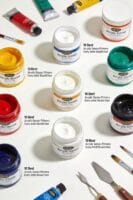
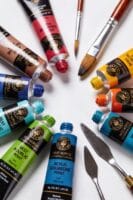

When choosing an artist’s brush, have you ever wondered why the bristles, ferrule, and handle matter so much? Each part plays a crucial role in your painting experience.
Let’s start with bristles. They’re the workhorses of your brush, responsible for how paint goes on the canvas. You’ve got options: stiff hog bristles are great for thick paints, while soft synthetic bristles are perfect for those intricate details. The choice you make depends on what you’re tackling in your project.
Now, let’s chat about the ferrule. This small but mighty piece holds the bristles firmly in place, typically crafted from tough nickel-plated steel. This setup not only keeps your bristles in shape but also ensures they perform well throughout your painting.
And don’t underestimate the handle! Often made from ergonomic wood, they’re designed for comfort. Trust me, if you’re painting for hours, a good grip makes a huge difference.
An ergonomic handle design reduces hand fatigue, making lengthy painting sessions more enjoyable and precise.
So, why does all of this matter? Picking the right combination of bristles, ferrule, and handle can significantly impact your artwork. The best part is, when you get it right, not only will your brush strokes look better, but you’ll also enjoy painting a whole lot more.
Recommended Products
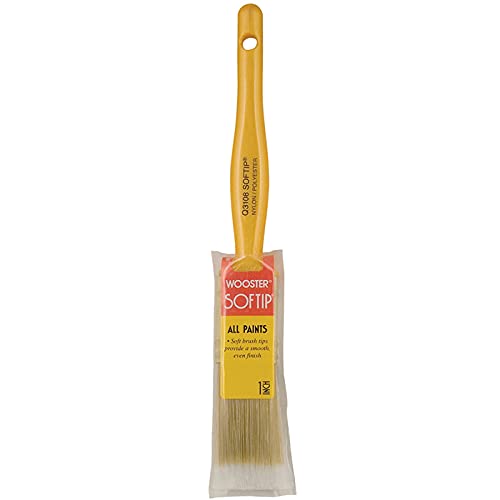
Synthetic blend for all paints, latex and oil-based

Box of 72 packs of 3 = 216 Brushes Total - 100% Synthetic Bristle provides smoother finish

PURDY SYNTOX PAINT BRUSHES - Purdy Syntox brushes are made with soft, synthetic bristles to provide a mirror-like finish. These paint applicators will help you get the job done right the first time.
Exploring the Belly of Paint Brushes: Capacity for Paint and Water
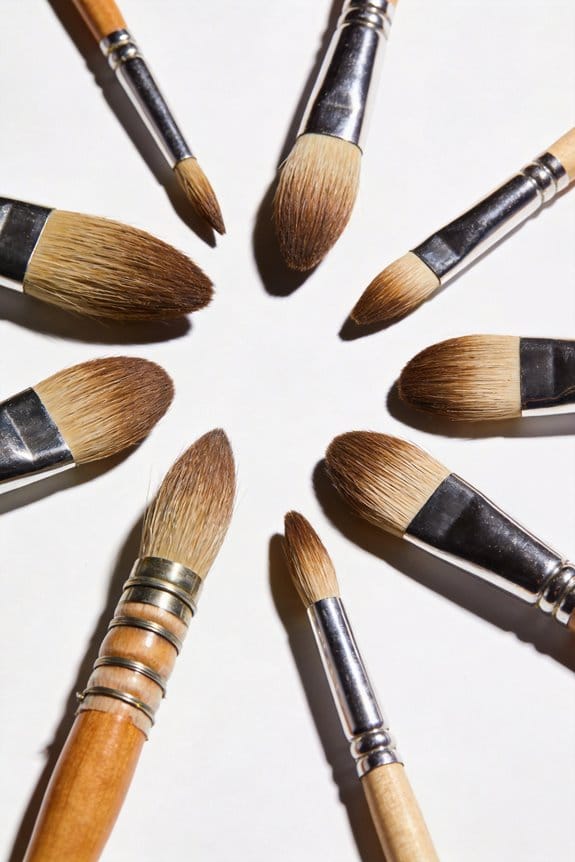
Have you ever found yourself struggling to keep your paintbrush happy and loaded with the right amount of paint? It’s pretty incredible how the belly of a brush has a huge impact on how it performs. This mid-section isn’t just there for looks; it’s where the brush’s paint and water retention magic happens. If the belly’s on the larger side, you’re in for longer strokes without needing to constantly dip back into your paint. Watercolor brushes are especially good at this since they can hold a lot of water, allowing you to mix and move paint seamlessly.
On the flip side, if the belly is too small, you might notice your brush dries out faster than you’d like, which can really cut into your painting time. Nobody wants to feel rushed while creating art! High-quality brushes can maintain their shape and help spread the paint evenly across your canvas, making a real difference in your final piece.
So here’s the trick: when you’re picking out your next paintbrush, take a good look at the size of its belly. You want one that feels right for your style. Do you prefer long, sweeping strokes, or are you more into detailed work? Knowing the belly size can enhance your artistic experience and really level up your skills. Additionally, considering the bristle material quality can further improve the brush’s ability to retain paint and water, optimizing your technique.
Recommended Products

Rhapsody Kolinsky Sable Artist Brushes: Crafted from the finest Kolinsky, these full belly watercolor brushes feature split-proof 3x0 points with excellent responsiveness, spring and resiliency; Designed for demanding professional watercolorists, these well-balanced brushes deliver fine, controlled detail

PURE KOLINSKY-TAJMYR SABLE ARTIST PAINTBRUSH - Considered the very best hair for watercolor painting, only the best male kolinsky hair is used for the Reserve series brushes providing watercolor artists with an exceptional point and liquid retention

A full body made from hand selected, pure kazan squirrel hair then inlaid with extra long needle-sharp tip made of pure kolinsky red sable hair;
Ferrule Design and Quality Indicators
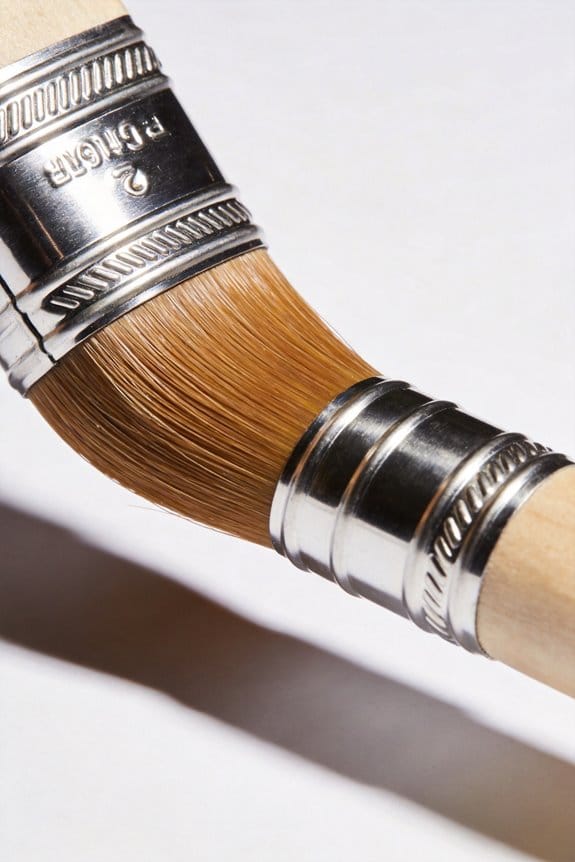
Have you ever picked up a paintbrush only to find the bristles shedding everywhere? It’s frustrating, right? A well-built ferrule can really make a difference in how your brush performs. When you’re on the hunt for a new brush, think about the materials used in the ferrule. High-quality options like brass or nickel-plated steel really stand out. They help keep the bristles in place and add to overall stability.
Pay attention to the construction, too. Seamless ferrules are a big deal because they don’t have weak points. This contributes to the brush’s durability, which is something everyone wants. If you come across brushes that are double-crimped or tightly fitted, that’s a sign you’re looking at a professional-grade product.
So, why does this matter? If you’re using water-based finishes, make sure the ferrule is corrosion-resistant. Ferrules made from stainless steel are usually the best choice for that. And here’s the trick: check for uniform nickel plating. It’s a sign of good craftsmanship. Keep your eyes peeled for any signs of rust or peeling, because those can indicate low quality.
In short, understanding what to look for in a brush can set you up for success. Choosing the right ferrule means you get brushes that are built to last and deliver great results. What factors do you consider most when buying paintbrushes? Additionally, just as durability and material composition are critical in mechanical pencils for lasting performance, they are equally important in selecting high-quality ferrules for brushes.
Recommended Products

For extension pole use, excellent results with all oil-based stains, sealers, wood toners

Features: Natural flagged ends hold and release color evenly through the stroke, natural and synthetic bristle blend, hand-shaped and tied mottler, and flat paddle-style hardwood forest green varnished handles

Excellent for all interior or exterior stains, sealers and wood toners (water-based and oil-based)
What Role Does Crimping Play in Brush Performance?
Have you ever noticed how some brushes just feel right while painting, while others seem to fall apart? That’s where crimping comes into play, and it’s crucial for keeping your brushes in top shape during your creative sessions. It’s not just about looks; crimping techniques secure the ferrule around the bristles, which means you won’t have to deal with stray hairs getting in your way while you’re working.
When it comes to stability, double or even triple crimping does wonders. This extra security means that your brush will fit tightly to the handle, minimizing any wobbling. You want precision when you’re painting details or making those bold strokes, right? Reducing any flickering helps you get straighter edges or those perfect curves, like little pearls of paint.
Thinking about durability? Smooth, seamless ferrules are often found in professional-grade brushes and they really pay off. They resist splitting and won’t corrode, so you can focus on your art without worrying about your tools falling apart.
So, why should you care about crimping? Because it literally shapes your brush’s performance. You’ll find your bristles are better aligned, which is essential for creating the clean lines and forms you want. Crimping, in its simplest form, enhances everything about the brush—letting you create your best work easily.
Proper crimping also contributes to anti-rust ferrules, which significantly boost the brush’s lifespan.
Next time you pick up a brush, consider the craftsmanship behind it. How crimping keeps everything tight ensures that you can focus entirely on creating, not on dodging loose hairs that could ruin your masterpiece. What’s your go-to tool for painting?
Recommended Products

Ferrules are double crimped

CRYSTAL: Our Crystal brushes were created for watercolor and acrylic artists. These brushes have a bountiful spring that makes them ideal for a variety of painting styles. They resist puddling and drip and have excellent color retention for less reloading.

CURATED SHAPES AND SIZES FOR WIDE APPLICATION - To hone the artist in you, ArtRight has selected 7 different sizes of round brushes to make a perfect set. With sizes 0#, 02#, 04#, 06#, 08#, 10#, you can use them for all purposes like sketching, outlining, filling, detailing, etc.
How to Pick the Perfect Brush for Your Techniques?
How do you figure out which brush to use for your painting? It’s easy to feel overwhelmed with all the options out there. Let’s break it down together.
First off, think about brush shapes. If you’re going for fine detail work, pointed round or rigger brushes are perfect for those delicate lines that need precision. On the flip side, when you want to make bold strokes, flat brushes are your best bet. And if you’re looking for something that strikes a balance, filbert brushes mix detail with good coverage surprisingly well.
Then there’s the bristle type to consider. If you’re into oil painting, you’ll want to grab natural bristles because they’re softer and provide that smooth touch. Acrylic artists? Go for sturdy synthetic brushes that can stand up to the medium’s demands.
Also, the length of the brush handle can really impact how you paint. Short handles help you stay close to the canvas, giving you better control. So, why does this matter? Having the right combo of brush shape, bristle type, and handle length can really step up your artwork game.
Choosing brushes with ergonomic handles can also reduce hand fatigue, allowing you to paint more comfortably for longer periods.
Recommended Products

Knife set includes 2.75" Peeling Knife, 3" Flat Cut Paring Knife, 3.5" Paring Knife, 4.5" Utility Knife, 5" Hollow Edge Santoku Knife, 5" Serrated Utility Knife, 6" Chef's Knife, 6" Carving Fork, 6" Utility Knife, 7" Flexible Fillet Knife, 7" Hollow Edge Santoku Knife, 8" Bread Knife, 8" Carving Knife, 8" Chef's Knife, 10" Super Slicer, Eight matching Classic Ikon 4.5" Steak Knives, 9" Honing Steel with Stainless Handle, Brushed Stainless Steel Come-Apart Kitchen Shears and 25 Slot Acacia Block

Knife set includes 3" Flat Cut Paring Knife, 3.5" Paring Knife, 4.5" Utility Knife, 5" Boning Knife, 5" Hollow Edge Santoku Knife, 5" Serrated Utility Knife, 6" Chef's Knife, 6" Utility Knife, 7" Hollow Edge Santoku Knife, 8" Bread Knife, 8" Carving Knife, 8" Chef's Knife, Eight matching Classic Ikon Creme 4.5" Steak Knives, 9" Honing Steel with Brushed Stainless Handle, Stainless Steel Come-Apart Kitchen Shears and 22 Slot Beechwood Knife Block (complete set; all slots in block are filled)

Knife set includes 3" Flat Cut Paring Knife, 3.5" Paring Knife, 4.5" Utility Knife, 5" Hollow Edge Santoku Knife, 5" Serrated Utility Knife, 6" Chef's Knife, 6" Utility Knife, 7" Flexible Fillet Knife, 7" Hollow Edge Santoku Knife, 8" Bread Knife, 8" Chef's Knife, 9" Hollow Edge Carving Knife, Eight Classic Ikon 4.5" Steak Knives, 9" Honing Steel with Brushed Stainless Handle, Stainless Steel Come-Apart Kitchen Shears and 22 Slot Beechwood Knife Block (complete set; all block slots are filled)
Frequently Asked Questions
How Often Should I Clean My Paintbrush?
We should clean our paintbrushes after each session, and between color changes for best results. Proper cleaning techniques vary by medium, ensuring longevity and peak performance. Regular maintenance prevents paint from ruining our brushes.
Can I Use the Same Brush for Different Mediums?
Yes, we can use the same brush for different mediums, especially with synthetic bristles, which offer great medium compatibility and versatility. However, we should clean them thoroughly to avoid residue and maintain their performance.
What Signs Indicate a Brush Needs Replacing?
When our brushes start showing fraying bristles or accumulate paint buildup, it’s like a once-vibrant dancer losing their grace. If lines become jagged or application feels uneven, it’s time to bid them farewell.
How Should I Store My Paintbrushes?
To store our paintbrushes, let’s prioritize vertical storage for bristle protection and maintain temperature control. Keeping them away from heat and airflow helps guarantee they last longer and remain in good condition for our next project.
Is There a Difference in Brush Care for Natural vs. Synthetic Bristles?
There’s definitely a difference in brush care. For natural bristle care, we need gentle cleaning and more frequent washes. In contrast, synthetic bristle care is easier, requiring less maintenance and drying faster after washing.


