As an Amazon Associate, we earn from qualifying purchases. Some links on this site are affiliate links at no extra cost to you. Our recommendations are based on thorough research and editorial judgment.


Easel Ergonomics: Preventing Back Pain During Long Sessions

To prevent back pain during long painting sessions, we must set our easels at eye level. This keeps our neck relaxed and encourages a straight back. Chairs should support our lower back while allowing feet to rest flat on the floor with knees at right angles. Adjusting easel and chair height can enhance comfort and creativity. Regular movement breaks and stretching help alleviate stiffness too. Let’s explore more ways to improve our painting posture and comfort.
Key Takeaways
- Set the easel at eye level to maintain a neutral neck position and reduce strain on the back.
- Use a chair with lumbar support to support the natural curve of the spine and prevent hunching.
- Ensure the easel height permits a 90-degree arm bend for comfortable painting without excessive reach.
- Incorporate regular movement breaks every 30 to 45 minutes to alleviate stiffness and maintain circulation.
- Use anti-fatigue mats when standing to enhance comfort and support while painting for extended durations.
How Poor Posture Causes Neck and Back Pain in Artists
You may be interested

Creating beautiful artwork can be all-consuming, right? But as you’re getting lost in your creativity, it’s easy to forget about your posture. This oversight can lead to some serious neck strain and back pain—definitely not what you want when you’re trying to express yourself through art.
When you find yourself bending over a canvas for too long, it’s not just your art that suffers; your muscles can start feeling fatigued, and blood flow may take a hit. Ever notice how leaning forward to catch those fine details often messes with how your head is positioned? This can throw off your spinal alignment and, before you know it, you’re dealing with both neck and lower back pain.
Let’s not forget about the chair situation. If your seat doesn’t provide the right lumbar support, you might end up hunching over or arching your back way too much, making everything worse. So what can you do about it?
Try this: focus on keeping your spine straight while you’re painting. Ergonomic tools can really help keep your alignment intact. Simple adjustments can make your painting sessions much more comfortable, allowing you to immerse yourself in your art without those nagging aches.
Choosing an adjustable easel that supports proper height and angle adjustments can greatly improve your posture and prevent strain during long creative sessions.
Isn’t it a shame to let something like posture take away from your creative flow? Remember, small tweaks lead to big changes. So, how will you adjust your workspace today?
Setting Your Easel to the Right Height for Comfort
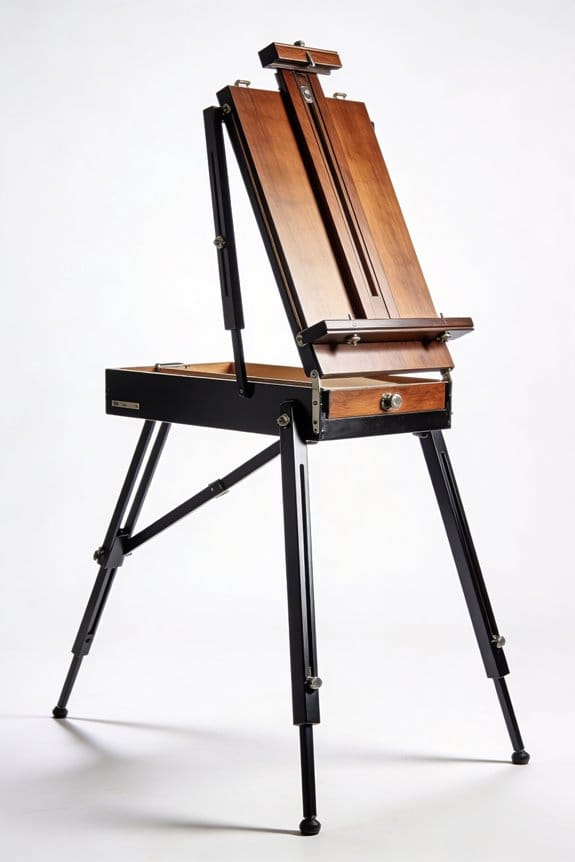
How do you make sure your easel is set just right for a comfortable painting experience? A key step is to adjust the easel height so it’s at your eye level. This helps keep your neck relaxed and your head in a neutral position as you work. Ideally, when your arm is bent at the elbow to about 90 degrees, the easel should be at that height. This simple adjustment can really minimize tension in your shoulders and upper back.
For those of you with adjustable easels, switching between sitting and standing positions can be a lifesaver. It promotes better posture and allows you to mix things up, which can help keep those creative juices flowing. And don’t forget about your canvas—make sure it’s at a height that lets your arms move freely without restriction.
You might be surprised at how often you need to check and tweak the easel’s height as your comfort needs change. Regular adjustments can have a big impact on your overall painting experience. Be sure to maintain an ergonomic design in your setup to reduce fatigue and enhance control.
So, as you get ready to paint, take a moment to set everything up just right.
In the end, setting your easel correctly can make all the difference. What adjustments will you try on your next painting session?
Recommended Products

VESA COMPLIANT - Designed to fit most 55” to 100” flat screen TVs, the TV mounting brackets can be configured to accommodate virtually any VESA pattern from 200x200 to 1000x600.

Premium Craftsmanship: MEEDEN large heavy duty easel is handcrafted from furniture-grade solid beech wood, featuring a smooth, splinter-free surface and natural wood grain. The reinforced H-frame structure with a widened stable base prevents wobbling and warping, providing reliable support for canvas up to 76.7". Ideal as a professional studio easel for large oil paintings and serious artists. The vintage walnut finish blends beautifully into any art studio, gallery or home workspace

PORTABLE FRENCH DESIGN- Pacific Arc's bamboo wood easel is made for the mobile artist in mind. The carrying strap and sturdy leather handle make it easy to travel with. With an included 18 inch palette for paints, this easel for painting canvases is the correct choice for all artists, from beginners to professionals. Easy to setup and take down with its large, easy to use knobs will make any artist content using this easel stand.
Choosing the Best Chair for Comfort While Painting
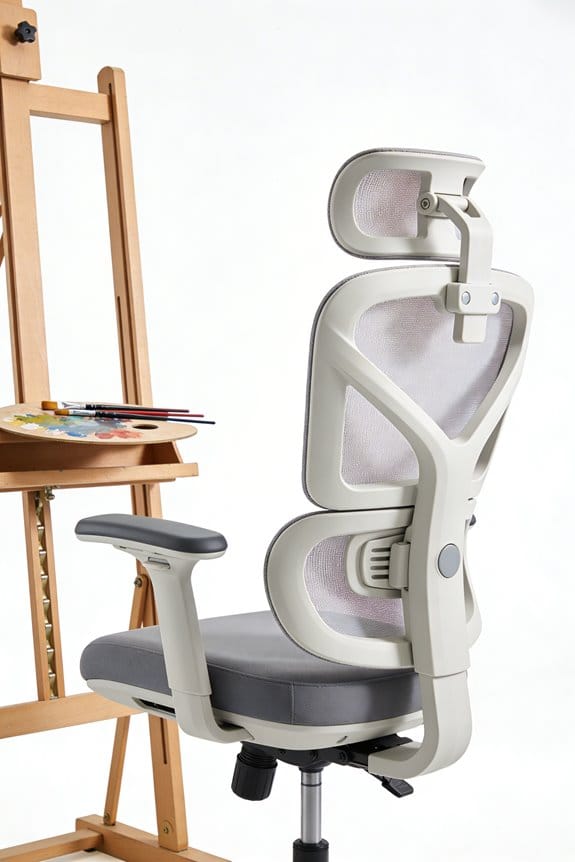
Finding the right chair for painting is more important than you might think. You want to be comfortable and focused while you’re working on your masterpiece, right? So, let’s dig into what makes a great painting chair.
Start by looking for a chair that has adjustable height. This helps you find the perfect position where your feet can rest flat on the floor, and your knees are bent at about a 90-degree angle. Simple, but effective! This seating position can really help reduce strain on your lower back, which is key when you’re painting for hours.
Back support is another biggie. A chair with a backrest that follows the curve of your spine will keep you comfortable as you work. Do yourself a favor and also look for chairs with adjustable armrests; they can keep your shoulders from getting tense. Just think about it: you wouldn’t want to be distracted while creating because of discomfort.
It’s also important to ensure your setup promotes overall stability just like a good tabletop easel, which underpins a comfortable and supported posture.
Here’s the trick: regularly check how your chosen chair feels. Pay attention to the comfort and support features as you paint to ensure you’re maintaining good posture. Trust me, the right chair can really make a difference in how long you can paint without feeling stiff or sore.
In the end, the right chair can enhance your creative flow. So, what’s your current seating situation like? Are you ready to elevate your painting experience?
Recommended Products

3 Electronic Motor Control for Height, Backrest and Leg-rest Adjustments. Armrest, Headrest and Foot Extention are Manually Adjusted and removable as well.
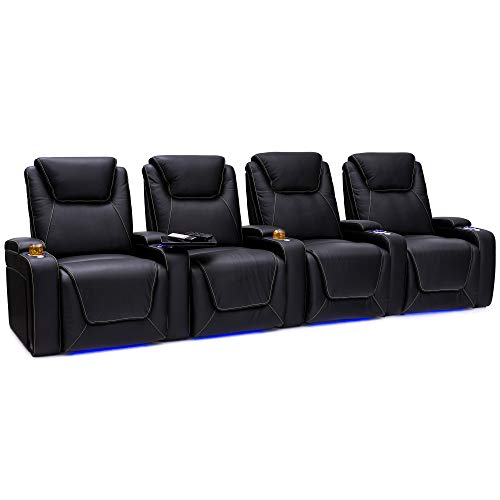
[BIG AND TALL COMFORT FOR ADULTS] Designed for fully grown adults seeking exceptional support during movies gaming and everyday relaxation, this heavy duty recliner chair features a wider seat profile and reinforced reclining system engineered for larger users. The extended 72 inch recline depth promotes head to toe relaxation while supporting up to 400 lbs per seat. Whether used as home theater seating a living room chair or a lounge chair this power recliner loveseat delivers spacious comfort beyond a traditional couch or loveseat sofa.
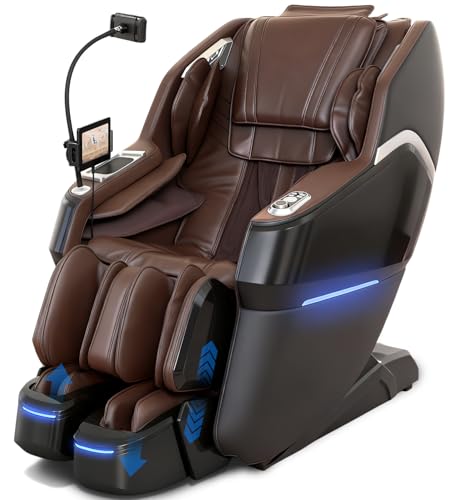
Revolutionary Space Walk Deep-Stretch Technology (Patented): Notired’s advanced massage chair delivers next-level relief for your calves, feet, and ankles; Each leg can be independently stretched and massaged, offering tailored elevation and traction; Dual foot rollers and wrap-around air compression precisely targets acupressure points from heel to toe for a spa-grade , full-coverage foot therapy experience
How Proper Lighting Enhances Visibility and Reduces Eye Strain
Have you ever noticed how inadequate lighting can put a damper on your painting sessions? It can really impact your creativity. The right lighting is essential to make sure you can see all those colors on your canvas clearly. Using high-quality natural light or full-spectrum bulbs that mimic daylight helps you avoid those frustrating moments when colors look different than you intended.
Try positioning your lights to eliminate glare and shadows on your easel. This simple adjustment can help keep your focus without forcing you to lean forward, which can lead to neck strain over time. What’s even better is using adjustable lighting fixtures. These let you customize the brightness and angles according to your specific needs, so you’re always working in optimal conditions.
It’s wise to regularly check your ambient lighting too; that way, you can keep your workspace comfortable and supportive of good vision. So, why does this matter? Because a well-lit environment not only enhances your creative flow but also protects your eyes.
Honestly, paying attention to these lighting details makes a significant difference in your painting experience. It helps keep you comfortable and focused. Remember, little changes can create a healthier painting setup that encourages your artistic expression. Are you ready to rethink your lighting? Using lighting with a high Color Rendering Index ensures that colors appear vibrant and true to life, which is crucial for accurate artwork.
Maintaining Good Sitting Posture
Painting can be such a joy, but how you sit while creating your masterpiece can make a huge difference, right? One of the things to consider is your posture. If you’re slumped over or leaning awkwardly, it won’t just affect your painting; it could also lead to some pretty nasty back pain down the line.
To keep it simple, here are some tips for better sitting posture:
- Keep your back straight. Support your lower back so it follows its natural curve.
- Your feet should be flat on the floor, with your knees bent at a 90-degree angle for better stability.
- Relax those shoulders! Keeping them level helps reduce tension in your neck and upper back.
- Bend your elbows comfortably to find a good positioning while painting.
Ergonomic supports, like lumbar cushions, can make a big difference, especially during those longer sessions. They can help maintain that good posture, which leads to a more enjoyable painting experience overall.
So, why does this matter? Because when you’re comfortable, your creativity flows much more freely.
Using an adjustable easel can also aid in maintaining proper posture by positioning your canvas at the right height and angle.
Ultimately, taking a little time to adjust how you sit can save you from unnecessary pain and enhance your painting sessions. Remember, good posture is about more than just looking professional; it’s about feeling good too! Are you ready to give it a try?
Achieving Stability in Your Standing Painting Stance
When you’re standing to paint, feeling steady is essential for doing your best work. Have you ever noticed how easy it is to lose focus or start feeling aches during a long painting session? One way to keep your balance is to distribute your weight evenly across both feet. A shoulder-width stance really helps with balance and can make a big difference in preventing neck and back strain.
Plus, think about getting anti-fatigue mats. They cushion your feet and really promote better circulation, which is a nice bonus. If you tend to stand for a while, try switching it up every 30 to 45 minutes by sitting down for a bit. This little shift helps keep your blood pumping and can cut down on that pesky fatigue or muscle strain.
Setting reminders to change positions might feel a little odd at first, but trust me, it can be a lifesaver. Picture this: you’re deep in the creative zone, and suddenly, you realize you’ve been standing in one spot for too long. This is when having a gentle nudge to change it up can really keep your energy up.
Stability and comfort while you create are totally possible. With these tips in mind, you can stay steady and pain-free while working on your art. Using an adjustable wooden easel can also enhance your posture by allowing you to set the canvas at optimal height and angle. So, how might a little shift in posture change your painting experience?
Recommended Products
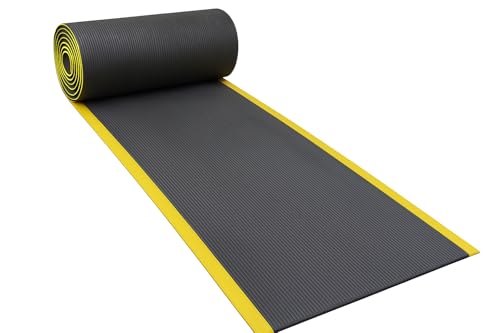
3/8” vinyl construction ensures higher durability and better resilience than ordinary sponge mats

An anti-fatigue mat that provides comfort for people who stand behind counters in pharmacies and teller stations, widely used in labs and check-stands

[ Softwoods Anti-Fatigue Mat ] Superior ergonomics for personnel standing behind counters in pharmacies and teller stations is also used in laboratories, check-stand applications, the home office, and kitchen.
Best Practices for Hand and Arm Positioning While Painting
How can you position your hands and arms to create art comfortably and effectively? First off, let’s talk about keeping that wrist straight while painting. It’s a small adjustment that can really cut down on strain and help you avoid injuries. You don’t want to be wincing in pain when you should be focused on your masterpiece!
Make sure your elbows are bent at about 90 degrees too. This small tweak can do wonders for your shoulders, helping you keep them relaxed and reducing any neck tension. If you’re going to be painting for hours, consider using padded armrests or an appropriate work surface. It can take a lot of pressure off your arms and make those long sessions way more enjoyable.
Here’s the trick: ergonomic painting handles can seriously enhance your grip control. No one wants to deal with cramping halfway through a project, right? And don’t forget about wrist rests—they can give you that extra comfort while you paint.
Regular stretching exercises for your arms and hands during breaks are also key. They keep you flexible and help prevent any tightness that could slow you down. Honestly, it’s all about finding that balance between comfort and creativity.
Additionally, using acid-free mat boards can protect your artwork as you develop it, ensuring it remains in great condition throughout long creative sessions.
How to Incorporate Movement Breaks Into Your Painting Routine?
Creating art can be exhilarating, but let’s face it—sitting for long periods can really take a toll on your body. So, why not make it a habit to take short breaks every 30 to 45 minutes? Setting a timer can be a simple way to remind yourself to stand up, stretch, or just walk around for a moment.
During these breaks, try out some neck rolls or squeeze your shoulder blades together. These little moves can do wonders for muscle stiffness. Honestly, balancing your time between sitting and standing will keep those muscles engaged. Ever thought about adding mini-movements like light jogging in place or gentle twists? They can really revive your energy and keep your painting sessions enjoyable.
Here’s the trick: embrace these movement breaks as part of your routine. Think of it this way—it’s not just about painting; it’s about your overall well-being while you create. Regular movement helps you stay comfortable, making your art time more productive. Additionally, organizing your art supplies in a portable carry case can reduce unnecessary strain when accessing materials during your breaks.
Desk-Based Stretches Specifically for Artists
Have you ever noticed how long hours of painting can start to take a toll on your body? Seriously, as artists, we often dive right into our work and forget to pay attention to how our bodies feel. Incorporating some desk-based stretches into your routine can make a world of difference, alleviating strain and boosting your comfort level while you work.
For your neck, give chin tucks and side bends a shot. These moves can really help ease the tension that builds up from leaning over your canvas for ages. And don’t overlook your shoulders! Try shoulder blade squeezes and rolls to strengthen your posture. It’s all too easy to end up hunching forward when you’re deeply focused on your painting.
Another area that deserves some love? Your wrists. Don’t skip wrist stretches; they’ll improve your grip flexibility, which is critical when you’re working on detailed pieces. Here’s the trick: set a timer to remind yourself to stretch every 30 to 60 minutes. Trust me, those little breaks can keep you feeling more mobile throughout your creative sessions.
And hey, when you take breaks, make sure to walk around a bit. Even a few small movements can do wonders for your overall well-being, making those marathon painting sessions so much more enjoyable. Additionally, using non-toxic acrylic gel mediums in your painting process can ensure safer studio time, minimizing exposure to harmful chemicals while you create.
Selecting Ergonomic Tools for Pain-Free Painting
Selecting the right ergonomic tools can make a huge difference in your painting experience. Ever notice how uncomfortable it can get when you’re hunched over a canvas for too long? Adjustable easels are fantastic because they let you set the height right at eye level. This simple adjustment can help you avoid neck strain and encourages good posture. No more leaning forward in an awkward position!
When it comes to brushes, ergonomic designs with specially shaped handles can really help with grip control. This means less hand cramping, which is a blessing during those marathon painting sessions. You might also want to consider adding padded armrests to your setup. They offer excellent support, relieving pressure on your arms and reducing shoulder strain.
A chair with lumbar support is another essential tool. It’s really important for maintaining your spine’s natural curve, which can cut down on lower back pain. If you prefer to stand while painting, you’ve got to try anti-fatigue mats. They provide cushioning, which improves circulation and helps you feel less tired as you work.
For maximum comfort and adaptability, consider an easel with adjustable height features that accommodate different working positions.
Recommended Products

KIDS ART CENTER - Up to 4 kids can paint and draw at one time. It comes with 4 paint trays, 8 clips, and 4 paint cup holders. The trays store your paint, brushes, and other supplies. The paint cup holders have 3 sections and fit in the paint trays.

Plenty of room for art materials on the spacious lower shelves! Each dry-erase panel is adjustable for tray heights between 18-1/8 inches and 29-1/2 inches from the floor. Unit frame measures 26-1/8 W x 13 D x 49-3/8 H inches, however adjusting tray height may increase overall height. Removable trays for easy cleaning. Some assembly required; hardware and instructions included.
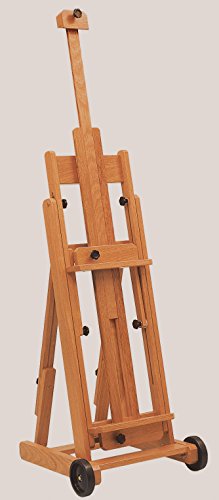
Portable, expandable and multifunctional - use vertically or horizontally
Frequently Asked Questions
Can an Ergonomic Setup Reduce Back Pain?
With our ergonomic chairs and ideal seating height, we can achieve perfect posture alignment. It’s like giving our backs a cozy hug, dramatically reducing discomfort and making long creative sessions feel like a breeze!
How to Prevent Back Pain While Drawing?
To prevent back pain while drawing, we should prioritize posture alignment, use supportive chairs, and take regular drawing breaks. These practices help maintain comfort and reduce strain, allowing us to create for longer periods without discomfort.
How Can You Prevent Back Pain During Long Typing Sessions?
Did you know 60% of people experience back pain from typing too long? By improving our typing posture habits, adjusting chair height, and utilizing proper keyboard positioning techniques, we can greatly reduce discomfort during extended sessions.
How to Prevent Back Pain While Working at a Desk?
To prevent back pain while working at a desk, we should guarantee our chair height supports good desk posture, and align monitors at eye level, helping us maintain comfort and reduce strain throughout our workday.


