As an Amazon Associate, we earn from qualifying purchases. Some links on this site are affiliate links at no extra cost to you. Our recommendations are based on thorough research and editorial judgment.


Heavy Body vs. Fluid Acrylics: Understanding Viscosity

When we compare heavy body and fluid acrylics, viscosity plays a key role in our painting techniques. Heavy body acrylics are thick and creamy, perfect for creating rich textures and bold brush strokes. In contrast, fluid acrylics are more like heavy cream, allowing for smooth applications and excellent glazing. Understanding these differences helps us choose the right paint for our projects. If we mix these two types wisely, we can enhance our artwork’s versatility and effectiveness.
Key Takeaways
- Heavy body acrylics have a thick, creamy consistency suited for rich textures and impasto techniques.
- Fluid acrylics feature a low viscosity ideal for smooth applications and glazing effects.
- Understanding viscosity aids in selecting the appropriate acrylic type for specific artistic techniques.
- Mixing both acrylics allows for a balance between texture and smoothness in artwork.
- Heavy body acrylics dry quickly, while fluid acrylics remain workable longer due to higher water content.
What You Need to Know About Heavy Body and Fluid Acrylics
You may be interested
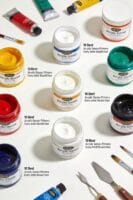


Have you ever stood in front of the paint aisle, unsure whether to grab heavy body or fluid acrylics? It’s a common dilemma, and honestly, knowing the difference can really boost your creativity.
Heavy body acrylics have a thick, buttermilk-like consistency. This makes them ideal for achieving rich textures, so if you’re into impasto techniques or want brush strokes to stand out, these are the way to go. You’ll often find that they provide great coverage too, thanks to their density.
On the flip side, fluid acrylics are more like heavy cream. They’re perfect for those smooth applications you want for pouring or glazing. If you’re aiming for seamless blending, these are your best option. They tend to self-level, which helps with that polished look.
So, why does this matter? If you’re looking to explore different effects, mixing both types from the same brand can open up new creative avenues. Remember that choosing paints with high pigmentation can ensure excellent coverage and vivid colors regardless of the acrylic type you use.
Here’s a quick takeaway:
- Go with heavy body acrylics for: textured work and bold strokes.
- Choose fluid acrylics for: smooth applications and easy blending.
In the end, your choice really comes down to the application method you prefer. Do you want textures and depth, or smooth and flowing effects? Whatever you decide, happy painting!
How Viscosity Affects Your Painting Techniques

Are you feeling stuck trying to decide between heavy body and fluid acrylics? It’s a common dilemma, and understanding viscosity can make a difference in your painting process.
Heavy body acrylics have a thick, creamy texture that’s ideal for achieving those bold impasto effects. They hold their shapes beautifully, letting you create vibrant textures and striking brush strokes. On the flip side, fluid acrylics have a thinner consistency, not too unlike heavy cream. This makes them perfect for glazing and layered effects, offering a smooth finish while keeping your colors rich and deep. So, why does this matter? Knowing the differences allows you to pick the right approach for your creative vision.
Here’s a thought: mixing both types can really open up your options. You get to enjoy the best of both worlds. For instance, start with a heavy body acrylic for texture, then layer on some fluid acrylics for precision and depth. It’s a balance that can take your work to the next level.
In the end, recognizing how viscosity affects your application can help you evolve your techniques. Using gel mediums can further alter the texture and drying time to suit your desired effects. So, are you ready to experiment with your paints?
Advantages of Heavy Body Acrylics for Texture and Impasto

Have you ever struggled to add depth and texture to your artwork? Heavy body acrylics could be the solution you’re looking for. Their thick, creamy consistency holds brush strokes like a charm, making it easy to create layers that really stand out. You’ll find their high viscosity is reminiscent of oil paints, which means you can sculpt your paint into amazing peaks and valleys.
The best part is that these acrylics provide excellent coverage, so you often end up needing fewer layers to get those vibrant colors to pop. And if you’re like me and enjoy taking your time, you’ll love that heavy body acrylics allow for manipulation before drying. You can layer or blend colors seamlessly, really enhancing your overall artwork.
Thinking of adding some extra texture? Give this a try: mix your heavy body acrylics with mediums like gels or modeling paste. This combination can seriously ramp up the texture in your pieces, opening the door for all sorts of creative possibilities. Honestly, heavy body acrylics are a great way to achieve the dimension you want in your work.
Because of their quick-drying options, you can efficiently complete projects while still having the ability to blend and layer colors smoothly.
Recommended Products
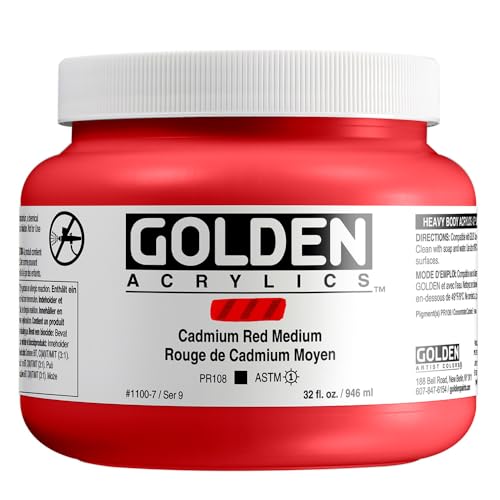
Cadmium Red Medium became the most widely used red shortly after it was synthesized in 1907 because it offered greater permanence and intensity than the mostly plant-based reds used up to that time

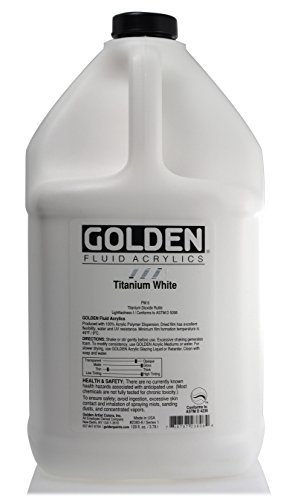
Why Fluid Acrylics Are Great for Blending and Pouring
Have you ever struggled with getting those smooth, blended layers in your artwork? It can be frustrating, but that’s where fluid acrylics come in. Unlike heavy body acrylics, these paints have a low viscosity—think of it as being similar to heavy cream. This makes pouring and dripping effortless, allowing you to create those beautiful, even layers without the hassle.
One of the best parts? The self-leveling properties of fluid acrylics help you achieve seamless blends, especially when you’re using wet-in-wet techniques. You’ll notice that these paints offer better transparency for glazing since they don’t have those opacifying fillers that can weigh down your work. So, you can really enhance your colors with a nice, luminous effect.
Try mixing fluid acrylics with specific mediums, like pouring mediums, to keep that gorgeous flow. This simple step will help you prevent crazing as they dry, which can be a real pain if you’re aiming for that perfect finish. Plus, these paints maintain excellent lightfastness and flexibility, which means less risk of cracking in your poured applications.
Additionally, choosing the right medium with an appropriate viscosity and texture can further expand your creative possibilities and improve the finished look.
Want to know the truth? Fluid acrylics are versatile tools that can help you achieve vibrant, eye-catching effects in your art. They really open up a world of possibilities for blending and pouring techniques that you might not have even thought were possible. So, why not give them a try in your next project? You may just find them to be your new favorite!
Recommended Products

Versatile Art Surface: The Da Vinci Pro Liquid Art Multi-Media Panel features a gessoed surface that accepts fluid acrylics, high flow acrylics, and resin pours, making it ideal for artists exploring diverse techniques

Versatile Temperature Stable Oil: Super Lube Silicone Oil delivers reliable performance as a low-temp and high-temp lubricant for automotive and machinery applications
MULTI-PURPOSE EVERYDAY CONVENIENCE: These 16 oz condiment squeeze bottles keep your favorite sauces, dressings, and syrups neatly contained and easy to access, so you can streamline meal prep, topping bars, and packed lunches while staying effortlessly organized in busy kitchens or creative spaces.
Comparing Coverage, Drying Time, and Flexibility Between Acrylic Types
Are you trying to decide between heavy body and fluid acrylics for your next art project? Let’s break down the differences in coverage, drying time, and flexibility that can really help you make the right choice.
Heavy body acrylics have a thicker consistency that gives you great coverage. This is perfect for creating texture, especially if you enjoy techniques like impasto. On the flip side, fluid acrylics tend to be more transparent, which makes them ideal for glazing techniques where you want to layer colors and let some of the underpainting show through.
Now, you might be wondering about drying time. Heavy body acrylics usually dry pretty fast—within 20 to 30 minutes. If you’re like most artists, you appreciate a quick-drying paint. However, fluid acrylics stay wet a bit longer since they have more water content. That’s something to consider if you’re planning on working in layers or using blending techniques.
When it comes to flexibility, heavy body acrylics set into a sturdy structure, making them less prone to cracking as they dry. Fluid acrylics, on the other hand, stay more elastic, which gives them a nice forgiving quality. This could be a game-changer if you’re a bit heavy-handed with your brushes.
Here’s the trick: If you mix either type with some acrylic mediums, you can enhance their properties even further. Factor in what techniques you’ll be using, and you’ll find the right acrylics will help you achieve your vision.
To wrap things up, heavy body acrylics are great for texture and quick drying, while fluid acrylics shine when it comes to transparency and longer working times. Additionally, choosing paints with excellent pigmentation quality ensures cleaner mixes and better visual results in your artwork. So, which acrylic type will you reach for in your next painting?
Recommended Products

Value-packed 40 Color Set: Get the entire spectrum with crazy value to replace a whole rack of paint. Enjoy color high saturation and pure hues with MEEDEN color stability technology, ensuring consistent color performance whether you're applying a thin layer or a thick coat.

Our most opaque white, made with Titanium Dioxide, is an essential white for most painters

An exceptionally durable pigment, the unique depth and intensity of this blue inspired Van Gogh, Renoir and countless other artists.
How to Choose the Right Acrylic for Your Project
Choosing the right acrylic paint can really shape how your project turns out, and getting it right can be the difference between a good piece and a great one. So, what’s your goal? If you’re looking to create a textured look, then heavy body acrylics are your best bet. They’re fantastic for thick applications and give you those eye-catching brush strokes. But if you’re aiming for something more detailed and smooth, fluid acrylics are where it’s at—these paints blend beautifully and are self-leveling, which makes for a flawless finish.
If layering is part of your plan, fluid acrylics are ideal because they dry slower than their heavy counterparts. This slower drying time can help you achieve those crisp transitions between layers that really make your artwork pop. Now, let’s talk surfaces. Heavy body acrylics hold on best to rough textures, while fluid acrylics glide effortlessly across smoother surfaces. It’s key to understand this, as it can affect how your paint adheres and looks.
Many artists enhance the texture and finish of their acrylic paints by mixing in acrylic gel mediums, which can add dimension and alter drying times.
Before you commit, always check the labels on the paint for lightfastness and pigment quality. Professional-grade acrylics tend to deliver better results that last longer, so it’s worth investing in them if you’re serious about your art. The best part is that finding the right paint can empower you to express your creative vision so much more effectively.
Recommended Products

The pigment in our Pyrrole Red, PR254, is also used in automotive finishes because it is exceptionally lightfast, and a very clean, bright red

6 Basic Colors - Including 6 colors white, mars black, red, lemon yellow, sap green, ultramarine blue.Rich pigments in easy-pour (128oz,1 gallon) bottle.And it has palette knife, sponge and color wheel inside.Great gift choice for art enthusiasts, children and professionals.

Golden Fluorescent Acrylic Colors Set includes 8 (eight) 4 oz jars, 1 of each of the following colors: Blue, Chartreuse, Green, Magenta, Orange, Orange-Yellow, Pink and Red
Tips for Mixing Heavy Body and Fluid Acrylics Together
How can you mix Heavy Body and Fluid Acrylics to enhance your artwork? It can be a bit tricky, but here’s a simple approach. Start with a 1:1 ratio; this keeps the thickness of the Heavy Body paint while letting you take advantage of the smoothness of the Fluid Acrylics. Mixing in a separate palette is key—you get better control over how thick or fluid your mix will be and avoid unplanned blends on your canvas.
If you’re looking to improve flow or stickiness, adding a bit of acrylic medium, like a glazing medium, can do wonders. It’s all about finding that perfect balance that works for your style.
Before diving into your main piece, it’s wise to test your blends on some scrap paper or canvas. It helps you refine those colors and blending effects. After all, who wants surprises when they’re deep into painting? This approach helps you nail that desired look without any guesswork.
Using acid-free mat boards is also a great way to preserve your mixed media artworks and ensure long-lasting vibrancy.
Recommended Products

Box of 100 Cups: This set includes 100 64 oz capacity plastic mixing cups plus 12 free lids. The lids allow you to convert the containers into storage solutions for organizing multiple projects.

Extra heavy body medium; Dries to a transparent or translucent gloss finish

Frequently Asked Questions
What Is the Difference Between Heavy and Fluid Acrylic Paint?
Heavy acrylics offer thick texture and quick drying time, ideal for pronounced surfaces, while fluid acrylics excel at color blending and longer working time, perfect for layering effects. Both are compatible and great for various applications.
What Does High Viscosity Mean in Acrylic Paint?
High viscosity in acrylic paint means a thicker texture, allowing for more expressive brush work and excellent surface adherence. It affects layering techniques, drying time, and color mixing, catering to varied artist preferences and application methods.
Why Use Heavy Body Acrylic Paint?
We love using heavy body acrylic paint for its lush texture effects and vibrant colors. It enhances our brush techniques, supports layering methods on various canvas types, and delivers superb finish quality with rich color mixing options.
What Is the Difference Between Soft Body and Heavy Body Liquitex?
Soft body Liquitex is great for blending methods and smooth application, while heavy body excels in texture creation and layering techniques. We choose brush selection based on drying times and artist preferences, confirming canvas suitability.


