As an Amazon Associate, we earn from qualifying purchases. Some links on this site are affiliate links at no extra cost to you. Our recommendations are based on thorough research and editorial judgment.


The Importance of Lighting: Natural vs. Artificial Daylight Lamps

Lighting plays a vital role in our daily lives, affecting our health and mood. Natural light helps boost sleep quality and enhances vitamin D production, while artificial light provides essential illumination at night. Energy-efficient LED bulbs can save up to 90% on energy costs, enhancing safety at home. Simply opening curtains or adding mirrors can improve daylight in a room. If we explore further, we can discover more ways to optimize our lighting choices for well-being and sustainability.
Key Takeaways
- Natural light enhances mood, improves cognitive performance, and promotes better sleep, especially beneficial for mental health conditions like seasonal affective disorder.
- Artificial lighting, particularly energy-efficient LEDs, can significantly reduce energy costs and provide functional illumination when natural light is absent.
- High CRI (90+) LED lamps can mimic some qualities of natural light, reducing eye strain while improving color accuracy in spaces.
- Combining natural light with artificial light creates a balanced environment that maximizes comfort and productivity in various settings.
- Thoughtful lighting choices, including the use of daylight lamps, can contribute to sustainability and a reduced carbon footprint by lowering energy consumption.
Understanding Natural Light and Its Benefits
You may be interested


Feeling a bit sluggish or down lately? It might be time to consider how much natural light you’re getting in your day. We often underestimate the benefits that sunlight can bring to our lives. Not only does it help set our sleep-wake cycle, leading to better sleep at night, but it also encourages our bodies to make vitamin D, which is crucial for keeping our bones strong and our immune system in check.
Research shows environments flooded with natural light can really boost how well we perform at work or school. Did you know that people who work in offices with good sunlight can sleep about 37 minutes more and typically score 42% higher on cognitive tests? That’s pretty impressive! So, what’s the best way to brighten up your space?
Try this: If you can, add larger windows or even consider installing skylights. This simple step can really transform your environment. The best part is that natural light not only enhances productivity but can also lift your mood and lessen feelings of depression, especially for those dealing with seasonal affective disorder during the colder months.
Think about it—if you can feel more alert and happier just by bringing in a bit of sunshine, why wouldn’t you? Frankly, it’s such an easy change that can lead to a more inviting and pleasant atmosphere in your daily life.
In addition to natural light, combining it with adjustable color temperatures in artificial lighting can help maintain an optimal creative environment throughout the day.
In short, embrace that natural light! It truly can make a world of difference. So, how might you adjust your space to let the sunshine in?
The Role of Artificial Light in Modern Living
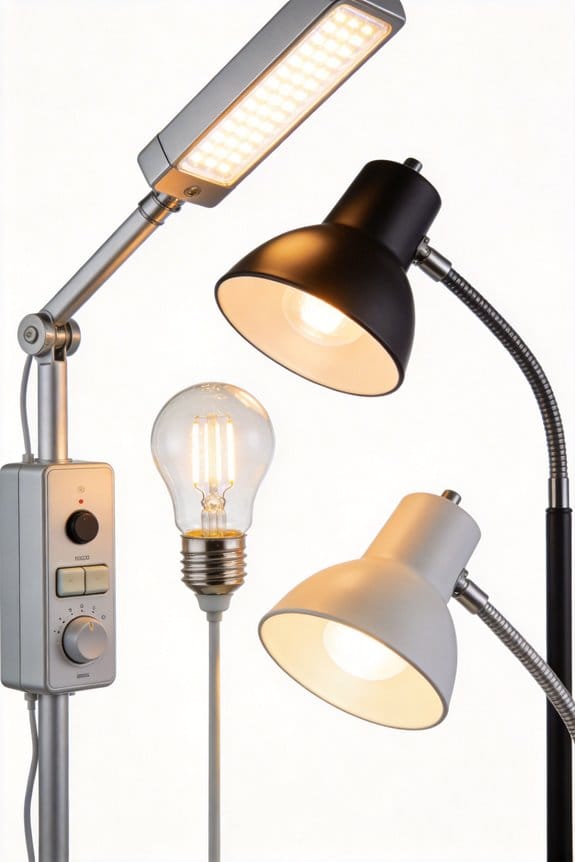
Why does artificial light get overlooked so often? While we love to bask in the sun’s glow during the day, the truth is, artificial light is just as crucial to our daily lives. It brightens up our homes when night falls and lights up those windowless nooks that can feel a bit dreary.
One of the coolest advancements we’ve seen lately is the rise of energy-efficient LED bulbs. Not only do they cut energy usage by as much as 90% compared to traditional bulbs, but they also last around 50,000 hours. That’s a significant win for your wallet and the environment. Here’s the trick: using smart lighting systems lets you play around with color temperature and brightness. Whether you’re winding down for the night or need to focus on a project, you can set the mood just right, which can really save your eyes from straining too much.
Speaking of safety, think about your own living space. Bright pathways and well-lit entry points can help prevent accidents or unwanted surprises at night. It’s simple but effective—light can make a world of difference when it comes to feeling secure in your home.
So, if you’re feeling uninspired by your space, consider how combining natural light with smart artificial lighting can transform it. Honestly, when both types of light work together, you’re not just improving the look of your space; you’re boosting your well-being, too. Many modern artificial lighting solutions offer adjustable color temperature to perfectly complement natural daylight throughout the day.
In the end, remembering to balance both natural and artificial lighting can really enhance your home experience. What changes will you make to brighten your space?
Key Differences Between Natural and Artificial Light
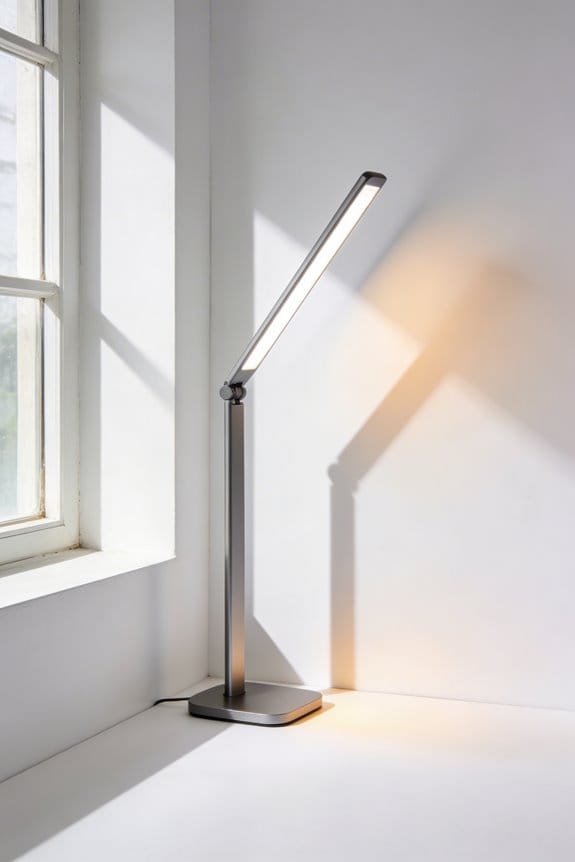
Have you ever thought about how the light in your home affects your mood and energy levels? It’s kinda wild when you dive into the differences between natural and artificial light. Natural light changes all day long, and it brings some serious perks. Not only does it help our bodies produce vitamin D, but it also plays a key role in keeping our sleep cycles in check.
On the flip side, artificial light can be a bit of a downer. While it provides the illumination we need, it often can’t match the benefits of sunlight. Ever find yourself squinting or feeling drained after a long day indoors under bright lights? You’re not alone. Artificial lighting, especially the wrong kind, can lead to eye strain and fatigue.
So, what can you do about it?
- Maximize your natural light by keeping curtains open during the day.
- Use high CRI LED bulbs—they can mimic some sunlight qualities, but remember, they don’t replicate all the good stuff sunlight offers.
- Try layering your lighting for flexibility, mixing ambient, task, and accent lighting.
Think about the spectrum of light, too. While it’s great that you can dial up or down artificial brightness to suit your needs, it can also lead to higher energy bills. Keeping it balanced is key. Embrace those sunny days and complement with quality indoor lighting for a cozy vibe.
To wrap it up, mixing natural and artificial light can create a more inviting space in your home. Using tools designed with ergonomic designs can further enhance comfort and productivity, whether you’re working or creating indoors. Do you have any tips for using light effectively at home?
How Lighting Affects Health and Well-Being
Have you ever noticed how a bright room can instantly change your mood? Light plays a huge role in how we feel and function every day. Natural light is especially important because it helps regulate our circadian rhythms. When you’re in a well-lit space, studies show you could sleep better—about 37 minutes more on average. Plus, exposure to sunlight boosts your vitamin D levels, which is essential for a strong immune system and a positive mood.
So, why does this matter? It turns out, employees who have access to natural light score 42% higher on cognitive tests. That extra boost can really make a difference in mental clarity and focus. Here’s the trick: make an effort to sit near windows or open those blinds during the day.
But let’s not forget about artificial lighting. High-quality LED lights can mimic natural light and help reduce eye strain. However, if you’re exposed to artificial light for too long, it can mess with your sleep patterns. To strike a balance, aim for lighting that brings the benefits of the outdoors inside. Using ergonomic tools in well-lit areas can also reduce fatigue and improve comfort during tasks.
Tips for Optimizing Light in Your Home
Are you tired of living in a dark, gloomy space? Light can make a huge difference in how your home feels. To brighten things up, start by ensuring your windows are clean and free of obstructions. This simple step allows more natural light to flood in, which can seriously lift your mood and energy levels.
One smart way to enhance the natural light is to incorporate light-colored and reflective surfaces. Think about painting your walls white or choosing shiny furniture pieces that can help bounce light around the room. It’s amazing how much larger and brighter these small changes can make your space feel.
Another tip? Mirror placement is everything. By hanging mirrors strategically, you can reflect daylight throughout the room without needing extra energy. It’s an easy trick that can truly transform the ambiance of your space. Speaking of lighting, when you rely on artificial light, make sure to go for LED bulbs with a Color Rendering Index (CRI) of 90 or above. These bulbs will not only brighten your home but also make colors appear true and vibrant.
And let’s not forget about mixing task and ambient lighting. This combo creates a balanced environment that works for anything you do, whether it’s reading, cooking, or just relaxing. For creative professionals and hobbyists, using a no-glare LED light source can reduce eye strain and improve visual comfort during long periods of detailed work.
How Do Your Lighting Choices Impact the Environment?
Have you ever thought about how your lighting choices affect the environment? It’s a bigger deal than you might think. When it comes to artificial light, we can really rack up energy costs—just look at incandescent bulbs. They use up to 90% more power than LED lights! By simply switching to high CRI (90+) LEDs, you can not only make colors pop more accurately but also shrink your carbon footprint.
One of the best ways to save on electric lighting costs is to tap into natural light. Try this: design your space in a way that maximizes sunlight. It can lower your electric lighting costs by up to a third! Plus, being in spaces filled with natural light can really boost how you feel and work.
So, why does this matter? Well, reducing reliance on artificial light means using less energy, which is pretty crucial for our planet. Plus, smart lighting controls are out there to help you make the most of whatever natural light you have throughout the day. Imagine being able to adjust your lights to use less energy when it’s sunny out!
In similar fashion, choosing materials with the right viscosity adjustment in your art supplies can help maintain energy efficiency and reduce waste.
The bottom line is that every little change we make in our lighting can have a positive ripple effect on the environment. So, what are you going to do today to brighten your space—and the planet—without breaking the energy bank?
Frequently Asked Questions
Can Natural Light Improve Productivity in the Workplace?
Studies show that workplaces with ample natural light can boost employee satisfaction by 24%, enhancing mood and energy levels. It improves focus, creativity, and overall efficiency, making it essential for effective area design.
What Types of Artificial Lamps Mimic Natural Sunlight Best?
To mimic natural sunlight, we should consider full spectrum bulbs, LED technology, and halogen lights. Smart lighting with adjustable color temperature offers energy efficiency, while incandescent options and fluorescent alternatives can enhance our light spectrum experience.
How Does Light Color Affect Mood and Focus?
Did you know 62% of people report improved focus in spaces with cool light? By understanding light psychology and color temperature, we can enhance mood and boost focus, especially in work environments or when combating seasonal affective disorders.
Is There a Best Time of Day for Natural Light Exposure?
We believe the best time for natural light exposure is morning for a sunrise energy boost, midday for brightness benefits, and golden hour in the evening, while considering seasonal sunlight changes and weather conditions’ influence.
Can Artificial Lighting Influence Sleep Patterns Negatively?
Yes, artificial lighting, especially blue light from bulbs, can disrupt sleep. Nighttime exposure interferes with melatonin production and circadian rhythms, decreasing sleep quality and hormonal balance. We should optimize our sleep environment for better rest.


