As an Amazon Associate, we earn from qualifying purchases. Some links on this site are affiliate links at no extra cost to you. Our recommendations are based on thorough research and editorial judgment.

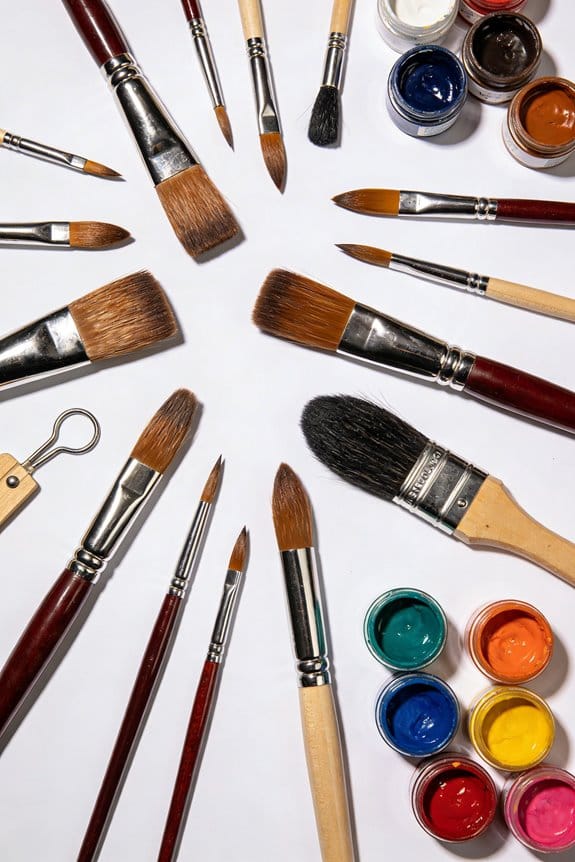
Long Handle vs. Short Handle: Ergonomics for Easel vs. Desk Work

When we choose between long handle and short handle brushes, we should consider our workspace. Long handle brushes, about 12 to 14 inches, are great for easel work. They promote good posture and allow for free movements. Short handle brushes, about 6 to 8 inches, give us better control for detailed tasks at a desk. Using the right brush length can reduce strain and improve our painting technique. Let’s explore how to maximize comfort and efficiency with both types.
Key Takeaways
- Long handle brushes promote an upright stance for easel painting, reducing back and neck strain during extended sessions.
- Short handle brushes excel in precision work at desks, facilitating better control for intricate details and seamless technique transitions.
- Adjusting the easel to eye level enhances neck comfort when using long handle brushes for bold strokes.
- Ergonomic brush designs can reduce strain and enhance comfort, supporting fluid strokes and relaxed grips regardless of workspace.
- Switching between long and short handle brushes can foster creativity while balancing comfort and precision in both easel and desk painting.
Choosing the Right Brush Length for Your Comfort
You may be interested



Choosing the Right Brush Length for Your Comfort
Ever get tired halfway through a painting session and wish you’d made a different brush choice? It’s a common issue for artists. The length of your brush can make a big difference in how comfortable you feel while working on your masterpiece.
For those who love easel painting, long handle brushes are a solid pick. They give you more reach and let you use your shoulder to move, which helps keep your wrists from getting sore. You’re able to hold the brush more loosely, and that relaxed grip is key for those long creative days. On the other hand, if you’re more of a desk painter, short handle brushes can really shine. They let you maintain a neutral wrist position and offer precision for those little details that can take your art to the next level.
So, why does this matter? When you choose the right brush for your painting setup, you’re reducing body strain and can truly focus on the art. It can be the difference between feeling exhausted after a few hours or flowing effortlessly through a creative marathon.
Choosing brushes with ergonomic handle designs can further enhance comfort and reduce hand fatigue during long painting sessions.
To sum it up, finding the right brush length for your style isn’t just about preference; it’s about keeping your body happy while you work. What brush length do you typically reach for?
How Long Handle Brushes Enhance Posture and Technique

Are you tired of feeling the strain on your back and neck while painting? Long handle brushes might just be your answer. They promote a more upright stance, making it easier to work comfortably from a standing position. This can significantly cut down on the discomfort often associated with short handle brushes, especially when sitting for extended periods.
When you switch to long handle brushes, you’ll notice how freely your arms and shoulders can move. This natural movement leads to smoother strokes and can really enhance your painting technique. The extra distance from the canvas is another bonus—it allows you to relax your grip, which helps reduce tension in your hands and forearms. We all know how pesky wrist injuries can be, right? Keeping a neutral wrist position is much easier during those longer painting sessions with these brushes.
You might wonder, “So, why does this matter?” Simply put, better ergonomics lead to better art. With long handle brushes, it’s easier to explore different angles and perspectives without feeling cramped. You can focus on your creativity instead of worrying about discomfort.
Additionally, using a portable adjustable easel can complement the benefits of long handle brushes by promoting proper posture and reducing strain during standing painting sessions.
To sum it up, if you’re looking for a way to improve your paint sessions, give long handle brushes a try. They can make a real difference in your comfort and technique. What’s holding you back from trying them out?
Benefits of Short Handle Brushes for Detailed Work
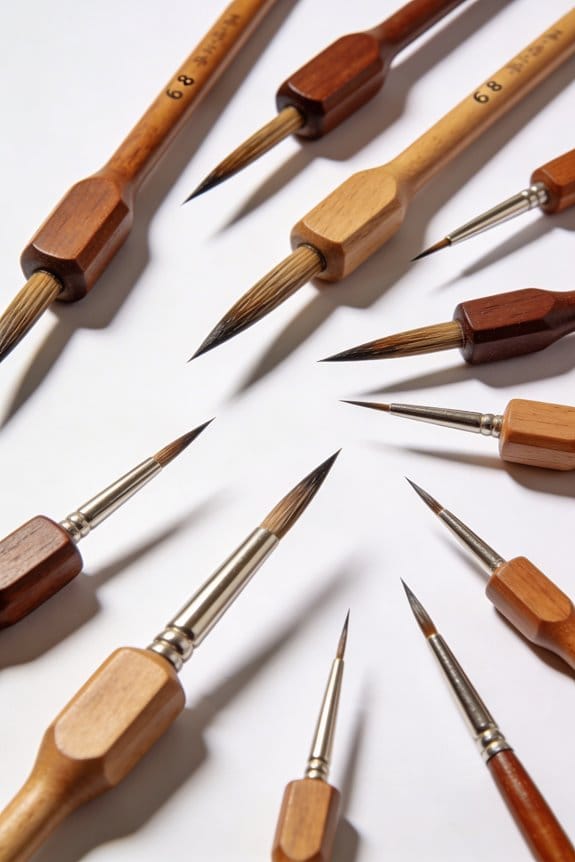
Have you ever struggled with getting those fine details just right when you’re painting? If that’s the case, you might want to consider using short handle brushes. Unlike long handle brushes, which are often better for sweeping motions and comfort, short handle brushes offer the kind of precision that really makes a difference.
These brushes give you better control over your strokes, making them ideal for detailed work. Because of their compact size, you can keep your wrist in a neutral position. This makes a huge difference during those long painting sessions, helping you avoid unnecessary strain. Think about it—who wants pain in the middle of getting creative?
Using short handle brushes allows for seamless transitions between painting techniques, which can help you stay fresh and energized. Plus, their design matches your natural hand movements, boosting your accuracy as you paint intricate textures. Honestly, they shine when it comes to delicate blending or outlining fine lines. You’ll find that being up close with your canvas feels more engaging and helps you connect with your artwork on a deeper level.
Choosing the right tools that support ergonomic design principles can further enhance comfort and precision in your work.
So, if you’re looking for a way to improve your detailed painting without wearing yourself out, give short handle brushes a shot. They’re not just about choice; they’re about making your artistic process smoother and more enjoyable.
Next time you paint, consider what these brushes can do for your detailed work. Are they the missing piece you’ve been searching for?
Setting Up Your Workspace: Easel vs. Desk?
Have you ever felt like your painting experience could be so much better if you just had the right setup? Whether you grab an easel or a desk can really change how you express your creativity. If you decide to use an easel, make sure to adjust it to eye level. This small tweak can ease neck strain, and it really helps with relaxed arm movement, making your strokes feel more natural. For big, bold strokes, try using longer handle brushes—they make a world of difference.
If you prefer a desk, think about going for an adjustable drafting table. This lets you change angles while keeping your elbows comfortably bent at 90°. Trust me, if you’re doing detail work on paper, short handle brushes are your best friend. They give you better control, which means your detailed pieces can shine. A comfortable setup leads to better art, so don’t overlook these adjustments.
Both an easel and a desk have their perks—it just depends on what suits you best. So ask yourself, what feels right for your style? Remember, factors like adjustable height on your easel or desk can greatly improve comfort and productivity.
In the end, whether you choose an easel or a desk, just ensure your workspace feels good for you. What setup are you thinking of trying next?
Finding the Ideal Brush Length for Your Art Style
Choosing the right brush length matters more than you might think when you’re painting. Ever noticed how a long handle can change the way you move your arm? Long handle brushes, usually around 12 to 14 inches, are perfect if you’re working on an easel. They let you stand back, which means your strokes can be longer and more fluid. This distance also helps with keeping your posture in check, which is a bonus for your back.
Now, let’s talk about short handle brushes. Typically measuring about 6 to 8 inches, they shine when you’re tackling those tiny details. If you’re sitting at your desk, these brushes give you the precision you need for fine work. Just think about it—when you need to get close, these brushes are like magic.
Here’s the trick: if you flip between large canvases and detailed pieces often, it’s worth considering investing in both types of brushes. You’ll find that having that balance keeps your painting sessions comfortable and enjoyable. Additionally, choosing brushes with ergonomic designs can enhance comfort during long painting sessions.
Ergonomic Tips for Long Handle Brush Use
When you’re working with long handle brushes, it can sometimes be a bit of a struggle to find the right technique. Ever felt that twinge in your back or soreness in your wrists after a long painting session? That’s why keeping a few ergonomic tips in mind can seriously improve your experience and comfort.
First off, these brushes are great for reaching those high or distant areas, but they also give you a chance to maintain better posture. It’s all about keeping your back straight and your shoulders relaxed. If you find yourself bending or stretching too much, you could be setting yourself up for some discomfort.
Try this: take a step back from the canvas instead of hunching over it. Not only will it improve your perspective, but it’ll also relieve some of the strain on your body. It’s amazing how much better you can see your work when you’re standing at a comfortable distance.
Another tip? Allow your arms to move freely while you paint. Using a relaxed grip can make a huge difference. Fluid strokes will come more naturally, and you’ll likely notice less tension in your hands and wrists.
It’s also helpful to switch up how you hold the brush from time to time. Changing your grip can give your arms different positions to work in and makes those longer sessions much more comfortable.
Additionally, choosing brushes with ergonomic handles can reduce hand fatigue and improve overall comfort during extended painting sessions.
So, why does this matter? Well, the more comfortable you are, the more you can enjoy the process of painting. Recognizing these small adjustments can help you focus on creativity instead of discomfort.
To recap, remember to maintain a good posture, step back for visibility, use a relaxed grip, and vary your holding style. What tips have you found helpful for keeping comfortable during long painting sessions?
Maximizing Comfort With Short Handle Brushes at Your Desk
Have you ever noticed that your wrists start hurting after a long session at your desk? If you’re juggling tasks and spending hours creating, short handle brushes might just be what you need for a bit of relief and comfort.
These brushes encourage a controlled grip that helps you make those precise strokes without straining your wrists. A relaxed wrist position can save you from repetitive strain injuries like carpal tunnel syndrome—something you definitely want to avoid when working for extended periods.
With their compact size, short handle brushes bring you in closer to your work, so you won’t have to reach awkwardly. Better positioning supports various techniques while keeping your posture relaxed. Bold moves or fine details can feel easier, too.
Try this: if you pair short handle brushes with a table easel, you can set up your workspace for more comfort. An angled surface helps create an ergonomic space, reducing glare and letting your hand movements flow naturally. The best part is, promoting good habits can make a world of difference in your overall experience.
Additionally, choosing brushes with ergonomic handles can further enhance comfort by reducing hand fatigue during long painting sessions.
Addressing Common Challenges With Each Brush Length
Have you ever noticed how much brush length can affect your creative flow? It really can make or break your comfort and technique while you paint. Long-handled brushes allow you to move your arm more fluidly from a distance, which is great for big strokes. They can reduce strain on your wrists and shoulders. But, here’s the catch: using these brushes means you need to maintain an upright posture to keep neck pain at bay. It takes conscious effort, but it’s worth it when you’re in the zone.
On the other hand, short-handle brushes give you amazing control when working at your desk. They’re perfect for those detailed touches. However, if your workspace is too low, you might find yourself hunching over, which isn’t good for your back. A simple fix? Adjust your seating and the height of your canvas.
What about the grip? The angle at which you hold your brush matters more than you think. It can impact your wrist position and overall ergonomics while you’re creating. So, make sure you’re paying attention to how you’re holding it as you work.
To wrap it up, both types of brushes have their pros and cons. Long handles are great for freedom of movement, while short handles are better for precision work. Are you ready to find the right brush for your style? Remember, using tools designed with ergonomic features can greatly enhance comfort and reduce strain during your creative sessions.
Tips for Balancing Long and Short Handle Brushes in Your Technique
Balancing long and short handle brushes can really step up your painting game. Have you ever thought about how your posture can affect your artwork? It’s interesting, isn’t it? While you’re painting, switching between standing and sitting can help you handle these brushes better.
Long handle brushes are perfect for those moments when you’re standing at the easel, letting you reach those big, sweeping strokes. On the other hand, when you’re seated, short handle brushes give you the precision you need for those intricate details. Honestly, making the switch isn’t just about the brushes themselves; it’s about how you feel while painting.
So, here’s the trick: start your session with the long handles for those broad strokes, then transition to the short handles for the finer touches. This little change can really keep you comfortable and help avoid strain. You get to keep your creativity flowing without being limited by your brush choice.
Additionally, preparing your surfaces well with multiple coats of primer can enhance the final texture and adhesion of your paint, complementing your brush technique.
Frequently Asked Questions
What Is the Best Ergonomic Position for Drawing?
When we draw, prioritizing posture is essential. We should keep our canvas just below eye level and use a tilted surface. Good drawing techniques enhance comfort and protect our bodies from strain during long sessions.
What Is the Best Height for a Desk Ergonomics?
The best desk height for ergonomic adjustment is between 28 to 30 inches for sitting and 38 to 42 inches for standing. It keeps our elbows at a right angle, promoting comfort and reducing strain.
What Is the Best Type of Easel?
“The best tool for the job makes work a pleasure.” For our needs, we love portable easels with a matte finish; they offer versatility and comfort, making them perfect for both studio and outdoor settings.
Is It Better to Draw Standing or Sitting Down?
We believe it depends on our needs. Drawing standing offers mobility and energy, enhancing creativity, while seated comfort provides stability for detailed work. Alternating between both can really improve our artistic experience and reduce fatigue.


