As an Amazon Associate, we earn from qualifying purchases. Some links on this site are affiliate links at no extra cost to you. Our recommendations are based on thorough research and editorial judgment.

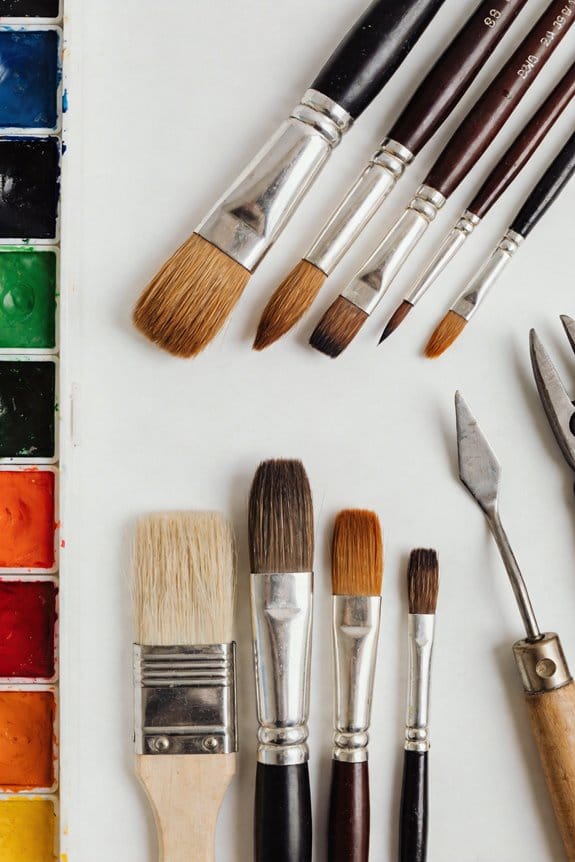
Natural vs. Synthetic Bristles: When to Use Which

When deciding between natural and synthetic bristles, we should consider our project needs. Natural brushes, made from animal hair, excel in blending and hold paint well, ideal for oils. Synthetic brushes, crafted from nylon, suit acrylics best due to their easy cleaning and durability. Using the right brush can enhance our painting. For best results, it’s essential to match brushes with our chosen paint. Let’s explore more about brush techniques and maintenance to elevate our artistry.
Key Takeaways
- Use natural bristle brushes for oil paints to achieve rich color saturation and silky finishes.
- Choose synthetic brushes for acrylics to avoid visible brush strokes and ensure a smooth application.
- Synthetic brushes are versatile and suitable for multiple mediums, making them ideal for beginners or frequent use.
- Natural brushes excel in blending and texture creation, enhancing overall artistry for specific techniques.
- Consider the cost, intended use, and maintenance requirements when selecting between natural and synthetic options.
Understanding Natural vs. Synthetic Brushes: Key Differences
You may be interested

When picking brushes for your art projects, it can feel overwhelming with so many options out there. Ever wondered what the real difference is between natural and synthetic bristles? Let’s dive into it.
Natural brushes, made from animal hair, are great for blending and creating that lovely texture we all love, especially in oil painting or when you’re aiming for soft finishes. But here’s the catch: they need a bit more TLC. If you don’t take care of them, they can easily get damaged.
Synthetic brushes are a whole different ball game. Made from materials like nylon or polyester, they’re tough and super easy to clean. However, because they don’t absorb paint as well, you might find yourself dipping them into your paint more frequently. The trade-off is that they’re often more budget-friendly. If you’re just starting out or want to save some cash, synthetic brushes are a solid choice.
So, why does this matter? Knowing the ins and outs of both types can help you choose the right tools for your artistic journey. The best part is that you can mix and match. Depending on your project, sometimes a combination of both can work wonders.
In addition, considering handle comfort and grip can greatly enhance your painting experience and reduce hand fatigue over long sessions.
Advantages of Natural Bristles for Painting
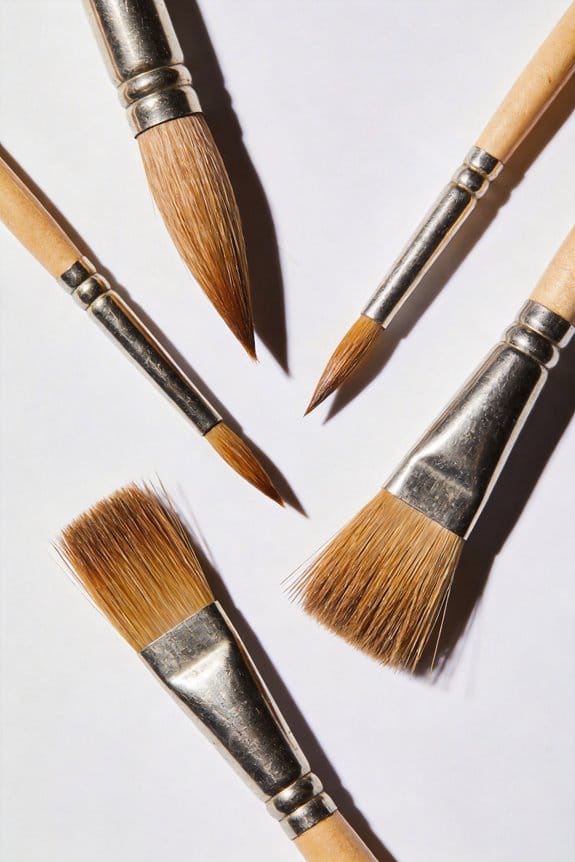
Are you tired of constantly dipping your paintbrush into your palette? If so, you might want to consider switching to natural bristle brushes. These brushes, made from real animal hair, have a knack for holding onto paint better than synthetic options. This means you can make longer, smoother strokes without needing to pause and reload your brush every few seconds.
Natural bristles also shine when it comes to blending colors. The texture of the fibers helps create seamless transitions in your artwork. Plus, there’s something magical about using a brush that softens and becomes more flexible with each use. You’ll notice how much easier it is to work with as time goes on!
Now, I can’t ignore the elephant in the room—these brushes do tend to be pricier. But think about it: they deliver rich color saturation, especially for oil and watercolor techniques. For many artists, that quality makes the investment well worth it.
In addition, choosing brushes with high-quality fibers can significantly improve paint retention and flow during use.
Recommended Products

Designed for use with all paints
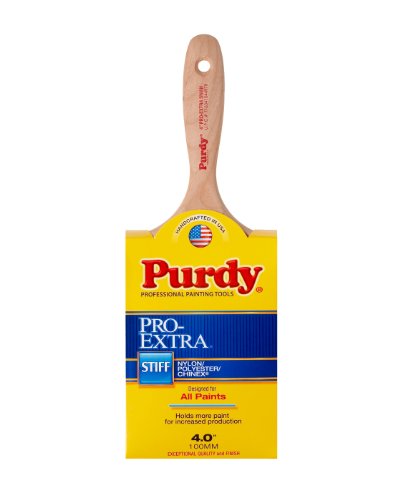
Holds more paint for increased production
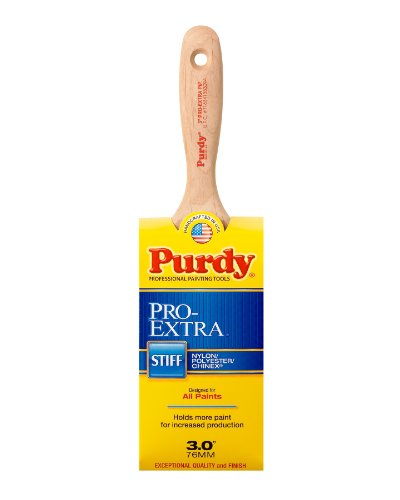
Holds more paint for increased production
Advantages of Synthetic Brushes for Painting
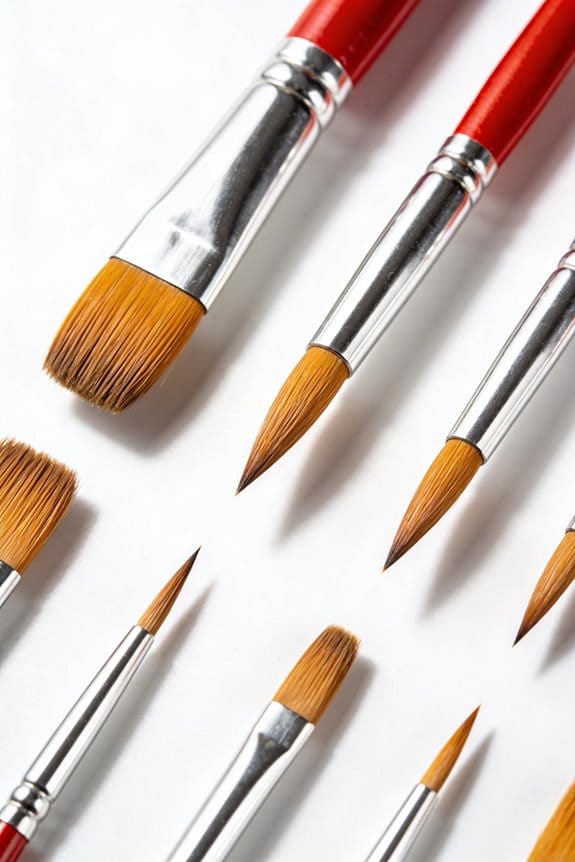
Are you still relying on natural bristle brushes for your painting projects? You might want to reconsider that choice. Synthetic brushes, made from materials like nylon and polyester, have some impressive advantages that can really elevate your painting experience—no matter your skill level.
These brushes are surprisingly versatile. They work well with various paint options, including acrylics and watercolors, so you’re covered no matter what medium you prefer. If you’re on a tight budget, synthetic brushes won’t break the bank, either—they’re often more affordable than their natural counterparts.
So, why does this matter? One major perk of synthetic bristles is their ability to keep their shape. That means less shedding, which can be a real hassle while you’re focused on your artwork. Plus, cleaning them is a breeze compared to natural brushes since they don’t soak up paint or oils. This makes maintenance quick and easy, letting you get back to doing what you love: creating art.
The best part is that synthetic brushes excel when it comes to applying heavy liquids and creams. If you’re aiming for that smooth, streak-free finish in your projects, these brushes are definitely worth trying.
Additionally, many professional-quality sets include a variety of brush types to enhance versatility and support different painting techniques.
Recommended Products

Ebony Splendor: The Ebony Splendor Short-Handled Brush mimics the feel and performance of fine red sable brushes, providing a luxury experience for watercolor artists; Each brush is meticulously handmade and inspected to ensure superb edges and split-proof tips

✈️ COMPLETE TRAVEL SET: A six-brush collection designed for portability and versatility — ideal for artists seeking a wide size range in a compact format.

✒️ LETTERING BRUSH SET IN WOODEN BOX: A curated collection of six round square lettering brushes designed in collaboration with El Diletrista — perfect for sign painting, calligraphy, and expressive letterforms.
Deciding Between Brush Types Based on Paint Compatibility
Choosing the right brush for your painting project can feel like a daunting task. If you’re diving into oil-based paints, grab a natural bristle brush. These brushes really soak up the paint and help you achieve that silky finish you’re after. But if you’re working with acrylics, stick with synthetic brushes. They’re designed to resist absorption, which helps you avoid that frustrating issue of visible brush strokes.
Now, if you’re the kind of artist who likes to mix things up, synthetic brushes are your best friends. They work well across different mediums, providing good performance without the hassle of switching brushes constantly. Just remember, if you accidentally reach for natural bristles while using water-based acrylics, you might end up with paint separation that could throw off your work. So, why does this matter? Simple: choosing the right brush not only enhances your technique but can also elevate the final look of your project.
Think about it – using the wrong brush can be the difference between a smooth application and a messy finish. Honestly, knowing paint compatibility really helps streamline your process. You want your creative ideas to shine, right? Make sure you have the right tools in your arsenal. Moreover, selecting brushes with the appropriate bristle material quality ensures better paint retention and application effectiveness.
In the end, understanding paint compatibility allows you to make informed decisions. So, what brush will you reach for next?
Recommended Products
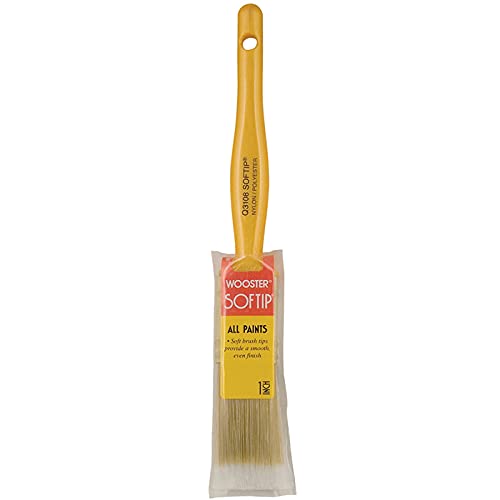
Synthetic blend for all paints, latex and oil-based

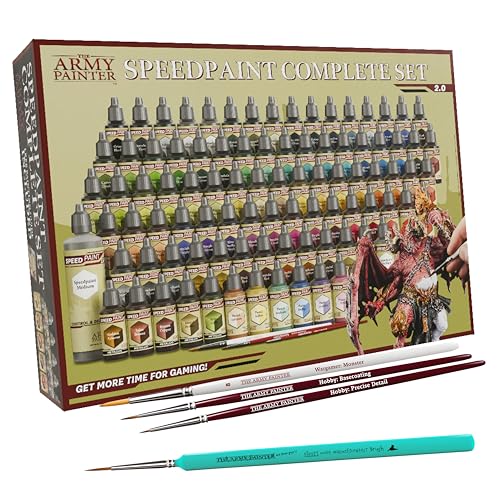
🖌️ SPEEDPAINT 2.0 – With Our New Formula the Goal Was To Make the First True One-Coat Miniature Paint Set for a Wide Range of Army Figures. To Meet That Goal, the Plastic Acrylic Paint Needed To Offer Superior Coverage, Vibrant Saturation, and a Smooth Stainless Finish. Utilizing an Advanced Resin, We Have Been Able To Achieve the Superior Characteristics of Speedpaint.
Essential Brush Techniques for Blending and Finishing
When you’re trying to blend and finish your artwork, it can feel overwhelming to know which brush to choose. Natural brushes are a dream for blending because they hold paint really well and create those soft transitions we all love. If you’re aiming for seamless gradients, these brushes are your best bet. Their unique texture really amps up the visual effects and makes your work pop.
But when you’re working with synthetic brushes, it’s a different ball game. You have to tweak your approach a bit. Try this: use a stippling technique where you gently press the brush to build up layers. It’s all about that light touch and making multiple passes to avoid any harsh lines. No one wants those, right?
Honestly, soft natural brushes are just fantastic when it comes to applying powder. They do a great job of spreading pigments evenly without showing any brush strokes. Understanding when to grab each type of brush can really help you improve your blending skills and finish your pieces beautifully.
Additionally, knowing the differences in bristle performance between natural and synthetic brushes can guide you in selecting the right tool for your medium and technique.
Recommended Products
Durable Materials: Constructed of high-quality, solid wood and plywood, ensuring sturdiness and longevity.

Durable Materials: Constructed of high-quality, solid wood and plywood, ensuring sturdiness and longevity.

Safety & Durability: Enjoy a safe play environment for kids and pets with our artificial grass, featuring a height of 0.8"/20mm. Crafted from soft, lush materials in a realistic 4-tone color, this grass is more durable than natural options. Its enhanced elasticity ensures it resists wear and tear, giving you a vibrant, green lawn all year round. Perfect for yards, play areas, or pet spaces
Care and Maintenance for Natural and Synthetic Brushes
Taking care of your brushes can feel like another chore on your to-do list, right? But trust me, keeping them in good shape makes a huge difference in your painting experience.
When it comes to natural hair brushes, it’s important to be gentle. Try cleaning them with some mild soap and warm water. This routine helps prevent damage and shedding, which can be super annoying. After you wash them, reshaping the bristles is key. Just store them upright or lay them flat so they can dry properly.
Synthetic brushes are a bit more forgiving. You can use soap and water without stressing over harsher cleansers damaging them. Just remember, don’t leave them soaking in water. That can weaken the glue that holds the bristles together.
To keep both types of brushes in top shape, make it a habit to wipe off excess paint after each use. This quick step can really help prolong their lifespan. So, why does this matter? Well, having reliable brushes means better results in your artwork and less money spent replacing them.
Additionally, understanding how different materials like graphite powder blendability affect your art tools can help you maintain and use your brushes more effectively.
In short, caring for your natural and synthetic brushes doesn’t have to be a hassle. Just follow these simple tips to ensure they last longer and perform better. What’s your go-to brush-cleaning tip?
Balancing Cost and Quality in Brush Choices
Finding the right brush for your art project can feel like navigating a minefield. You may think you’ve found the perfect option, only to discover the cost might not fit your budget or the quality isn’t what you expected. Natural brushes are often praised for their blending abilities, but they do come with a higher price tag. On the flip side, they don’t work as well with water-based paints like acrylics, which can limit your options if you’re planning to use them.
Synthetic brushes, however, are a wallet-friendly choice and they hold their own with different types of paint. But here’s the catch: if you’re someone who brushes frequently and hard, those synthetic bristles could wear out quicker than you’d like.
So, what do you do? Consider these points before making your decision:
- Natural brushes are great for smooth blending, perfect for techniques that need finesse.
- Synthetic brushes are versatile and budget-friendly, ideal for experiments with different paints.
- Think about how often you paint and what materials you typically use to determine which is best for you.
Truth is, weighing cost against quality can feel daunting. But the right choice, whether it’s a high-quality natural brush or a reliable synthetic one, can make a noticeable difference in your final piece. This is the kind of investment that pays off in your artwork, so it’s definitely worth some thought.
As you consider your options, remember that every artist’s needs are different. What’s your top priority when selecting a brush: cost, quality, or a bit of both?
Also, keep in mind that brush materials impact durability and application performance, which can influence your long-term satisfaction with the brushes you choose.
Recommended Products

✔【Professional Water Curtain Spray Booth】This spray booth is equipped with a high-powered fan (1480 cubic meters/hour) and a high-speed water curtain (2200 liters/hour), creating a safe and smoke-free working environment. It can absorb particulate matter and fumes more quickly and thoroughly, ensuring a cleaner and healthier working environment.

📝 NEW FORMULA 📝 - Our goal with Speedpaint was to create the first true single-coat acrylic plastic paint solution. To achieve this, this set of acrylic paints needed to offer superior coverage, vibrant saturation and a smooth, rustproof finish. By using an advanced resin, we were able to achieve the superior characteristics of Speedpaint while also making the paint more durable.

Premium Watercolor Set: This watercolor paint professional collection includes 36 half pans with assorted colors; Perfect for any watercolorist, designed for luminous washes and vibrant fine art watercolor paintings
Real-World Applications of Brush Techniques
Ever find yourself staring at your blank canvas and wondering which brush to pick? It’s a common dilemma for many artists, but understanding the real-world applications of different brush techniques can really help make your decision easier.
Natural and synthetic bristles each come with their unique sets of advantages. Natural bristle brushes are fantastic for blending. If you’re working on oil paintings and want to create those soft shifts, especially in natural scenes like trees or grass, these brushes do the trick beautifully. On the flip side, if acrylics are your medium of choice, synthetic brushes generally perform better. They provide that smooth finish you’re after, without leaving behind any distracting brush strokes.
When it comes to heavier liquids, synthetic brushes shine as they spread paint evenly and keep the bristles from absorbing too much liquid. This is especially important for those makeup applications you might be doing on the side. If you need precision for details or stippling, short-bristled synthetic brushes offer great control too.
For dry-brushing techniques, there’s really no need to splurge on expensive brushes. Affordable synthetic options are not only durable but also effective, meaning you won’t have to worry about them wearing out quickly. So, why does the choice of brush matter in the long run? It really tailors to what you’re working on, making your projects more enjoyable and successful. High-quality Taklon bristles contribute to smoother application across mediums, enhancing your artwork’s overall effect.
Frequently Asked Questions
Can I Use Natural Bristles for Acrylic Paint?
They say, “Different strokes for different folks.” We can use natural bristles for acrylic paint, but we must consider their flexibility, adhesion properties, and drying times. Technique variations with bristles can make a difference.
How Do I Determine Brush Quality Before Purchasing?
To determine brush quality, we consider brush materials, bristle types, brand reputation, and price comparisons. Checking customer reviews helps us gauge performance and durability, ensuring we make informed choices for our painting needs.
Are There Hybrid Brushes Available in the Market?
Yes, hybrid brush types are available! We love their versatility, offering advantages of both natural and synthetic bristles. When comparing hybrid vs. natural or hybrid vs. synthetic, we recommend exploring the best hybrid brands for your needs.
What Is the Expected Lifespan of Natural vs. Synthetic Brushes?
Natural brushes typically last longer than synthetics, but require more maintenance. In our cost effectiveness analysis, synthetics may be cheaper initially, though user experience feedback suggests durability benefits for natural options. Environmental impact’s worth considering, too.
Can I Clean Synthetic Brushes With the Same Solvents as Natural Ones?
We can clean synthetic brushes with many of the same cleaning solvents used for natural ones. Curiously, about 70% of brush longevity depends on proper cleaning techniques and solvent compatibility in our brush maintenance routine.


