As an Amazon Associate, we earn from qualifying purchases. Some links on this site are affiliate links at no extra cost to you. Our recommendations are based on thorough research and editorial judgment.


Student Grade vs. Artist Grade Paints: Analyzing the Pigment Load

When we compare student-grade and artist-grade paints, pigment load is a key factor. Student-grade paints typically have around 20% pigment, making colors less vibrant and requiring multiple layers for opacity. In contrast, artist-grade paints contain 40%-60% pigment, providing richer colors and better coverage. This higher pigment load means fewer layers and better mixing for a smoother workflow. Understanding these differences helps us choose the right paint for our projects. Explore further, and we’ll uncover even more insights.
Key Takeaways
- Student-grade paints contain around 20% pigment, resulting in less vibrancy and requiring more layers for desired effects.
- Artist-grade paints, with a pigment load of 40%-60%, offer richer colors and better coverage due to higher quality pigments.
- Higher pigment load in artist-grade paints allows for easier blending and layering, enhancing artwork consistency and workflow.
- Student-grade paints are cost-effective for practice, while artist-grade paints justify their higher price with superior performance and outcomes.
- Choosing the appropriate paint grade based on project quality can significantly impact the final appearance and vibrancy of the artwork.
Key Differences Between Student and Artist Grade Paints
You may be interested

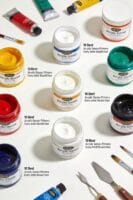

When you’re diving into the world of paints, it can be a bit confusing to decide between student grade and artist grade options. Ever wondered why some paints seem to pop more than others? It often comes down to the pigment load. Student grade paints typically have less pigment, which can leave you with colors that aren’t as vibrant or opaque. On the other hand, artist grade paints pack a punch with higher concentrations of pigments, giving you that rich intensity and better mixing abilities.
Now, think about this: If you’re working on a project where color really matters, you want to make sure you’re using the best materials. Many student paints fill in with cheaper materials that can compromise quality. This means they might not work well when you’re trying to explore different techniques. Sure, student paints are a good budget-friendly option if you’re just starting out, but they don’t quite match up when it comes to overall performance.
So, here’s the trick: Before you buy your paints, consider how serious you are about your work. If you’re passionate and want to dive deep into your creativity, investing in artist grade paints can make a significant difference. The best part is that with higher-quality paints, you often end up needing less to achieve the desired effect, which can save you money in the long run! Additionally, choosing paints with high lightfastness ratings ensures that your artwork retains its vibrancy over time without fading.
Recommended Products

【100% Hand-Painted Mastery】 Every home oil painting is meticulously crafted stroke by stroke by our experienced artists, not by machines or digital printing. From portraits and landscapes to still lifes, the flow of the brush, the layering of colors, and the texture of the paint are evident in every detail. Each piece is truly one-of-a-kind, bringing an artistic soul into your home.

【100% Hand - painted Mastery】: Every pet painting, a form of art and art painting, is painstakingly hand painted by our skilled artists. This ensures a truly unique, one - of - a - kind piece that no print could replicate. Whether it's pet art or portrait painting, the texture, the flow of the brush, and the individual touch are evident in every detail, making it a genuine work of art

Professional Spray Gun features convenient side Pattern Control Knob to adjust size of fan pattern from small to large
Understanding Pigment Load and Its Implications

Have you ever painted something and felt like the colors just didn’t pop like you imagined? That could be because of pigment load. It’s crucial to understand it if you want to choose the right paint for your projects. Simply put, pigment load is how much pigment is packed into a paint mixture.
Typically, artist-grade paints come with a higher pigment load compared to student-grade paints. This means they give you richer colors and better opacity right off the bat. On the flip side, student-grade paints can sometimes leave you frustrated. With their lower pigment loads, you might find yourself layering on multiple coats just to get the effect you want. Plus, these paints often have cheap fillers that can water down the pigments and diminish quality.
So, why does this matter? If you’re aiming for consistent results, artist-grade paints are often the way to go. They tend to perform better and offer you versatility for all kinds of artistic endeavors. Look for options that emphasize a high pigment load, and you’ll be able to create those clean, vibrant results you’re after.
Before you hit the store, consider your artistic needs. Are you trying to achieve bold colors or more subdued shades? Keep in mind that the right paint can truly enhance your creativity. Remember, it’s all about choosing the tools that help you express yourself best. Additionally, understanding the consistency and texture of paints can further refine your choice to match your artistic style.
How Does Pigment Load Impact Color Quality and Opacity?

Have you ever painted something only to find that the colors don’t pop like you imagined? It’s frustrating, right? The culprit often lies in the pigment load of the paint you’re using. Essentially, the more pigment in the paint, the richer the color and the better the opacity.
When it comes to high-quality paints, they typically hold about 40% to 60% pigment. This is why artist-grade options give you those vibrant and bold hues we all love. On the flip side, student-grade paints have a much lower pigment load, often around 20%. This means the colors can end up looking a bit dull and flat. You might find yourself layering it on just to achieve something close to what you want. It’s a labor of love that can be pretty frustrating!
So, how does this affect your work? If you’re after smooth blending and rich layers, going for those high-quality paints really pays off. They allow you to create without losing that critical opacity that makes your colors stand out. Honestly, you won’t have to work as hard to get the results you crave.
In the end, understanding pigment load can make a big difference in your painting journey. Remember, choosing the right paint helps you avoid that dull look and gives you a better chance at creating those stunning visuals you imagine. Are you ready to elevate your painting experience? High-pigment paints often feature a creamy consistency that facilitates blending and layering for superior artistic effects.
Recommended Products
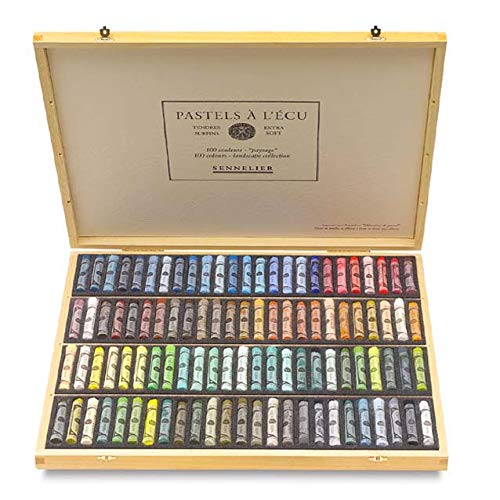
Manufacturing process of the Sennelier cylindrical pastel does not compress the paste, and the pastel dries naturally in open air

🎨 THE BRAND: Schmincke has been producing the best, finest artists' colors Made in Germany since 1881 and they are available in over 60 countries. The range includes watercolors, acrylics, oil colors, pastels, gouache colors, airbrush colors and much more.

Professional Master Performance Acrylic Paint Airbrushing System with an Iwata Brand Model HP-CS Eclipse Dual-Action Gravity Feed Airbrush Set along with a U.S. Art Supply Water-Based Acrylic Airbrush Paint Kit with 12 Popular Primary Opaque Colors in 1 oz. Bottles plus Reducer and Cleaner.
Mixing Techniques: How Does Pigment Load Impact Your Paint Workflow?
Mixing techniques really can shape how you approach painting. Ever tried using student-grade paints, like burnt sienna? It can be frustrating. With their lower pigment load, the colors lack vibrancy and often lose their intensity. You’ll probably find yourself layering multiple times just to get decent opacity, which slows you down.
Now, let’s talk about the perks of artist-grade paints. These high-quality paints have a much higher pigment load, giving you richer colors and better coverage, often in just a few layers. That’s a huge time-saver! Plus, they tend to be thicker, which makes it easier to get those consistent mixes you’re after.
So, why does this matter? Choosing the right paint can seriously influence not just the colors you achieve, but also how efficiently you work overall. It’s all about making your process smoother. And remember, if you want to enjoy a more vibrant painting experience, investing in better paints is the way to go.
Ultimately, you’ll find that the choice you make affects your entire workflow. Have you ever thought about how much time you spend on layering? Consider making a switch for a more enjoyable painting process. Additionally, selecting paints with a fast-drying property can further enhance your efficiency by allowing quicker layering and adjustments.
Recommended Products

· 100% Cotton Canvas for Painting – Triple Primed & Built for Artists Premium stretched white cotton canvas, triple gesso-primed for instant use. No prep needed. Made for acrylic, oil, tempera, gouache, and mixed media. Perfect for pros, teachers, students, and crafters.

🎨 THE BRAND: Schmincke has been producing the best, finest artists' colors Made in Germany since 1881 and they are available in over 60 countries. The range includes watercolors, acrylics, oil colors, pastels, gouache colors, airbrush colors and much more.

Is Higher Pigment Worth the Cost?
Why should you think about splurging on artist-grade paints when there are student-grade options that are easier on your wallet? The truth is that professional-grade paints pack a higher pigment load, which means you’re getting bolder colors and better opacity. This is a big deal, especially if you want to add depth to your artwork without piling on layers. You’ll find that it saves you time and improves your projects.
Now, I get that student-grade paints are appealing because of the lower price. But here’s the downside: they often come with fillers that water down the vibrancy of the colors. That means you’re likely using more paint to cover the same area, which can beat the whole point of saving money in the first place. Plus, artist-grade paints hold their color integrity when mixed, leading to cleaner, brighter palettes.
So, if you’re working on anything that really matters or trying to achieve top-notch quality, investing in artist-grade paints can be a no-brainer. They can really make a difference in how your artwork stands out and gives it that professional touch.
In the end, consider how much you value your craft. Are you ready to invest in making your art truly pop? Keep in mind that the pure pigments and advanced resin technology in artist-grade paints ensure vibrant, long-lasting colors you can trust.
Recommended Products

📝 NEW FORMULA 📝 - Our goal with Speedpaint was to create the first true single-coat acrylic plastic paint solution. To achieve this, this set of acrylic paints needed to offer superior coverage, vibrant saturation and a smooth, rustproof finish. By using an advanced resin, we were able to achieve the superior characteristics of Speedpaint while also making the paint more durable.

Ultra-Matte Velvety Finish - non-reflective, easily scannable for transferring to digital format.

Age Group: Toddler
When Is Each Paint Grade Appropriate for Your Needs?
Choosing the right paint grade can feel overwhelming, especially if you’re just starting out or working on something important. So, what’s the best way to navigate your options?
For beginners, student-grade paints are usually a smart choice. They’re wallet-friendly and perfect for experimenting without the fear of wasting costly pigments. You can really focus on learning techniques and building your skills without financial stress hanging over your head.
On the flip side, if you’re tackling a serious project or want those colors to pop, artist-grade paints are the way to go. They have a higher pigment concentration, which means richer colors and better mixing options. Sure, student paints work fine for quick projects, but using them for something bigger might leave you with duller results.
Here’s a trick: think about your skill level, the requirements of your project, and your budget. Balancing these factors will lead to the best outcome for what you’re trying to achieve.
Additionally, selecting paints with good lightfastness ratings ensures that your artwork will maintain its vibrancy over time.
In the end, it all boils down to what you need and want. Are you ready to invest in better quality paints, or is it more important to keep costs low for now?
Recommended Products
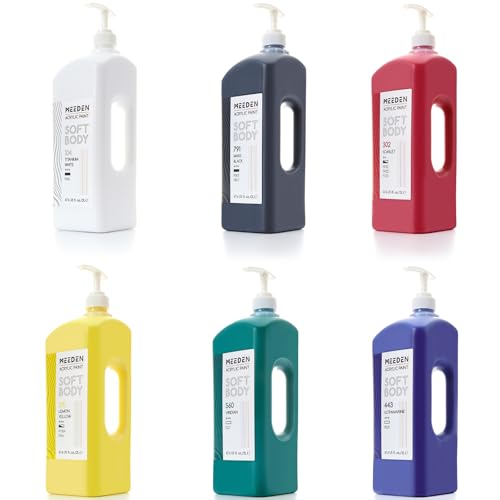
Excellent Consistency: Dispense and enjoy a honey-like creamy body texture that maintains sharp edges while self-leveling for glass-smooth application. Its moderate viscosity allows you to create sharp lines, apply translucent shading, or cover large areas without adding water. With grade B adhesion, it is ideal for canvas, wood, metal, glass and some easter DIY crafts

Contents: 0.7 fl oz (20 ml) No. 6 tubes, 90 colors (all colors)

Value-packed 40 Color Set: Get the entire spectrum with crazy value to replace a whole rack of paint. Enjoy color high saturation and pure hues with MEEDEN color stability technology, ensuring consistent color performance whether you're applying a thin layer or a thick coat.
Can Student Grade Paint Help You Learn?
Have you ever felt like you need to invest a ton of money in artist-grade paints just to get better at your craft? Well, here’s something you might not have considered: student grade paints can really help you learn without breaking the bank.
These paints are often easier on your wallet, so you can practice more freely. Sure, they come with a lower pigment load, which means you’ll need to apply more layers to get those vibrant colors you’re aiming for. But that’s not a bad thing! It encourages you to work on crucial techniques like layering and blending—skills that every aspiring painter should master.
You might find that mixing colors feels a bit trickier with student grade paints, and it’s true that sometimes the results can be a bit muddier. But think about it: navigating these challenges actually helps you understand how various pigments behave. So, why does this matter? Because learning how to adapt with materials that aren’t as forgiving builds your confidence for when you’re ready to tackle those serious projects with artist-grade supplies.
Additionally, many acrylic paints offer fast drying times which can be beneficial when practicing layering techniques repeatedly.
So, if you’re feeling overwhelmed by the idea of spending a lot on high-end paints, you might want to give student grade options a fair shot. Practice with them, experiment, and don’t be afraid to make mistakes. The best part is, you’ll be building your skills every step of the way.
In the end, whether you’re a beginner or looking to improve, these more affordable paints can still lead to valuable lessons in your artistic journey. Are you ready to embrace the process?
Finding the Right Balance: Choosing Your Paint Options
Finding the right balance in your painting supplies can really shape how you grow as an artist. When you’re deciding between student-grade and artist-grade paints, one big factor to consider is the pigment load. Student-grade paints usually have less pigment, which means their colors aren’t as vibrant. You might find yourself needing to layer more for decent coverage.
On the flip side, artist-grade paints come packed with higher quality pigments. This means deeper, richer colors that mix beautifully. For practice pieces or when you’re just getting started, student-grade paints save you some cash and can still aid in sharpening your skills. But when it comes to more serious projects where detail and vibrancy matter, investing in artist-grade paints pays off. It’s also important to consider coverage power and blendability to achieve dynamic techniques in your work.
Frequently Asked Questions
Can Student Grade Paints Be Used for Professional Artwork?
Sure, we can wield student-grade paints for professional artwork! Who needs color vibrancy or durability when we have cost effectiveness? Let’s impress everyone with our “budget masterpieces.” After all, art is just about paint, right?
Are There Brands of Student Grade Paints That Perform Better?
Yes, some student brands offer better performance. We’ve seen positive user reviews highlighting affordability options that compete well with artist-grade paints. A performance comparison can help us choose the right paint for our needs.
Do Artist Grade Paints Have a Longer Shelf Life?
Yes, artist grade paints typically have a longer shelf life due to their higher pigment stability. We’ve found that quality ingredients reduce the chances of deterioration, ensuring our paints remain vibrant for much longer.
How Do Different Mediums Affect Paint Performance?
Different mediums impact paint performance considerably; for instance, medium viscosity influences how smoothly paint applies, while varying drying times can dictate our workflow. We’ve found that experimenting with mediums enhances our artistic expression immensely.
Can Mixing Student and Artist Grade Paints Yield Good Results?
Mixing student and artist grade paints can yield good results if we apply smart mixing techniques and understand color theory. We often find exciting tones, though we should be cautious of differences in pigment quality.


