As an Amazon Associate, we earn from qualifying purchases. Some links on this site are affiliate links at no extra cost to you. Our recommendations are based on thorough research and editorial judgment.


The Difference Between Turpentine and Mineral Spirits

When we’re comparing turpentine and mineral spirits, we find key differences. Turpentine, a natural solvent from pine resin, has a strong scent and is great for oil painting but can lead to peeling if overused. Mineral spirits, made from hydrocarbons, are ideal for thinning paints and cleaning brushes. They often come in odorless forms for a more pleasant workspace. Both require careful handling due to health risks, but there’s more to learn about using them effectively.
Key Takeaways
- Turpentine is a natural solvent derived from pine resin, while mineral spirits are composed of synthetic aliphatic hydrocarbons.
- Turpentine offers stronger scent and is primarily used for oil painting, whereas mineral spirits are favored for thinning and cleaning due to their lower odor.
- Excessive use of turpentine may weaken underpaint layers, causing peeling; mineral spirits are less likely to cause such issues.
- Both solvents can irritate skin and respiratory systems; proper ventilation and safety practices are vital for their use.
- Turpentine should be stored in a dark place to retain quality, while mineral spirits have less stringent storage requirements.
Turpentine: Uses and How It’s Made
You may be interested



Have you ever noticed that artists often swear by certain solvents, and turpentine is usually at the top of the list? It’s easy to overlook, but this powerful natural solvent comes directly from pine trees. Turpentine is made from the distillation of pine resin, which is basically the sap of these trees. Its strong odor is way more intense than synthetic options like mineral spirits, so be prepared for that!
When it comes to oil painting, turpentine’s role is crucial. It acts as a thinner and helps blend colors while speeding up drying times thanks to its quick evaporation. But here’s the trick: you want to use artist-grade gum turpentine for the best results. Skimping on quality with household options can lead to gum residue that might ruin your artwork. Nobody wants to deal with that mess!
So, why does this matter? Well, while turpentine does wonders for your paint, excessive use can weaken the underpaint layers. This can lead to peeling in your finished pieces, which is definitely not the look you’re going for.
Remember, handling turpentine carefully is key! It’s a powerful tool, but it deserves respect in your art practice. If you’re looking to take your painting to the next level, consider giving gum turpentine a try.
For improved results, many artists prefer to use fast-drying acrylic paints when working on top of oil-based underlayers to speed up project timelines.
In the end, using quality materials will really make a difference. Have you used turpentine before, and how did it go for you?
Recommended Products

𝗛𝗜𝗚𝗛 𝗣𝗨𝗥𝗜𝗧𝗬 𝗡𝗔𝗧𝗨𝗥𝗔𝗟 𝗦𝗢𝗟𝗩𝗘𝗡𝗧: Chemfulfill Turpentine is distilled to high purity, making it ideal for dissolving resins, waxes, and oils. It’s a go-to solution for industrial and DIY projects, ensuring efficient results with every use.
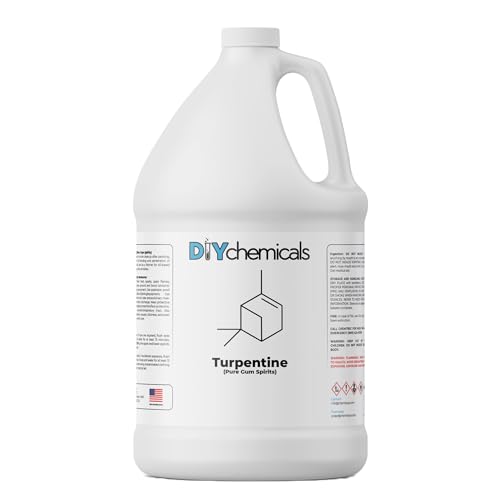
✅ [ High Purity Gum Turpentine ] – We have crafted this solvent solution of 100% Pure Spirits of Gum Turpentine. Our team has sustainably extracted this natural element directly from the sap of pine, making it perfect for artists' painting or varnish applications. It is a must have for painting, cleaning, adhesion and removing stains!
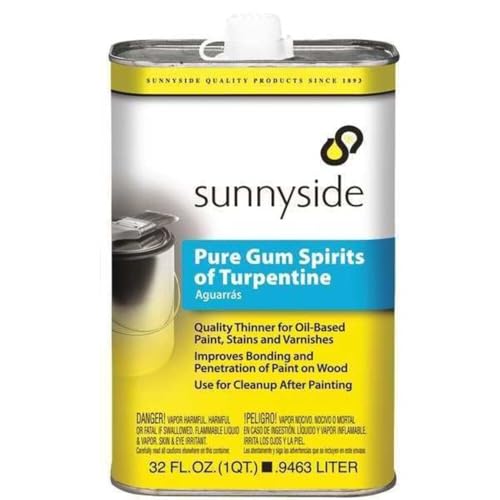
Made in United States
Mineral Spirits: Composition and Uses
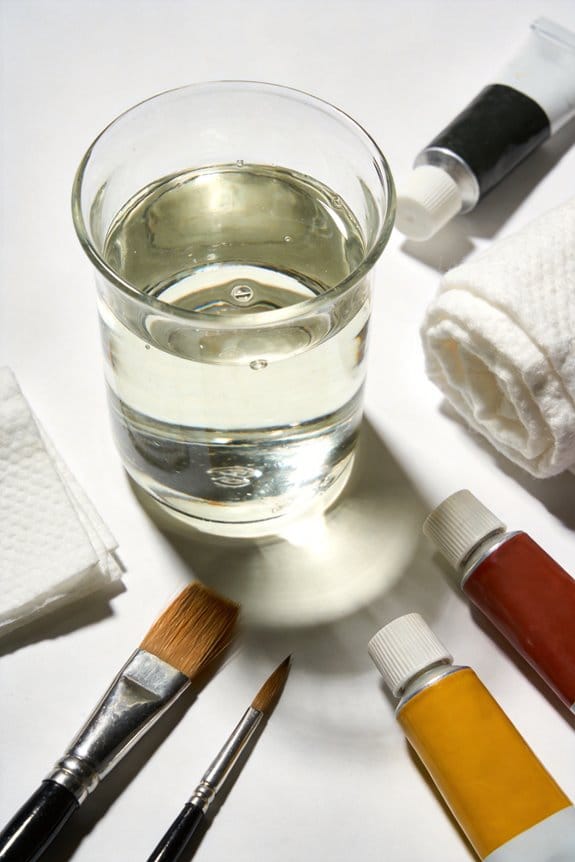
Are you ready to tackle that painting project, but feeling a bit overwhelmed by how to get started? You’re not alone! Mineral spirits are a go-to for many painters and DIYers when it comes to handling oil-based paints and varnishes.
These solvents are mainly made up of aliphatic hydrocarbons like hexane, heptane, and octane. They can really simplify your life by helping to thin those tougher paints or varnishes you might be using. Once you’re finished painting, mineral spirits can help clean up your brushes and tools, keeping everything in good shape for next time.
If you’re planning to work indoors, consider using odorless mineral spirits. Trust me, they make the experience much more pleasant since they’re less irritating compared to regular versions. Plus, they typically have lower levels of toxic substances thanks to reduced aromatic hydrocarbons.
Here’s the thing: if you find yourself needing to dissolve wax or oil finishes, mineral spirits do that job well too. Just soak a cloth in the solvent to wipe away any pesky residue. But be cautious! Using mineral spirits incorrectly could lead to uneven paint application, and nobody wants that.
To avoid any mishaps, always take a moment to read the instructions before diving in. You’ll be glad you did. For maintaining your tools and projects, consider using refillable paint markers to promote sustainability and reduce waste.
Recommended Products

Among the most durable coatings for wood protection

Features: Professional grade oil thinner, purified and odor free, aromatic solvents removed, higher safer flashpoint rating, made in the USA, conforms to ASTM D 4236, and Available in 3.4 oz, 8.4 oz, 16.9 oz, 33.8 oz bottles and 1 Gallon
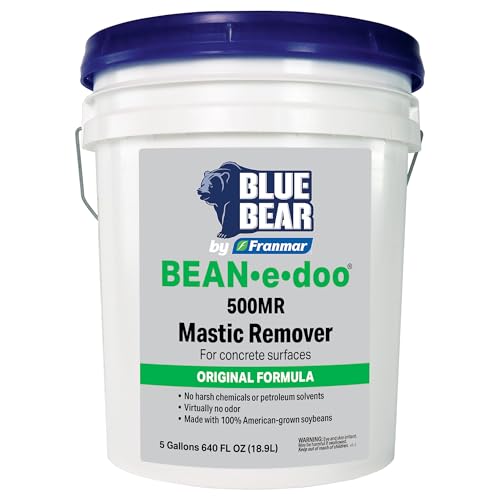
Removes tough mastics and adhesives from concrete, including black/asbestos* mastics and 50+ year-old glues.
Comparing Scents: Why Scent Matters in Solvent Selection
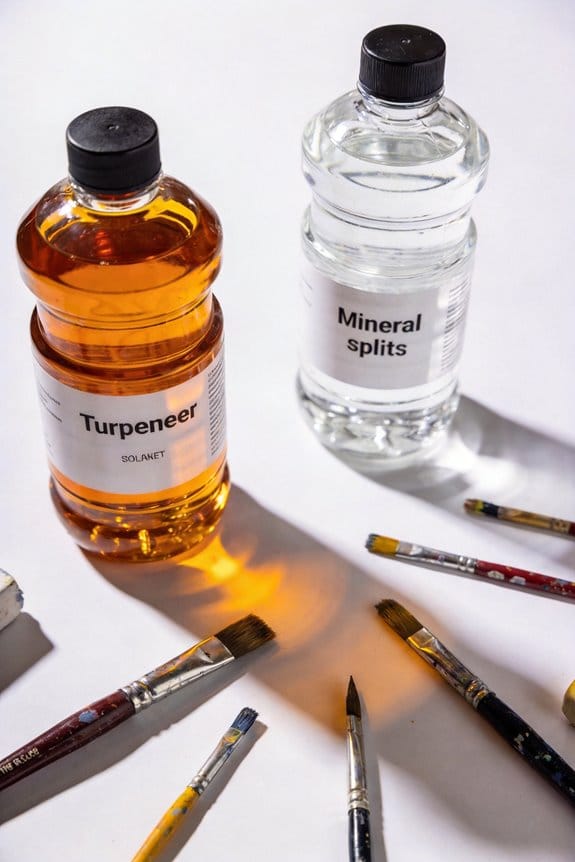
How do you pick the right solvent for your projects? It’s a good question, and one that a lot of artists grapple with. Scent can really influence your experience. Take turpentine, for example. It’s got a strong smell, thanks to its pine resin origins, and that can be pretty overwhelming, especially in cramped or poorly ventilated spaces. If you’re sensitive to odors, this might lead to respiratory irritation or discomfort while you’re trying to create.
On the flip side, there are mineral spirits, particularly the odorless types. These have a much less intense scent, making them a favorite for artists who want to keep the air fresh while working indoors. You might be someone who can’t stand the strong smells of turpentine, or perhaps you just want to avoid any irritation, so these odorless options really come in handy. They help minimize unpleasant scents without cutting down on performance, allowing you to focus solely on your art.
Think about it—when you’re immersed in a long painting session, would you rather be distracted by a potent odor, or enjoy a more neutral workspace? While some artists love the character that comes with turpentine, many prioritize the more subdued aroma of mineral spirits when they’re in it for the long haul. The bottom line is that the scent of your solvent can significantly affect both your comfort and your overall ability to work with your materials effectively. Choosing a medium or solvent with low odor properties can be essential for maintaining a pleasant painting environment.
Recommended Products
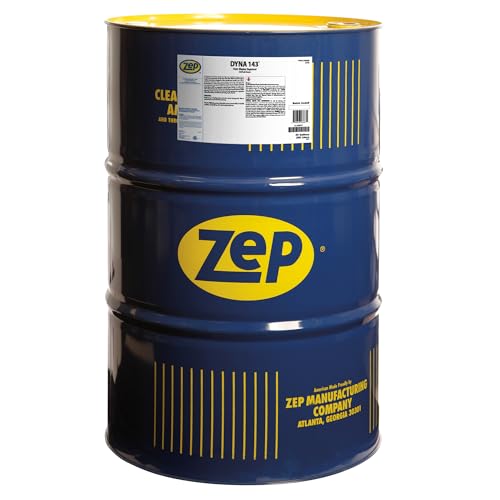
Effective Degreasing: Quickly dissolves and removes grease, oil, and dirt from engine parts, ensuring thorough cleaning and maintenance.

Effective Degreasing: Quickly dissolves and removes grease, oil, and dirt from engine parts, ensuring thorough cleaning and maintenance.

Superior Wood Surface Preservation: DiTEC sets the industry standard for marine surface preservation. This Teak Protector provides a restorative shield against harsh saltwater environments, protecting teak and other wood surfaces for up to 6 months.
Choosing Between Turpentine and Mineral Spirits: Key Differences and Use Cases
Deciding between turpentine and mineral spirits for your art projects can be a bit of a head-scratcher. If you need something that dries quickly and helps with blending your oil paints, turpentine might be the answer. But if you’re sensitive to strong smells or worries about skin irritation, you might want to steer clear.
On the flip side, mineral spirits are often the go-to choice for indoor work. They have lower toxicity levels and come in odorless versions, making them a safer pick if you’ve got sensitivities. Still, there’s a catch: When cleaning your brushes, they can sometimes mess with the bond between oil and pigment, which can lead to uneven applications. So, if you’re looking to keep your colors vibrant and true, turpentine is the winner here.
Always remember to keep the space well-ventilated no matter which solvent you choose. This is crucial for your health and can really make a difference in your overall painting experience. Additionally, choosing low odor solvents can further reduce fumes and improve indoor air quality while you work. So, what do you think you’ll go with for your next project?
Recommended Products

Features: Professional grade oil thinner, purified and odor free, aromatic solvents removed, higher safer flashpoint rating, made in the USA, conforms to ASTM D 4236, and Available in 3.4 oz, 8.4 oz, 16.9 oz, 33.8 oz bottles and 1 Gallon
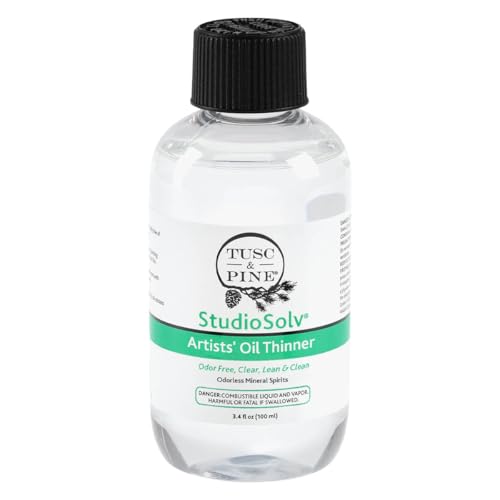
Features: Professional grade oil thinner, purified and odor free, aromatic solvents removed, higher safer flashpoint rating, made in the USA, conforms to ASTM D 4236, and Available in 3.4 oz, 8.4 oz, 16.9 oz, 33.8 oz bottles and 1 Gallon
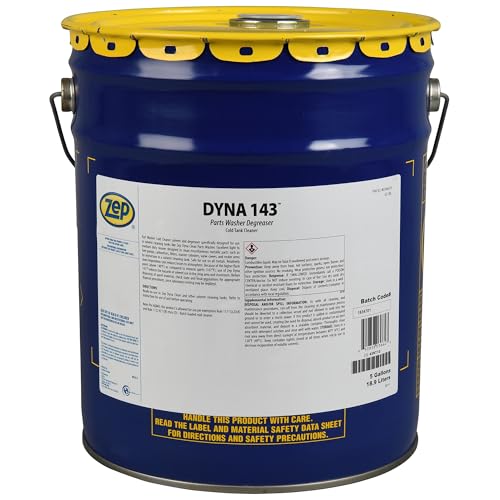
Highly-refined, odorless solvents quickly dissolve and flush away grease, oil and other soil. Low evaporation rate and vapor pressure assure minimal evaporative loss and employee exposure
Health and Safety: Understanding Risks of Each Solvent
When you’re tackling a project that requires turpentine or mineral spirits, it’s crucial to think about the health risks involved. These solvents can mess with your skin and even irritate your lungs. Turpentine smells strong and can trigger allergies, especially if you’re trying to use it indoors without good ventilation. So, what’s the safer choice? Well, mineral spirits, particularly the odorless varieties, are often a better option for indoor settings because they contain fewer irritating chemicals.
Long-term exposure to either solvent can lead to really serious health issues, like chemical-induced pneumonia, which nobody wants to deal with. To keep yourself safe, always wear gloves and ensure you have plenty of fresh air while you’re working. Trust me, prioritizing your health is key when using these products. It’s not just about getting the job done quickly; it’s about doing it safely.
Using tools with a user-friendly design and proper ventilation can also reduce the risks associated with harsh chemical use in art projects.
So, what can you do?
- Keep your workspace well-ventilated.
- Choose odorless mineral spirits if you’re working indoors.
- Don’t skip the gloves, even if it feels inconvenient.
How to Store and Handle Solvents Safely
Want to avoid a messy situation while working with those strong solvents like turpentine and mineral spirits? It’s crucial to store and handle them safely to protect yourself and your workspace.
For starters, turpentine oil should be kept in a dark place. It’s sensitive to light, and you won’t want it going bad on you. Mineral spirits, on the other hand, are a bit more forgiving and can be stored in less strict conditions. Always remember to keep those containers tightly sealed; it helps prevent evaporation and contamination.
When you’re handling solvents, it’s a must to wear nitrile gloves. Trust me, no one wants irritated skin or respiratory issues, so make sure you’re working in a well-ventilated area. Ever thought about where those rags go once you’re done? Rags soaked in solvents should be tossed in airtight containers to greatly reduce the risk of self-combustion.
Here’s a handy tip: make a habit of checking your storage areas for leaks. It’s an easy way to stay ahead of any issues! Plus, keeping proper ventilation in your workspace helps avoid the buildup of volatile organic compounds (VOCs).
In short, safety is key when working with solvents. Using appropriate varnishes with proper ventilation also complements safe handling practices. So why not take a moment to review your storage and handling practices? A little precaution goes a long way in keeping you and your projects safe!
Recommended Products
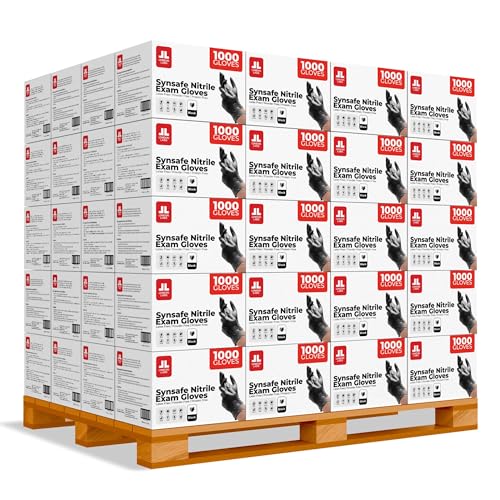
✔️ PREMIUM MEDICAL & INDUSTRIAL STANDARD: London Labs black nitrile gloves are tested to meet U.S. and international medical gloves & industrial standards, including ASTM D6319, ASTM D6978, and EN 455 Parts 1–4. Designed for chemical resistance, they protect against fentanyl &chemotherapy drugs. London Labs disposable gloves are trusted by hospitals, medical supplies and EMT pros, these puncture resistant glove offer reliable protection for caregivers, restaurants, mechanics, janitorial crews.

UNIVERSAL ABSORBENTS: The versatile absorbents in this kit can soak up a wide range of liquids, including water, making it suitable for any spill scenarios.

Portable Vehicle Spill Kit, Ready When You Are: Each Set of Yellow Duffle kit includes 15 universal absorbent pads, 2 sorbent socks,1 pair nitrile gloves, disposal bag, bag tag, and instructions, everything needed for fast, compliant spill response on the go.
Frequently Asked Questions
Can You Use Turpentine Instead of Mineral Spirits?
Yes, we can use turpentine instead of mineral spirits for certain applications, but we should consider the cleaning power, drying time, safety concerns, and environmental impact, along with proper storage needs for ideal results.
What Was Turpentine Used for in the Old Days?
In the old days, we’d think turpentine was just a fancy cleaner, but oh, it had historical uses! From a painting medium to a medicinal wonder, its solvent properties truly showcased pine tree benefits for traditional craftsmanship!
What Is Another Name for Mineral Spirits?
Mineral spirits, often called paint thinner, serve as effective cleaning agents and solvents. We should consider their evaporation rates and odor differences while exploring safe alternatives and usage guidelines for our projects.
Do Painters Still Use Turpentine?
Yes, we still use turpentine, appreciating its advantages like faster drying times, but we also weigh its strong odor and health risks. Many of us now explore eco-friendly alternatives for improved solvent safety and comfort.


