As an Amazon Associate, we earn from qualifying purchases. Some links on this site are affiliate links at no extra cost to you. Our recommendations are based on thorough research and editorial judgment.

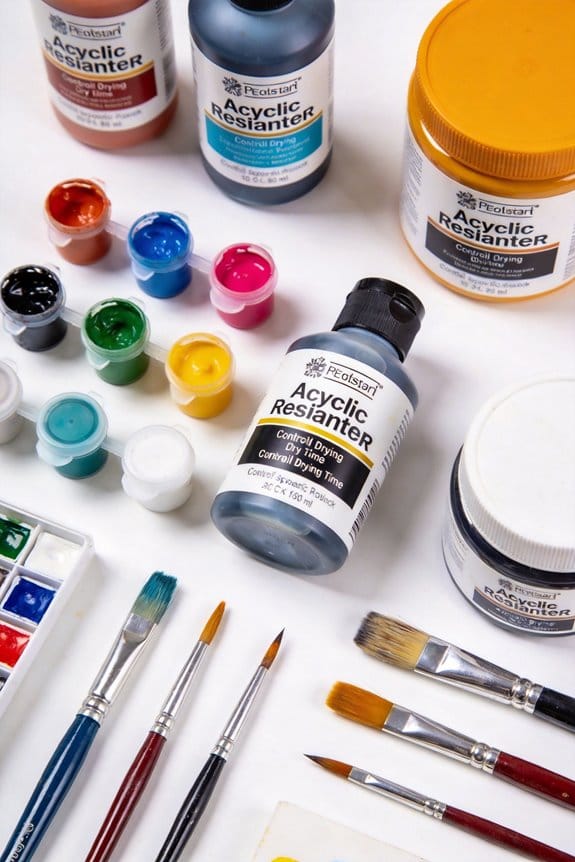
Understanding Retarders: How to Slow Down Acrylic Drying Time

To slow down the drying time of acrylic paint, we can use retarders. They extend drying by about 10-15 minutes, giving us more time for blending. A good rule is to add 10-15% of retarder to the total volume of paint. We should mix them well, especially gel retarders for thick applications and liquid ones for smoother flows. Overusing can cause tacky textures, so it’s best to practice and see what works. There’s more useful info ahead!
Key Takeaways
- Retarders extend drying time by 10-15 minutes, allowing for more detailed work and blending in acrylic paintings.
- Use gel retarders for thick applications like impasto, while liquid retarders are best for fluid techniques.
- Pre-mixing retarders with paint ensures a consistent blend and enhances the flow during application.
- Avoid overusing retarders to prevent tacky textures; keep usage within 10-15% of the total paint volume.
- Consider alternatives like slow-drying acrylic mediums to extend working time without compromising paint properties.
Understanding the Role of Retarders in Acrylic Painting
You may be interested


Are you tired of your acrylic paint drying before you finish those intricate details? It can be super frustrating, right? That’s where retarders come into play. These additives can slow down drying time by about 10-15 minutes, giving you a little extra breathing room to work on your masterpiece.
When using retarders, keep in mind that you don’t want to go over 10-15% of your total paint volume. Mixing them in before you start painting helps ensure that you have a consistent blend, which can really make a difference in how the paint behaves. For those thicker applications, gel retarders are a great option, while liquid ones suit fluid acrylics better.
So, why does this matter? When you experiment with different types and amounts of retarders, you might find that sweet spot for your painting style. It allows you to create detailed artwork without feeling rushed. You can take your time to add those finishing touches without the clock ticking down on you.
In the end, finding the right balance is all about trial and error. Take some time to explore what works best for you, and you’ll notice an improvement in your acrylic paintings. Understanding how workability and flexibility affect drying time can further enhance your control over the painting process. What techniques have you tried to manage the fast drying times of acrylics?
Choosing Between Gel and Liquid Retarders for Your Projects
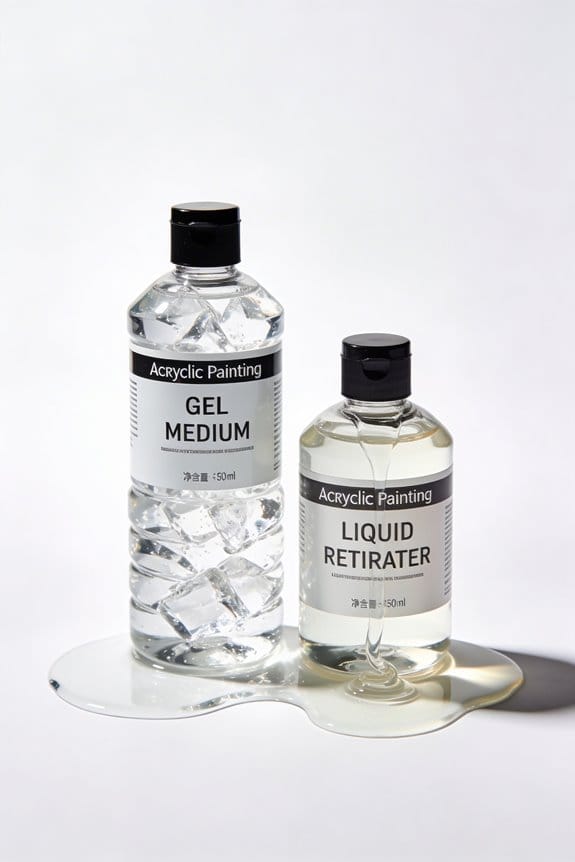
Have you ever found yourself scratching your head over whether to use gel or liquid retarders for your projects? It’s a common dilemma among artists. Gel retarders are thicker, which means they give your paint a longer drying time. This is perfect if you’re using techniques like impasto, where that rich texture really shines. On the flip side, liquid retarders are more fluid and mix into your paint effortlessly, making them ideal for smoother applications.
Here’s the trick: to keep the integrity of your paint, you should stick to no more than 10-15% of the total volume with either type. If you’re working on something detailed, gel retarders really come in handy since they maintain their viscosity. But if you want a lighter application, liquid is the way to go.
You might even want to experiment a bit. Try mixing different ratios of gel and liquid retarders to hit the sweet spot for your specific project. It can be surprising how even small changes can make a big difference.
Additionally, understanding the viscosity and flow consistency of your mediums can help you achieve the best results when slowing drying times.
Ultimately, it’s all about what feels right for you and the look you’re going for. So, which type will you choose for your next piece?
Recommended Products

Universal acrylic formula. Perfect compatibility with all brand lacquers, enamel and urethanes.

BRAND – Speedball’s rich history of manufacturing fine art materials began in Camden, NJ in 1899. Since that time, Speedball’s offerings have grown and evolved but their dedication to providing customers with superior products and service at an affordable price remains the same.

Golden Acrylic Retarder - 32 oz jar
Tips for Using Retarders to Extend Working Time
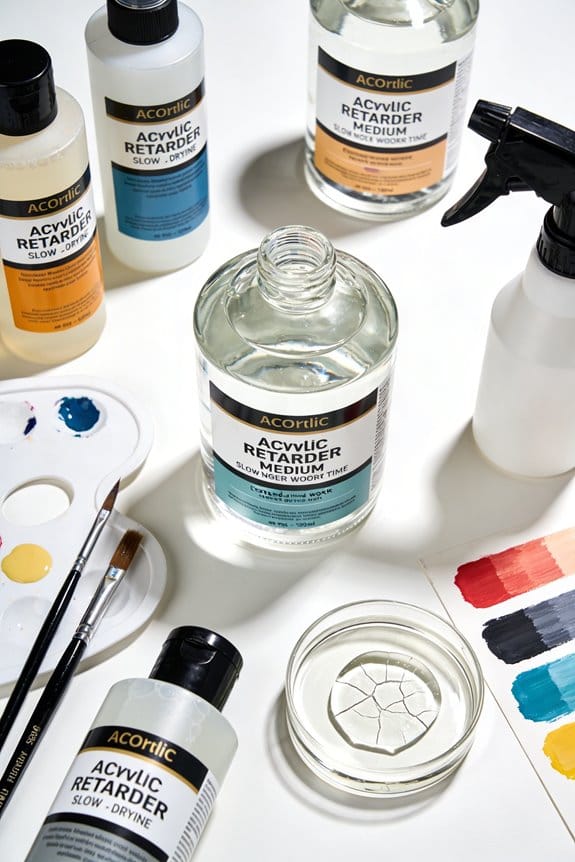
Do you ever find yourself racing against the clock while painting? It can be frustrating when your paint dries quicker than you can work with it. That’s where retarders come in handy. These little additives can extend your working time by an extra 10-15 minutes, making the whole painting process much more enjoyable.
Here’s the trick: make sure retarders only account for 10-15% of your paint volume. Too much—over 25%—can mess with how well the paint sticks to the surface. To get the best results, consider pre-mixing the retarder with each color before you dive into your project. This simple step can really improve the flow of your paint while you’re working.
Now, if you’re into thick techniques, gel retarders are your best bet. They help maintain that luscious texture. For traditional painting, liquid retarders work just fine. So, why does this matter? The right type of retarder can make a significant difference in how your artwork turns out.
Honestly, don’t hesitate to experiment. Every painter has their own unique style, and different brands and types can yield different results. Finding what suits you best might take a little time, but it’s worth it.
To recap: retarders can extend your working time but be cautious with the amounts you use. Experiment with different kinds to see what you like best. Additionally, ensure you are using a non-toxic formulation for safe indoor use. What’s your favorite trick for keeping your paints workable? Happy painting!
Recommended Products
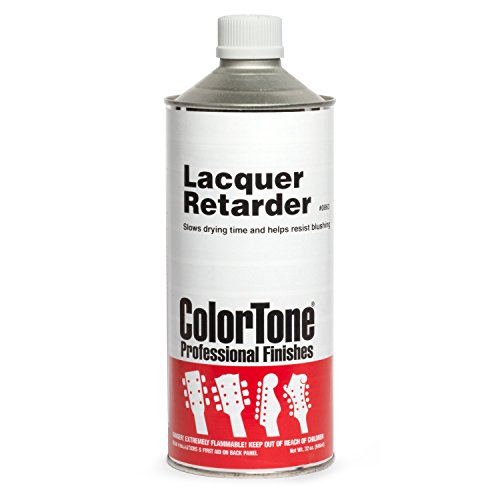
ColorTone Lacquer Retarder is a special blend of water and solvents that slow down lacquer drying times and combat the undesirable effect of “blushing”

Retarder is a thin water-based product designed to slow down the drying time of acrylic paints
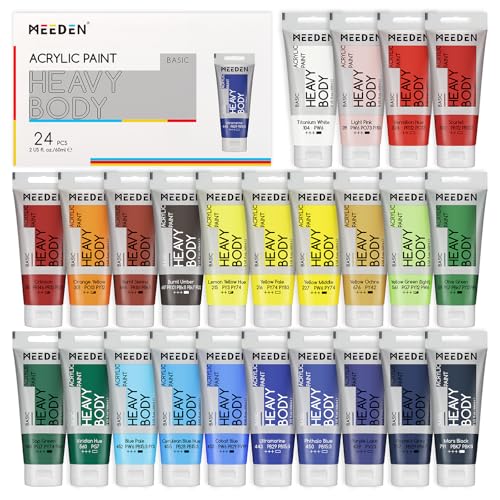
Vibrant Colors: This acrylic paint set features 24 rich and saturated colors with pure hues, ensuring your artwork stands out. Enjoy a balanced brightness that enhances your creative projects.
Optimizing Acrylic Blending With Retarders
Have you ever found yourself wrestling with acrylic paint, wishing for just a little extra time to get everything blended perfectly? It can be frustrating when you’re trying to layer colors but feel rushed. That’s where retarders come in handy. They can give you an extra 10-15 minutes to work your magic, making blending a breeze.
To make the most of these additives, aim to mix in retarders at about 10-25% of your total paint volume. This ratio keeps your paint’s integrity intact while achieving the texture you’re after. Liquid retarders blend smoothly with standard acrylics, while gel retarders are perfect for those thick, textured techniques like impasto.
Honestly, it’s worth experimenting with different types and amounts of retarders. You might be surprised by how a small tweak can change your whole approach. Finding the right combo can lead to smoother shifts in color and better layering techniques in your art.
Keep in mind that different brands offer various consistencies and pigmentation qualities, so choosing acrylics with high pigmentation quality can enhance your blending results.
Recommended Products

Sax Arts & Crafts products are developed by our team of art professionals and former art educators

Ideal for superior surface blending with acrylic paints; Extends drying time up to 40 percent

Retarder is an additive for slowing the drying time of acrylic paints and mediums
Pre-Mixing Retarders for Enhanced Efficiency
Have you ever felt like your painting sessions go off the rails because your paint dries too fast? Planning ahead can really help you here. A simple trick is mixing in retarders with each color before you start. Doing this gives you an extra 10-15 minutes of working time with each hue, making the whole process a lot smoother.
Now, you’ll want to be careful not to overdo it with the retarder. Stick to about 10-15% of the total paint volume. This keeps your paint from getting too thin and maintains its overall quality. If you’re working with thick paint or impasto techniques, gel retarders can be your best friend. They let you control the paint’s consistency better, so you can get the texture just right.
So, how do you get started? Mixing the retarder directly into your paint at the beginning ensures that everything blends well. Plus, you get to experiment with different ratios during your practice sessions. Finding that perfect balance can really elevate your unique style and work environment.
It’s all about making your painting experience more enjoyable and less stressful. Keep these tips in mind for your next session! What techniques have you found helpful when working with your paints? Also, understanding the drying time of acrylic paints helps optimize the use of retarders effectively.
Common Mistakes to Avoid When Using Retarders in Acrylic Painting
Have you ever found yourself frantically trying to finish a painting before the paint dries? Many artists, seeking a bit more working time, often think that adding more retarder is the answer. But trust me, overdoing it can lead to a host of problems. It’s best to keep that retarder to about 10-15% of your total paint volume. If you go overboard, you might end up with a tacky texture that messes with your art’s overall look and feel.
Now, about those water mixes—let’s be real. Adding water to acrylic paints isn’t the best idea. It can dilute the binder and harm your paint’s performance. Instead, try incorporating retarders right before you start painting. It’s a much more effective way to extend your working time without compromising quality.
When you’re figuring out which retarder to use, think about your technique. Gel retarders are fantastic for thicker applications, while liquid ones are perfect for traditional styles. The best part is, experimenting a little can lead you to the perfect mix for your painting style. So, why not take some time to test out different combinations? Remember, quick drying is a common characteristic of acrylics, so managing drying time effectively is crucial to enhancing your workflow and layering.
Alternatives to Retarders: Slow-Drying Acrylic Mediums
When you’re working with acrylics, you might sometimes feel rushed by the drying time. That’s where slow-drying acrylic mediums come into play. These formulas are specifically created to give you extra time to work your magic without messing with the paint’s original properties. Whether you prefer gels or liquids, there’s a good chance you’ll find the perfect fit for your style and technique.
Mixing these mediums with your paint instead of water can also improve adhesion, which is a huge bonus. You want your artwork to have that nice flexibility, right? Brands like Golden Acrylics have slow-drying mediums that can extend your working time by anywhere from 20 to 30 minutes. That’s pretty significant when you’re trying to create that perfect blend or detail.
So, how do you find the right mix? Experimenting with different ratios can help you discover what works best for your personal style. Don’t be afraid to play around with it; you might stumble across something that fits your approach perfectly.
Honestly, finding ways to prolong your working time can make a big difference in your art process. By giving yourself more time, you’re setting yourself up to create with more care and intention. Have you tried any slow-drying mediums before? It’s definitely worth exploring! Also, some mediums offer specific heat-set application methods to improve durability and flexibility, which can complement slow-drying properties beautifully.
Recommended Products
Speedball gel printing plates make it easy for hobbyists and Fine artists alike to create beautiful, one-of-a-kind prints for mixed media art, card-making, journaling and more

Pro Image is a single-component water-based floor-grade urethane for hardwood floors that does NOT require a catalyst

Extra heavy body medium; Dries to a transparent or translucent gloss finish
What Are the Best Brand Choices for Retarders?
Have you ever struggled with acrylics drying too quickly while you’re painting? It’s a common hurdle for many artists, but there are some solid solutions out there to help you keep your paint workable a bit longer. One great option to consider is Golden Acrylics. Their liquid retarder effectively extends the drying time without messing with the integrity of the acrylic polymer. It’s definitely worth a try if you want more flexibility in your work.
Another fantastic product is the Liquitex Slow-Dri Blending Medium. This isn’t just about prolonging your working time; it also improves color blending, which can make a significant difference in your painting process. If you’re a fan of Winsor & Newton paints, look into their Galeria Retarder. It helps keep your colors vibrant while slowing down the drying time, which is a win-win for many artists.
Here’s the trick: when you’re mixing these retarders into your paint, aim for about 10-25% of the total paint volume. Many artists swear by pre-mixing their paint and retarder to ensure a consistent drying time. It can really make your painting experience smoother and more enjoyable. So, why does this matter? Because having that extra time to work on your details can elevate the quality of your artwork. For artists working with oil paints, understanding how drying times vary across different mediums can similarly enhance painting techniques.
Recommended Products


Excellent water based acrylic hobby paint designed to assure modelers of authentic, professional results with greater ease and efficiency.
Produced with soot from burning gas the dark and fine particle size makes this our darkest most neutral black
Frequently Asked Questions
How to Slow Down Acrylic Drying Time?
To slow down acrylic drying time, we can mix in retarders, experiment with different brands, and pre-mix our retarder with colors. By doing this, we enhance our acrylic techniques and enjoy more workable paint.
How to Use an Acrylic Drying Retarder?
To use a retarder effectively, we should mix it into our acrylics at 10-15% of the total volume. Let’s experiment with different ratios for our desired drying time and painting technique!
How to Make Acrylic Dry Longer?
To make acrylics dry longer, we can embrace creative techniques—like using stay-wet palettes and misting our canvas. Immerse ourselves in high-humidity spaces, letting creativity bloom slowly, as time twirls gently around our brush strokes.
What Does Retarder Do to Acrylic Paint?
A retarder extends the drying time of acrylic paint, allowing for better color blending. It gives us extra minutes to work with our colors, ensuring smoother shifts and more vibrant, cohesive artworks.


