As an Amazon Associate, we earn from qualifying purchases. Some links on this site are affiliate links at no extra cost to you. Our recommendations are based on thorough research and editorial judgment.

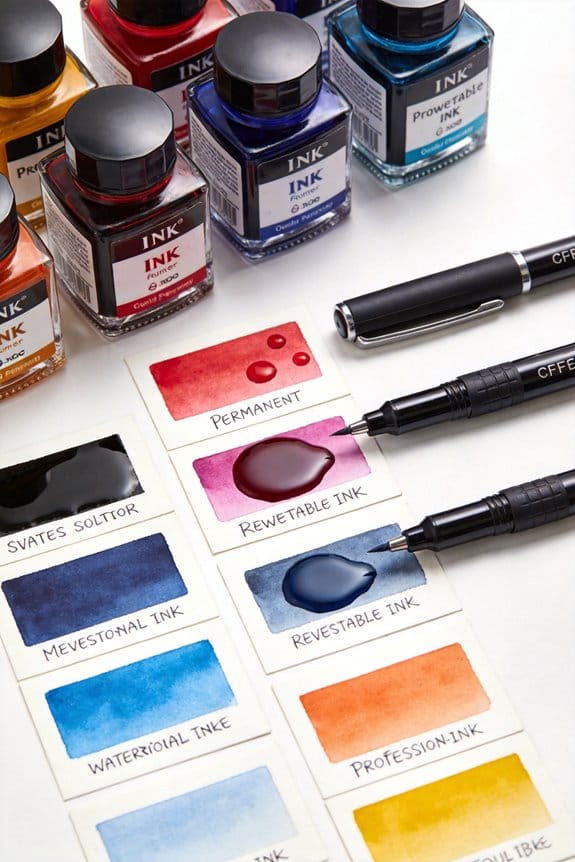
Waterproof vs. Water-Soluble Ink: Knowing Which to Choose

When choosing between waterproof and water-soluble ink, we should consider our project needs. Waterproof ink, often pigment-based, is durable and prevents smudging, making it ideal for important documents. On the other hand, water-soluble ink, typically dye-based, offers rich colors and blending for creative art, but it can fade under moisture. Knowing these distinctions helps us select the right ink easily. Stick around to discover more tips on maximizing our ink choices and their performance.
Key Takeaways
- Waterproof inks are pigment-based, suitable for important documents and outdoor use, resisting smudging and fading over time.
- Water-soluble inks are dye-based, ideal for vibrant artwork and blending, but can fade and blur when exposed to moisture.
- Consider archival quality: waterproof inks last longer for documents, while water-soluble inks are more suited for creative projects.
- Test different paper types; waterproof inks perform well on smooth or textured papers, while water-soluble inks thrive on absorbent surfaces.
- Transitioning between inks requires clean pens and converters; experiment to find the best fit for your specific needs and projects.
Understanding Ink Types: The Importance of Waterproof and Water-Soluble Options
You may be interested

Have you ever found yourself struggling to read your notes after a sudden downpour? Waterproof inks are your best friend in these moments. They often come in a pigment-based format, creating a strong bond with paper. This means they resist smudging and bleeding when wet, making them perfect for important documents or writing outdoors. You can confidently jot down details at a picnic without worrying about rain ruining your work.
On the other hand, there are water-soluble inks. These are usually dye-based and deliver fantastic, vibrant colors and intricate shading. However, here’s the catch: they’re not very moisture-friendly. If they get wet, they can fade or blur, which is why they’re best suited for creative pursuits, like drawing or journaling, instead of anything that needs to stand the test of time. So, if you’re aiming for something artistic, these inks can offer great versatility.
When you’re picking an ink, think about what you need it for. Do you want your notes to remain legible in a sudden storm? Then waterproof inks are essential. If you’re diving into art and want those rich, lively colors, go for water-soluble inks. This knowledge can definitely enhance your writing experience.
Honestly, choosing the right ink can make all the difference in your projects, whether for practical use or personal expression. Faber-Castell markers, known for their archival-quality ink, offer options in both waterproof and water-soluble formats to suit any creative need. So, what ink will you choose for your next writing adventure?
Key Differences: Waterproof vs. Water-Soluble Inks
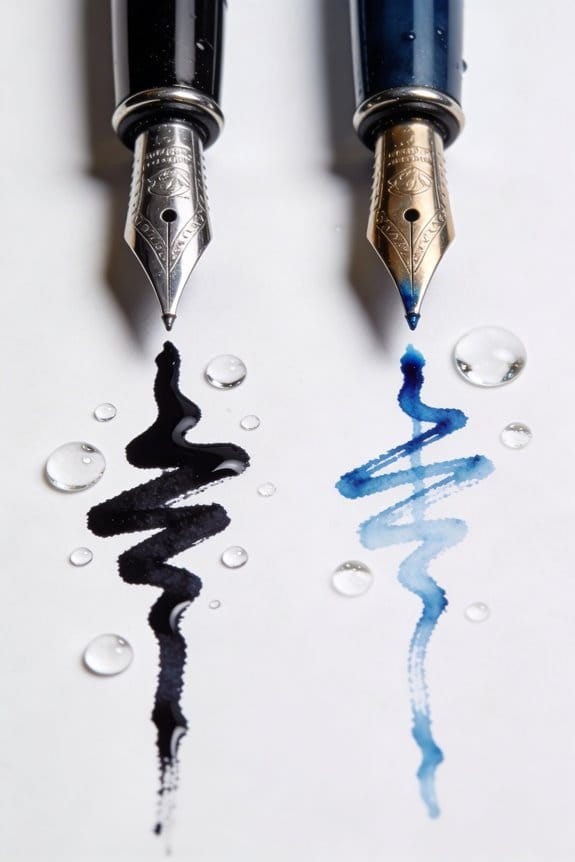
Choosing the right ink can feel overwhelming, especially when you’re faced with questions like, “Should I go waterproof or water-soluble?” It’s a dilemma many of us run into. Waterproof ink is your go-to if you want something that stands strong against water once it dries. This is crucial for things like important documents you want to keep for the long haul.
But here’s where it gets interesting: water-soluble inks can easily blend and dissolve in water. So, if you’re looking for vibrant colors, those water-soluble options might catch your eye—but be warned! The text can sometimes end up blurred if it gets wet.
Let’s break it down a bit more:
- Waterproof Inks: Usually pigmented, they bond well with paper fibers. This means they’re excellent for anything that needs to last.
- Water-Soluble Inks: Typically made with dyes. They’ve got that beautiful color range, but they may not withstand the test of time as well.
So, why does this matter? If you’re after something reliable for writing or archiving, waterproof ink is probably your best bet. However, if you’re diving into some art projects that focus on blending colors and ease of use, then water-soluble inks could be just what you need.
Additionally, choosing the right ink often involves considering the material compatibility with your tools and surfaces to get the best results.
At the end of the day, each ink type shines in its own way, catering to different needs and preferences. What’s your ink style?
Recommended Products

DURABLE AND WATERPROOF: TerraSlate printer paper 8.5 x 11 white is waterproof and rip-proof. Ideal for high-quality printing that can endure frequent handling and extreme environmental conditions. Perfect for use as printing paper, copier paper, construction paper, photo paper, diving paper, and heavy-duty waterproof paper for menus.

ULTIMATE PITT PEN GIFT SET - The perfect gift for the true art lover! This complete PITT Pen set contains 90 separate pens in 60 colors and a variety of nib styles (Every Fineliner, Metallic, Calligraphy and Brush Pen is inside).
The information below is per-pack only
Benefits of Using Waterproof Ink in Your Projects
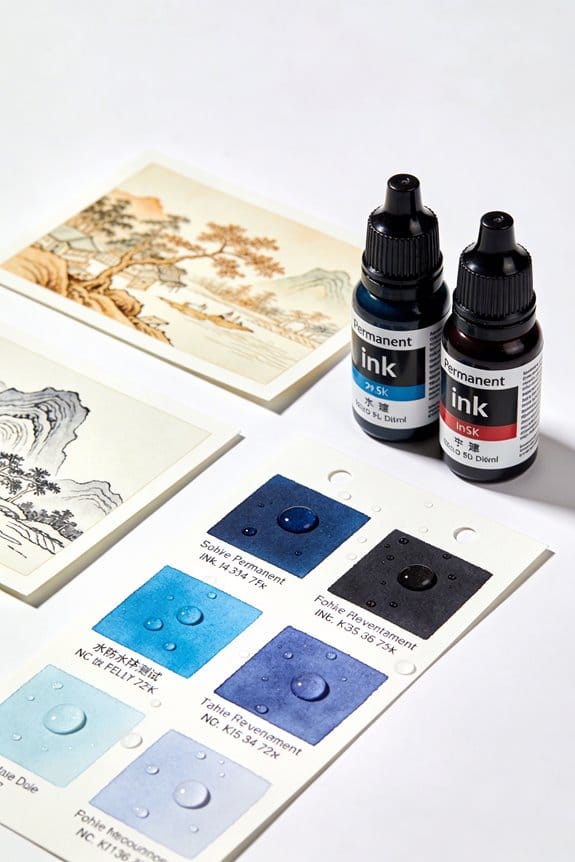
Have you ever finished a piece of artwork or a journal entry, only to find it smudged beyond recognition? That’s what makes waterproof ink such a lifesaver for various projects. When you use waterproof fountain pen inks, like Platinum Carbon, you’re getting high-quality pigments that stick to the paper. This means no more worrying about your ink running or bleeding, especially when you decide to layer in some watercolor.
The real kicker is that waterproof ink doesn’t fade easily, which makes it ideal for writing outside or for any work you want to keep for years. No one wants their important documents or cherished drawings ruined by moisture. You want your creations to stand the test of time.
Another perk? Cleaning these inks out of pens is typically a breeze compared to their water-soluble friends. That’s less time fussing over a clogged nib and more time to focus on what you love—creating!
So, why does this matter? If you want durability and vibrant results, waterproof inks can be essential. They really help to elevate both artistic and professional projects without the hassles.
Many artists prefer using archival quality inks for their fade-resistant and waterproof properties, which ensures longevity and preservation of their work.
Next time you sit down to create, think about reaching for some waterproof ink for peace of mind and high-quality finishes. Want to give it a try?
Recommended Products

Features: Permanent waterproof ink with a velvet matte finish; Available in 1 oz., 16 oz., and 32 oz. sizes, the blackest India ink you can buy, lightfast and archival carbon black, water-based formula, AP Certified non-toxic, and made in the USA

Waterproof ink for writing, drawing and colouring. Suitable for fountain pens, glass nibs, calligraphy nibs, brushes or brush pens. Perfect for artists, calligraphers, frequent writers, urban sketchers, graphic artists, architects and designers. Can be mixed with each other, dilutable and erase-resistant.
Water-Soluble Inks: When to Choose and Their Benefits
Waterproof inks might be the go-to for durability, but have you ever considered how water-soluble inks can enhance your creative projects? These inks, known for their vibrant colors, can transform your writing and drawing experience. Their smooth, flowing consistency makes them perfect for note-taking or casual writing, giving your notes that special touch.
When it comes to art projects, water-soluble inks really shine. Imagine blending and layering colors to mimic beautiful watercolor effects. Those soft gradients you can create? They add depth and richness to your work. So, why does this matter? If you want to bring warmth and creativity to your pieces, these inks are definitely worth a try.
Just a heads-up, though—if you’re working on anything that’s meant to last, like archival pieces, you might want to skip the water-soluble inks. They tend to bleed and fade when they get wet, which isn’t ideal for important documents. For projects where permanence is critical, choosing materials with archival quality can ensure your work retains its vibrancy over time.
Recommended Products

COMPLETE PROFESSIONAL WORKSTATION: The ultimate "Business in a Box" for MUAs. Includes 24 x 32g cakes, 2 massive 90g base colors, 5 large 50g split cakes, and 3 one-stroke cakes for infinite design possibilities. A trusted, global favourite for 15+ years.

Features: Non-toxic, water-based, dye-based ink, 48 Colors, and 2 empty water brushes, Water-soluble blendable Colors, Synthetic brush tip for great elasticity and shape retention

VIBRANT SHADES – Round 4mm soft lead core is perfect for bold expressive drawings. The highly pigmented colour is easy to apply and produces a vibrant finish. Includes full range of 72 colours.
How to Test and Compare Inks for Your Projects
Choosing the right ink for your projects can feel overwhelming, right? With so many options available, it’s easy to get lost. To compare waterproof inks to water-soluble ones, a straightforward water test is the way to go. Start by writing with a few ink samples on paper and then let them dry completely. Once dry, give them a little moisture exposure and watch for any bleeding or smudging.
Don’t forget to experiment with different writing pens and papers. Try out Clairefontaine or even watercolor paper to see how the inks perform. You might be surprised by the differences. Also, pay attention to the drying times. Fast-drying inks can often improve the waterproof qualities of your project.
Engaging with artist forums is another great tip. Honestly, connecting with other creatives can provide real-world insights on how various inks hold up under different conditions. So, why does this matter? Well, finding the right ink can make or break your project in terms of both appearance and durability.
Just remember, the process takes a bit of experimentation, but it’s worth it to find that perfect match. Keep in mind that inks with waterproof and fade-proof properties tend to offer the best lasting results for your artwork. Happy inking! Which inks are you excited to try next?
Recommended Products

VERSATILE AND DURABLE - TerraSlate Hydronote White Copy Paper is water resistant and rip-resistant synthetic computer paper for printing. This printing paper is compatible with laser, inkjet, & offset printers, copy machines, and printing presses. Our printer paper 8.5 x 11 white is printable on both sides, making it ideal for various projects. Experience the reliability of our waterproof sheets for all your printing needs.

GENTLY RUN YOUR FINGERS over the slight texturing that the cold-press process has created. It gives the paper a lush feel

【Teal Paris Wall Art Size】: 24 x 24 inches x 4pcs ( 60 x 60cm x 4pcs ). Romantic Landmark Artwork Paintings, create a feeling of romance and love to your home interior decor scenery, bring some bright color and relaxation to your busy modern urban life.
The Impact of Paper Choice on Ink Behavior
When you’re diving into ink projects, have you ever thought about how your choice of paper can really change the game? Different paper surfaces impact how ink behaves, and it’s something you definitely shouldn’t overlook.
Smoother paper can be a lifesaver, especially if you’re using waterproof inks. It helps the ink flow easily, which is a real plus. On the flip side, textured papers create a better bond with the ink and can help cut down on smudging. If you’re working with waterproof inks that contain pigment particles, be careful about your paper choice. Those inks dry slower on certain surfaces, which can lead to some messy results.
Water-soluble inks are a whole different story. They look phenomenal on absorbent papers, giving you bright, vibrant colors. But, they don’t play well with glossy papers and can bleed all over the place. Have you ever faced that frustration?
Don’t forget about paper thickness; it matters more than you might think. Thicker papers absorb ink at a slower rate, which increases the risk of smudging. So, if you want to ensure clean lines and crisp prints, it’s worth experimenting with different paper types. You might discover some fantastic combinations that bring your creative projects to life.
In the end, the right paper can make a big difference. For instance, the weight and texture of cold press watercolor papers are crucial factors in how inks interact with the surface. Have fun exploring and trying out different options! What’s your go-to paper for ink projects?
Tips for Maintaining Ink Quality and Performance
Are you tired of your ink not performing as well as you’d like? Let’s dive into some simple ways to keep your ink in top shape.
First off, it’s crucial to store your ink bottles properly. Keep them in a cool, dark place to prevent any deterioration. Make sure those caps are on tight too; no one wants to deal with evaporation. If you’ve got waterproof fountain pen ink, give it a good shake before you use it. Ink can settle over time, especially if it has pigmented or shimmering bits.
Regular maintenance of your fountain pens goes a long way. If you don’t clean them regularly, dried ink can cause clogs, and that can be a real hassle. It’s all about keeping things flowing smoothly.
Watch how your ink behaves while you use it. If you notice any discoloration or it feels thicker or thinner than usual, it’s probably time to toss it. That’s an indication it might be going bad.
When switching inks, converters can be your best friend. They help maintain your pen’s integrity and make the transition smoother.
Ultimately, ink is a personal choice, so take the time to experiment. What works best for one person might not work for another.
Also, just as artists select the right easel stability for their tools, being mindful of how you handle and store your ink contributes significantly to its longevity and performance.
Choosing the Right Ink: Finding Your Perfect Fit
Have you ever found yourself standing in the stationery aisle, unsure which ink to choose? It’s a more common dilemma than you might think. When you’re deciding between waterproof and non-waterproof inks, consider how you plan to use them. Waterproof inks, typically pigment-based, bond tightly to paper and resist water. These are the go-to for documents you want to last. On the flip side, non-waterproof inks are usually dye-based. They pop with vibrant colors and are fantastic for art projects because they blend beautifully.
Try this: get a few sample pens to test out different brands. You might be surprised at how they feel and perform based on your personal style. It’s all about finding what works best for you. If your projects are often exposed to humidity, keep that in mind too. The weather can play a big role in how well your ink holds up over time.
Honestly, choose wisely and your work will not only last longer but also look better. So, what kind of projects do you usually work on? Also, consider the importance of archival ink quality if your work is meant to be preserved for a long time.
Recommended Products

WHAT IS IT: Faber Castell 167147 India ink PITT artist pen B studio box of 24

BRAND Faber-Castell is globally renowned and loved. They are a world leading manufacturer of top-quality, innovative art materials. Faber-Castell have become the go-to brand for artists, for centuries, whether professional or hobbyist

PRECISE POINTS & LINES: Create precise marks that stand the test of time with professional inking pens used by comic artists, illustrators, watercolor artists, archivists, and laboratory professionals.
Frequently Asked Questions
Is Water Soluble Ink Waterproof?
Water-soluble ink isn’t waterproof. Depending on application methods and drying times, it’s less permanent, not ideal for moist environments. We should consider paper types and usage scenarios to maintain print quality in our projects.
Is Water Resistant Ink the Same as Waterproof Ink?
No, water-resistant ink isn’t the same as waterproof ink. Understanding ink durability and formulation helps us choose the right ink applications for various paper types, aligning with artist preferences, budget, and specific printing techniques.
What Are the Advantages of Water Based Inks?
Water-based inks, with their vibrant colors and quick drying times, are eco-friendly and cost-effective. They offer excellent print quality and application versatility, letting us explore both pigment and dye options for creative masterpieces.
Which Is Better, Waterproof or Water Resistant?
When considering ink durability, waterproof inks generally offer better performance for various applications. They guarantee color vibrancy and print longevity, especially on compatible papers, while their formulation affects drying time and maintenance level we should consider.


