As an Amazon Associate, we earn from qualifying purchases. Some links on this site are affiliate links at no extra cost to you. Our recommendations are based on thorough research and editorial judgment.

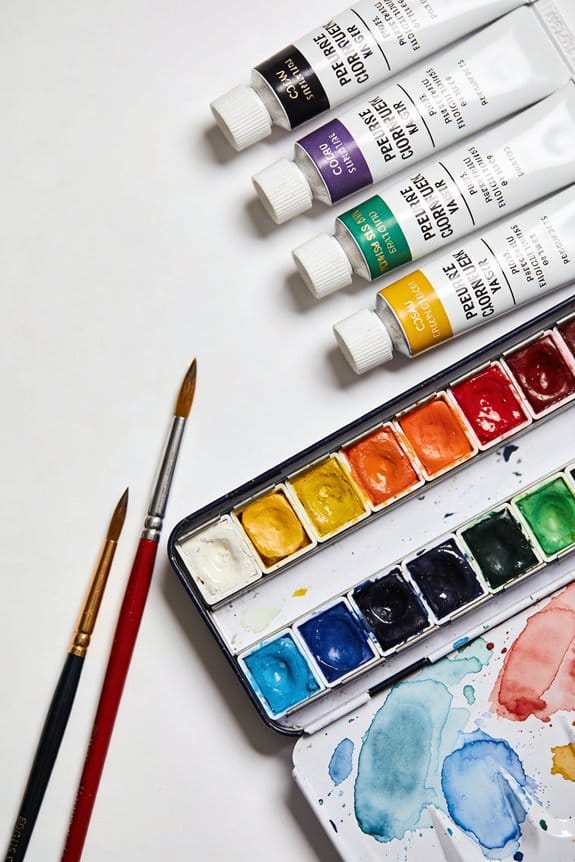
What Is Gouache and How Does It Differ From Watercolor?

Gouache is an opaque paint that gives us bold colors and solid coverage. Unlike watercolor, which is transparent and creates soft washes, gouache dries to a matte finish, enhancing color depth. We can mix gouache with water to achieve different effects or use it thickly for texture. Watercolor requires light layering and careful technique, but it produces a luminous quality. As we explore these mediums further, we discover how they can work together for unique artistic results.
Key Takeaways
- Gouache is an opaque medium that provides solid coverage, while watercolor is transparent and creates soft washes.
- Gouache dries to a matte finish, whereas watercolor has a more luminous appearance upon drying.
- Mixing gouache and watercolor enhances depth by combining the vibrancy of gouache with the fluidity of watercolor.
- Gouache allows for easier corrections and richer colors, while watercolor requires careful layering, making it harder to fix mistakes.
- The choice of paper affects the application and blending of both mediums, influencing the final artwork’s appearance.
Gouache vs. Watercolor: Key Differences Explained
You may be interested


When it comes to painting, have you ever found yourself torn between gouache and watercolor? Understanding how each one behaves can really make a difference in your creative process. Gouache is opaque, which means it effectively covers whatever’s underneath. This quality makes it super easy to layer lighter colors over darker ones without any fuss. Watercolor, on the other hand, is all about transparency. This gives you those soft washes, but your results really depend on the quality of your paper.
Have you ever been frustrated when a watercolor painting dries and looks different than you expected? You’re not alone. Watercolors can shift once they’re dry, which makes correcting mistakes a bit tricky. That’s where gouache shines—if you mess up, layering it again to cover mistakes is usually a breeze. Honestly, the difference in texture and how you apply each medium leads to some unique artistic effects.
So, what should you keep in mind when choosing between the two? Gouache dries quickly, and that’s great for vibrant colors. Watercolors, while beautiful and soft when applied correctly, can take a bit of practice to master because of their unpredictable nature.
They’re both fantastic tools when used in the right situation. Understanding their characteristics will definitely help you pick the best one for your next project. Think about what kind of effects you want to create—this knowledge really comes in handy! What’s your go-to choice when you’re feeling creative?
Additionally, choosing gouache made with high-quality, lightfast pigments ensures your artwork will maintain its vibrancy over time.
Recommended Products

· 100% Cotton Canvas for Painting – Triple Primed & Built for Artists Premium stretched white cotton canvas, triple gesso-primed for instant use. No prep needed. Made for acrylic, oil, tempera, gouache, and mixed media. Perfect for pros, teachers, students, and crafters.

🎨 THE BRAND: Schmincke has been producing the best, finest artists' colors Made in Germany since 1881 and they are available in over 60 countries. The range includes watercolors, acrylics, oil colors, pastels, gouache colors, airbrush colors and much more.

Series 10 has European style shaping with an extra-sharp point and the fastest action at the tip
Unique Characteristics of Gouache and Watercolor
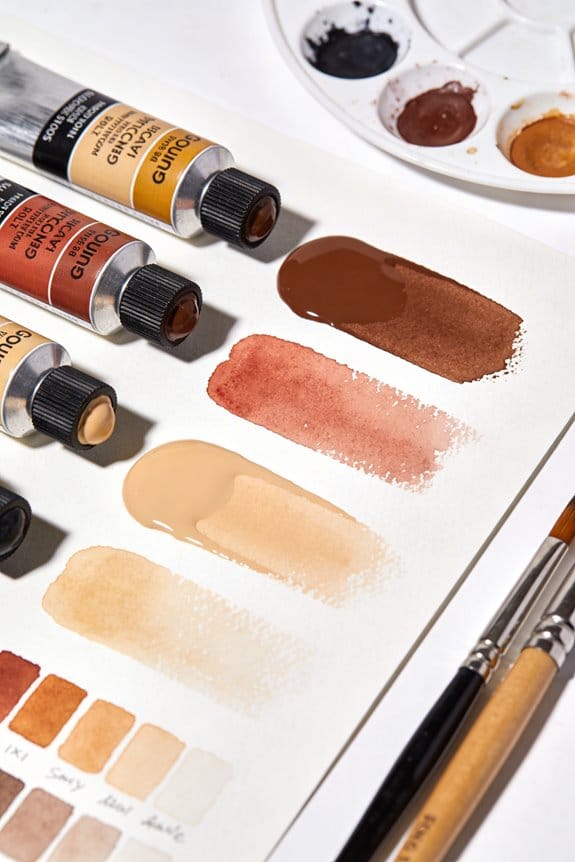
Ever felt kind of stuck deciding between gouache and watercolor? It can be tricky, especially when each medium brings something special to the table. Gouache offers that bold, opaque finish thanks to its higher pigment load, while watercolor shines with its soft, transparent washes that let your paper’s white pop through. So, why does this matter? It’s all about the effects you want in your artwork.
When you try gouache, you’ll notice the colors are super vibrant, which makes it perfect for detailed work. Plus, it dries to a smooth, matte surface, so you can easily layer over darker colors without any fuss. Honestly, if you’re aiming for eye-catching illustrations, gouache is definitely your go-to.
On the flip side, watercolor calls for a different approach. It’s all about those gentle washes and requires a bit more planning. If you love creating fluid art, watercolor can capture those soft, dreamy vibes beautifully. Many artists swear by it for sprawling scenery and those stunning, subtle transitions in color.
To wrap it up, both gouache and watercolor have unique traits that can enhance your artistic journey. Which one suits your style better? Think about what you want to express in your art! Additionally, gouache’s matte finish enhances color depth and reduces glare, making your artworks stand out with vibrancy.
What Makes Watercolor Special?
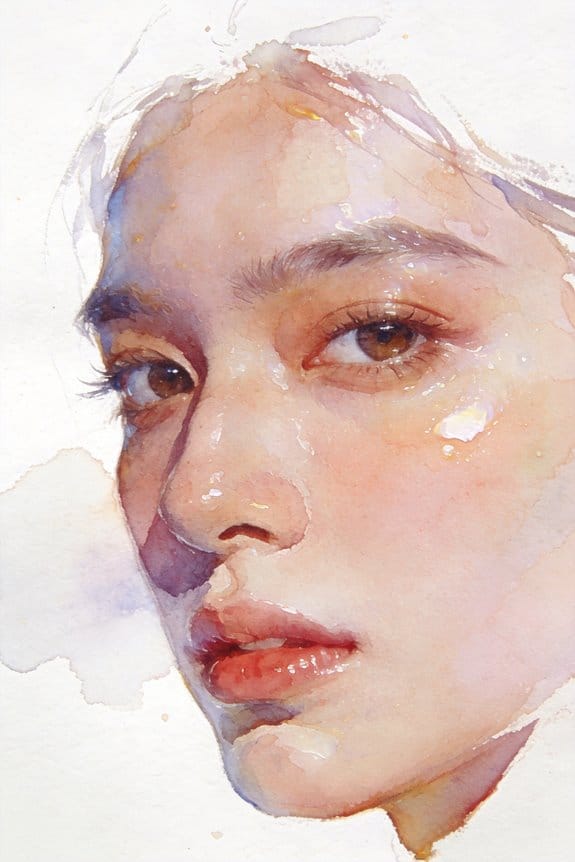
Watercolor can be a bit of a challenge, right? If you’ve ever tried it, you know that layering colors isn’t as easy as it looks. This medium is all about transparency, which means the way colors interact can create a beautiful luminosity that makes your art pop. The relationship between the paint and the watercolor paper can really change the game, giving your work a light, airy feel that adds depth.
So, what’s the trick? Layering is key. By using techniques like glazing, you can build up color intensity. This is done by applying transparent layers on top of each other. But you want to be careful—getting rid of mistakes can be tough since those earlier layers will still peek through. Choosing the right watercolor paper also makes a big difference. The texture of the paper affects how the paint flows and behaves, which can totally change your painting experience.
Frankly, there are a few essential things to keep in mind as you dive into watercolor. Know your tools: different brushes, papers, and paints can all affect the outcome. Experimentation is vital; try out different techniques to see what resonates with you. And don’t forget, every artist makes mistakes, so don’t sweat it if things don’t turn out perfect the first time.
In the end, what really makes watercolor special is how it allows for creativity and expression. It presents unique challenges and beautiful results. So, what are you waiting for? Dive in and see what you can create! High pigment quality and concentration can greatly enhance the vibrancy and longevity of your watercolor artwork.
Practical Techniques: Using Gouache and Watercolor Effectively
Ever tried mixing gouache and watercolor and found it tricky? You’re not alone. Understanding how to blend these two mediums can really elevate your artwork. Gouache is great for those rich, bold sections, and it lets you layer colors any way you like.
Here’s the trick: applying gouache thickly or using a dry brush technique often yields fantastic results. Watercolor, on the other hand, works best with soft washes that create lovely gradients. It’s interesting that when blending gouache, using a damp brush gives you a smoother integration, which is quite different from the wet-on-wet technique you’d use with watercolor.
So, what about mixing? Try thinning your gouache with water for a more transparent look, or you can add a bit of white gouache to your watercolor to make it creamy and opaque. The best part is the type of paper you’re working on can completely change the game. Textured paper really makes your watercolors pop, while gouache is super flexible and can be applied to lots of surfaces—not just paper, but canvas or even wood.
If you keep these tips in mind, you’ll find that blending gouache and watercolor can become a pretty smooth process. Have you experimented with these mediums before? What’s been your biggest challenge? Also, using high-quality watercolor pans can enhance your experience by providing durable and customizable palettes that work well with both mediums.
Advantages and Disadvantages of Gouache vs. Watercolor
Choosing between gouache and watercolor can really shape your artistic path. If you’re after opacity, gouache is your go-to. You can paint lighter colors over darker shades without losing that vibrancy. That’s perfect for bold designs that pop! On the flip side, watercolor brings a certain transparency that creates stunning depth. However, it can be tricky to fix mistakes once it’s dry, so you have to be careful.
Gouache also dries with a matte finish, making it great for smooth surfaces. Watercolor, however, interacts with the texture of the paper, leaving behind that semi-transparent look. It adds another dimension, but you might need to embrace some of the paper’s quirks. One thing I’ve noticed is that you might end up using more gouache because of how rich those pigments are. Watercolor tends to need lighter layers, which means less paint overall.
Honestly, each medium comes with its own set of pros and cons, but that’s part of the fun. Understanding your options can help you pick what feels right for your project. So, what’s your style—are you leaning towards the boldness of gouache or the fluid beauty of watercolor? It’s also important to consider the types of watercolor paper you’ll use, as they affect how watercolor behaves and the final look of your artwork.
Recommended Products
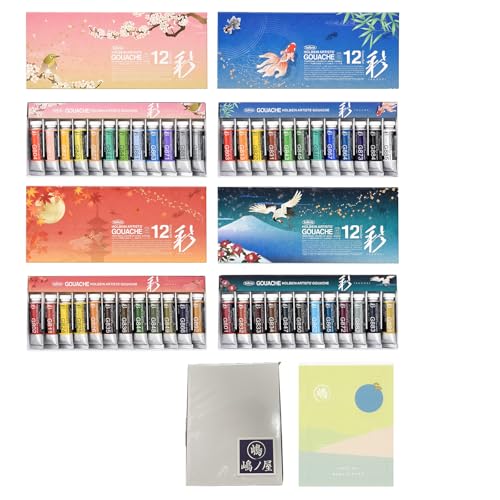
![Turner Acrylic Paint Set Artist Acryl Gouache - Super Concentrated Vibrant Acrylics, Fast Drying, Velvety Matte Finish - [Set of 72 | 20 ml Tubes]](https://m.media-amazon.com/images/I/51Bz7fzNQ8L._SL500_.jpg)
Info: Turner Acryl Gouache is more concentrated than most acrylics, with a beautiful velvety matte finish! - Incredibly versatile, it adheres to Wood, acrylic sheeting, stone, cloth, clay, metal, slate, glass, aluminum, iron, vinyl, Styrofoam, stretched Canvas, and properly Sized papers without the necessity for pre-prep.

Mixing Gouache and Watercolor for Creative Results?
Have you ever felt like your artwork needs a little something extra? Mixing gouache and watercolor might just be the trick. By blending the bold colors of gouache with the soft, transparent qualities of watercolor, you can really enhance your pieces—creating depth and interest that draws the eye.
Try this: Start by using traditional watercolor techniques like layering. This is where gouache can really shine, highlighting specific areas while letting watercolor provide those lovely, soft background washes. It can create some stunning contrasts! But keep in mind, gouache can change how watercolor behaves as it dries. So, if you’re aiming for a specific look, you might want to experiment a bit first.
Here’s the best part: thinning gouache with water opens up even more possibilities, allowing you to achieve transparent effects that can beautifully complement your watercolor washes. If you’re wondering how this all comes together, think about each medium’s strengths. How does incorporating both styles fit into your own creative process?
Honestly, taking the plunge into mixing these two mediums can feel a bit daunting, but the results are worth it. You’ll find a whole new level of creativity waiting for you to explore. Just remember to play around and have fun with it! So, what effect are you excited to create?
Also, selecting the right cold press watercolor paper can significantly impact how the mixture of gouache and watercolor performs on your artwork.
Frequently Asked Questions
Is Watercolor Easier Than Gouache?
Watercolor’s like a delicate dance, demanding precision and patience. In contrast, gouache offers more playful applications with its opacity and forgiving layer techniques. We find watercolor’s blending hard, while gouache shines for vibrant, bold artistry.
What Are the Disadvantages of Using Gouache?
When we use gouache, we often face opacity issues, blending challenges, and drying time that limits our reworking. Paper choice and lightfastness variability add complexity, while layering can lead to durability concerns and unexpected color shifts.
What Does Gouache Look Like?
Gouache’s rich color vibrancy astonishes—its opacity levels create stunning textures. With quick drying time, it enables diverse layering techniques and various application methods, producing different finish options suitable for numerous artistic styles while mixing colors seamlessly.
Is Gouache Good for Beginner Painters?
Absolutely, gouache is perfect for us beginner painters! It offers varied application methods, forgiving opacity differences, and easy color mixing. With the right brush types and surfaces, we’ll quickly master layering effects and enjoy our creative journey.


