As an Amazon Associate, we earn from qualifying purchases. Some links on this site are affiliate links at no extra cost to you. Our recommendations are based on thorough research and editorial judgment.


What Is Ox Gall and How Does It Improve Flow?

Ox gall is a natural wetting agent derived from cow bile. It helps improve flow in watercolor painting by lowering the surface tension of water, which allows pigments to spread more evenly on paper. We typically recommend adding about 3-8 drops of ox gall per cup of water, especially with hard-sized paper. This not only enhances blending but also prevents clumping. If you want to learn about its history and usage tips, we’ve got more insights on those aspects.
Key Takeaways
- Ox gall is a wetting agent derived from cow bile that enhances the consistency of watercolor paints.
- It reduces surface tension in water, allowing paint to flow more smoothly and evenly on paper.
- A typical dosage is 3-8 drops per cup of water, particularly beneficial for hard-sized paper.
- Ox gall improves blending during wet-in-wet techniques and prevents pigment clumping, ensuring an even application.
- Natural ox gall is preferred by many artists for its unique effects, while synthetic options cater to vegan preferences.
What Is Ox Gall and How Does It Work?
You may be interested

Have you ever struggled with your watercolor paint just sitting in one spot on the paper, refusing to blend? That can be a real drag, especially on those highly sized papers that seem to push the water away. One simple solution to help with this is ox gall—a wetting agent from oxen bile. Don’t worry, it’s totally safe for your art!
When you add just 3 to 8 drops of ox gall to a cup of water, you’ll notice how it reduces the surface tension. This can really enhance the way your paint spreads and flows, making your watercolor experience much smoother. So why does this matter? The surfactant properties in ox gall work to separate watercolor particles, which keeps them from clumping together. This means your applications will be much more even and effortless.
Consider trying it out next time you hit the canvas. If you’re leaning toward a more animal-friendly choice, synthetic versions of ox gall do exist and can provide similar advantages in paint flow and application.
The best part is that it’s a small addition that can make a noticeable difference in your artwork. Honestly, having tools like this in your art supply kit can save you from frustration and improve your overall results. Many artists also pay close attention to the consistency and texture of their paints to further enhance flow and application techniques.
The History and Origins of Ox Gall in Art

Have you ever wondered why some watercolor paintings seem to flow so effortlessly? That’s where ox gall comes into play. This ingredient has been a favorite among artists for centuries, dating back to medieval times when it was first discovered that it helps pigments mix better with water. If you’re serious about your watercolor work, learning about ox gall could be a real benefit.
Natural ox gall comes from cattle bile and has been used in quality art supplies, especially from brands like Winsor & Newton and Schmincke, since the 1800s. Artists love it because it reduces the surface tension of paper, making it easier to apply paint smoothly. Just imagine how much smoother your washes could be!
But don’t worry about having to stick to the traditional stuff. In the 20th century, synthetic ox gall became available as a more animal-friendly option, giving you similar advantages without the ethical concerns. So, whether you choose natural or synthetic, both can enhance the flow and behavior of your pigments.
The best part? You don’t have to be a master artist to make use of ox gall. Just a few drops can make a noticeable difference in your technique. Here’s the trick: Start with a small amount and see how it affects your painting.
Honestly, it’s amazing to see how a simple addition can change your process. So, why not give ox gall a shot the next time you paint? You might just find it becomes a staple in your toolkit.
In short, ox gall has stood the test of time as a valuable aid for artists. What are you waiting for? Dive in and explore how it can transform your watercolor experience! Using ox gall alongside student-grade paints can help improve pigment flow and achieve smoother results.
How Ox Gall Enhances Paint Flow and Application
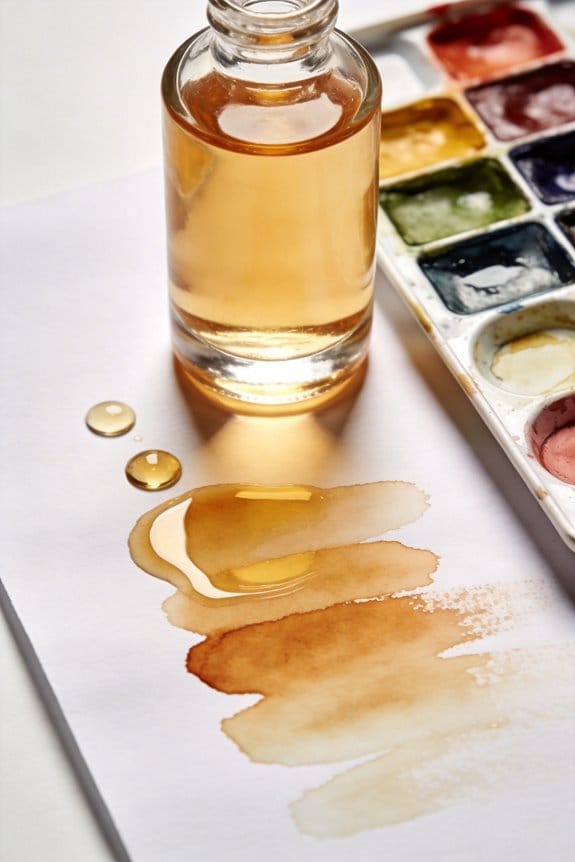
Ever struggled with watercolor paint that just doesn’t flow the way you want it to? You’re definitely not alone! One trick that can really transform your painting experience is using ox gall. This natural wetting agent works wonders by lowering the surface tension of water, making it easier for your paint to soak into different kinds of watercolor paper.
Here’s what I recommend: add about 3-8 drops of ox gall per cup of water. This simple step can significantly enhance your paint application. When you’re working on hard-sized paper, for instance, ox gall can create those smooth gradients we all strive for. It really shines when you’re doing wet-in-wet techniques too, helping your colors blend beautifully.
So, why does this matter? Well, it also keeps pigments from clumping or settling, making sure your paint spreads evenly without those pesky streaks. When you incorporate ox gall into your painting routine, you can enjoy better flow and a more enjoyable creative process.
Truth is, using this little helper can open up new possibilities in your watercolor work. You might find you can express your ideas on paper more freely! Give it a try next time you paint and see the difference for yourself. What’s been your biggest challenge in watercolor painting? Additionally, understanding the viscosity and consistency of your paints can further improve how smoothly your colors flow and blend.
Recommended Products
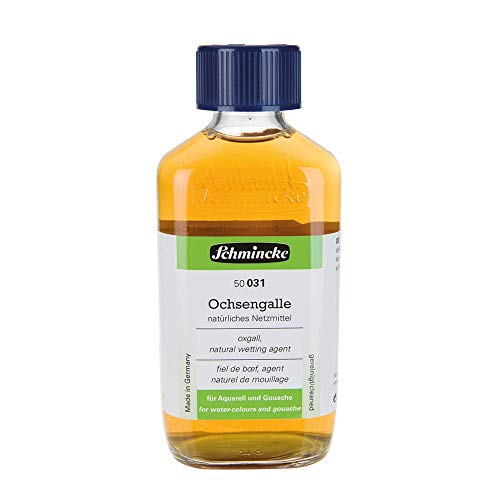
Schmincke Aqua Oxgall Medium - 200 ml bottle


Key Differences Between Natural and Synthetic Ox Gall
Have you ever wondered why some watercolors flow beautifully on paper while others seem to just sit there? Understanding the differences between natural and synthetic ox gall can make a big difference in your painting experience.
Natural ox gall, which comes straight from cow bile, contains bile salts that help paint disperse and act as a wetting agent. Many traditional artists swear by it, appreciating how it can create unique effects in their watercolor works. But here’s the thing—its effectiveness can vary quite a bit depending on the type of paint you’re using and how your paper is sized.
On the flip side, synthetic ox gall is a lab-made option that skips any animal products entirely. It’s a choice that offers a more consistent performance across various materials. Honestly, this can be a real advantage if you’re looking for predictability in your work. Plus, it’s a safer option for vegan artists or anyone who wants to avoid animal-based ingredients.
So, what should you try? If you’re curious about a more organic feel, natural ox gall may be worth experimenting with—it often adds a certain character to the paint. But if you crave steadiness and uniformity in your results, synthetic might be your best bet.
The best part is, both can work as effective wetting agents. Just think about what you value more in your art supplies when making a choice. In the end, whether you choose natural or synthetic ox gall, it’s all about what works for you. Which one do you think you’ll try next? Moreover, understanding flow enhancement agents can greatly improve how your paints behave on different surfaces.
Recommended Products

🎨 THE BRAND: Schmincke has been producing the best, finest artists' colors Made in Germany since 1881 and they are available in over 60 countries. The range includes watercolors, acrylics, oil colors, pastels, gouache colors, airbrush colors and much more.

[Increases Wetting & Flow] Master your artistic vision with our premium Ox Gall Medium. Specifically designed to increase the wetting and flow of watercolors, this additive reduces surface tension, allowing pigments to glide effortlessly and spread more evenly across your paper

Holbein Ox Gall Medium - 60 ml bottle
How to Use Ox Gall Effectively in Your Watercolor Techniques
Have you ever struggled with watercolor paint not flowing smoothly on your paper? That can be really frustrating, but there’s a simple solution: ox gall. When using it in your watercolor technique, consider adding 3-8 drops of ox gall to your mixing water. Doing this helps reduce surface tension, which allows the paint to glide on effortlessly.
Here’s the trick: always mix the ox gall in the water rather than adding it directly to your paint. This way, you’ll notice better results. Just be careful with how much you use; getting too generous can lead to mealy colors, which isn’t what we want. It’s a balancing act, but it can definitely enhance your work.
You might also want to switch up your watercolor papers. Have you ever noticed that certain papers respond differently? Ox gall tends to show its effects more on lesser-sized papers, so experimenting can be beneficial. Take some time to test how your particular watercolor mediums interact with ox gall.
Honestly, this knowledge can elevate your painting sessions, making them more enjoyable. So take the plunge and see what works best for you. Do you think you’ll give ox gall a try in your next painting session? For acrylic techniques, selecting the right pouring medium can similarly improve paint flow and consistency.
Recommended Products

Holbein Professional transparent watercolors

This old package is same color to new package.

48 Vibrant Colors Artist Watercolor Paint Set: Paul Rubens watercolor paint is made with ultra-pure pigments that won’t easily become muddy when mixed; high transparency; strong tinting; excellent lightfastness ratings. 48 vibrant colors that are rich and intense, enabling you to create stunning artwork
Common Pitfalls in Using Ox Gall
Ever tried using ox gall in your watercolor painting and ended up with colors that just don’t pop? It’s a common hiccup that can really throw a wrench in your creative flow. While it can boost your watercolor experience, there are a few missteps you should definitely avoid.
First up, let’s talk about the amount. Overdoing it with ox gall can lead to mealy colors on your palette. Aim for just 3-8 drops per cup of water. That’s it! Think about the last time you had a dish ruined because too much seasoning was added. It’s all about balance.
If you’re tempted to mix ox gall directly into your paints, hold up! The real magic happens when it’s used to reduce surface tension in your water. This means you’ll get better results if you add it to your painting water instead.
Now, about those synthetic options—sometimes they just don’t deliver like the real deal. You might notice some inconsistencies that can be frustrating. So, when possible, stick with natural ox gall for the best results.
Also, be careful with your paper choice. Are you using a heavily sized paper? That could turn into a problem since it tends to repel water, which means you won’t get the full benefit of ox gall. Instead, opt for lesser-sized or more absorbent papers to really let that ox gall work its wonders.
Finally, let’s not forget about safety. It’s crucial to handle and dispose of ox gall products responsibly. It’s not just about creating art; it’s about doing it safely, too.
Keep in mind that using a non-toxic formulation when adding flow mediums or additives helps ensure a safer painting environment.
Recommended Products

GENUINE LAPIS LAZULI: Authentic gemstone pigment sourced from the historic Sar-e-Sang mines in Badakhshan, Afghanistan, providing the richest ultramarine blue color for your artwork.

A wetting agent used to improve flow when mixed directly with watercolors

Improve Color Flow: Falling in Art ox gall liquid reduces the surface tension of water, allowing watercolors to spread more evenly and smoothly on paper, especially on non-absorbent or large-sized surfaces
What You Need to Know About Ox Gall Safety and Disposal?
Using ox gall safely is really important for your health and the environment. Natural ox gall comes from cow bile, and it carries some toxicity risks. That’s why you need to handle it with extra care. And then there’s synthetic ox gall, which often is thought to be safer, but keep in mind it might not have the detailed safety info you need. So, doing a little research on product specifications is key.
When it comes to how you dispose of ox gall, following local guidelines is a must if you want to lessen your environmental impact. If natural gall is thrown away improperly, it can harm water systems, even if it has its benefits in art and certain applications. Many users have mixed feelings about ox gall safety, so it’s definitely worth doing some personal tests and checking with manufacturers for accurate info.
So, why does this matter? Well, prioritizing informed practices can help ensure you’re using and handling ox gall responsibly, whether it’s for art or medicinal purposes. It all boils down to being careful and making sure you’re doing right by both your health and the planet. Using solvent-free formulations in related art materials can further minimize health risks and environmental impact.
Frequently Asked Questions
What Does Ox Gall Do?
Ox gall enhances watercolor flow by acting as a wetting agent. It’s derived from bile, impacting gallbladder function and digestive processes. We might explore herbal alternatives for similar medicinal uses, but ox gall’s unique qualities stand out.
How to Use Oxgall?
To use ox gall effectively, we can experiment with mixing techniques, adjusting medium ratios in our water, and applying it through various methods to enhance paint consistencies. It’s a great watercolor aid for our techniques!
What Is a Substitute for Ox Gall?
We can explore several ox gall alternatives together, like plant-based substitutes or household detergents. Chemical comparisons highlight different usage recommendations, while product variations like diluted glycerin and corn syrup offer effective solutions for watercolor applications.
Is Ox Gall a Surfactant?
Imagine a painter’s brush gliding effortlessly over canvas; that’s what ox gall does as a surfactant. With its unique properties, applications, and benefits, it enhances flow. Surfactant alternatives exist, but none match ox gall’s chemistry.


