As an Amazon Associate, we earn from qualifying purchases. Some links on this site are affiliate links at no extra cost to you. Our recommendations are based on thorough research and editorial judgment.


Why Do Paintbrushes Shed? Causes and Solutions

Paintbrushes shed bristles due to various factors, including break-in periods and manufacturing defects. Natural brushes often shed more initially, while synthetic ones can lose bristles if adhesives are weak or if manufacturing issues arise. We can reduce shedding by gently washing new brushes to remove loose hairs and tapping them against our palms. It’s essential to regularly clean our brushes and check for wear. If shedding persists, we might need to contemplate replacement. Let’s explore more ways to keep our brushes in top shape.
Key Takeaways
- Shedding in paintbrushes can occur due to weak bristles, manufacturing defects, or low-quality materials, causing 10-20 strands loss in new brushes.
- The break-in period may lead to initial shedding, where loose bristles are often due to manufacturing residue.
- Proper cleaning techniques, like rinsing brushes immediately and gentle washing, can help minimize shedding and maintain brush integrity.
- Environmental factors, such as temperature and humidity extremes, can affect the bristle adhesion, leading to further shedding.
- Signs indicating brushes need replacement include spread bristles, gaps, stiff bristles, and overall loss of shape impacting performance.
What Causes Shedding in Paintbrushes?
You may be interested

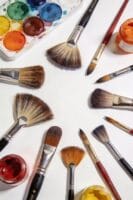

Have you ever picked up a brand-new paintbrush, only to find it shedding bristles all over your canvas? It can be frustrating, especially when you’re aiming for that perfect finish. But understanding why this happens can help you make better choices next time.
When it comes to natural brushes, it’s not uncommon for them to shed a bit at first. This is usually due to the strength of the bristles. During the break-in period, those bristles can loosen up, which ultimately helps with better paint distribution. So, if you find a few stray hairs on your project, don’t sweat it—this shedding tends to be temporary.
On the flip side, synthetic brushes are generally made from materials like nylon or polyester. These tend to shed less and offer a longer lifespan. But that doesn’t mean they’re immune to issues. Sometimes, poor manufacturing plays a role as well; if the glue that holds the bristles is weak, you’re likely to lose 10-20 strands during those first few uses. Honestly, that’s just wasted money and frustration!
So, why does this matter? Knowing the materials and construction of your brushes can really help you choose the right one for your projects. The best part is that you can avoid those pesky shedding issues by looking for quality brushes to begin with. For instance, brushes made from high-quality natural sable hair often have superior durability and shedding resistance compared to lower-end options.
Common Causes of Shedding: Identifying the Issues

Ever wonder why those bristles are suddenly shedding from your paintbrushes when you’re just trying to get the job done? Trust me, it’s a common frustration, and there are a few culprits behind it.
First off, sometimes it’s simply a manufacturing problem. If the bristles aren’t secured properly during production, you’ll see them shedding all over your masterpiece. New brushes can also shed a bit while they’re breaking in. I know it sounds annoying, but as they get more pliable, they might let a few bristles fly.
Improper cleaning is another big reason. Have you ever left your brushes soaking in water? That’s a no-go. Soaking or neglecting to clean them can weaken the adhesive in the ferrule, which is a fancy term for where the bristles meet the handle. This leads to those pesky bristles coming loose.
Drying methods can also be tricky. If you don’t dry your brushes correctly and leave them with too much moisture, it can damage that all-important adhesive. You’d be surprised how many people overlook this step.
And let’s face it, the quality of the brush really does matter. If you’re using budget brushes, shedding can happen more often than with those high-quality ones.
To keep your brush in top shape, pay attention to these common issues. A bit of care goes a long way, helping your tools last longer and work better. Have you noticed any shedding issues with your brushes? What’s your go-to cleaning method?
Proper cleaning and maintenance, such as using warm soapy water and reshaping brush tips, significantly reduce shedding and extend brush lifespan by protecting anti-rust ferrules and brush integrity.
Natural vs. Synthetic Brushes: What You Need to Know

Choosing the right paintbrush can be a bit of a head-scratcher, right? When you’re standing in the art supply store, looking at options between natural and synthetic bristles, it can feel overwhelming. Natural bristles, which come from animals like sable and hog, are known for their flexibility and ability to release pigment smoothly. If you’re into blending or creating textured strokes, these brushes might be your best friends. Just a heads up, they can shed a few hairs here and there and need to be cleaned with a bit more care.
On the flip side, there are synthetic bristles made from materials like nylon. They’re super versatile and work well with various mediums, especially acrylics. If you’re worried about wear and tear, synthetic brushes might be a better bet since they’re pretty durable and a breeze to clean. Sure, they might not hold as much water as their natural counterparts, but they definitely come with their own perks. When working on projects using materials like foam core boards, choosing the right brush can also impact how paint adheres and lasts on the surface.
Recommended Products
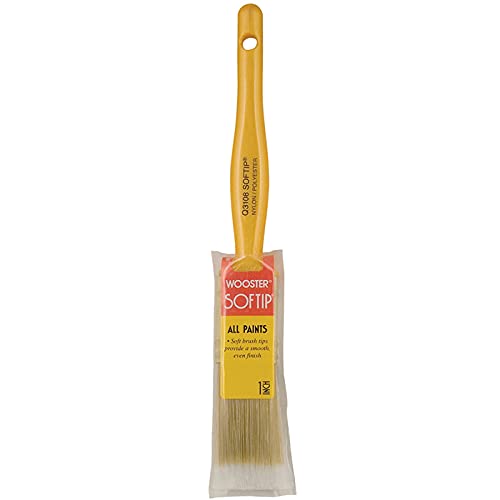
Synthetic blend for all paints, latex and oil-based

Superb color holding, spring, sharp edges and smooth application is the result you will achieve with our Optimum Golden Taklon brushes. Golden nylon synthetic hair brushes work well with oil, acrylic and watercolors. Goldtone ferrules are seamless and made of anodized aluminum that resists rust. Long handles are made from hardwood and have a lacquered finish.
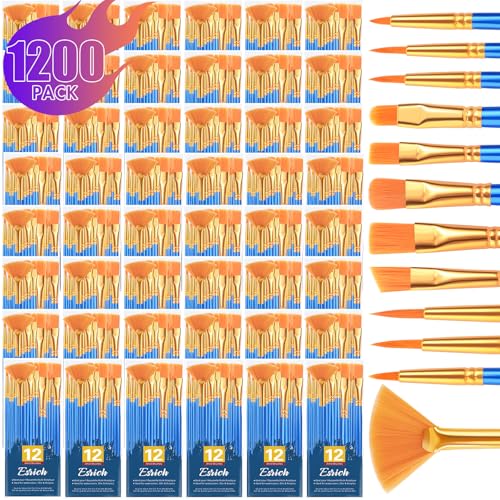
【 Paint Brushes of Various Sizes 】The 100 Packs/1200 Pcs 12 sizes of paintbrushes with a variety of shapes meet your various needs, making it easier to mix colors, suitable for artists, students, teenagers, children and painters of all levels. Artist Acrylic paint brushes are a wonderful gift to meet the emotional transfer of your family and friends
Manufacturing Defects That Lead to Shedding
Have you ever noticed your paintbrush shedding bristles while you’re trying to create a masterpiece? It’s frustrating, right? The way paintbrushes are made plays a big role in how well they perform, especially when it comes to shedding.
Poor manufacturing quality can really mess things up. For instance, if the adhesive used to attach the bristles is weak or if the crimping pressure isn’t right, those bristles might end up loose in the ferrule. Imagine getting halfway through your painting only to find out a few bristles have decided to join the party on your canvas instead of staying put.
So, what else could go wrong? Variations in manufacturing tolerances can also lead to inconsistent bristle hold. If the handle and ferrule aren’t aligned correctly, it can create torque that dislodges those pesky bristles. And let’s not forget; sometimes inferior bristles slip through quality checks, which can lead to further shedding issues.
When you’re browsing paintbrushes, keep an eye out for these factors. They matter a lot if you want your brushes to last and perform well. Honestly, it’s worth it to invest in quality. You deserve tools that work as hard as you do.
One key factor that influences shedding is the use of high-quality materials, which resist shedding and wear, ensuring better longevity.
Next time you’re picking out brushes, ask yourself: are these made well? Let’s work towards finding better quality brushes and elevate our painting experience!
Recommended Products

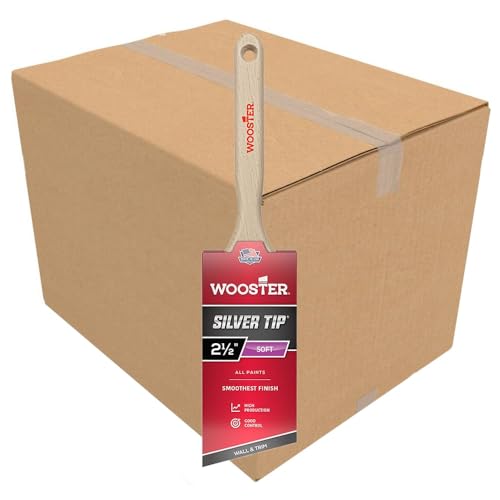
White & silver CT polyester filaments for excellent leveling and smoothing

Bulk 240 Piece Mega Pack: never run out of tools mid-project again; This bulk set includes 240 2-inch brushes, designed for high-volume tasks; Whether you're a DIY enthusiast, a teacher, or a contractor, this pack ensures you always have a brush ready for staining, priming, or touch-ups
Why Your New Brush Might Shed: The Break-In Period Explained?
When you first grab that new paintbrush, it can be a bit disheartening to see some bristles come loose. But don’t worry—this shedding is totally normal and part of what’s called the break-in period. A few hairs might fall out at the start, mainly because of leftover manufacturing residue or those pesky loose strands. You’ll likely notice this shedding peaks during the first couple of washes, but don’t stress; it should settle down afterward.
Natural hair brushes tend to shed a bit more in the beginning. So, what can you do to keep your brush in tip-top shape? Try gently tapping it against your palm to shake off any excess hairs before you dive into your painting. Regular maintenance is key to keeping your brushes looking fresh and performing well.
Now, if you notice shedding continuing way beyond that initial break-in phase, you might have a problem on your hands—it could be an issue with the adhesive. So, why does this matter? Keeping an eye on your brushes helps ensure they last longer and do what they’re meant to do—paint beautifully!
In short, a little shedding is just part of the deal when you get a new brush. As long as you’re mindful of it during the break-in period, you can enjoy many great painting sessions to come. Have you noticed a lot of shedding with your brushes, or do you have any tips? It’s also helpful to choose brushes with quality synthetic fibers or natural hairs, like Kolinsky sable or hog bristle, depending on your medium, to minimize shedding from the start.
How to Prevent Shedding While Painting
Ever tried painting only to get frustrated by shedding brush hairs everywhere? It’s a common issue, but there are some simple tricks to tackle it head-on.
First off, think about the brushes you’re using. High-quality brushes with well-secured bristles can make a world of difference in minimizing shedding. It’s worth investing a bit of time and money here.
Before diving into your project, go ahead and wash those new brushes gently. Giving them a little tap against your palm can really help shake off any loose hairs. If you notice bent bristles, pluck them with nail clippers to keep things clean and smooth. It’s a tiny step, but it can save you a lot of hassle later on.
Cleaning your brushes right after painting is another crucial step. I can’t stress this enough! Letting paint dry on them is a surefire way to ruin good brushes. So, make it a routine to wash them as soon as you’re done.
And don’t forget to let your brushes dry upright rather than laying them down. It helps maintain their shape and keeps those bristles intact.
Additionally, using brushes with durable nylon bristles can significantly reduce shedding and improve overall brush longevity.
Taking these steps can really enhance your painting experience, letting you focus more on your creativity and less on pesky brush hairs. Have you faced brush shedding before? What tricks have you tried to keep it at bay?
Recommended Products

All-in-One Painting Kit: This 33-piece art kit includes a sturdy beech easel box, 13 diverse paint brushes, a palette with 12 vibrant acrylic paint colors, 3 cotton canvases sized 8" x 12", and 1 cotton canvas at 6" x 8 inches. You'll also receive 2 scrapers and 1 plastic palette, offering a versatile array of creative tools to meet your artistic needs.

🖌️ Soft & Durable Round Brush Tip: Our brushes are made of 100% natural squirrel hair and are highly durable, holding liquid paint and ink while maintaining their shape. They are more suitable for soft or smooth blending than ordinary brushes. (Notes: We source our squirrel hair ethically from humanely treated squirrels and are committed to respecting all animals. Our products are cruelty-free.)

【Sufficient Quantity】The package includes 120 flat paint brushes for acrylic painting, adequate in quantity to meet your daily use and replacement demands. With quality materials, these brushes contribute to a professional finish every time, perfect for both novice and experienced artists.
Best Practices for Maintaining Your Brushes
Maintaining your brushes is crucial for keeping them in great shape for your painting projects. Have you ever picked up a brush only to realize it’s full of dried paint? That’s a real bummer, isn’t it? Rinsing your brushes right after you use them can make a big difference. It helps prevent paint from hardening in the bristles and ferrule, which can really ruin a brush over time. Warm water works well for most paints, and using a little mild hand soap after rinsing does wonders for a proper clean.
Brush conditioning is another important step, especially if you’ve invested in high-quality brushes. After cleaning, try adding a thin coat of hand soap to help keep the bristles in shape. And trust me on this one: never leave your brushes soaking in solvent for too long. That’s just asking for chemical damage, and nobody wants that!
When it comes to drying and storing, laying your brushes flat is key. It really prolongs their life. Plus, it’s a simple method that just works! Many artists find that brushes with ergonomic grips also reduce hand fatigue during use, which helps maintain control and precision.
So, remember to care for your brushes, and they’ll reward you with better performance on your next project.
How Environment Affects Brush Shedding?
Have you ever noticed how your paintbrushes don’t last as long as you’d like? It turns out, the environment plays a big part in how quickly they shed bristles and lose their effectiveness.
Temperature swings can actually weaken the brushes. For example, extreme heat can mess with the bristle structure, making shedding more likely. High humidity, particularly in cramped spaces with poor airflow, can ruin the glue that holds the bristles together. If moisture builds up, it may even lead to soap residue, which can really trigger shedding.
Air exposure is another biggie. Those dried paint chunks from open buckets? They can easily lodge themselves in your brushes, affecting how they perform. So, what’s the trick to extending the life of your brushes? Store them properly! Try keeping your brushes in a cool, dry place—airtight containers are ideal.
Keeping your brushes in great shape means you’ll get to enjoy them through countless painting projects. So, think about your storage options and the conditions in which you’re keeping your tools. Are they at risk of environmental damage? Make a few adjustments, and you could see a real difference in how long your brushes last! Proper material durability ensures longer-lasting performance and resistance to environmental damage.
Cleaning Methods to Minimize Brush Shedding
Want to keep your brushes in tip-top shape and stop shedding before it starts? Cleaning methods are key to maintaining their longevity. When you buy new brushes, don’t skip the wash. Give them a gentle scrub with mild soap and water to get rid of any loose hairs and remnants from the manufacturing process. Before you ever dip them in paint, it can’t hurt to give the bristles a light tug to check for any strays.
After you’ve painted, don’t let that paint dry on your brush. Wash it out as soon as you can! Rinse under water until no paint is left; it’ll make all the difference. While cleaning, use a light touch—your bristles will thank you. Once they’re rinsed, shape them with your fingers and lay them flat to dry. This prevents the glue from breaking down and keeps the bristles aligned.
Also, keep an eye on the ferrule. If you notice any loose bristles, you might need a pair of pliers to secure them back in place. Using a brush cleaning jar designed with removable filters can also improve cleaning efficiency and help prolong brush life. These steps can really help extend the life of your brushes and keep shedding at bay.
Recommended Products

AUTO STEAM CLEANING - High-Temperature Auto Steam Cleaning - High-temperature steam (130℃ / 266℉) is sprayed onto the fan blades and interior housing following by a hot water rinse. Stubborn grease particles will be washed away and drained into the grease collector. Through advanced TruSteam technology, cleanliness and improved hygiene are just a touch away.

Modern instant hot and cold water faucet blending efficiency and style with swivel spout for convenience; unique single handle design
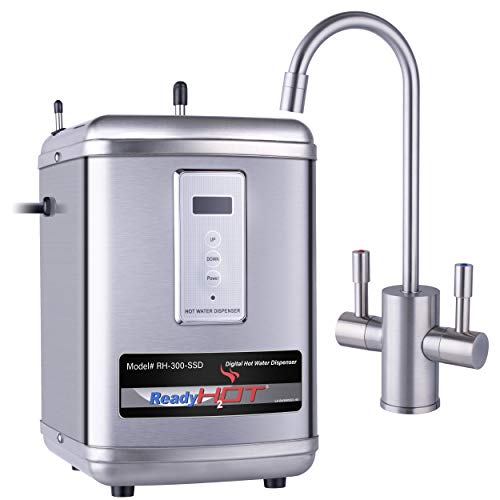
INSTANT HOT WATER DISPENSER: The Ready Hot RH-300-F560-BN instant hot water dispenser includes a sink mounted Brushed Nickel hot and cold water faucet and a 2.5 quart 1300-watt stainless steel tank
When to Replace Your Brushes: Clear Signs of Wear
When was the last time you really looked at your paintbrushes? Honestly, it’s something we often overlook, but keeping them in good shape is essential for bringing our artistic visions to life. Brushes don’t last forever, and understanding when to replace them can significantly impact your work.
If you notice that the bristles are starting to spread out or refuse to reshape after a wash, it’s probably time to consider a new one. Gaps in the bristles or missing hairs can really affect how your brush performs. Stiff bristles are another red flag; they can lead to loss of control in your strokes, making it tough to achieve the precision you’re after. Pay attention to those rounded or frayed tips, too—they can severely impact your painting technique.
Here’s a trick: maintain a good rotation of your tools. Regular use of brushes that are in good condition will help ensure you’re always working with the best. Replace the worn-out ones on a reasonable schedule; this simple habit can keep your painting experience enjoyable and productive.
So, why does this matter? Because the right tools can make all the difference in your creative process. By keeping an eye on your brushes and replacing them as needed, you’re setting yourself up for success in your artistic endeavors.
In short, treat your brushes well and they’ll treat you well in return. When’s the last time you gave your tools a good inspection? Remember, using brushes with high-quality nylon bristles can greatly reduce shedding and extend their usable life.
Recommended Products

PURDY NYLOX PAINT BRUSHES - Purdy Nylox brushes are designed to provide a smooth, flawless finish. These paint applicators will help you get the job done right the first time.

Genuine Purdy replacement part.

PURDY NYLOX PAINT BRUSHES - Purdy Nylox brushes are designed to provide a smooth, flawless finish. These paint applicators will help you get the job done right the first time.
Frequently Asked Questions
Can Shedding Affect the Quality of Paint Application?
Absolutely, shedding negatively impacts paint application. We need to prioritize brush maintenance to guarantee smooth strokes and consistent finishes. Proper care helps minimize bristle loss, enhancing our overall painting experience and artwork quality.
Do Different Brush Shapes Influence Shedding Rates?
Yes, different brush shapes do influence shedding rates. We’ve noticed that the bristle materials combined with brush shapes can result in varying amounts of shedding, affecting our painting experience and outcomes considerably.
How Often Should I Replace My Brushes to Avoid Shedding?
Replacing brushes is like changing tires; regular maintenance extends their lifespan. By following brush maintenance tips and using proper brush storage solutions, we can reduce shedding, ensuring peak performance throughout our creative journeys.
Are There Specific Brands Known for Low Shedding?
Yes, brands like Purdy and Wooster are known for low shedding, thanks to their quality materials and craftsmanship. With proper brush maintenance and using sustainable materials, we can enhance our painting experience considerably.
Can Weather Conditions Impact the Lifespan of Paintbrushes?
Did you know that extreme humidity levels can reduce paintbrush lifespan by up to 50%? We’ve found that temperature fluctuations and high humidity both adversely affect our brushes, making proper care essential for longevity.


