As an Amazon Associate, we earn from qualifying purchases. Some links on this site are affiliate links at no extra cost to you. Our recommendations are based on thorough research and editorial judgment.

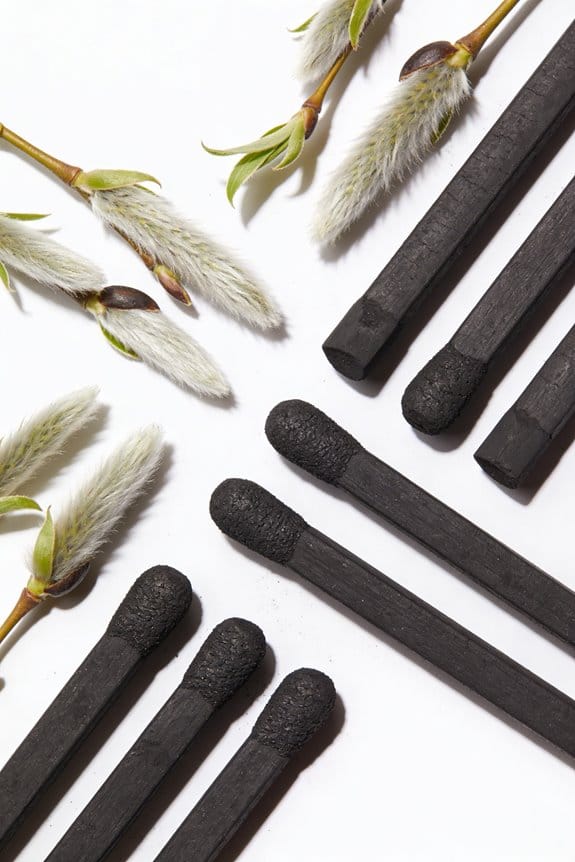
Willow vs. Compressed Charcoal: Understanding Hardness and Darkness

When it comes to charcoal, both willow and compressed types have distinct qualities. Willow charcoal is soft and ideal for loose sketches and shading, while compressed charcoal is denser, providing richer blacks for detailed work. The hardness of the charcoal affects how dark lines appear and the level of detail we can achieve. By experimenting with both types, we can enhance our artwork. Stick with us, and you’ll discover more ways to elevate your drawing techniques.
Key Takeaways
- Willow charcoal is soft and versatile, ideal for expressive lines and preliminary sketches, but not suited for fine details.
- Compressed charcoal offers richer, darker lines, suitable for intricate details and precision in artwork despite being tougher to erase.
- Hardness affects line quality; willow charcoal creates lighter marks while compressed charcoal provides deep blacks and strong tonal contrasts.
- Blending both types enhances tonal depth and texture, yielding unique effects in drawings through experimentation with mixing techniques.
- Surface preparation, such as using acrylic gesso, improves charcoal adherence and influences blending capabilities for varied drawing techniques.
Willow vs. Compressed Charcoal: Which One Should You Choose?

You may be interested

When you’re picking between willow and compressed charcoal for your artwork, think about the kind of look you’re aiming for. Do you want softer, more delicate lines or bold, dramatic strokes? Willow charcoal is great for those lighter touches. It’s soft and easy to erase, which is super helpful for making quick adjustments to your sketches. Have you ever found yourself stuck trying to fix a mistake? With willow, that’s a breeze!
On the flip side, compressed charcoal is your go-to for darker, richer lines. It allows for fine details and its hardness can change based on how much binder is used. Want intense darkness or broader strokes? You’ve got options! Just be aware that it’s tougher to erase, so take your time while layering.
Many artists like to mix things up—using willow charcoal for blending those softer areas while relying on compressed charcoal for strong tonal value. This combo can really elevate your drawing techniques. So, what should you try? Experiment a bit with both and see how they fit into your creative process.
In the end, both willow and compressed charcoal have their own strengths. It’s about finding what works best for you. Which one will you give a shot in your next piece? Remember, using essential blending tools like stumps and tortillions can help you achieve smooth transitions and enhance your charcoal work dramatically.
Recommended Products
![Soho Urban Artist Charcoal Drawing Set With Manikin in Zipper Case - Drawing Charcoal for Artists, Students, Blending, Live Figure Drawing, & More! - [Black - Drawing Set + Zipper Case]](https://m.media-amazon.com/images/I/41kxdaezg9L._SL500_.jpg)
Features: Various options, Professional Quality charcoal, environmentAlly-friendly charcoal creation, and options for artists of any level

Multiple Uses - Enjoy an array of creative options as this assorted set of drawing pencils is perfectly suited for sketching, drawing, design, portrait work and more

Versatile powder is made from willow charcoal sticks
Understanding Hardness: What Does It Mean for Your Art?
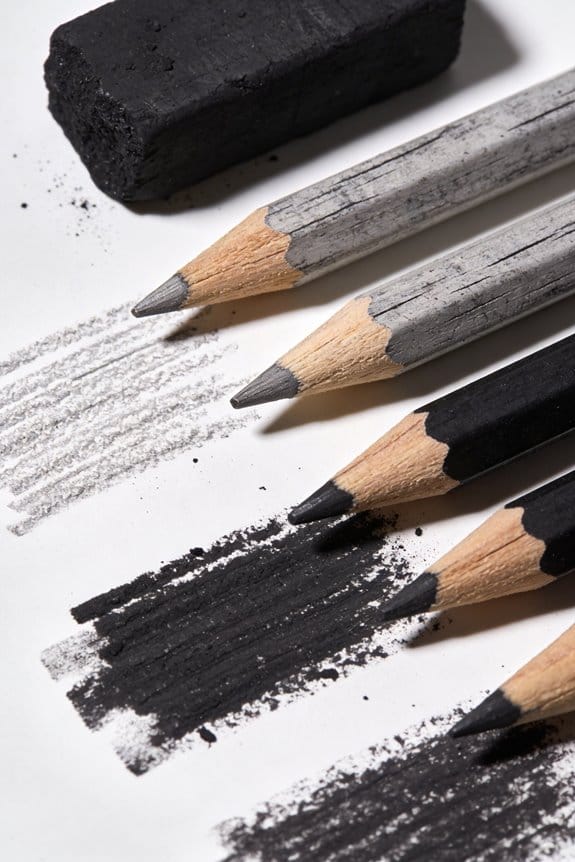
Have you ever struggled to get the line quality just right in your charcoal drawings? Understanding hardness in charcoal can really affect how you approach your artwork. The hardness, or how dense the charcoal is, directly impacts the quality of the lines and details you can achieve.
Let’s break it down. Willow charcoal is softer, making it awesome for creating those gentle gradations and expressive strokes you want in your sketches. It’s great for adding a dreamy quality to your work. Compressed charcoal, on the other hand, comes in various hardness levels. This means you can pick and choose based on the effect you’re after. By changing the charcoal powder-to-binder ratio, it’s possible to create everything from dark, bold lines to lighter, more precise marks.
So, why does this matter? Softer charcoals like willow truly shine in texture and tonal range, while harder ones are perfect for sharp lines and high contrast in your pieces. This isn’t just a matter of preference; being aware of each type’s hardness can really guide your material choices.
Here’s the trick: when starting a new piece, think about what you want to express. If you’re leaning toward softer edges and more blendable tones, reach for that willow charcoal. But if you want to highlight the details with strong, defined lines, grab the compressed charcoal. Knowing your options makes a big difference.
In short, understanding charcoal hardness opens up new possibilities in your art. Next time you pick up a piece of charcoal, consider how its hardness can help you achieve the results you want. Incorporating a range of hardness levels in your toolkit can greatly expand your creative techniques. What new effects are you excited to try?
Exploring the Darkness: How Color Depth Varies by Charcoal Type

Ever wondered why some artists get richer, deeper blacks in their charcoal drawings while others struggle? The type of charcoal you choose can make a huge difference in the depth and intensity of your color.
Take willow charcoal, for example. It creates softer, lighter marks that are great for sketching and blending. Plus, its fibrous qualities make it easy to erase—no chunky remnants left behind. But if you’re looking for those really dark lines, willow might not cut it.
On the other hand, compressed charcoal is where you can find some serious tonal depth. It’s denser and often comes packed with more pigment thanks to the added binders that hold it together. So, if you go with a softer version, you can achieve those striking dark marks that bring tons of contrast to your artwork. Just keep in mind, while it’s a bit tougher to erase, the incredible darkness and richness it brings to your piece is often worth it.
Similar to charcoal, artists using pastels like Rembrandt prefer those with finely ground pure pigments and a low-binder formula for vibrant application and smooth texture, which enhances the richness of colors in their artworks (low-binder formula).
What’s Willow Charcoal Good For? Ideal Uses and Applications?
Looking for a way to add more character to your sketches? Willow charcoal might just be what you need. It’s soft and versatile, making it perfect for those loose, expressive lines that really bring a piece to life.
The beauty of willow charcoal lies in its texture. You can blend it seamlessly, which allows for delicate layering in your preliminary sketches. Since the charcoal comes in various thicknesses, you can pick the right one for your project—whether you need something fine or a more robust option.
One major perk? It’s super easy to erase. If you make a mistake while drawing, you can correct it without tearing up your paper, which is a huge relief for anyone who’s ever faced a sketching blunder. But don’t forget, willow charcoal can be a bit brittle, so it’s not the best choice if you’re aiming for fine detailed work.
Try this: keep willow charcoal in your sketching toolkit. While it’s not always ideal for final pieces, it shines during the creative process. So, if you’re aiming for freedom and expression in your art, why not give it a go? What do you think would happen to your drawing style if you included this medium?
Additionally, choosing sticks made from 100% natural willow ensures both smooth application and eco-friendly artistry.
Recommended Products

These trunks are designed without a front opening.

Restaurant Grade Heat and Performance: Achieve professional level sears and long cook times with dense oversized chunks of natural hardwood that burn hotter and longer than standard briquettes Ideal for smoking, grilling, or pizza ovens.

8 LB. BAG ALL-NATURAL HARDWOOD LUMP CHARCOAL FOR GRILLING, SMOKING & OUTDOOR BBQ COOKING – Upgrade your grilling experience with Mr. Bar-B-Q Lump Charcoal, made from a premium blend of 100% natural hardwoods for a clean, hot, and flavorful burn. Perfect for charcoal grills, smokers, kamado cookers, and portable BBQ setups, this high-quality lump charcoal delivers rich smoky flavor, consistent heat, and low ash for better performance and easier cleanup. Whether you're firing up a chimney starter, searing over high heat, or slow-smoking your favorite meats, poultry, seafood, or vegetables, this charcoal is the ideal choice for BBQ enthusiasts, grill masters, and outdoor cooks.
How Compressed Charcoal Adds Detail: Tips for Precision in Your Artwork
When it comes to adding intricate details to your artwork, compressed charcoal could be just what you need. It’s versatile—different hardness levels let you choose how dark or precise you want your lines. Try using finely sharpened charcoal sticks for those sharp lines and for filling in tight spaces. This approach works wonders for detailed drawings.
Planning is key here. Compressed charcoal can be a bit stubborn when you’re trying to erase, especially compared to willow charcoal. So, sketching out your ideas carefully ahead of time will save you some frustration later.
Here’s the trick: combining compressed charcoal with blendable materials opens up a whole new world of tonal variations. Keeping a consistent pressure while applying the charcoal helps maintain that precision, which is essential for achieving the detailed impact you’re after. For artists interested in mixed media techniques, understanding surface compatibility is vital for choosing the right materials to complement charcoal work.
Recommended Products

Carbon Fiber Core: A 30-inch shaft constructed entirely from carbon fiber and shaped with a pro taper, delivering exceptional stability and highly efficient energy transfer through every stroke.

Carbon Fiber Core: A 30-inch shaft constructed entirely from carbon fiber and shaped with a pro taper, delivering exceptional stability and highly efficient energy transfer through every stroke.
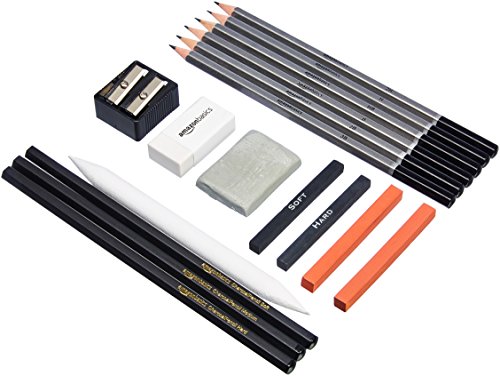
All-in-one 17-piece drawing and sketch supply kit for artists of all skill levels
Mixing Willow and Compressed Charcoal: Techniques for Enhanced Artwork
Ever found yourself stuck trying to blend different charcoal types for your art? It’s a common hurdle. Here’s a technique that might just help you break free.
Start with willow charcoal for those broad strokes. Its soft nature makes it perfect for creating wide shadow areas. You’ll notice how smoothly it glides across the paper, allowing for seamless transitions in your artwork. Once you’ve laid down that nice base, layer in some compressed charcoal. This isn’t just for fancy details; it adds that depth and contrast that really brings your drawing to life.
Now, if you want to experiment, try mixing two parts willow with one part compressed charcoal. This creates a soft background while still keeping the foreground nice and defined. It’s all about play and finding what works for you.
So, why does this matter? Blending these two types allows for unique tonal variations that can really elevate your art. Honestly, it’s worth the time to experiment with different ratios.
In the end, don’t be afraid to embrace this combination in your artistic journey. How do you plan to mix up your approach?
Choosing the right surface prep, like applying acrylic gesso, can significantly improve how charcoal adheres and blends on your paper.
Recommended Products

A range of natural drawing charcoal sticks and pencils as well as charcoal in stick and pencil form in a range of degree of hardness

Derwent Charcoal XL Blocks in a range of greyscale shades. Naturally water-soluble and highly versatile for broad coverage and expressive mark making.

6 Compressed Charcoal Sticks - 2 soft, 2 medium & 2 hard compressed charcoal sticks, perfect for bold dramatic strokes
Choosing the Right Charcoal for Your Projects: Helpful Tips and Suggestions
How do you figure out the right charcoal for your art projects? Willow charcoal is a solid option if you’re looking to create those soft initial sketches. It’s super easy to blend and erase, making it perfect for those delicate lines and tonal shifts you want. But, if detail and contrast are what you’re after, you might want to reach for compressed charcoal instead. It gives you those bold, dark marks and rich tonal variations, although erasing it can be a bit of a hassle.
Here’s the trick: it’s all about experimenting. Try different hardness levels within both willow and compressed charcoal to discover what works best for your style. You might find that mixing them enhances your projects. By combining both types, you can really open up your creative possibilities. So, why does this matter? When you blend the softness of willow with the richness of compressed charcoal, you add depth and dimension to your artwork that can lead to some truly stunning results.
Truth is, using a mix not only makes your work more versatile but can also lead to unique expressions that really capture your vision. Don’t hesitate to play around and see what resonates with you. Additionally, considering the stick hardness options can help you further tailor your charcoal use to achieve the desired shading and detail. In the end, the choice of charcoal can impact your artistic journey in more ways than you might think. What will you create with the right tools in hand?
Recommended Products
![Soho Urban Artist Compressed Charcoal - Drawing Charcoal for Artists, Students, Blending, Live Figure Drawing, & More! - [Midnight Black - 120 Pack]](https://m.media-amazon.com/images/I/51OhVb27RSL._SL500_.jpg)
Features: Various options, Professional Quality charcoal, environmentAlly-friendly charcoal creation, and options for artists of any level

MADE TO MAKE IT EASY The most all-inclusive ever drawing and sketching set - in robust, gift worthy, zipper case; unfolds into organized sections which stand up for simple selection; carry-anywhere functionality.

VERSATILE & VIBRANT – The 8mm square block combines versatility with vivid color. Use the edge for fine details or the side to cover large surface areas quickly. Contains full range of 24 colors.
Frequently Asked Questions
What Is the Difference Between Compressed Charcoal and Willow Charcoal?
Compressed charcoal properties offer rich dark lines and better adhesion, while willow charcoal features lighter, softer marks ideal for blending. We see their texture differences enhance our shading applications, making each versatile in unique drawing techniques.
Is Willow Charcoal Hard or Soft?
Willow charcoal’s softness makes it a delight for us artists. Its gentle texture enhances our blending techniques, perfect for gesture drawing. Plus, it allows effortless erasing for those who cherish adaptability in their artistic preferences.
Which Charcoal Is the Darkest?
When it comes to darkness levels, compressed charcoal surely reigns supreme. In our art techniques, we appreciate its rich texture differences and bold smudging effects, while exploring various blending methods to enhance our drawing styles and color variations.
Why Would an Artist Choose Vine Charcoal Over Compressed Charcoal?
We find vine charcoal’s benefits undeniable: its portability allows us to sketch precisely anywhere. With light tonal range and blending capabilities, it enhances our artistic techniques, reacting beautifully on surfaces and drying quickly for spontaneous creativity.


