As an Amazon Associate, we earn from qualifying purchases. Some links on this site are affiliate links at no extra cost to you. Our recommendations are based on thorough research and editorial judgment.


Impasto Gel vs. Modeling Paste: Building Texture Safely

When we explore texture in art, we can use both impasto gel and modeling paste safely. Impasto gel dries clear and maintains color clarity, perfect for thick brush strokes. Modeling paste, however, dries white and helps create raised textures but can lighten colors. Remember to wear gloves and work in a ventilated area. Testing textures on small surfaces first is a smart move. By experimenting with these mediums, we’ll find unique effects that enhance our artwork.
Key Takeaways
- Impasto gel dries clear, preserving color vibrancy, ideal for adding thick textures without altering paint tones.
- Modeling paste dries white and can lighten mixed colors but is excellent for creating raised textures.
- Always work in a ventilated space, wear masks, and gloves to ensure safety while using texture mediums.
- Apply paints over dried modeling paste for accurate color representation; impasto gel allows blending before drying for more depth.
- Experiment with layering techniques, keeping in mind different drying times, to enhance visual interest in your artwork.
Understanding Impasto Gel and Modeling Paste
You may be interested

When you’re diving into textured artwork, figuring out whether to grab impasto gel or modeling paste can be a real game-time decision. Impasto gel is a medium-thick acrylic that dries clear, which means it really showcases those beautiful brush strokes. If you love that thick, painterly look, it’s fantastic for impasto techniques.
But then there’s modeling paste. This stuff is thick and white, and if you mix it with paint, it can change the color completely. You’ll find that both mediums can add great dimension to your work, but modeling paste has the upper hand when it comes to holding its shape. Its higher viscosity makes it perfect for those projects where you want something that really stands out.
So, what does this all mean for your artwork? Impasto gel is lightweight and great for layers, whereas modeling paste is heavier and works best on sturdy surfaces like wood. And here’s the trick: always let each layer dry completely. Honestly, modeling paste can take up to 24 hours to dry before you’re ready to paint on top of it.
Choose the right medium based on your project needs. Impasto gel is ideal for those soft, textured finishes, while modeling paste is perfect for bold, sculptural designs. What will you create next? Additionally, checking the drying times and durability of each medium ensures your textured artwork maintains its quality over time.
Key Differences Between Impasto Gel and Modeling Paste

Have you ever struggled to choose between impasto gel and modeling paste for your art projects? It can be tough when both mediums have their unique advantages, but knowing their key differences can really guide your decision-making. Impasto gel is great for those moments when you want your colors to pop while maintaining a sculptural feel. It dries faster than modeling paste, which you’ll need to set aside for about 24 hours to fully dry. Plus, keep in mind that modeling paste can change the colors of any paints mixed into it — not ideal if you’re chasing that perfect hue.
On the other hand, modeling paste has a thicker consistency that’s perfect for adding texture and creating raised surfaces. If you’re aiming for dimension, it’s definitely the way to go, even though it finishes matte. So, why does this matter? Well, you don’t want to paint over it and lose what you’ve built up. The opaque finish of modeling paste means you’ll need to really plan how you use it in your artwork.
Impasto gel is awesome since you can coat it with paint without worrying about clarity. Want a smooth finish? Stick with the gel for that. Honestly, if you’ve got a vision in your head, understanding these differences will keep you from running into surprises down the line. Also, always be sure to check that your chosen mediums are non-toxic and have proper safety certifications, especially if you are working in a shared or home environment.
Recommended Products


Lightweight, airy, flexible and thick sculptural gel; Will not exhibit mud cracking

Our Artist Painting Butter is a fast-drying oil paint medium that enhances your work with its quick-drying, alkyd resin-based composition. Perfect for impasto and palette knife painting, it enables smooth, even drying without wrinkling or cracking
Benefits of Impasto Gel for Texture
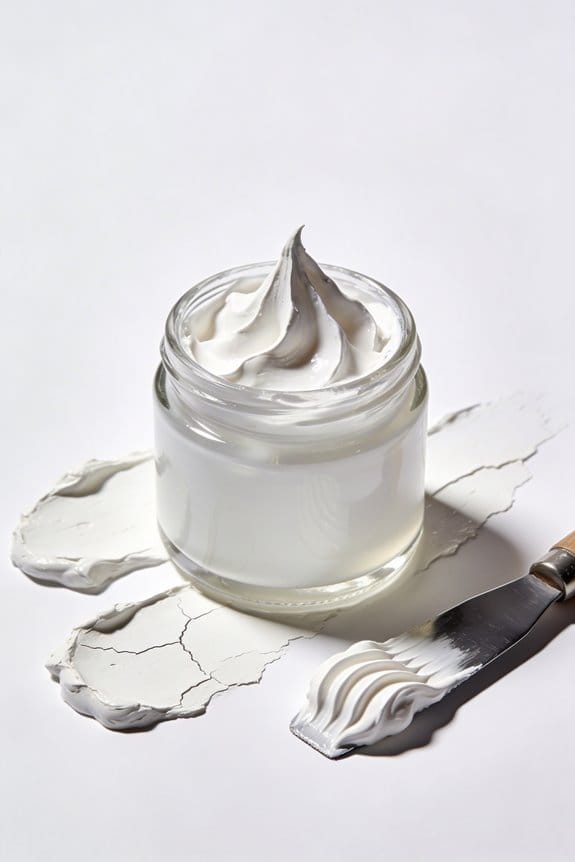
Have you ever struggled with adding the right texture to your artwork? If so, impasto gel might just be the answer you’re looking for. This stuff is fantastic because it lets you create rich textures without messing with your paint’s color. When you mix it in, it dries clear, keeping your acrylic colors vibrant and true to their original shades.
One of the best features of impasto gel is its thick consistency. This thickness helps you achieve a three-dimensional look that makes your brush strokes stand out. Plus, have you ever wished you had more time to blend colors? Impasto gel extends the drying time, giving you that extra moment to work your magic. And don’t worry about your colors getting lighter when mixed—impasto gel keeps them bold and bright.
Another perk is how lightweight this medium is, allowing you to use it on different surfaces without weighing them down. So, whether you’re painting on canvas, wood, or even paper, you can create stunning textures without worrying about adding extra weight.
Additionally, the non-toxic characteristics of impasto gel make it safe for artists of all levels to use comfortably.
In short, impasto gel is a wonderful option for bringing texture to your pieces. So, why not give it a shot? You might find it opens up a whole new world of creative possibilities on your next project.
Recommended Products

Dries to a gloss finish; Viscosity and body similar to Liquitex Heavy Body Paint

Extra Heavy Gel Matte is a very thick matte acrylic medium that dries to a wax-like finish

Utrecht Acrylic Medium - Gel Matte Medium, Gallon
Advantages of Modeling Paste for Artistry
Have you ever wanted to add some serious texture to your art but found it tricky? Modeling paste might just be the perfect solution for you. This thick medium dries white and lets you create raised textures and sculptural effects with ease. One of the best parts? It adheres really well, so you can apply it thickly on wood panels or heavyweight canvases without worrying about their stability.
When you’re working with modeling paste, you’ll notice its high viscosity helps to hold peaks and shapes. This adds real depth to your mixed media and acrylic paintings. After it dries, you can also sand or carve it for those fine details that bring your art to life. So, how do you get the color right? Mixing paint directly into modeling paste can sometimes lighten the final hue, which might not give you the look you want. Instead, lay your paint over the dried paste for true color representation.
Honestly, this medium is a fantastic addition to your art supplies! Just remember to experiment with it—you might find new techniques that inspire your next project. Have you tried using modeling paste yet, or are you thinking about diving into it? Using wax sculpting tools can also enhance your ability to carve and shape the modeling paste for intricate textures and details.
Recommended Products
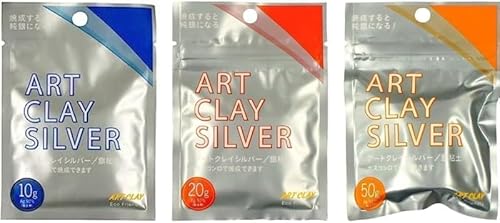

Create intricate precious metal clay pieces to add to jewellery collection

The original and industry leading instant papier mache; just add water, no paper strip cutting or adding messy paste; beginner friendly with exceptionally professional resulst, sustainably sourced made from 100% recycled paper
How to Use Texture Mediums Safely
When you’re diving into texture mediums like modeling paste or gel medium, safety’s gotta come first. Do you really want to be inhaling dust or fumes while you’re getting creative? So, make sure to wear a mask and find a spot that’s well-ventilated. It’s also a good idea to grab some gloves. Your skin will thank you, especially while you’re mixing or applying these mediums.
Before you start applying it all over your project, here’s the trick: test the medium on a small surface first. You want to check how it jives with your paint and the material you’re working on. It can save you a lot of headaches later if things don’t go as planned.
After you’re done using your tools and brushes, clean them up right away with water. Seriously, dried gel medium or modeling paste can be a real pain to get off. And when you’re finished, store your opened texture mediums in a cool, dry place. They’ll stay fresh longer that way, and remember, gel medium dries clear! Also, choosing a non-toxic formulation helps keep your art process safe and comfortable.
Recommended Products
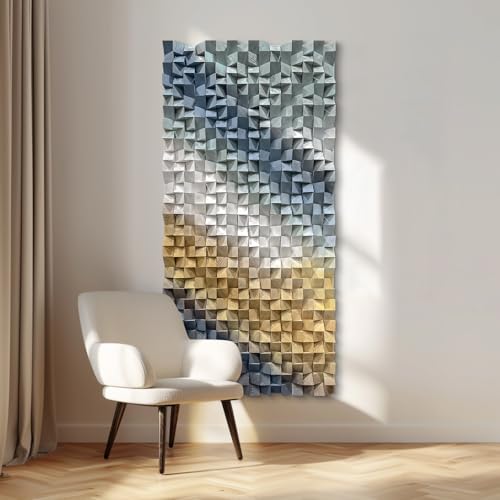
【Unique Triangle Design】The carefully crafted triangular wooden block shape is full of three dimensionality, adding modern artistic style and visual impact to the home space.

Vibrant Assorted Colors: Unleash your creativity with Rosmonde’s premium pre-sharpened color pencils set. Each pencil delivers consistent, high-quality pigment, ensuring your artwork stands out with brilliance and depth. Whether you're shading, sketching, or blending, our colors bring every artwork to life.

Vibrant Assorted Colors: Unleash your creativity with Rosmonde’s premium pre-sharpened color pencils set. Each pencil delivers consistent, high-quality pigment, ensuring your artwork stands out with brilliance and depth. Whether you're shading, sketching, or blending, our colors bring every artwork to life.
Tips for Experimenting With Impasto Gel and Modeling Paste
Experimenting with impasto gel and modeling paste can feel a bit daunting at first, but it’s a fun way to add depth and interest to your acrylic paintings. You might wonder how to start mixing these textures into your work. Here’s the scoop: begin by applying layers of modeling paste using a palette knife. This technique lets you create sharp definitions, forming peaks and shapes that really pop.
On the other hand, impasto gel has a more fluid consistency, making it perfect for achieving a softer, more natural look. But here’s the trick: mixing these mediums with paint is important because it can really change your colors. Keep in mind that modeling paste dries white, which can lighten your hues, while the impasto gel dries clear, so your original colors stay true.
To avoid cracking, it’s wise to allow your modeling paste to dry for up to 24 hours before layering more on top. You definitely don’t want to rush this part! And if you’re itching to add some color to your modeling paste, feel free to mix in acrylics. It’s a great way to get a custom tint. Remember that the impasto gel’s main role is to enhance texture without messing with the color.
Additionally, for those blending oil paints with textured mediums, choosing the right drying speed can help you manage your workflow effectively.
Recommended Products

EVERYTHING YOU NEED: 1 x french easel, 10 x 60ml acrylic paint set, 6 x canvas & panel , 1 x brush set, 1 x acrylic mediums, 2 x detail brushes, 1 x disposable palette pad, 2 x palette knives. Start your art creation straight out of the box!
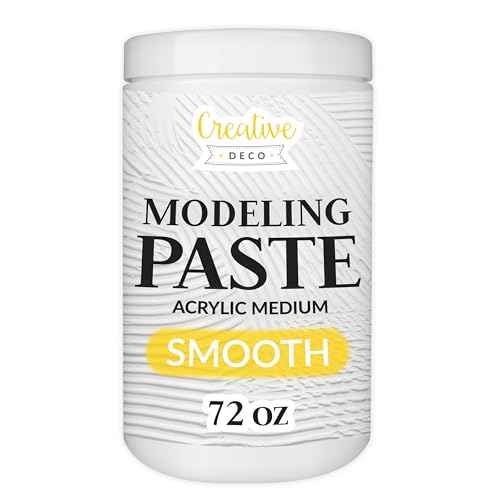
Thick & Shape-Holding Modeling Paste With No Grain – Ultra-dense acrylic modeling paste with a thick plastic-like consistency that holds shape exceptionally well—perfect for creating raised textures, reliefs, and sculptural effects in acrylic painting and mixed media art.

High-Quality Ingredients: Crafted from premium materials, our modeling paste ensures durability and smooth application for your artistic projects.
Frequently Asked Questions
Is Modeling Paste the Same as Impasto?
No, modeling paste isn’t the same as impasto. While modeling paste offers heavy texture properties, impasto focuses on paint application benefits. We should consider using both safely, depending on our desired texture application methods.
What Is the Difference Between Modeling Paste and Texture Paste?
In the canvas of our creativity, modeling paste creates bold mountains, while texture medium dances lightly across the surface. Each has its place in our art techniques, guiding our surface preparation to unique artistic heights.
What Is the Best Paste for Textured Art?
For textured art, we prefer modeling paste for bold layering effects, while impasto gel suits smoother texture techniques. Considering drying times in our paste applications helps us achieve the desired depth and dimension efficiently.
Is Modeling Paste Used for Textured Art?
Absolutely, we use modeling paste for textured art! Its thick consistency lets us explore various textural techniques and layering methods, creating stunning sculptural effects through careful paste application that enhances our creative vision beautifully.


