As an Amazon Associate, we earn from qualifying purchases. Some links on this site are affiliate links at no extra cost to you. Our recommendations are based on thorough research and editorial judgment.

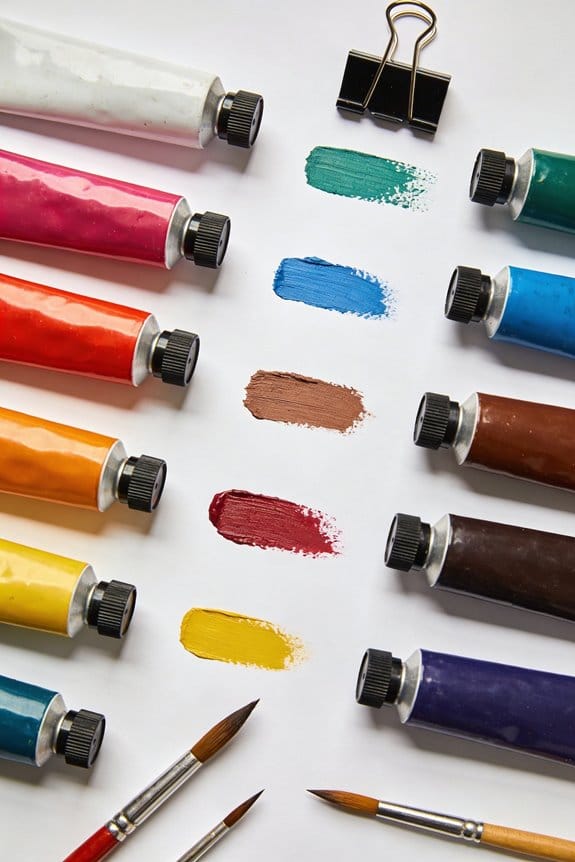
What Are Paint Binders and How Do They Affect Drying Time?

Paint binders are key ingredients in paint that determine its drying time and how we can use it. There are two main types: acrylics and oils. Acrylic binders are fast-drying, taking around 30 minutes, while oil binders can take days to weeks. This affects how we layer and manipulate our paints. Understanding these properties helps us choose the right binder for our projects. If we keep exploring, we’ll uncover more tips for using these materials effectively.
Key Takeaways
- Paint binders are essential components that determine drying times, impacting how quickly paint sets and how layering can be achieved.
- Common binders include acrylics, which dry quickly in about 30 minutes, and oil-based binders, which can take days to weeks to cure.
- Acrylic paints provide flexibility and quick layering, while oil paints allow more manipulation time due to their prolonged drying period.
- Environmental factors, such as temperature and humidity, significantly influence drying times for both acrylic and oil paints.
- Understanding binder types helps artists select the right paint for their needs and manage expectations regarding project timelines and drying challenges.
What Are Paint Binders and Why Are They Important?
You may be interested

Ever found yourself staring at a can of paint, wondering what makes it actually stick to the wall? Paint binders are often overlooked, but they’re crucial for a successful painting project. These elements play a key role in holding pigment particles together and ensuring the paint adheres well to surfaces.
When we talk about binders in paint, we’re diving into materials like acrylics and alkyds. Each type comes with its own set of perks. For instance, acrylic binders dry quickly, which can be a blessing if you’re in a hurry. On the other hand, oil-based binders take their time to dry thanks to their chemical structure. This aspect not only influences drying time, but also how the paint feels and lasts. So, why does this matter? It impacts flexibility and resistance to the environment, both of which are vital for durability.
Acrylic binders are well-suited for various surfaces and artistic techniques due to their versatile application properties and quick drying time.
Here’s a little advice: think about what you need before choosing a binder. Consider your project and environment. Do you need something that dries fast, or are you okay with a longer wait for enhanced durability? Different binders can lead to different results, so picking the right one can set your project up for success.
In short, understanding paint binders helps you make informed decisions that lead to better outcomes. Next time you’re at the store, take a moment to think about what you’re really buying. Are you ready to tackle your next painting adventure?
Understanding How Binders Affect Your Paint’s Drying Time
When you’re diving into a painting project, have you ever thought about how the binders in your paint can change the game when it comes to drying time? Binders aren’t just technical jargon; they’re a big deal. For example, if you’re using paint with acrylic binders, you can expect it to dry pretty quickly because water evaporates fast. This means you can layer multiple coats in just one day!
On the flip side, if you’re working with oil binders like linseed oil, be prepared for a longer wait. These paints cure through oxidation, which can take days or sometimes even weeks to fully set. The drying process here really hinges on factors like temperature and humidity—so you may be left waiting.
So, why’s all this drying time info important? Besides the binders, don’t forget that pigments and additives can also play a role in how quickly your paint dries. Some can speed things up, while others may slow the process down. Understanding the specifics about the binders in your paint helps you manage your project timeline better.
Here’s the trick: Pay attention to the materials you’re using if you want to nail that perfect finish without unnecessary delays. A little knowledge goes a long way in making your painting experience smoother and more enjoyable.
In short, knowing how binders work can really change how you plan your painting projects. Have you thought about how different types of paint might affect your next DIY adventure?
Acrylic Paint Binders: Fast-Drying Properties You Should Know
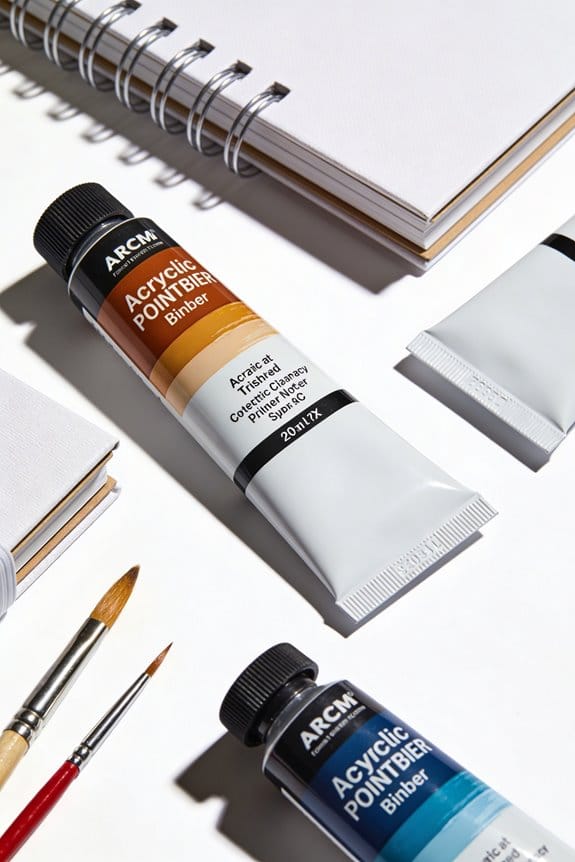
Acrylic paint binders are pretty amazing when it comes to art supplies. They’re made of synthetic polymers that speed up water evaporation, so your paint dries fast—usually within about 30 minutes. This is such a win because it means you can layer your paints without waiting around forever. Once the paint dries, these binders create a flexible and durable film on your canvas which also improves water resistance.
But, let’s be real: that quick-drying feature can complicate blending. It might take a minute to get used to it, but mastering a few techniques can make all the difference for your artwork.
Here’s what you should keep in mind:
- Acrylic paints dry quickly, so work in manageable sections.
- Try using a wet palette to keep your paints workable for a longer time.
- Blending directly on your canvas? Practice makes perfect!
So, why does this matter? Well, you want your artwork to look the way you envision it, and understanding how acrylic binders work can help you achieve that.
Truth is, artists of all levels love these binders for their versatility across different styles and projects. They keep those pigment particles intact, so every stroke remains vibrant.
In the end, acrylic paint binders are a fantastic choice. They can really elevate your painting experience—what techniques will you try next? Additionally, the high pigment load in heavy body acrylics preserved by the binder ensures vivid, long-lasting colors in your finished work.
Key Characteristics of Oil Binders and Their Impact on Drying Times
Have you ever tried painting with oil paints and felt like you were waiting forever for them to dry? It can be a real test of patience! Oil binders, like linseed oil, are a key part of the painting process, but they significantly slow down drying times. Unlike water-based paints, which can dry in a matter of hours, oil paints can take days or even weeks to cure completely.
So, why does this matter? When oil paints dry, it’s all about oxidation and polymerization—two fancy terms that basically mean your paint needs time to harden properly. You might think that using something like linseed oil would speed things up, and it does dry faster than other oils, but don’t get too comfortable. Oils like safflower can take even longer and have the bonus of yellowing less over time. If you’re applying thick layers, brace yourself for an even longer wait.
Environmental factors really play a huge role too. High humidity? That could mean your painting will take even longer to dry. If you’re dealing with extra muggy conditions, planning your painting sessions around the weather is definitely worth considering. Some artists use fast drying mediums to significantly cut down on drying time without compromising the paint’s vibrancy.
How Does the Environment Affect Your Paint’s Drying Time?
How can the environment impact the drying time of our paint? It’s a good question, and the truth is, it can make a big difference.
Let’s break it down:
- Temperature: When it’s hot, paint dries faster because the heat helps solvents evaporate quickly. But when it’s cold? That drying time drags on.
- Humidity: High humidity levels can really put a wrench in your painting plans. Moist air slows down evaporation, so if you’re in a muggy environment, be prepared to wait a little longer before your paint is ready.
- Type of Paint: Different paints respond differently to these conditions. For example, oil-based paints might take ages to dry when humidity is high, while water-based paints usually dry faster.
So, how can you speed things up? Here are a couple of tips:
- Airflow is Key: Open some windows or use fans. Moving air can help those pesky solvents evaporate and improve drying times.
- Warm Surfaces: If you can, try to work on a warm surface. It helps evaporate moisture more efficiently, cutting down on the drying time.
Additionally, the consistency and texture of acrylic paints can influence how quickly they dry, with thicker paints typically taking longer to set.
Honestly, knowing how these factors work can save you a ton of frustration. So, the next time you’re diving into a painting project, keep an eye on the weather. It could mean the difference between waiting patiently and getting on with your day.
Have you ever had to deal with unexpected drying times? How did you handle it?
Choosing the Right Binder for Your Painting Project
When you’re diving into a painting project, you might wonder what binder will work best for your needs. There are a couple of big options to think about. Acrylic binders usually dry faster than oil-based options like alkyds. This quicker drying time means that if you choose acrylic paint, you can layer your work without waiting too long. For those who love to create effectively and efficiently, acrylic can be your go-to choice.
On the flip side, oil paints, which often use binders like linseed oil, give you more time to manipulate the paint on the canvas. But here’s the catch: they can take quite a while to dry. Why does this matter? If you’re on a tight timeline, that extended workability can either be a blessing or a hurdle.
So, it’s worth considering how these binders will affect your workflow. Assess your project timeline and the specific features of each paint binder. Doing this can help ensure your creative process aligns with your artistic vision. Additionally, blending acrylic paint with certain gel mediums can adjust drying time and texture to better suit your needs.
In short, pick your binder wisely, and you’ll set yourself up for a smoother painting experience. What will you create with your chosen paint?
Common Drying Issues and Effective Solutions
Have you ever found yourself frustrated waiting for your paint to dry? You’re not alone! Choosing the perfect binder for your artwork can really impact your experience, but there are some drying challenges you might hit along the way. For example, oil-based paints take their sweet time to dry compared to those speedy acrylics. If it’s humid out, oil paints can be especially sluggish, but on the flip side, low humidity can cause acrylics to dry way too fast.
Thick layers of paint? Yeah, they can slow you down even more because moisture needs to escape fully. So, what can you do about these drying dilemmas? Here’s the trick: if you’re working with acrylics, try using retarders—these extend your drying time, which is super helpful for blending. On the other hand, if you’re stuck with oil paints and you want to speed things up, consider using accelerators.
Knowing the binders you’re working with along with the climate can really help prevent issues like cracking or blistering in your work. It’s important to pay attention to these details if you want your finished piece to look its best.
Also, selecting the right acrylic pouring medium with the appropriate viscosity and flow can dramatically improve your paint’s drying behavior and finish quality.
Just remember, every artist faces drying challenges now and then. So, what’s your go-to method for tackling drying issues?
Frequently Asked Questions
What Is a Paint Binder?
So, paint binders are like the glue for our colorful masterpieces! They’re essential for holding pigments together and influencing paint performance. Different types of binders in various formulations play significant roles in our artistic adventures.
What Affects Paint Drying Time?
The factors influencing drying time include environmental conditions, like humidity and temperature, paint thickness, and pigment type. We’ve noticed that these elements can drastically alter how quickly our paint surfaces dry and cure.
What Is the Function of a Paint’s Binder?
A paint’s binder holds pigment particles together, influencing paint properties like adhesion, texture, and flow. Different binder types affect formulation effects and drying chemistry, determining how swiftly our paint dries and how well it lasts.
How Long Does Acrylic Binder Take to Dry?
Like a whispering breeze, acrylic binders dry within 30 minutes to an hour. However, let’s not forget, environmental influences and paint layer thickness can stretch those binder drying dynamics to days or even weeks!


