As an Amazon Associate, we earn from qualifying purchases. Some links on this site are affiliate links at no extra cost to you. Our recommendations are based on thorough research and editorial judgment.


Fat Over Lean: The Golden Rule of Oil Painting Explained

The fat over lean rule is essential for oil painting. It means we should apply lean layers first, which dry quickly and contain more solvents. Then, we add fat layers with higher oil content, creating flexibility and preventing cracks. For lean layers, a mix of 75% odorless mineral spirits and 25% oil works well. As we build up, we switch to a 50/50 mix, and finally, we use pure oil on top for glossy finishes. Let’s explore more techniques together.
Key Takeaways
- The fat over lean rule requires each new layer of paint to contain more oil than the layer beneath it to prevent cracking.
- Lean layers, made with more solvents, dry quickly and provide a stable base for fat layers, which are more flexible and shiny.
- It’s essential to ensure each layer dries completely before applying subsequent layers to enhance durability and reduce paint issues.
- Recommended mediums for lean layers include 75% solvent and 25% oil, while fat layers should use pure oil or balanced mediums for glossiness.
- Monitoring environmental conditions, such as humidity and temperature, can optimize drying times and improve the flexibility of oil paintings.
Understanding and Applying the Fat Over Lean Rule in Oil Painting
You may be interested


Ever wonder why some oil paintings crack and deteriorate over time? Understanding and applying the Fat Over Lean rule could be your solution for creating art that stands the test of time. The basic idea is that every new layer of oil paint should have more oil, or “fat,” than the layer underneath it. So, if you start with a lean layer that’s mostly solvent, your next one needs to be richer in oil. Lean layers dry quickly, while fat layers take longer and remain flexible, which is key to durability.
To really nail this technique, you can use different painting mediums. Start off with a lean mix of paint and solvents for your initial layer. Then, as you add more layers, gradually introduce oils or even resins to make your upper layers fat. This change in composition is crucial, but don’t rush it—let each layer dry completely before moving on to the next. Waiting might feel tedious, but it really does help prevent any cracking.
So, why does this matter? Trust me, the extra patience pays off. You want your artwork to last, and following the Fat Over Lean rule is a straightforward way to ensure that happens. Remember, making art should be fun, so experimenting with different mediums can be part of the creative process.
In a nutshell, stick with the Fat Over Lean approach, and your oil paintings will be more durable and less prone to issues down the road. For speeding up drying while maintaining quality, consider using mediums like the Winsor & Newton Artisan Fast Drying Medium. Why not give it a shot in your next project?
Why Is the Fat Over Lean Rule Essential for Artists?

Have you ever wondered why oil paintings crack or flake over time? The answer often lies in how the paint layers are applied. The Fat Over Lean rule is a principle that really helps in making sure your artwork stands the test of time.
First off, think of lean paint as your foundation. This type of paint has less oil and dries faster, which means you should apply it first. Going lean at the base creates a solid structure that helps prevent those annoying cracks later on. Once your lean layer dries, you can then go ahead and add a thicker, more flexible layer of fat medium, which has a greater oil content.
Here’s what you need to consider: The higher oil content in the fat layer means it dries more slowly, allowing it to settle nicely without causing any problems to the layers beneath it. Understanding the differences in drying time is crucial for managing your paint layers effectively.
So, why does this matter? Well, it’s all about keeping your artwork vibrant and intact for years to come. Just like building a strong wall, the Fat Over Lean rule ensures your oil paintings remain stable and beautiful over time.
In short, remember to start with lean paint and finish with fat. This will go a long way in preserving the integrity of your artwork. Got any tips you swear by for keeping your oil paintings in top shape? Also, using high-quality pigments can greatly improve the longevity and vibrancy of your layers.
How to Apply the Fat Over Lean Rule in Your Work

Let’s talk about the Fat Over Lean rule in oil painting. If you’ve ever struggled with layers cracking or peeling, you’re not alone. This straightforward principle can make a real difference in the outcome of your work. The idea is simple: start with lean layers and build up to fatter ones.
First off, lean layers mean using thinned paint with solvent. This makes the paint dry faster and gives a stable foundation for everything that comes after it. When you’re applying your initial layers, think about using a lean medium. As you move along, you can gradually add more oil to your paint. So, try starting with a mix that has less oil and then transition to a fatter oil medium for your final touches.
What’s the catch? You need to let each layer dry completely before adding more. It may feel like waiting around, but this is crucial for strong adhesion and preventing cracks. Trust me, nobody wants to ruin their beautiful piece with those annoying little cracks.
The best part is, following this method not only boosts the strength of your artwork but also gives it a vibrant and flexible quality that can stand the test of time. So, by keeping this fat-over-lean rule in mind, you’ll enhance both the durability and the overall look of your paintings. Using mediums like refined linseed oil can help create those “fatter” layers that increase flexibility and longevity in your artwork.
Recommended Products

PROFESSIONAL GRADE OIL PAINTS: Oil paints deliver a luxuriously thick consistency—30% thicker than most standard oil paints, paired with intensely saturated color for a truly opulent painting experience. The dense, buttery texture glides smoothly onto the canvas yet holds every brushstroke and palette knife mark with remarkable precision. Perfect for artists who demand rich impasto effects and superior control
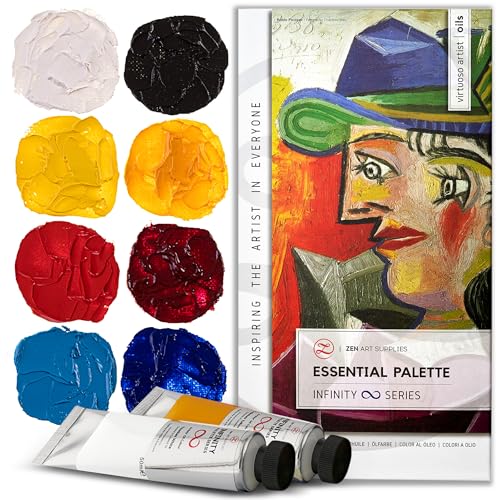
8 PRIMARY OIL COLORS FOR INFINITE HARMONY - this oil paint professional set includes pairs of vibrant primary colors to mix almost any color and bring greater balance throughout a painting. The oil set contains large 1.7 fl Oz (50 ml) tubes: Titanium White, Ivory Black, Cadmium Yellow Hue, Cadmium Yellow Deep Hue, Cadmium Red Hue, Alizarin Crimson, Cerulean Blue and Cobalt Blue.

Contains trial sizes of 6 of Gamblin's best products for every step of oil painting.
Understanding the Differences Between Fat and Lean Paint
Have you ever wondered why your oil paintings don’t always come out the way you hoped? Understanding the difference between fat and lean paint can be the secret to achieving the results you want, especially when it comes to layering. Fat paint, which has more oil, gives your work a shiny, flexible texture that can really make your artwork pop. On the other hand, lean paint is thinner and contains more solvent, resulting in a matte finish that dries quickly.
When you’re starting your painting, lean paint is your best friend. It’s perfect for those early layers since it dries fast. As you build up your artwork, you’ll want to switch to fat paint for the top layers. This slower-drying paint helps with blending and adds that glossy finish you might be looking for. Just remember: always go with lean layers first and then add fat layers on top. This order helps everything stick together, reducing the risk of cracks showing up later on.
Think about the mediums you’re using, too. Lean mediums work great for those initial layers, keeping everything light, while fat mediums can enhance the gloss in your upper layers, giving a vibrant look. So, why does this matter? If you can get a handle on how fat and lean paint interact, you’ll not only improve your skills but you’ll also keep your artwork from falling apart over time. Additionally, selecting the right acrylic flow medium can further improve paint flow and finish, ensuring your layers behave as intended.
Recommended Products

【3000W Peak Dual Motor】: Equipped with 2 brushless 1000W(peak 1500W) brushless motors, with powerful 160NM of torque to help conquer the most rugged terrains, strong climbing power (40° Max climbing ability), up to most speed in pedal assist mode, 7-speed gear system offers smooth and precise shifting, allow you to optimize your pedaling effort, help you enjoy a super fast and super cool riding experience.

Premium Synthetic Grease Solution: Super Lube Multi-Purpose Grease is a heavy-duty, multi-purpose grease for bearings, valves, pumps, and chains, and a machinery lubricant or motor grease in both industrial and home settings

KLEEN HANDLER by Bison Life 47” x 35“ TPU Apron, 7.8 Mil thick, one size fits most
Debunking Common Misconceptions About the Fat Over Lean Rule
Have you ever felt confused by the fat-over-lean rule in oil painting? Many people assume that thicker oils are always fatter, but that’s not the whole story. It’s not just about how thick the paint looks; it’s really about the oil content mixed with the pigment. The ratio of oil to pigment actually determines the fatness. Pigments by themselves aren’t categorized as lean or fat; it’s all in how they’re blended with oil.
So, what about those solvents like mineral spirits? They’re always considered lean because they evaporate quickly and don’t add any oil to your mix. Here’s a tip: If you start your painting with a fat medium in the lower layers, you’re setting yourself up for potential cracking later on. Instead, it’s much safer to begin with lean layers, as this ensures better adhesion for subsequent layers.
Knowing how to navigate these rules can save you from making common mistakes that could lead to your artwork deteriorating over time. It’s all about layering correctly and being aware of how each component interacts with the others. Keeping these principles in mind helps your paintings not only look good but also last longer. So, next time you’re in your studio, take a moment to consider the oil-to-pigment ratio in your paints. How will you adjust your process based on this knowledge? Remember, using the right brush material quality can also influence the application and durability of your layers.
How to Mix Lean and Fat Mediums
Mixing lean and fat mediums in oil painting can be a tricky aspect to master, but it’s essential for nailing the right texture and drying times. Ever find yourself frustrated with how long your layers take to dry? You’re not alone! Here’s the trick: to create a lean medium, just combine 75% solvent—like odorless mineral spirits—with 25% oil. This mix helps you lay down fast-drying layers during your initial applications.
As you move into intermediate layers, you’ll want to aim for a balanced fat medium. For this, try a 50/50 split between oil and solvent. This gives you a better consistency, allowing those layers to build up without feeling too heavy or oily. It’s all about striking the right balance, so you might need to experiment a bit.
When you reach your final layers, pure oil or oil mediums with minimal solvent are the way to go. Using these will keep your paint flexible and glossy, which is precisely the look many artists strive for. Don’t forget to keep medium usage around 20% of your total paint volume—too much can throw off your work.
Honestly, as you play with these ratios, you’ll start creating cohesive layers that stick well and last. And remember, every artist has their technique, so don’t hesitate to adjust based on what feels right for you. How do different mediums in your own painting change the mood or impact of your work? It’s worth pondering for your next project! Additionally, choosing the right tools, such as refillable paint markers, can complement your layering techniques by providing durable, versatile, and precise color applications.
Fat-Over-Lean Principles: How Drying Times Affect Layering
When you paint with oil, have you ever noticed how drying times can make or break your layering techniques? The fat-over-lean rule is important here—it basically means each layer of paint needs to have more oil than the one underneath it. Lean layers, which have less oil, dry quicker because they contain more solvents. This faster drying time can actually let you add those fat layers sooner.
But there’s a catch: you really need to make sure those lean layers are completely dry before you slap on the fat ones. If you don’t, you’re opening yourself up to potential cracking or delamination—yikes! Plus, don’t forget that things like temperature and humidity can also mess with drying times, so patience is definitely a virtue in this case.
So, here’s the trick: Keep an eye on those environmental factors, and you’ll enhance your painting’s flexibility and stability. This way, you’re ensuring your artwork lasts for the long haul.
The best part is, when you understand these principles, you’re not just throwing paint on canvas—you’re crafting something that will stand the test of time. What’s been your experience with layering?
Additionally, much like in acrylic painting, choosing the right viscosity and flow consistency can significantly affect how your oil layers interact and dry.
Which Mediums Work Best for Fat Over Lean?
Have you ever found yourself puzzled over which mediums can really enhance your fat-over-lean oil painting technique? It can be tricky to know what to use, but let’s break it down.
For your lean initial layers, mixing your oil paint with odorless mineral spirits or turpentine is a solid choice. These solvents not only speed up drying time but also improve how well the paint sticks. A product that you might want to consider is Chelsea Classical Studio Clarified Lean Medium. It combines cold-pressed linseed oil with lavender solvent, making it ideal for those early paint layers.
As you start to layer on the fat mediums, grabbing something like Chelsea Classical Studio Clarified Fat Medium could really help elevate your work. This medium has a mix of damar resin and linseed oil, which adds glossiness and flexibility to your top layers. So, why does this matter? Sticking to the fat-over-lean principle is crucial for preventing cracks and ensuring longevity in your artwork.
Remember, it’s important to control the solvent content while you gradually ramp up the oil in your later layers. Keep those lean qualities in check! This simple approach helps ensure you’re painting in a way that supports your artistic aims.
For indoor work, it’s often best to use low odor solvents to reduce fumes and create a safer painting environment.
In recap, choosing the right mediums can really enhance your painting experience. What’s your go-to medium for your best work?
How to Address Layering Issues Caused by Improper Drying?
Have you ever noticed cracks in your oil paintings that just seem to ruin your hard work? Layering issues from improper drying can be a pesky problem, but don’t worry; there are ways to tackle it. The root of the issue often comes from applying a new layer before the one underneath is fully dry. So, what’s the best way to keep your artwork intact?
Start by letting each layer dry completely. This patience pays off in avoiding those unsightly cracks we all dread. Consider using faster-drying paints with less oil to build a solid foundation. If you spot any lifting or cracking, lightly sand the affected area. This technique can improve the adhesion of your new layer.
When it comes time to finish your piece, applying medium and oil will help restore that beautiful gloss while ensuring good adhesion. And don’t forget about the environment; humidity and temperature can really mess with drying times. So, keep an eye on those conditions, too.
Following these straightforward steps can help extend the life of your artwork. Using the right tools like a mahl stick with an ergonomic grip can also reduce hand fatigue, allowing you to work more steadily and carefully during layering. Have you tried adjusting your drying techniques? It’s all part of the journey to creating lasting art!
Recommended Products

Non Chlorinated Brake Cleaner, 14.5 oz each
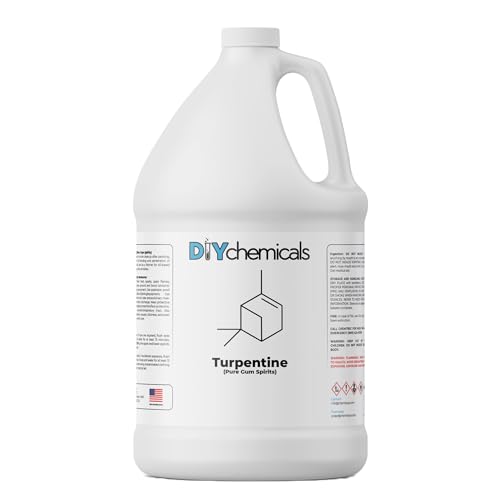
✅ [ High Purity Gum Turpentine ] – We have crafted this solvent solution of 100% Pure Spirits of Gum Turpentine. Our team has sustainably extracted this natural element directly from the sap of pine, making it perfect for artists' painting or varnish applications. It is a must have for painting, cleaning, adhesion and removing stains!
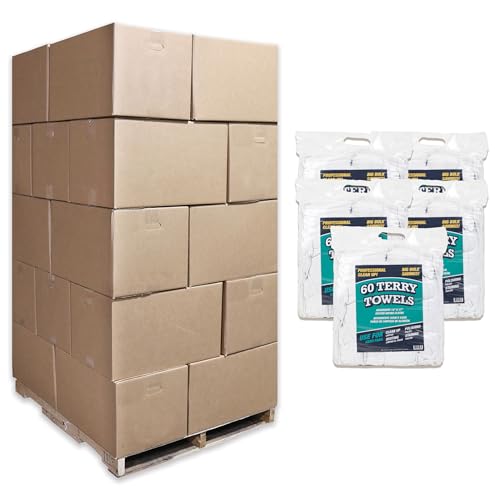
PREMIUM QUALITY TERRY TOWEL CLEAN UP CLOTHS: Our terry cleaning cloth towels are made of 100% cotton and are very absorbent. 60 utility towel measuring 14" x 17" in a poly bag with carrying handle for convenience
Artist Experiences With the Fat Over Lean Principle
Have you ever wondered why some oil paints seem to age gracefully while others crack and peel? One key reason is the fat-over-lean principle. Starting with lean layers gives your painting a solid base. It helps set the stage for those luscious, fat layers you’ll eventually apply. Maintaining the right oil content as you layer up is crucial to prevent cracking later on.
Here’s a little tip: some artists mix in linseed oil to boost the fat content without losing that beautiful transparency. This means you can create rich, vibrant effects without worrying about the integrity of your paint over time. Frankly, it’s interesting how flexible these layers can be—enhancing not just the look of your piece but its longevity too. Using refined linseed oil can also improve flow and help achieve a durable paint film.
Frequently Asked Questions
What Is the Fat Over Lean Rule in Oil Painting?
The fat over lean rule in oil painting means we should layer paints with higher fat content over those with lower fat. It helps manage drying times, texture variations, and guarantees our art’s durability.
What Is the Golden Rule of Oil Painting?
In oil painting, the golden rule’s like a sturdy bridge: we must master paint layering. By understanding medium types, drying times, and brush selection, we create stunning textures and color mixes that withstand time’s passage.
What Are the Three Rules of Oil Painting?
The three rules of oil painting include proper medium selection for layering techniques, ensuring thorough drying times between applications, and understanding how brush types can influence our studio setup and color mixing for best results.
Does Fat Over Lean Matter for Alla Prima?
Yes, fat over lean definitely matters in alla prima techniques. By managing paint consistency and layering methods, we guarantee ideal color blending, paint textures, and visual effects, preventing issues related to fast drying and drying times.


