As an Amazon Associate, we earn from qualifying purchases. Some links on this site are affiliate links at no extra cost to you. Our recommendations are based on thorough research and editorial judgment.


How to Properly Clean Oil Paint From Sable Brushes Without Damage

To properly clean oil paint from sable brushes without damage, we should act quickly. First, dip the brush in turpentine to remove excess paint. Next, gently wipe it with a paper towel. Then, rinse it in warm water and mild soap until clean. Always reshape the bristles and let them air dry. Avoid harsh solvents to prevent bristle damage. With these steps, your brushes will last longer! We’ll explore more tips on brush care shortly.
Key Takeaways
- Immediately rinse sable brushes with white spirit to remove excess oil paint without damaging bristles.
- Dip brushes in gentle solvents like turpentine, gently wiping with paper towels to avoid bristle deformation.
- Thoroughly rinse brushes in warm water, then use mild soap or brush cleaner for a deeper clean.
- Reshape bristles after washing and air dry completely to maintain brush integrity and performance.
- Regularly condition brushes with hair conditioner post-cleaning for enhanced maintenance and longevity.
The Importance of Proper Cleaning for Sable Brushes
You may be interested



When you’re using sable brushes, have you ever considered how important cleaning really is? These brushes are delicate, and if they’re not cared for properly, you risk splitting the bristles or dulling their tips. A good habit is to clean them right after you finish using oil paint. It’s as simple as rinsing with white spirit to remove the paint, but that’s just the first step.
Here’s the trick: always follow up with warm water and a mild soap. This helps make sure there’s no leftover residue. A gentle cleaning routine will save you from damaging those lovely bristles. Conditioning your brushes with a regular hair conditioner after cleaning can also stretch their lifespan and keep them performing well.
You may be tempted to reach for harsher solvents, but trust me, avoid acetone at all costs. It breaks down the fibers of your brush way too fast. So, why does this matter? Because investing a bit of time into proper care can make your sable brushes last much longer.
Remember, storing brushes in protective holders after cleaning prevents deformation and helps maintain their shape for future use.
To recap, remember to clean your brushes immediately after use, rinse them well, and give them a little love with conditioner. It’s the small things that can make a big difference. What’s your own brush care routine?
Essential Materials for Cleaning Brushes
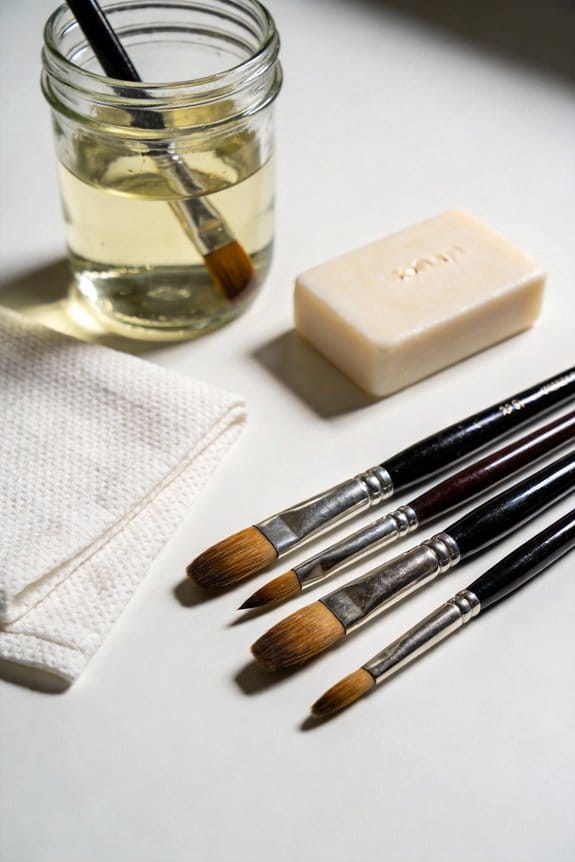
Cleaning sable brushes isn’t just about keeping your tools tidy; it’s essential for making your artwork last. Ever wonder how to keep those pricey brushes in top shape? You’ll need a few key materials to make the cleaning process smooth and effective.
Start with clean water and paper towels. That’s the basics, but let’s step it up a notch with a gentle solvent, like Barrettine Genuine Turpentine. This stuff does wonders for cutting through oil paint without ruining your brushes. And don’t forget to grab some natural brush soap, like Da Vinci Brush Soap. It’s specifically made for our delicate brushes, keeping them in great shape for all your beautiful work.
When it’s cleaning time, wear gloves. Trust me, your skin will thank you later. The routine is straightforward: Dip the brush in the solvent to loosen the paint, then gently wipe it with the paper towels. After that, rinse thoroughly with warm water.
Thinking about alternatives? Linseed oil or The Masters Brush Cleaner are great options, too. They clean effectively without harsh chemicals, which is a big plus when you’re concerned about preserving the quality of your brushes.
For artists working with acrylics alongside oils, understanding the fast-drying properties of acrylic paint can help in planning your brush cleaning routine effectively.
Recommended Products

Alliance Chemical Xylene is a high purity technical grade solvent, often referred to as 1971 solvent or xylol for industrial chemical processes.

Adjustable Pressure: Our 1300W airless paint sprayer flow rate is 0.6GPM (2.3L/min) and the pressure can reach up to 3300psi. You can adjust the pressure through the control valve knob to meet your different spraying needs. Fully adjustable pressure control will give you a good spraying experience. At the same time, compared with traditional airless paint sprayers, our airless paint sprayer can reduce overspray by up to 55%, making cleanup easier and saving you some paint.

All 80 original PanPastel colors
Step-By-Step Guide to Cleaning Sable Brushes

Cleaning your sable brushes can feel like one of those tedious tasks, but trust me, it’s worth it to keep them in top shape. So, what’s the best way to tackle this? Let’s break it down step-by-step.
Start with the basics: dip your brushes in turpentine to get rid of any excess oil paint. Make sure you wipe them gently with some paper towels. You don’t want to be too rough, or you might damage those precious bristles. After that, rinse the brushes thoroughly in warm water. Keep rinsing until most of the paint is out. Honestly, this step is super important if you want to preserve the life of your brushes.
Then, it’s time to bring in the soap. A mild soap or a specific brush cleaner—like Da Vinci Brush Soap—works wonders. The key here is to clean them without damaging the delicate hair. You’re focused on getting them nice and clean without sacrificing quality.
Once you’re done washing, reshape the bristles by gently drawing them across a paper towel. It might not seem like a big deal, but reshaping really helps keep your brushes performing well. Finally, just let them air dry completely.
The best part? If you clean your sable brushes right after you use them, you’ll avoid that pesky dried paint that can ruin them. So why not make it a habit? After all, taking care of your tools means better results in your artwork. What tips do you have for keeping your art supplies in top shape?
Additionally, using brush care products with non-toxic formulations can ensure your brushes stay safe and maintain their quality over time.
Recommended Products

Stunning Home Theater Experience – Enjoy vivid colors, sharper contrast, and lifelike clarity with the CineWhite UHD-B 1.3 gain projection surface, ISF Certified for accurate color reproduction and true cinematic visuals.

[CERTIFICATION AND DIMENSION SIZE] : 100-inch Diagonal, 16:9 Aspect Ratio. View Size: 49.0" H x 87.2" W. Overall Size: 53.7" H x 91.9" W x 1.6" D. ISF Certified for accurate color reproduction. Enjoy close-to-reality colorful presentations on Elite Screens.

The cost of series 36 no.12 kolinsky red sable round alone makes the set an excellent value large sizes of other brushes make this a watercolorist's dream set
Troubleshooting Common Brush Cleaning Issues
Ever notice that sometimes, despite your best efforts, your sable brushes just won’t come clean? It’s a frustrating problem, but there are a few tricks to tackle those stubborn paint residues. If paint is still clinging on after your initial wash, don’t hesitate to dip the brush back into a solvent like turpentine. This can really help lift that stubborn residue off.
For those brushes that seem to be on the struggle bus with dried paint, soaking them in warm vinegar can often do the trick. It might sound a bit odd, but it works wonders to loosen that stubborn stuff. Just remember to handle your sable brushes with care. Don’t scrub them vigorously; being too rough can really damage those delicate bristles. Instead, give them a gentle rinse and reshape them while they’re still damp.
It’s also smart to regularly check your brushes for any signs of damage. That way, you can deal with any paint buildup before it becomes a bigger issue. And if the bristles start looking a bit out of whack, consider storing them bristle-up or laying them flat. This can help keep their original shape intact. Using specialized tools, such as art projectors, can also aid in preserving brush quality by ensuring more precise and less wasteful application of paint.
Recommended Products

𝗛𝗜𝗚𝗛 𝗣𝗨𝗥𝗜𝗧𝗬 𝗡𝗔𝗧𝗨𝗥𝗔𝗟 𝗦𝗢𝗟𝗩𝗘𝗡𝗧: Chemfulfill Turpentine is distilled to high purity, making it ideal for dissolving resins, waxes, and oils. It’s a go-to solution for industrial and DIY projects, ensuring efficient results with every use.
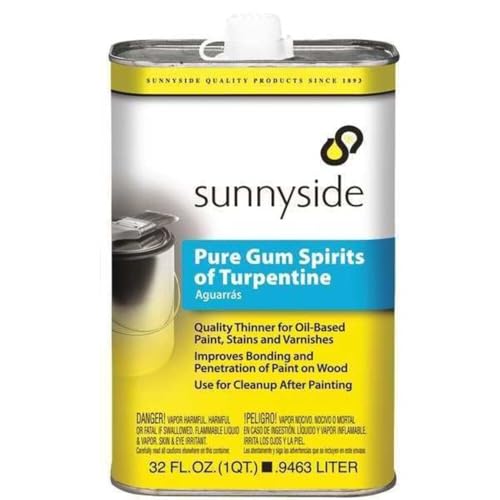
Made in United States

100% PURE AND NATURAL: Mountain Pine Pure Gum Spirits of Turpentine is extracted from pure pine gum of slash pine trees that are native to Southern Georgia
Effective Natural Cleaning Solutions for Sable Brushes
How often do you find yourself struggling to clean your sable brushes after a painting session? It can be a hassle, but using some natural cleaning solutions can really help keep those brushes in good shape. One option I’ve discovered is linseed oil. It gently cuts through oil paint without damaging the bristles, making it a reliable choice.
Another handy cleaning solution is vinegar. If you soak your brushes in heated vinegar for up to two hours, you’ll find that it breaks down stubborn paint residues quite effectively. So, why does this matter? Well, that softened paint is much easier to remove, ensuring your sable brushes stay clean and ready for your next artistic endeavor.
Also, consider trying The Masters Brush Cleaner and Preserver. It’s great if you’ve neglected your brushes for a bit, as it really helps restore them. Remember, just rinsing with water won’t do the trick against oil paint. You’ll want to stick with these natural solutions for the best results.
Keeping your brushes clean is crucial for maintaining their quality. So next time you finish a painting, think about giving these methods a try. What’s your go-to technique for brush cleaning? Using an odorless mineral spirits solvent is another effective way to clean brushes without harsh fumes or damage.
Recommended Products
![Chelsea Classical Studio Citrus Essence Brush Cleaner for Making Paintbrush Hair Subtle Maintaining Maximum Working Quality - [32 oz. Bottle]](https://m.media-amazon.com/images/I/51tGc4YQCrL._SL500_.jpg)
Info: Cleans better and more thorougly than almost All other brush cleaners and solvents. Conditions brushes making the hair subtle mainting maximum working Quality. A safer, Natural Alternative to turpentine, petroleum, mineral spirits and other toxic solvents.

24-Piece Pro Brush Set : 24-piece make up brush set includes Foundation brushes, eyeshadow brushes, lip liner brushes, eyeliner brushes, eyebrow brush, powder brush, concealer brush, Kabuki brush, fan brush, angled makeup brush, Blending brush and more.

THE QUICK AND EASY SOLUTION: Looking for a quick and easy way to clean and sanitize your makeup brushes and tools while also moisturizing them so they can last longer? Look no further than our incredible Felix Professional makeup brush cleansing solution, which will deep clean your brushes, is rinse-free, and dries super quick!
Common Mistakes to Avoid When Cleaning Brushes
Cleaning sable brushes can feel like a chore, but it’s worth it to keep them in great shape. One big mistake? Prolonged soaking in water. Leave them in too long, and you risk splitting or spreading those delicate bristles. Instead, gently rinse your brushes with warm water right after you’re done.
Another thing to remember is to steer clear of vigorous scrubbing. It might feel like you’re getting the job done, but over time, it can deform the bristles. No one wants that! Also, using harsh solvents like lacquer thinner or acetone can be a big no-no. They can really mess with the hair and ruin your brushes. After cleaning, make sure to rinse thoroughly to ditch any leftover residue.
Here’s the trick: always reshape your sable brushes after washing and let them dry properly. Improper drying can lead to damage for both the bristles and the handles.
Maintaining brush shape and quality through proper cleaning and drying preserves the longevity of your sable brushes.
Keeping these tips in mind will help you maintain your brushes for longer. So, how do you usually care for your brushes?
How to Store Brushes for Optimal Shape
Are your brushes looking a little worse for wear? Storing them properly can make all the difference in maintaining their shape and longevity.
To keep your sable brushes in top shape, try storing them vertically with the bristle tips down or lying flat. This way, you’re preventing any deformation that can happen when brushes are stored with the bristles facing up. Why’s that important? Well, when they’re upright with the hair ends up, it can cause the ferrule—the metal part holding the bristles—to swell, resulting in damage to those precious bristles.
You also want to make sure you’re keeping your brushes in a well-ventilated area. This helps prevent mold growth and ensures they stay dry. Looking for a good storage option? A pen holder or brush roll works great. These keep your brushes secure, so they don’t get jostled around or bent when you’re on the move.
But it doesn’t stop there. Regularly check your storage conditions. Avoid direct sunlight and high humidity because these elements can be rough on your brushes.
Additionally, storing brushes in protective cases or rolls can help maintain their shape and make them easier to organize and access.
To recap, take care of your brushes, and they’ll take care of you. What tips do you have for keeping your painting tools in prime condition?
Conditioning Your Brushes for Longevity
How often do you look at your favorite sable brushes and think about how to keep them in great condition? Regular conditioning might not sound exciting, but it’s crucial to maintaining their longevity. After you’ve cleaned your brushes, don’t skip this step: grab a bit of hair conditioner and work it into the damp bristles. Make sure every strand is coated, then rinse thoroughly to eliminate any leftover product.
Here’s a tip: harsh chemicals are a definite no-go. They can damage those delicate natural fibers of your sable brushes, which is the last thing you want. Instead, consider using a dedicated brush conditioner, like The Masters Brush Cleaner, to breathe new life into brushes that haven’t seen much love lately.
Now, storing your brushes properly also plays a part in keeping them healthy. Always store them flat or with the bristle tips down. This simple habit can help maintain their shape and extend their lifespan, so you get to enjoy your brushes for years to come. Additionally, understanding the surface compatibility of your materials ensures you choose the right cleaning methods without harming the brush fibers.
When Should You Replace Your Brushes?
How do you know when it’s time to replace your sable brushes? It’s important to keep an eye on a few key things.
First, check those bristles. If they’re starting to fray or split, it’s definitely time to get a new one. Frayed bristles can make it hard to get the fine details right, and nobody wants that when you’re trying to create something beautiful.
Next, think about the shape of your brush. You want it to hold its form after you clean it. If it’s looking a bit wonky and doesn’t bounce back, that’s another sign you might need a replacement.
And don’t forget about paint buildup. If you’ve cleaned your brush and that gunk just won’t budge, it’s really frustrating. That’s your cue to start considering a new brush, especially if you’re serious about your art.
Also keep an eye on the ferrule—the metal part that holds the bristles to the handle. If it feels loose or even worse, if it’s come off completely, your brush is pretty much done for.
Taking regular care of your brushes and checking for these signs will keep them in good shape and your painting experience enjoyable. So, when’s the last time you took a good look at your brushes? Give them a check-up soon! Using latex-free materials for your art tools, including brushes and erasers, promotes both safety and environmental responsibility.
Recommended Products
THIS IS BRAND NEW: DNJ® Timing Chain Kit

Reference Numbers: 6010414; 621-536; FR3Z8C607B; 623310; 623320; CF15099; RF311

Vehicle Compatibility: Torchbeam Starter Compatible with [Ford]1990-1991 Taurus 3.8L Wagon, 1992-1995 Taurus OHV, 1996 Taurus 182cid, 1995 Windstar, 1992-1994 Tempo 3.0L, [Mercury]1990-1991 Sable 3.8L Wagon, 1992-1995 Sable, 1996-1997 Sable 182cid, 1992-1994 Topaz 3.0L, [Lincoln]1989-1994 Continental, (Permanent Magnet Gear Reduction Starter)
Frequently Asked Questions
How to Clean Oil Paint Brushes Without Damaging Them?
To clean our oil paint brushes without damage, we must prioritize brush care, use effective paint removal techniques, dip in solvent, gently wash with soap, and reshape bristles for longevity. Let’s keep our brushes performing beautifully!
How to Clean Sable Brushes?
To clean sable brushes, we should use gentle cleaning techniques with solvents, rinse carefully, and avoid soaking. Consistent brush maintenance, including conditioning, will keep our brushes in top shape for longer, ensuring peak performance.
Can You Use Dawn Dish Soap to Clean Oil Paint Brushes?
Yes, we can use Dawn dish soap for oil paint brushes, but it pairs best with solvents. With gentle cleaning techniques, we’ll dance away stubborn paint, ensuring our bristles remain soft for future creations.
Can Rubbing Alcohol Clean Oil Paint Brushes?
Rubbing alcohol isn’t efficient for cleaning oil paint brushes, and it can damage our sable brush care. Instead, we should consider safer brush cleaning alternatives like turpentine or odorless mineral spirits for effective results.


