As an Amazon Associate, we earn from qualifying purchases. Some links on this site are affiliate links at no extra cost to you. Our recommendations are based on thorough research and editorial judgment.


Masking Fluid Basics: Preserving Whites in Watercolor

Masking fluid is a latex-based tool that helps us preserve white spaces on our watercolor paper while we paint. We apply it before adding washes, creating a protective layer that keeps areas bright and untouched. To use it effectively, make sure your paper is dry and work in thin layers. Use old brushes to avoid damage. If applied and removed properly, it can elevate our artwork with preserved highlights. Let’s explore some fun ways to use masking fluid next!
Key Takeaways
- Masking fluid acts as a barrier, preserving white areas on watercolor paper during painting.
- Apply masking fluid on dry paper for best results and allow it to dry until milky.
- Use older brushes or silicone applicators to apply masking fluid to protect finer brushes.
- Remove masking fluid gently within a day to avoid hard edges and residue.
- Experiment with layering and different application tools to create unique textures in your artwork.
What Is Masking Fluid and How Does It Work in Watercolors?
You may be interested

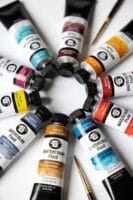

Have you ever struggled to keep those bright white spots in your watercolor paintings? It can be really challenging, but that’s where masking fluid comes into play. This latex-based liquid acts like a superhero for watercolor artists, creating a protective barrier on your paper. By using it, you can preserve those white areas while you paint.
To get going, apply the masking fluid with a brush on completely dry paper. It’ll dry to a rubbery finish, making it easier to achieve sharp lines and detailed designs. It’s usually best to use the fluid early on in your process, especially if you want to maintain those vibrant highlights. If you’re wondering how it works with watercolor washes, you’ve got options—apply it either before or after.
Once you finish your artwork, just peel away the masking fluid to reveal the untouched white areas. This is a simple step that can really add depth to your compositions. Quality masking fluid can make a big difference, preserving beautiful contrasts between colors that make your art pop. Some masking fluids, like Schmincke Liquid Frisket, are ammonia-free and designed for precision applications, making them great for detailed work.
Essential Tips for Applying Masking Fluid Successfully

Applying masking fluid can sometimes feel tricky, but a few simple tips can really boost your results. One thing to remember is to make sure your watercolor paper is completely dry before starting. This helps avoid tearing when you take the masking fluid off later.
Stir the masking fluid gently to mix it. You want to avoid bubbles—they can mess up your application. It’s also a good idea to use an old brush to apply the fluid. It saves your more delicate brushes from damage and makes cleanup easier.
Try to apply the fluid in thin, even layers. This keeps your edges clean and sharp. Once you’ve got the masking fluid on the areas you want to protect, let it dry thoroughly until it looks milky. It’s really important to be patient here.
Now, you’re ready for your watercolor painting! Once everything’s dry, go ahead and remove the masking fluid to reveal those lovely highlights you worked hard on. Honestly, it’s a satisfying moment when everything comes together.
Remember these tips, and you’ll be well on your way to mastering masking fluid. So, what will you create next? Using high-quality pigments in your watercolor paint can enhance the vibrancy and clarity of your finished artwork.
Recommended Products

Ebony Splendor: The Ebony Splendor Short-Handled Brush mimics the feel and performance of fine red sable brushes, providing a luxury experience for watercolor artists; Each brush is meticulously handmade and inspected to ensure superb edges and split-proof tips
Artists Love Canson XL! Trusted for decades by students, hobbyists, and art teachers thanks to dependable composition, high sheet counts and affordable prices

By professionals – the professional watercolour paint set has been compiled by the Artefacto Art School in close collaboration with professional artists
Tools to Use for Applying and Removing Masking Fluid

Applying masking fluid can sometimes feel tricky, right? The right tools can really make a difference in how smoothly things go. For applying masking fluid, consider using older synthetic brushes or silicone applicators. This way, you’ll save your best brushes from wear and tear. If you need to create fine lines, a ruling pen does an amazing job, and for those tiny details, a toothpick is surprisingly effective.
When it’s time to remove that masking fluid, you’ll want to reach for rubber cement pick-up erasers or plastic erasers. They work wonders and minimize the chances of damaging your watercolor paper. Just remember to clean your tools with warm soapy water right after you’re done. It keeps them in good shape and prevents any clogging.
Here’s the trick: Always check the consistency of your masking fluid before you start. If it’s too thick or too runny, it can mess up your entire project, especially in warmer weather. You really want that masked area to stay intact! Additionally, choosing cold-pressed paper can help preserve the masked whites due to its excellent water retention properties.
Recommended Products
![[ comfort zone ] Sublime Skin Lift Mask, Instant Effect Rinse Off Treatment, Firms, Plumps, Radiance, Clean Beauty, Macro Hyaluronic Acid, Application Brush Included, Weekly Use, 2.03 Fl Oz](https://m.media-amazon.com/images/I/31DVkXnREqL._SL500_.jpg)
SMOOTHS & BRIGHTENS - Rinse-off lifting mask for immediate radiance and plumpness. Made with macro hyaluronic acid it effectively smooths the skin. Perfect as a last-minute skin treatment for any special occasion.
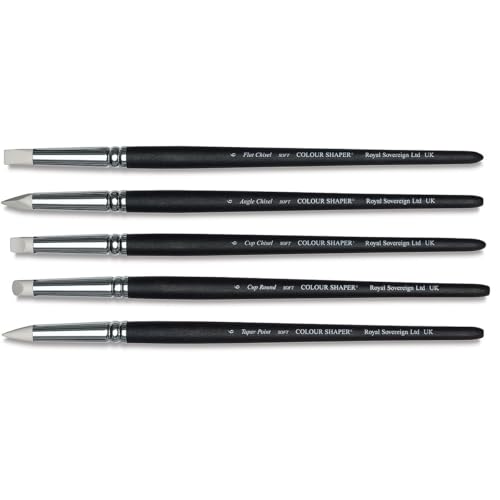
Unique silicone tipped tool

Unique silicone tipped tool
Troubleshooting Common Issues With Masking Fluid
Have you ever faced the challenge of dealing with masking fluid that’s just not cooperating? You’re not alone! A common issue is figuring out whether it’s completely dry. If it still looks milky, don’t rush to remove it—give it more time. Trust me, using heat to speed up drying can cause the latex to cling too tightly to your watercolor paper.
If you leave that masking fluid on for too long, it can become a headache to lift off. Ideally, you’d want to take it off within a day. This helps keep your white areas clean and free of those hard edges we all dread.
After you’ve removed the masking fluid, it’s worth checking for any residue. A rubber cement pick-up tool or a masking fluid eraser can be your best friends here. They gently lift any stubborn bits without damaging your artwork. This way, you can achieve those lovely clean edges that really make your painting pop!
Using cold-pressed paper can help minimize damage when peeling off masking fluid, preserving your paper’s texture and durability.
Recommended Products


This square eraser removes most adhesive residue

32Pcs Rubber Cement Eraser: The set contains 32 raw glue blocks, sufficient quantity to meet your different cleaning and replacement needs
Fun Ways to Use Masking Fluid in Your Artwork
Have you ever struggled with keeping those bright white spots in your watercolor artwork? If so, you’re not alone! Masking fluid can be your secret friend, not just for fixing mistakes, but also for adding some flair to your pieces.
When you apply masking fluid, it preserves the white areas on your watercolor paper, which results in stunning contrasts. Think about it—keeping those highlights on delicate flower petals or shimmering snowflakes can really elevate your work. It’s all about creating depth and interest.
Want to know how to make it work for you? Here are a few tips:
- Use it to outline areas you want to keep white.
- Try layering it for different textures or effects.
- Experiment with different brushes to create varied designs.
So, why does this matter? Because it can truly transform how your colors pop on the page. The best part is you can keep your creativity flowing while enjoying the process, knowing you won’t lose those precious highlights.
Wrap your head around this simple tool, and you’ll find ways to enhance your artwork that you never thought possible. Isn’t it exciting to think about how much richer your art could become with just a little masking fluid? Give it a try and see what magic you can create! Using high-quality sets with vibrant pigments ensures these preserved areas stand out beautifully in your finished piece.
Frequently Asked Questions
Can Masking Fluid Be Used With Other Painting Mediums?
We can use masking fluid across various painting mediums. It shines in watercolor applications, enhances acrylic uses, and even helps with oil paintings and pastels, ensuring ink preservation and spray paint conservation methods remain effective.
How Do I Clean My Brushes After Using Masking Fluid?
To clean our brushes after using masking fluid, we recommend effective removal techniques. For different brush types, use soap and water promptly. Prevention tips include using synthetic brushes and experimenting with alternative solutions for easier maintenance.
Is Masking Fluid Safe for Archival Artwork?
We’re often asked about masking fluid’s archival safety. While many artist preferences vary, it’s vital to take into account paper compatibility, pigment interaction, and formulation differences; some can impact longevity, despite historical uses being generally reliable.
Can I Mix Masking Fluid With Paint?
We can’t mix masking fluid with paint effectively, as it disrupts masking fluid consistency. Instead, we should explore masking fluid techniques and alternatives, keeping in mind masking fluid benefits and longevity for better results in our artwork.
How Long Can Masking Fluid Be Left on Paper?
We shouldn’t leave masking fluid on paper for more than a few days, as prolonged duration can damage the surface. For best results, consider reapplication tips and follow watercolor techniques for various paper types.


