As an Amazon Associate, we earn from qualifying purchases. Some links on this site are affiliate links at no extra cost to you. Our recommendations are based on thorough research and editorial judgment.


Understanding the Tooth of a Paper for Pastel and Charcoal

Understanding paper tooth is essential for using pastels and charcoal effectively. Tooth refers to a paper’s texture and can influence how well these mediums adhere. For example, cold press paper has a rough surface that grips charcoal nicely, allowing for layers and depth. In contrast, hot press paper is too smooth, often leading to smudging problems. By choosing the right paper type, like charcoal paper, we can enhance blending and layering techniques. Learn more about selecting the best options ahead.
Key Takeaways
- The tooth of the paper affects how charcoal and pastels adhere, impacting layering and vibrant application.
- Cold press and charcoal papers have more tooth, ideal for rich pigment retention and detailed work in charcoal drawings.
- Hot press paper’s smoothness can cause smudging, making it less effective for serious charcoal art.
- Heavier paper (300 gsm) prevents buckling and supports durability while using pastels and charcoal.
- Testing different paper textures helps identify the best surface to enhance depth, detail, and overall artwork quality.
Understanding Paper Tooth: Why It Matters for Charcoal and Pastels
You may be interested


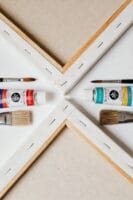
When it comes to creating art, have you ever thought about how the texture of your paper affects your drawings? We’re all familiar with that moment when you pick up your medium and just know it isn’t going to work the way you planned. That’s where paper tooth comes into play. It refers to the surface texture of the paper, and it’s a big deal for how well your drawing mediums, like charcoal and pastels, stick.
Charcoal paper has a nice balance when it comes to texture. It’s not overly rough, which gives you the freedom to try different techniques without feeling like you’re fighting against the paper. On the other hand, if you go for a rougher type, like cold press watercolor paper, you’ll find it has more tooth. This can be fantastic for holding onto pigment and allowing for multiple layers. So, why’s that important? It’s simple: more tooth means your marks will stand out and stay put, giving your artwork depth.
Now, let’s not forget about smoother papers, like hot press. They might seem tempting for a sleek finish, but truth is, they can make it too easy for your work to smudge. You probably want to avoid frustrating moments when you’re trying to build up shading or add details. So, if you want your artistic effects to really shine, choosing the right paper with the right tooth is essential. It can make a world of difference in the overall quality of your marks.
To ensure your artwork lasts, consider using acid-free paper, which helps prevent deterioration and preserves vibrancy over time.
Think about your next art project and how different papers might change the way you express yourself. What kind of look and feel are you aiming for? Picking out the right texture could just be your secret weapon to creating something truly exceptional.
What Is Cold Press Paper and Why Is It Preferred for Charcoal?

Cold press paper is a solid pick for artists who work with charcoal, and there’s a good reason for that. It has a rough texture, often called tooth, which helps retain pigment better. This texture means that when you layer your charcoal, it sticks really well to the surface. If you’ve ever tried to create a rich, dark background, you know that papers like Arches Cold Press Watercolor Paper, which weighs in at 140lbs, can really make a difference.
Think about it: smooth papers can lead to unwanted blending and smudging, which is a hassle. Cold press paper keeps your drawings looking sharp and defined, allowing you to bring out the depth and detail in your work. The grainy finish supports those dramatic effects—you can really go bold with your charcoal pieces. Honestly, it’s like having a reliable partner in your artistic endeavors.
If you’re looking to elevate your charcoal drawings, give cold press paper a try. The texture provides a perfect canvas for your creativity. Many artists also find that using dual-tip tools complements the textured surface by allowing versatility in line work and shading. So, what do you think? Are you ready to experiment with some new paper?
Recommended Products

Premium Quality: The New York Central Watercolor Block is made on a slowly rotating cylinder mould, ensuring the best watercolor paper quality; It is ideal for both wet and dry media

Prized Paper - The long fibers in Arches natural white 100% cotton watercolor paper provide timeless beauty and an inimitable touch; this rich water color paper for artists is available in 2 sizes and 3 revered textures: cold press, hot press and rough

Economical watercolor paper is great for beginners.
Is Hot Press Paper Good for Charcoal Drawing?

Have you ever tried using hot press paper for charcoal drawing and found it just didn’t deliver what you wanted? While this paper has a super smooth texture that can be tempting, it doesn’t have the “tooth” that many charcoal artists swear by. Without enough tooth, charcoal can easily smudge, which really gets in the way of creating those precise shading techniques that make your artwork pop.
So why does this matter? With hot press paper, you might struggle to get that deep layering and pigment retention that helps build dimension in your drawings. It can be frustrating to watch your carefully crafted lines fade into a blur. Plus, a lot of folks end up needing to use spray sealants just to keep everything in place and prevent smudging. Who wants to deal with that hassle?
If you’re serious about charcoal drawing, consider trying papers that offer a bit more texture, like cold press or specialized charcoal papers. These options give you that grip for your charcoal, making it much easier to create those stunning, layered looks that you’re aiming for.
In fact, using textured surfaces can create depth and dramatic effects by better accommodating different shading and blending techniques.
In the end, choosing the right paper can make all the difference in your artwork. Have you thought about which kind of paper suits your style best?
Recommended Products

Mould made with 100% cotton

Versatile Thickness Options: Available in 140 and 300 pound thickness, this calligraphy paper caters to diverse artistic needs, offering durability and flexibility in your creative projects, from watercolor postcards to mixed media art

Unique texture accepts a variety of dry art mediums
What Makes Charcoal Paper Unique for Artists?
Choosing the right paper can really change how you work with charcoal. Have you ever tried charcoal paper? It’s got this unique tooth—basically the texture that determines how the medium interacts with the surface. You’ll love the medium texture of charcoal paper because it strikes a nice balance between grip and smoothness. This combination is perfect for layering and blending your work while also making sure the pigment sticks well.
For example, the Canson Foundation Charcoal Paper is versatile enough for all kinds of techniques. Whether you’re into detailed work or broad strokes, this paper has your back. With its less textured surface compared to cold press paper, you can create depth and richness in your pieces like never before. So, how your charcoal adheres, blends, and ultimately brings your artistic vision to life really depends on your choice of paper.
Want to elevate your charcoal game? Start exploring different types of charcoal paper and see how each one affects your artwork. You might be surprised at the difference it makes in your technique and results. Honestly, the right paper can bring so much more life to your drawings.
In addition, choosing vine charcoal sticks with varying softness levels can complement how charcoal interacts with different paper textures.
In the end, take the time to experiment—what works best for you? It’s all about finding that perfect match for your style and technique.
How Does Paper Tooth Affect Your Blending and Layering?
Have you ever struggled with blending or layering your pastels and charcoals? It can be frustrating when your artwork doesn’t come together the way you envision. One crucial factor to consider is the tooth, or texture, of the paper you’re using.
The right paper tooth makes a big difference. Rougher textures are like a best friend to your medium. They grip the pastels and charcoal better, allowing you to build up layers without everything slipping away. For example, I’ve found that cold press paper with a higher tooth really helps create depth in charcoal work.
On the flip side, smooth papers can be a bit of a pain. While they’re great for fine details, they can hinder your blending efforts. Colors don’t always stick as well, which might leave you frustrated when you’re trying to layer. So, if you’re focused on creating depth, stick to papers designed specifically for charcoal, like Canson Foundation Charcoal Paper. They strike a nice balance between texture and smoothness, making them super versatile.
Honestly, choosing the right paper tooth is key for achieving those art goals you have in mind. It not only enhances your technique but also improves the overall visuals of your projects. Keep in mind that selecting sketchbooks with the appropriate paper weight considerations can further improve your blending and layering experience. So next time you pick up some pastels or charcoals, take a moment to think about the paper you’re working on. What’s your go-to paper for blending and layering?
Choose the Right Paper for Charcoal Projects
Ever been frustrated because your charcoal drawings just don’t seem to pop? Choosing the right paper can really make a difference in how your artwork turns out. Many artists, including myself, often lean towards cold press paper for its texture, or “tooth,” which holds onto the charcoal better. This ideal surface allows for effortless layering and achieving those rich, deep shades.
On the other hand, hot press paper has that buttery smoothness, but it tends to create smudges, making it harder to maintain detailed work. It can really be a pain if you’re aiming for precision! So, here’s the trick: if you want something that fits right in the middle, give charcoal paper a try. It’s specifically designed for charcoal work and provides a medium texture that can handle both sketchy beginnings and bold strokes.
A popular option I’ve come across is Canson Foundation Charcoal Paper. It really supports the techniques you want to explore and enhances your creativity. So, when you’re picking out paper for your next project, think about the tooth. It can have a huge impact on your shading and mark-making. Many block printing kits, like the Lnncdsc Linocut Kit, emphasize the importance of suitable surfaces and tools, highlighting the value of choosing the right texture for your artwork.
In short, your choice of paper can change everything. What’s your go-to paper for charcoal projects?
Recommended Products

Make the most of your next project. This high-quality, lightweight tracing paper roll is excellent for detail or rough sketch work.

Versatile Canvases for Painting - These incredibly versatile canvases for painting are the perfect surface for exploring and trying out new media; They feature a clear acrylic priming that can be painted on or drawn on with all kinds of media

CUSTOM CANVAS ARTWORK DETAILS: Horse in Bridle Sketch I by Jennifer Paxton Parker. DESCRIPTION: This image is a charcoal drawing of a horse's head. The sketch captures detailed features of the horse, including its eyes, ears, and mane, with emphasis on shading and texture. The artwork has a vintage feel, with visible paper texture adding a classic, handmade aesthetic. ARTIST BIO: Jennifer focuses on realism, figurative work, and portraiture. Once working in mainly graphite and pastel, she has ex
Test Paper Tooth Before Starting Your Artwork
Ever tried creating art, only to feel frustrated by your materials? Testing different types of paper tooth before you dive into your work can really make a difference. By playing around with various paper textures, you’ll get a sense of how they interact with your medium, like charcoal or pastel.
Here’s the trick: grab samples of cold press, hot press, and charcoal paper. Each has its unique feel and quality, and understanding these differences can seriously influence your technique. For instance, rougher papers are great for layering, especially when you’re going for vibrant pastels. They help build up color nicely. On the flip side, smoother surfaces might limit your shading and blending, which can change the look of your final piece.
So, why does this matter? Well, before you commit to a big canvas, it’s smart to do a few small tests. Just take some charcoal or pastel and apply it to the different papers. You’d be surprised how much each texture can change your approach and the overall effect. Choosing a paper with the right texture variation can greatly enhance your artwork’s depth and detail.
Recommended Products

【A3 Dual-use Laminator】This 110V/60hz hot cold roll digital display laminator is for A3 (44cm/17.3in) width film. Paperboard thickness is 0.1-5mm. With 0.3-3m/min nine speed shifting; Single/double side lamination. Fault warning and automatic shutdown.
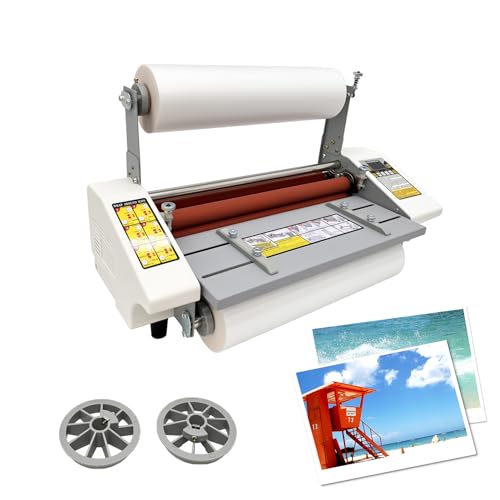
Main Parameters: Paperboard thickness: 0.1-5mm(With stepless clutch). Temperature:0-180℃ (Preheating is only 3 minutes). The upper film holder is foldable, supporting 1-inch core and 3-inch core with outer diameter < 8.27IN/21cm. Without switch, long press the "cold" key to shut down.

Prized Paper - The long fibers in Arches white 100% cotton oil paint paper provide timeless beauty and an inimitable touch; this rich paper is available in 9x12-inch and 12x16-inch bound painting pads, sheets and rolls
Common Mistakes to Avoid When Selecting Paper for Charcoal and Pastels
Selecting the right paper for charcoal and pastels can really make or break your artwork. Ever find yourself frustrated with smudges that ruin your hard work? A common mistake is choosing paper that’s too smooth for charcoal. It can lead to messier results than you might want. Instead, consider going for cold press or charcoal paper that has a good amount of tooth. That texture is what gives charcoal the grip it needs to really shine.
Weight matters more than you might think too. If you opt for lighter papers, they can buckle when you layer on pastels or charcoal heavily. It’s not just annoying—it can really throw off your piece. That’s why choosing heavier papers, like those 300 gsm options, is a smart move. They hold up better and give you the durability you need.
Take a moment to think about texture. Gritty surfaces are fantastic for pastels; they hold the pigment well. On the other hand, a medium texture is often best suited for charcoal. So, which should you choose? It depends on your medium!
Fixatives can be a bit tricky. Applying them on the wrong surfaces can change how your art looks, possibly fading colors or creating unwanted sheen. The best part is, choosing the right paper can help retain color without needing too much fixing.
Just remember: selecting the right paper is crucial for getting the best out of your charcoal and pastels. Additionally, opting for acid-free and archival quality paper ensures your artwork remains vibrant and durable over time. Are you ready to give your art the quality it deserves?
Recommended Products

Prized Paper - The long fibers in Arches natural white 100% cotton watercolor paper provide timeless beauty and an inimitable touch; this rich paper is available in 13 sizes and 3 revered textures: cold press, hot press and rough

Prized Paper - The long fibers in Arches natural white 100% cotton watercolor paper provide timeless beauty and an inimitable touch; this rich paper is available in 13 sizes and 3 revered textures: cold press, hot press and rough
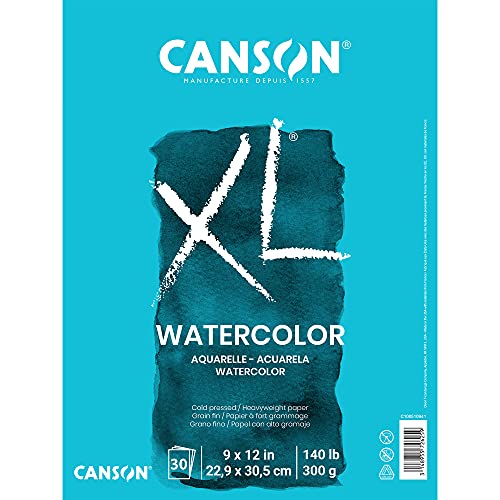
Recommended for use with watercolor, acrylic, pen & ink, marker, colored pencil, pencil, charcoal, and pastel.
Frequently Asked Questions
Why Would an Artist Using Charcoal Prefer Paper With a Tooth?
We’d prefer paper with a tooth because its texture impacts blending techniques and layering effects, enhancing our mark making options. This material compatibility fosters artwork durability, ensuring our charcoal creations stand the test of time.
What Is the Difference Between Pastel Paper and Charcoal Paper?
Pastel paper offers coarser texture suited for pastel techniques, ensuring media compatibility and vibrant surface finish. In contrast, charcoal paper’s medium texture enhances charcoal blending, highlighting the importance of paper grades in our artwork’s effectiveness.
What Does “Tooth” Mean in Paper?
We’ve found that “tooth” in paper refers to its surface quality, affecting texture and medium selection. Just like choosing the right brush, understanding tooth characteristics enhances our drawing techniques, influencing how art supplies adhere and layer.
Which Side of Pastel Paper to Use?
We should always use the textured side of pastel paper for ideal pastel techniques. The paper texture influences color application and blending methods, ensuring our art mediums perform beautifully and achieve the desired surface finish we aim for.


