As an Amazon Associate, we earn from qualifying purchases. Some links on this site are affiliate links at no extra cost to you. Our recommendations are based on thorough research and editorial judgment.

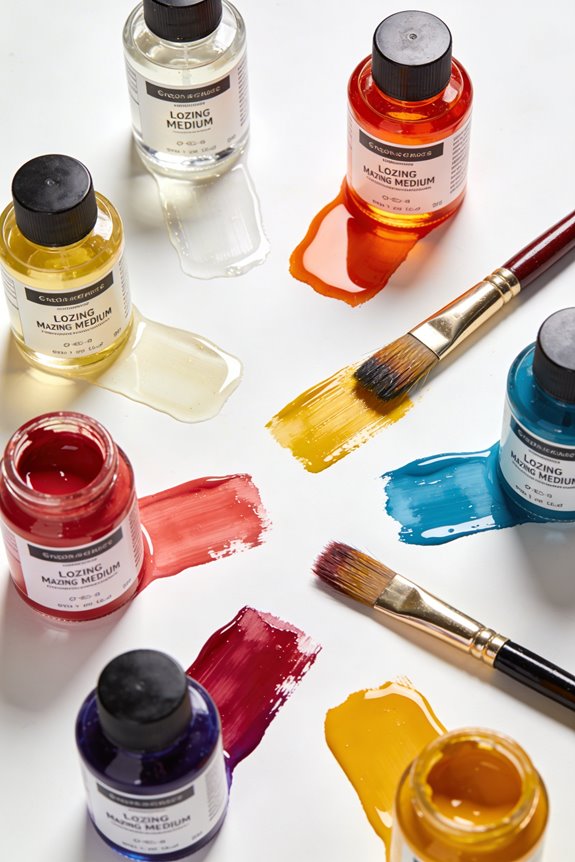
What Is Glazing Medium and How Does It Affect Transparency?

Glazing medium is a special mix we use in oil painting, typically made of oil and solvent. It helps create transparent layers that let light pass through, enhancing the depth and luminosity of our artwork. For effective glazes, we recommend a ratio of about 1/3 transparent medium to 2/3 oil. By applying thin layers, we achieve a beautiful interplay of colors underneath. With some practice, we’ll reveal stunning effects that add richness to our paintings and discover even more tips ahead.
Key Takeaways
- Glazing medium is a blend of oil and solvent that enhances the luminosity and depth of oil paintings.
- It allows for the application of thin, transparent layers that reveal and enhance underlying colors.
- Using transparent pigments with glazing medium increases the overall transparency and complexity of the artwork.
- Proper ratios of oil and solvent in the medium improve pigment adherence and visual impact, preventing cracks.
- A well-prepared surface is essential for successful glazing, ensuring better adhesion and longevity of the artwork.
What Is Glazing Medium and Its Role in Oil Painting?
You may be interested



Have you ever struggled with making your oil paintings pop? If so, glazing medium might just be what you need! It’s a fantastic way to add depth and luminosity to your work.
Glazing medium is crucial for oil painters who want to refine their technique. Typically, it’s a blend of oil and solvent that extends how long you can work with your paints while boosting transparency. A popular combo is linseed oil mixed with turpentine. This mixture keeps the pigmented particles evenly suspended, which really helps in achieving that clear glaze you’re aiming for.
When you lower the pigment amount and up the glazing medium, you get these lovely thin, transparent layers. They let the colors underneath shine through, and let’s be honest, it really enhances the overall look of your artwork. Smooth transitions and richer colors? Yes, please!
So, why does this matter? The right glazing medium is key for achieving that beautiful, luminous effect many artists strive for. Whether you’re working on a portrait or a landscape, this technique can make all the difference in your final piece.
In short, if you want to elevate your oil painting game, experimenting with glazing medium is a step worth taking. Have you tried it yet? Using an odorless paint thinner as a component in your glazing medium can improve both safety and comfort while working indoors.
Recommended Products

【100% Hand - painted Mastery】: Every pet painting, a form of art and art painting, is painstakingly hand painted by our skilled artists. This ensures a truly unique, one - of - a - kind piece that no print could replicate. Whether it's pet art or portrait painting, the texture, the flow of the brush, and the individual touch are evident in every detail, making it a genuine work of art

Hand-leafed picture frame - Our most popular frame style in gold is individually leafed, so slight variations or surface irregularities are a natural result of the process and add to the unique character of the piece, not defects

CUSTOM ARTWORK DETAILS: Embellished Nude Contour Sketch II by Ethan Harper. ART DESCRIPTION: This simple contour line drawing of a female nude has a museum quality to it. In the print, the figure is seated, and while it is incomplete, you get the suggestion of her grace and beauty. ARTIST BIO: Ethan has a Bachelor of Fine Arts from Virginia Commonwealth University and is trained in classical oil painting. This and his illustration background allow him to employ different techniques while encompa
How Does Glazing Medium Enhance Transparency and Depth?

Have you ever looked at a painting and felt like it was missing something? That certain glow or depth that draws you in? Well, enhancing transparency and depth in your artwork can totally change that. A good glazing medium can be your best friend here, as it allows more light to pass through your paint layers. This connection creates a brighter and more luminous effect, making your colors pop in a way that’s mesmerizing.
When you mix transparent pigments with your glazing medium, you start to see the beautiful colors underneath. This technique adds richness and complexity to your work. You don’t need to go overboard—applying thin layers lets you build up that stunning depth without overpowering your base colors. Plus, this approach helps keep your painting stable, so it stays clear over time.
So, why does this matter? Controlling the ratios of your medium can really help with how well the pigments stick, which enhances the overall visual impact of light on your painting. The best part is, when you glaze effectively, you’re on your way to creating oil paintings that really stand out.
In recap, using a glazing medium can bring transparency and depth to your creations, making them shine. Have you tried glazing in your work yet? If not, maybe it’s time to give it a shot! Many artists choose specific mediums like “Golden Acryl Med Glaze Liquid Satin” to enhance blendability and achieve the perfect layered effect.
Recommended Products

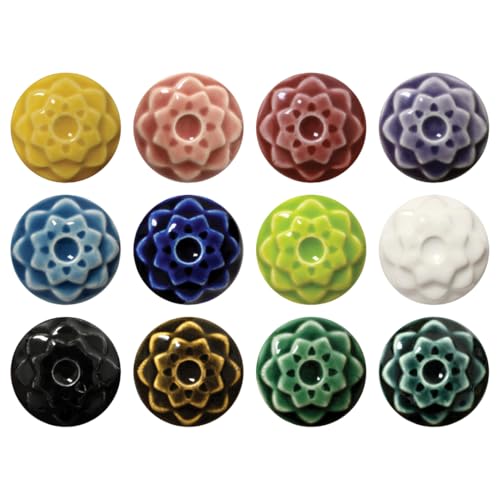
12-pint class pack includes one 16 oz. (473 mL) jar each of C-60 Marigold, C-50 Cherry Blossom, C-53 Weeping Plum, C-56 Lavender, C-21 Sky, C-20 Cobalt, C-41 Pear, C-10 Snow, C-01 Obsidian, C-36 Iron, C-47 Jade, and C-49 Rainforest.

Like all Cadmium Yellows, this is a bright clean color with good opacity
Essential Ingredients for Effective Glazing Medium
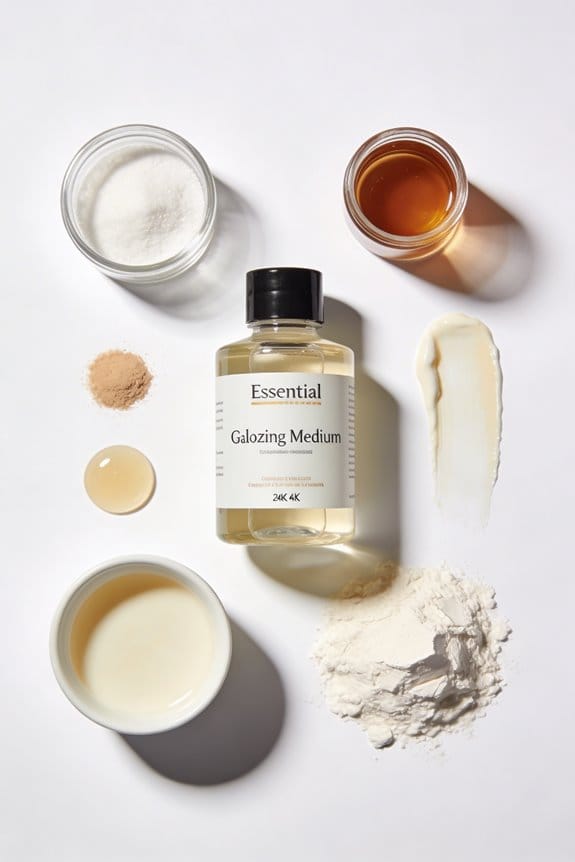
Have you ever struggled to find the right glaze for your artwork? It can be tricky, but choosing the right ingredients doesn’t have to be overwhelming.
To make a solid glazing medium, you’ll want to use a mix of 1/3 transparent medium—like dammar—and 2/3 oil, such as linseed. This combo not only boosts flexibility but also makes the medium strong enough to last. You’re aiming for a finish that holds up, so picking transparent or semi-transparent pigments is key. Plus, keeping the pigment volume concentration (PVC) low is essential for maintaining that lovely transparency.
Here’s the trick: opt for mediums with a higher refractive index. This will really amp up the clarity and depth of your colors. It can make all the difference in how your artwork pops.
Don’t forget about balancing the oil and solvent. If you get this wrong, you might end up with some cracking, which is definitely not what you want.
Additionally, ensuring durability across surfaces helps your glazing last longer and remain vibrant.
In short, focus on these ingredients, and you can create glazing mediums that truly elevate your artwork. So, what will you try first in your next project?
Recommended Products

Smooth Consistency: Creative Inspirations Acrylic Paint Value Box Sets offers a smooth, creamy consistency ideal for artists seeking acrylic paint sets with vibrant colors and excellent coverage, perfect for both beginners and professionals

Gloss Medium is an acrylic liquid medium useful for creating glazes, extending colors, enhancing gloss and translucency

Fluid in nature
Comparing Different Types of Glazing Mediums
Choosing the right glazing medium can feel overwhelming, but it doesn’t have to be. Have you ever noticed how the clarity of a painting can change as it ages? Traditional mediums, like linseed oil, are loved for their warm glow, but they can yellow over time, which might mess with the transparency you’re aiming for.
Want a quick fix? Synthetic mediums might be what you’re looking for. They usually have enhanced transparency and dry faster, making them a popular choice among artists. A classic glazing medium often mixes a transparent binder, like oil, with a 50:50 ratio of solvent, using turpentine to keep it fluid. This mix can impact how light plays with your paint, with higher refractive indices giving your artwork depth and luminosity.
When you’re working with transparent pigments, choosing a glossy glazing medium can take your work to another level. But what if you’re using opaque pigments? Here’s the trick: you need to dilute them carefully to keep that clear glow coming through. This could mean the difference between muddy colors and vibrant ones.
Additionally, the choice of glazing medium’s finish types significantly affects the overall aesthetic and can enhance the visual depth of your painting.
Recommended Products

Vibrant color that fires to a smooth, glossy finish
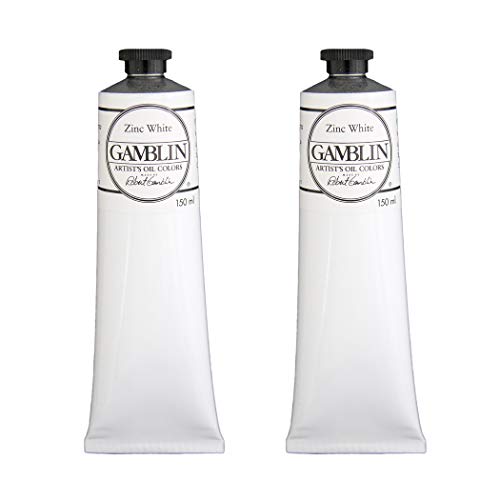
Item: A 2 Pack, 150ml Tube of Zinc White Gamblin Oil Paint

Holbein Artists' Oil Color - Cobalt Blue, 40 ml tube
Mastering Glazing Medium Techniques
Mastering glazing medium techniques can truly take your painting to the next level. Have you ever struggled with making your colors pop or achieving that depth you see in others’ work? Mixing your acrylic paint with a medium like Dartecor’s Glossy Dammar Varnish can really help. It boosts transparency in your work, allowing for those stunning, layered effects we all love. Just remember, when you apply a thin glaze, don’t rush. Let each layer dry completely before adding the next one. This patience pays off big time, creating a rich, transparent layer that lets the underlying colors shine through beautifully.
To get that perfect look, balancing transparency and opacity is key. Think of it this way: each thin layer of paint lets light pass through, which gives your piece an incredible depth that flat colors just can’t compete with. If you choose a medium made with natural materials, like dammar, you’ll get even more luminosity without sacrificing viscosity. So, why does this matter? Because the right medium can enhance your work, making your colors feel alive.
Try mixing in different amounts of medium with your paint to see how it affects your glazes. Play around and adjust until you find the right mix that speaks to your style. The best part is, you’ll notice improvements pretty quickly, which can be really encouraging. So grab your brushes and get practicing! Mastering these glazing techniques will boost your skills and confidence as an artist. Many acrylic gel mediums are also non-toxic, making them safe to use in any setting.
Recommended Products

Extra heavy body medium; Dries to a transparent or translucent gloss finish

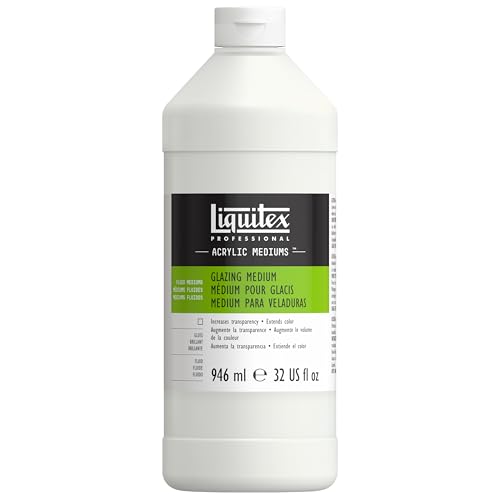
For creating brilliant jewel-like glazes with acrylic paint; Excellent brushing and leveling qualities
What to Avoid When Using Glazing Medium?
When you’re diving into using glazing medium, there are definitely a few pitfalls to watch out for. Have you ever mixed colors only to end up with a muddy, opaque mess? That’s why it’s vital to steer clear of overly opaque colors in your mixtures. They can really ruin the transparency effects you’re aiming for.
Incompatible materials can be a real headache, too. For example, Damar Varnish may seem like a good idea at first, but it can actually damage your paint film over time. So, it’s best to avoid that, along with any heavy mediums that can weigh down your glaze and mess with how it adheres.
The solvents you use can make a big difference as well. Using excessive solvent can cut down on flexibility and increase the chances of cracking. You want your glazes to move with your artwork, not against it!
Make sure to only apply glazes to surfaces that are fully dried. Why does this matter? It helps with better layering and keeps your artwork’s integrity intact. Additionally, choosing a medium like the Winsor & Newton Liquin Original Medium can increase fluidity and speed up drying times, which is beneficial for layering techniques.
Frequently Asked Questions
What Are Glazing Mediums?
We’ve explored various glazing mediums, their types, and application methods. By mastering color mixing and understanding durability factors, we can achieve stunning layering effects, superior surface finish, and ideal medium consistency for our artistic endeavors.
What Does It Mean if a Glaze Is Transparent?
A transparent glaze enhances color intensity and visual depth by allowing light transmission. Through careful application methods and layering techniques, we can achieve stunning surface finishes, showcasing the interaction between pigment bonding and various artwork styles with chosen medium selection.
What Is Transparent Glazing?
Transparent glazing’s like casting a delicate veil over our canvas, enriching color blending through meticulous paint layering. It enhances surface finish and color saturation, optimizing light transmission for stunning visual effects in our artistic techniques.
What Is the Effect of Glazing?
Glazing techniques enhance our artwork by allowing color layering that creates artistic depth. We achieve painting transparency and surface shine, improve texture, and enjoy varied finishes that reflect light, adding visual interest to our underpainting effects.


