As an Amazon Associate, we earn from qualifying purchases. Some links on this site are affiliate links at no extra cost to you. Our recommendations are based on thorough research and editorial judgment.

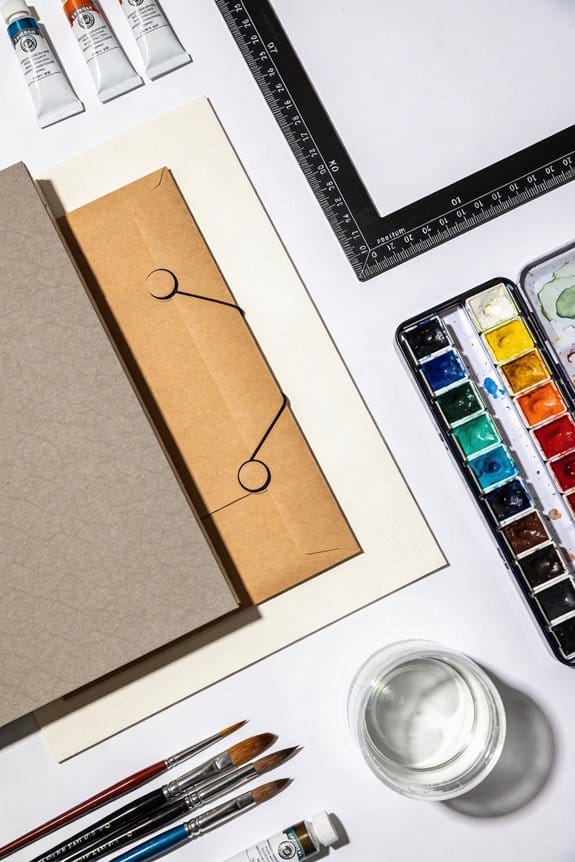
Why Does Watercolor Paper Buckle and How to Fix It

Watercolor paper buckles mainly due to uneven moisture absorption. When one side gets wet and expands while the other stays dry, warping occurs. To fix this, we can soak heavyweight paper, around 300 gsm, before painting, which helps it expand evenly. Taping the edges to a board also prevents buckling while we work. If our paper still warps, we can flatten it by placing it under heavy books or using a damp cloth and a warm iron. Keep reading for more tips on preventing and fixing buckling!
Key Takeaways
- Watercolor paper buckles due to uneven moisture absorption, causing expansion and warping.
- Use heavyweight paper (300 gsm or more) to better handle moisture and reduce buckling.
- Soak paper before painting for even expansion and minimize drying-related tension.
- Tape the edges of the paper to a sturdy board to maintain flatness while painting.
- Flatten buckled paper by placing it face down with heavy books or using an iron on low heat.
Understanding the Causes of Watercolor Paper Buckling
You may be interested


Have you ever been excited to dive into a watercolor painting only to find your paper buckling and ruining your masterpiece? It can be so frustrating! Understanding what causes this issue can go a long way in keeping your artwork looking its best.
One big reason watercolor paper buckles is uneven absorption of moisture. When you apply water, the wet side of the paper expands, but if the underside stays dry, that difference creates warping. You might notice this happening more if you’re using thinner paper, especially anything under 300 gsm. Thinner paper doesn’t handle moisture as well, and cellulose paper is particularly slow and uneven in absorption—definitely something to keep in mind.
So, why does this matter? If you’re using a lot of water in one area, that can create puddles, making the buckling even worse. Plus, if different sections of your painting dry at different rates, you’re left with irregular tension, which can lead to more buckling.
Here’s the trick: to combat this, you can try pre-soaking your paper before you start painting. This allows the paper to absorb water more evenly. Another approach is to use heavier paper or stretch your paper before painting. This might sound like extra work, but it can really help keep your surface flat and your artwork looking clean.
Truth is, understanding these causes and adjusting your technique can save you a lot of headaches and help you focus more on your creativity. Remember, a little preparation can make a huge difference in your painting experience. Choosing a paper with higher weight can also reduce the chances of buckling, as it handles washes better than lighter papers. Have you faced issues with buckling in your past works? What strategies do you use to keep your paper smooth?
Proven Methods to Prevent Watercolor Paper Buckling
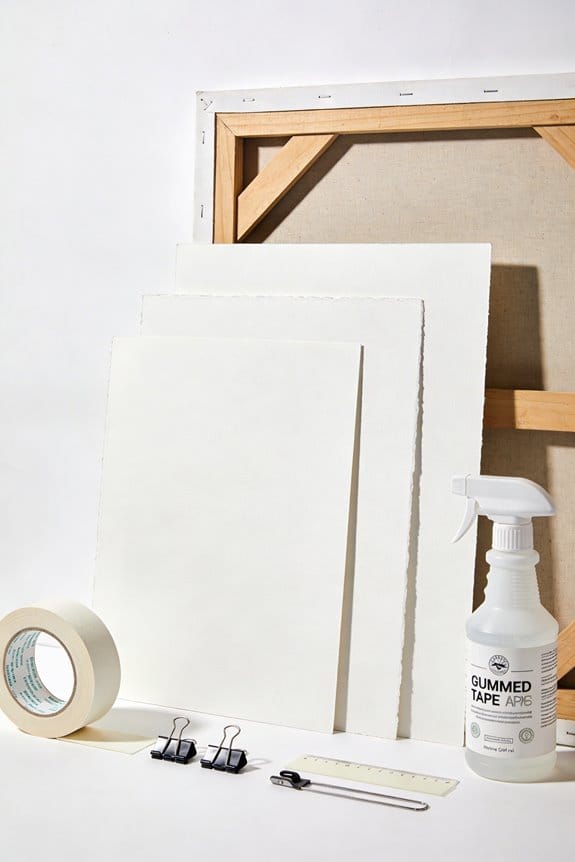
Watercolor paper buckling is a common issue that can be super frustrating, right? If you’ve ever faced this problem while painting, you know how it can ruin your artwork. So, let’s dive into some practical tips to keep your watercolor paper nice and flat.
First off, choosing the right paper makes a big difference. Try using heavyweight paper, around 300 gsm or more. This thickness helps prevent warping when the water hits it. Another tip? Before you even start painting, soak the paper in water. This trick promotes even expansion, which means less buckling while you’re creating your masterpiece.
When you’re ready to paint, don’t forget to tape down the edges of your paper to a sturdy board. This keeps everything in place, making it a lot easier to work on. As you apply your washes, make sure to let each layer dry completely before adding more. This step is crucial; puddles can cause uneven warping, and we definitely don’t want that!
Speaking of drying, how you dry your paper can make a big difference too. Lay the paper flat or consider using some weights to keep it from shifting. The key here is to ensure it dries evenly.
In my experience, 100% cotton paper can really hold up against buckling when you follow these steps. Remember, preventing buckling is all about the right materials and techniques. Also, pairing your paper with high-quality non-toxic watercolor paints can help ensure consistent pigment application and reduce uneven water distribution.
Recommended Products

Prized Paper - The long fibers in Arches natural white 100% cotton watercolor paper provide timeless beauty and an inimitable touch; this rich water color paper for artists is available in 2 sizes and 3 revered textures: cold press, hot press and rough

Prized Paper - The long fibers in Arches natural white 100% cotton watercolor paper provide timeless beauty and an inimitable touch; this rich water color paper for artists is available in 2 sizes and 3 revered textures: cold press, hot press and rough

Compatible with Dye and Pigment based Inkjet Printers
Top Strategies for Flattening Buckled Watercolor Paper
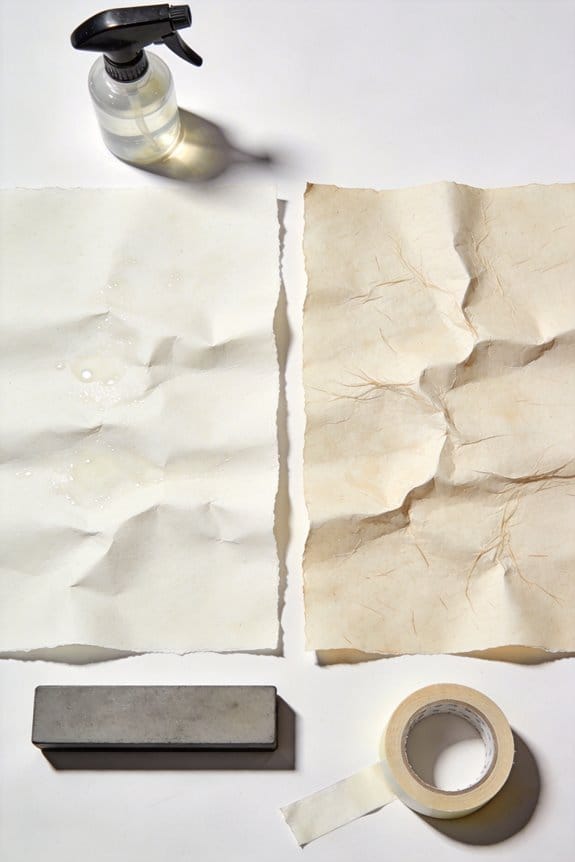
Flattening buckled watercolor paper can be a bit of a headache, right? But don’t worry, there are some really straightforward methods to tackle this issue. The first thing you can try is placing the paper face down on a flat surface and piling on some heavy books. It might take a few days, but this method is pretty effective for getting out those bumps.
If you’re dealing with mild buckling, there’s a quick fix you can try. Just mist the back of the paper with a clean sponge. Then, place it between some absorbent materials—could be paper towels or something similar—and apply some pressure. This can help smooth it out without too much hassle.
Now, if those bumps are being stubborn, you might want to consider ironing. Just dampen the back of the paper slightly and set your iron to medium heat. For safety, use a cloth on top to protect your artwork. This trick can do wonders to restore your paper’s flatness. And as it dries, don’t forget to weigh it down with heavy objects to keep it in shape! Using absorbent materials effectively helps control moisture during the flattening process.
Recommended Products

Roll of Painting Paper: This 31" x 10.94 yd watercolor paper roll is cold pressed, offering a textured surface perfect for artists. Ideal for large-scale projects, it ensures no bleed through, maintaining the vibrancy of your watercolors

Versatile Surface Options: New York Central Watercolor Paper offers rough, cold, and hot pressed surfaces; This 100% cotton watercolor paper is ideal for watercolor, gouache, ink, and fluid acrylics

Artists Love Canson XL! Trusted for decades by students, hobbyists, and art teachers thanks to dependable composition, high sheet counts and affordable prices
Understand the Impact of Warping on Your Artwork
Warped watercolor paper can seriously mess with your artwork. When the paper bends, it creates these uneven surfaces, which makes it tough to blend colors and apply paint smoothly. Plus, if the paper’s warped, paint can pool in those grooves, leading to ugly patches that ruin your masterpiece. So, why does this matter? Well, if you want your art to look professional and clean, it’s something to keep an eye on.
When your paper dries unevenly because of warping, it messes with the paper fibers. They don’t settle down the way they should, and you can end up with a final piece that just doesn’t look right. To help combat these problems, consider using a heavier weight paper that has proper sizing—this can really cut down on warping.
Here’s a trick: try taping your paper to a board before you start painting. This keeps it flat and gives you a solid surface to work on. Remember to let it dry flat too! That way, you’ll get those clean watercolor finishes that make your artwork shine like you’ve always wanted.
In short, understanding how warped paper affects your work is key to creating beautiful art. Using a wet palette can help maintain consistent moisture levels in your paint and may indirectly contribute to better control over paint application and drying times. Which methods have you found helpful in keeping your paper flat?
Selecting Paper Less Prone to Buckling
Choosing the right watercolor paper can feel like a daunting task, especially if you’ve ever experienced the frustration of your paper buckling mid-painting. You know the one—where you get into the flow, and suddenly your masterpiece turns into a wavy mess. So, let’s explore how to pick the right paper to keep that from happening.
First off, consider going for heavyweight watercolor paper. Aim for 300 gsm or higher. This kind is sturdier and much less likely to buckle when wet. If you really want to take it up a notch, 100% cotton watercolor paper is a fantastic choice. It absorbs moisture evenly, which means fewer chances of warping or buckling with each brushstroke.
The sizing of the paper is another important detail. Look for brands that provide superior sizing because this controls how the paper handles moisture. When it comes to practical solutions, watercolor blocks are a real winner. They keep your paper flat while you work, making it almost impossible for it to buckle.
So, how do you figure out what works best for you? The best part is that testing different watercolor papers can be really helpful. Each type reacts differently to moisture, and discovering your favorite will definitely enhance your painting experience. Additionally, selecting pads with acid-free benefits ensures your artwork remains vibrant and intact over time.
Recommended Products

Premium Quality: The New York Central Watercolor Block is made on a slowly rotating cylinder mould, ensuring the best watercolor paper quality; It is ideal for both wet and dry media

Hot-Press - 300gsm, 55" x 11 yds.

Prized Paper - The long fibers in Arches natural white 100% cotton watercolor paper provide timeless beauty; this rich paper is available in 13 sizes and 3 revered textures: cold press, hot press and rough
Frequently Asked Questions
How to Keep Watercolour Paper From Buckling?
To keep watercolor paper from buckling, we should choose quality paper, tape our painting surfaces, use appropriate stretching methods, and monitor drying times while considering humidity, layering effects, and weight criteria for the best artist choices.
How Do You Fix Buckled Paper?
To fix buckled paper, we can try stretching it before painting, use proper drying methods, and consider alternative papers. Employing weight differences helps smooth the surface texture, ensuring better paint application and minimizing humidity effects.
How to Keep Paper From Wrinkling When Painting?
To keep our paper from wrinkling, we should consider heavyweight paper, explore paper stretching, and experiment with waterproofing techniques. Controlled water application and heat mounting can help maintain the integrity of our beloved painting surfaces.
What Does Overworked Watercolor Look Like?
Overworked watercolor often shows muddy color blending, harsh edges, and uneven pigment saturation. We notice texture effects from poor brush control and excessive paint layers, with lifting colors and patchiness, especially during final touch-ups and drying time.


