As an Amazon Associate, we earn from qualifying purchases. Some links on this site are affiliate links at no extra cost to you. Our recommendations are based on thorough research and editorial judgment.


Why Oil Paints Yellow Over Time and How to Prevent It

Oil paints yellow over time mainly due to oxidation as they dry, especially when using linseed oil. To prevent this, we should keep our paintings in well-ventilated, low-humidity spaces, avoiding cold temperatures. Using acrylic enamels or safflower oil can help as they’re less prone to yellowing. Regular maintenance, like cleaning and revarnishing, is also essential. If you want to refresh yellowed areas, certain techniques and products can help. There’s more to learn about preserving our artwork effectively.
Key Takeaways
- Yellowing in oil paints occurs primarily due to oxidation and environmental factors like humidity and low light during drying.
- Alkali-refined linseed oil and Titanium White are particularly prone to yellowing as they age.
- Maintaining good ventilation and avoiding cold, humid conditions can significantly slow down the yellowing process.
- To prevent yellowing, avoid using ammonia-based cleaning products near painted surfaces and store artwork in dark conditions.
- Regular maintenance, including exposing artwork to natural light and using non-yellowing formulas, helps preserve vibrancy over time.
How to Identify Yellowing in Oil Paints?
You may be interested


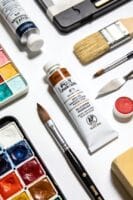
Have you ever noticed your oil paintings losing their original vibrancy? Yellowing is a sneaky issue that can really affect your artwork, and it’s especially tricky when you’re trying to touch up an old piece or work near fresh paint.
To spot yellowing, take a moment to compare old paint with fresh samples. It’s often pretty obvious when you do—old oil paints can look two to three shades darker than new ones. This helps you see if something’s off in color. And if you’re working in a low-light space or somewhere with high humidity, yellowing can really stand out.
Environmental factors play a role, too. For instance, did you know that exposure to ammonia can contribute to this issue? It’s good to keep an eye out for these signs as you work. The best part is that catching yellowing early can help you maintain the intended look of your artwork. Proper storage and maintenance of oil paints also play a crucial role in preventing yellowing and prolonging their quality.
Recommended Products

NOT FOR USE ON AIRCRAFT!
POLISH WITH KARMA – Made in the USA, our polishes use a natural, plant-based formula that is fast-drying, non-yellowing, and gentle on your nails.

Ideal for use on wood plastic and paper
Discover the Causes of Oil Paint Yellowing

Have you noticed that some of your oil paintings seem to be losing their bright colors over time? It’s a common issue that many artists face, and understanding the causes of yellowing in oil paints can make a big difference in preserving the vibrancy of your artwork.
So, what’s really going on? The yellowing often happens due to oxidation during the drying process. When the paint, particularly those made with alkali-refined linseed oil, reacts with the oxygen in the air, it can lead to that unwanted yellow tint. If you’re using modern oil paints, you’ll want to keep an eye on Titanium White. It has a tendency to yellow more than other white paints, which can be frustrating if you’re aiming for a certain look.
Environment matters too. Low-light settings, high humidity, and cooler temperatures can really make the yellowing process worse. It’s almost like your paintings have to battle against their surroundings! Oil separation can also play a role here. It can affect how well the paint binds, which over time contributes to that yellowing effect.
Worried about how to keep your artwork looking fresh and vibrant? Here’s the trick: Be mindful of the conditions where you store and display your art. Keeping your pieces in a well-lit space with moderate humidity can help. Understanding these factors is key in taking proactive steps to care for your creations.
Additionally, using high-quality materials and proper tools, like durable bristles that maintain paint application integrity, can further improve the longevity of your artwork.
Ultimately, knowing why oil paints yellow helps you maintain their brilliance. What methods or tips do you use to combat this issue in your work?
Recommended Products

plexus seals the pores in plastic surfaces with a micro - thin layer of shiny, protective wax, making it resistant to debris, oil, scratches, and eventual yellowing

Do not apply clear topcoats over bright white paint, as yellowing may occur due to a reaction to the substrate. Light color paints may also experience yellowing due to topcoat application, but it will less noticeable
Plexus seals the pores in plastic surfaces with a micro-thin layer of shiny, protective wax, making it resistant to debris, oil, scratches, and eventual yellowing
How to Prevent Oil Paint Yellowing
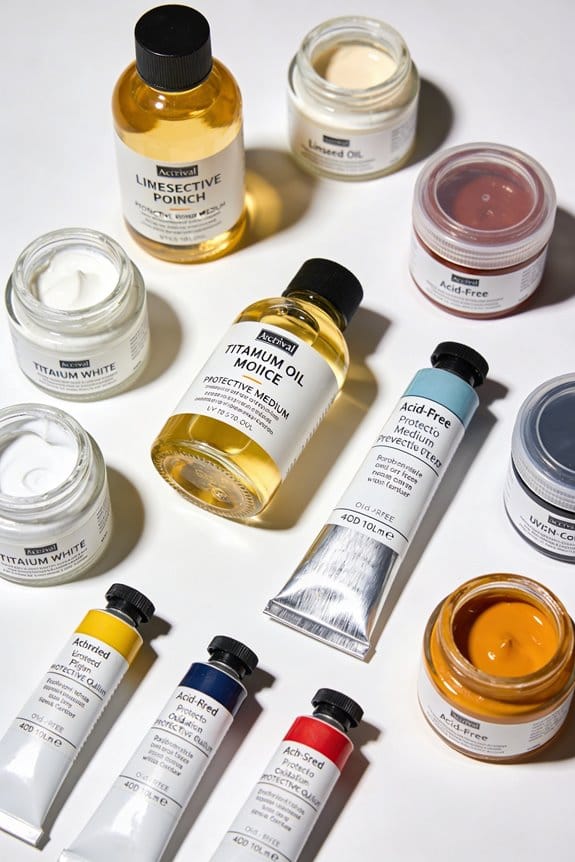
Ever notice how beautiful oil paintings can start to look a little… off over time? If you want to keep your artwork looking fresh and vibrant, there are some simple steps you can take to prevent that yellowing.
First off, pay attention to the environment where you’re painting and storing your pieces. Ensure that there’s good ventilation, and try to avoid cold temperatures or high humidity. These factors speed up yellowing, especially because some oils, like alkali-refined linseed oil, can change color as they age.
Try this: before applying water-based acrylic enamels, use oil-based enamels and let them cure for at least 48 hours. It’s a small wait that can make a big difference. And if you use any cleaning products, steer clear of those with ammonia around your painted surfaces. Why? Ammonia can cause oil to exude and lead to that dark yellowing we all dread.
For long-term protection, store your artwork in the dark but make sure to occasionally expose it to natural light. It might sound contradictory, but a little natural light can actually help stave off that unwanted yellow tint. Additionally, using a waterproof acrylic pouring medium can create a protective barrier that helps preserve the paint’s original appearance.
Recommended Products
Plexus seals the pores in plastic surfaces with a micro-thin layer of shiny, protective wax, making it resistant to debris, oil, scratches, and eventual yellowing

Non-yellowing – Surface stays clear

【High Quality】Thickness: 9.6mm( 3/8"); Grip range: 1.3mm(3/64") to 6.3mm(1/4"); U-shaped edge guards are made of PVC rubber, this rubber sealing seal has less odor and is harmless to the human body. Protect the metal edges of your home, car or boat from scratches with this edge guard.(NOTE: Attention To Truck/Van Owners, Please Ensure Your Door Edge Thickness Prior To Purchase.)
How to Fix Yellowing in Oil Paints?
Ever notice your once-vibrant oil paintings turning a bit yellow? It’s frustrating, isn’t it? But don’t worry, there are ways to tackle this issue and breathe new life into your artwork.
First off, consider giving your paintings some sunlight. Yes, you heard that right! Natural light can help reverse yellowing that’s happened from being in low light. Just keep in mind that this process might take days or even weeks, so be patient.
If your artwork has yellowed due to poor ventilation, you might want to lightly sand the surface. Afterwards, repaint using a non-yellowing formula, like a water-based acrylic enamel—trust me, it makes a difference. And when you’re applying oils, keep those layers thin. Thicker layers are more likely to yellow over time, so take your time and build up those colors gradually.
Here’s a handy tip: consider adding things like barium sulfate or calcium carbonate to your oil mixtures. These additives can help stabilize your paint and fight against yellowing.
Regular maintenance is also key to keeping your art looking fresh. Making the effort to clean and revarnish your paintings with Titanium White can rejuvenate those colors and extend their longevity. So, what’s stopping you from trying these tricks?
In a nutshell, tackling yellowing in oil paints is all about being proactive and careful with your technique. Using mediums like Winsor & Newton Liquin Original can also help resist yellowing and preserve color vibrancy. Have you had success with any of these methods?
Recommended Products

Patented aluminum-oxide Nano-Technology provides resistance to scuffs, scratches and stains

Protects and adds beauty to interior wood surfaces including woodwork, furniture, doors and cabinets
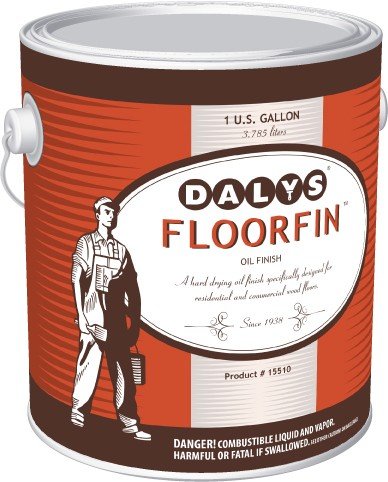
Daly’s FloorFin is a hard drying oil finish specifically for wood floors of all description both residential and commercial
Best Alternatives to Oil-Based Paints for Longevity
Are you tired of oil-based paints that turn yellow over time? You’re not alone. Luckily, there are some pretty solid alternatives that not only last but also keep your colors looking vibrant.
First off, consider water-based acrylic enamels. I’ve been using Haymes Ultratrim Acrylic Enamel High Gloss, and it’s worked wonders for me. It’s durable and definitely less prone to yellowing than those old-fashioned oil paints. And if you’re into traditional techniques, safflower oil offers a non-yellowing alternative to linseed oil, which can help keep your oil paintings true to color.
Now, let’s talk about acrylic paints. They’ve come a long way. Thanks to newer technologies, they’re not just fast-drying but also resistant to yellowing. So, what’s the trick? Look for products that are specifically designed to have great binding properties. Try using Haymes Aqualac GP Clear to top off your artwork for a crystal-clear finish. And don’t forget about ventilation and light conditions; they play a huge role in how these non-yellowing paints perform.
Additionally, choosing acrylic paint sets that include high pigmentation and creamy consistency can enhance the vibrancy and longevity of your artwork.
So, why does this matter? Because long-lasting colors can make a big difference in how your artwork is perceived. Honestly, using high-quality supplies takes your projects to the next level. It might feel overwhelming to choose the right products, but once you find what works for you, it’s totally worth it.
Recommended Products

Easy To Mix And Apply: Come with 2 bottles 1 gallon crystal clear resin A+ 2 bottles 1 gallon crystal clear hardener B, just mix 1:1 Ratio By Volume. There is 45 minutes of work time at room temperature, during this working time, you can add resin pigment or mica powder according to your project. We advice to stirring at least 3 minutes for uniform mixed. Come with user instructions.

Featuring Satco's ColorQuick Selectable-CCT technology for versatility, choose from 3 color temperatures (3000K/4000K/5000K) with easy-to-use switch under lens; includes integrated on/off microwave motion sensor

Used to structure or encapsulate, and even balance the shade of acrylic powder
Frequently Asked Questions
How to Stop Oil Paint From Yellowing?
To stop oil paint from yellowing, we should use careful oil painting techniques, select pigments wisely, consider drying time, apply varnishing methods, and store art with ideal light exposure, following proper canvas preparation and layering techniques.
Does Oil Paint Yellow Over Time?
Yes, oil paints can yellow over time, influenced by oil types, environmental factors, and the drying process. Let’s explore pigment stability, yellowing effects, and professional tips like varnish options to manage aging oil paintings effectively.
How to Stop Paint From Going Yellow?
To stop paint from going yellow, we must embrace preventive measures like ensuring light exposure, selecting quality pigments, and controlling humidity. Proper storage and varnishing techniques can transform our artwork, preserving its brilliance for years.
What Causes Oil to Turn Yellow?
Oil turns yellow due to the oxidation process in linseed oil, influenced by environmental factors like temperature and light exposure. The pigment composition and varnish type also play important roles in this permanent change.


