As an Amazon Associate, we earn from qualifying purchases. Some links on this site are affiliate links at no extra cost to you. Our recommendations are based on thorough research and editorial judgment.

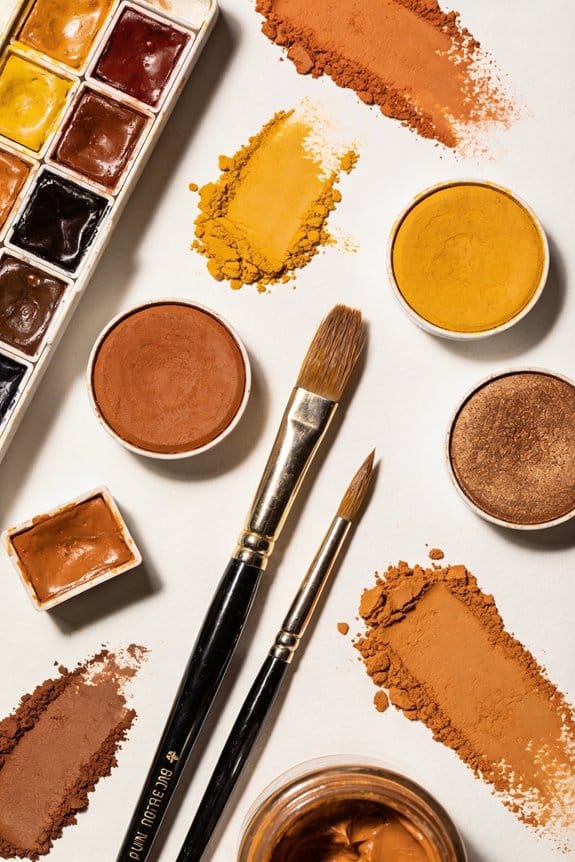
Earth Tones: The History and Use of Ochres and Siennas

Earth tones like siennas and ochres have a long history in art, deriving from natural clay sources rich in iron oxides. Sienna pigments, especially, are transformed through roasting for deeper colors. Artists from Caravaggio to Rembrandt have used these pigments to achieve realistic skin tones. Today, we combine traditional and synthetic options to enhance vibrancy. Sustainable sourcing practices are essential to protect local economies. Continuing on, you’ll discover more about the unique characteristics of these pigments and their modern applications.
Key Takeaways
- Sienna and ochre pigments, sourced from natural clays, have been used in art for thousands of years, with origins primarily in Tuscany and other regions.
- Ochres, formed through the oxidation of iron, provide a diverse color palette, significantly contributing to the vibrancy of artworks since the Paleolithic era.
- Sienna pigments, available in raw and burnt forms, are highly valued for their transparency and richness, facilitating realistic depictions in Renaissance artwork.
- Sustainable sourcing of these pigments is crucial, emphasizing environmentally friendly extraction practices to protect local economies and ecosystems.
- The historical significance of ochres and siennas reflects their lasting impact on art, influencing techniques and color choices in various artistic movements.
The Origins of Sienna and Ochre Pigments
You may be interested

Want to know the story behind Sienna and ochre pigments? These earthy colors may seem simple, but they have a rich history that connects us to the natural world. Sienna pigments come straight from the clay around the city of Sienna in Tuscany. This region, called “terra di Siena,” literally gave its name to the pigment. How cool is that?
Honestly, ochres—like those deep reds and soft yellows—have been around for over 300,000 years. They’re formed through the oxidation of iron in clay, which makes them not just vibrant, but also super durable. Sienna really took off during the Renaissance, and it’s still popular today. Why do you think artists keep coming back to these colors? It might be because they have a timeless quality that suits so many styles.
Both of these pigments have roots in prehistoric cave art, which shows just how important they’ve been throughout human history. If you’re looking to connect with nature through art, using these pigments is a great way to do just that. They remind us of the earth’s beauty and our creative spirit.
The best part is, you don’t have to be a professional artist to appreciate or use these colors. So next time you’re browsing art supplies, consider picking up some Sienna or ochre pigments. Many artists also complement these tones with vibrant shades available in alcohol markers to enhance their creative projects. How will you incorporate earthy colors into your next project?
What Earth Pigments Are Made Of
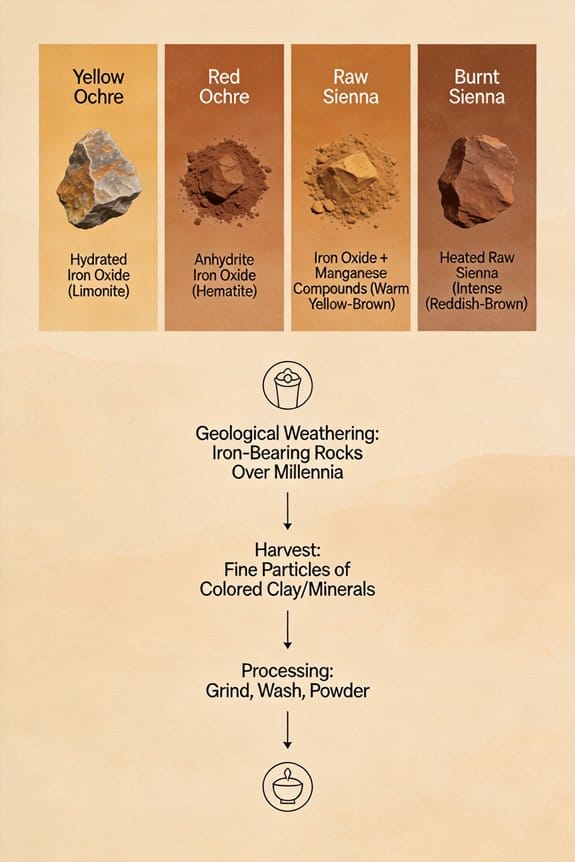
Ever wonder what gives those rich sienna and ochre colors their unique appeal? It all comes down to their ingredients, and I’m here to break it down for you. These pigments primarily consist of iron oxides, which are the backbone of their vibrant shades. For example, yellow ochre is made up of limonite, a kind of hydrated iron oxide that brings a sunny glow. On the flip side, sienna has both limonite and manganese oxide, which adds depth to its color palette.
You might notice that the pigment colors change based on where they’re sourced and how they’re heated. Here’s something cool to remember: there are two forms of sienna pigments—raw and burnt. Raw sienna has a lovely yellow-brown hue, while burnt sienna turns into a deeper reddish-brown when heated. The best part is, these earth pigments are super stable and permanent, making them a go-to for artists who want colors that last.
So, why does this matter? If you’re looking to incorporate these colors into your work, understanding their properties can make a significant difference. It’s a great way to bring some natural warmth and character into your art. Just keep in mind that these pigments come from the earth, so they carry a story and a unique touch that synthetic options just can’t replicate. Many artists value pigments like iron oxide for their non-toxic properties and durability in various art applications.
Recommended Products

Vibrant Concrete Dye Powder for Long-Lasting Color. Transform your projects with our Goldenrod concrete dye powder, a high-quality concrete color pigment that delivers vibrant, consistent color to concrete, stucco, plaster, mortar, grout, and countertop mixes. This easy-to-use cement pigment powder ensures your concrete coloring is fade-resistant and durable, making it ideal for both DIY enthusiasts and professional contractors seeking reliable concrete dye solutions.


❤ Nourish your Nails – Our vitamin enriched formula is long lasting and chip-resistant. Our nail strengthening formula contains calcium and coffee extract to nourish nails and prevent peeling
Historical Significance of Sienna in Art
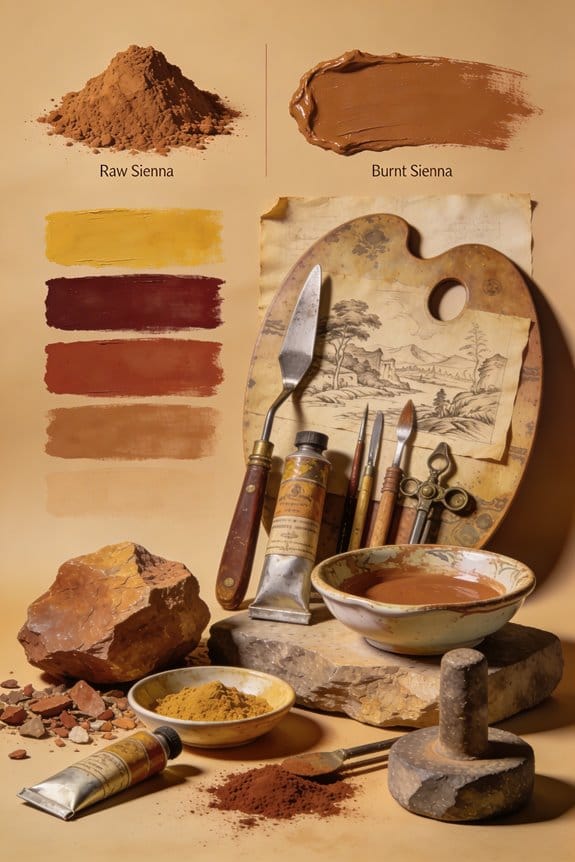
Have you ever wondered why some of the greatest artists in history chose certain colors for their masterpieces? Sienna pigments, particularly the ones from Tuscany known as ‘terra di Siena’, have a fascinating backstory that often goes unnoticed. These earthy tones were highly valued by artists since the early 18th century, and it’s not hard to see why.
Renowned names like Caravaggio and Rembrandt painted stunning works using Sienna. They knew a thing or two about preparation, often roasting the clay to create Raw and Burnt Sienna. This roasting process brought out varied color depths that added richness to their paintings. Plus, Sienna was perfect for underpainting and glazing since its transparency allowed for effective layering techniques. That’s a trick that can elevate any artwork!
However, it’s worth noting that by the mid-20th century, Sienna supplies dwindled. Artists began searching in places like Sardinia and Sicily for new sources, but the legacy of Sienna sticks around as a key part of art history. It connects us to a vibrant cultural heritage that many might overlook. For artists working with these pigments today, using quality watercolor brush mops can greatly enhance the application and blending of such earthy tones.
How Sienna and Ochre Pigments Are Prepared
Have you ever looked at a beautiful piece of artwork and wondered how those stunning colors came to be? The secret often lies in the preparation of pigments, particularly when it comes to Sienna and ochre. Making these pigments is more than just mixing colors; it’s about transforming materials found in nature into something truly vibrant.
To make Sienna pigments, it starts with raw earth collected from Tuscany, especially around Monte Amiata, where you’ll find rich iron oxides. Raw Sienna has a lovely yellow-brown tint, but the magic happens when you heat it up. When heated, it becomes Burnt Sienna, giving off a deep, reddish-brown shade. It’s fascinating to think that artists of the past would heat these lumps of earth in warm crucibles or even in shovel-turned ovens, all to enhance the colors we admire today.
What’s really interesting is how heating affects the iron oxide content. For ochre pigments, yellow ochre turns red with heat. The key here? Timing. The longer you heat it, the more intense the hue becomes. Experimenting with different heating times can yield some eye-opening results.
If you’re looking to dive into this world of artistic pigments, here’s the trick: pay close attention to every step of the process. Each little decision impacts the final shade you work with. Modern artists also consider using high-quality acrylic paint to complement traditional pigments for enhanced color vibrancy and application versatility.
Recommended Products

24 Artist quality Full soft pastel sticks by Sennelier
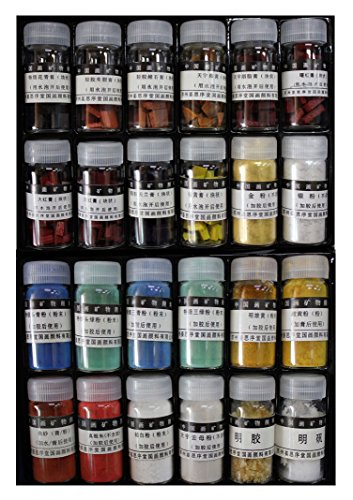
Chinese painting color including colors: Prime Cyanine, Vermilion, Burnt Sienna, Gamboge, Rouge, Eosino, Scarlet, Crimson Red, Sky blue, Chrome yellow Blocks. (Color Blocks Soak in water before using) Gold, Silver, Prime phenol blue, Prime deep green, Prime Blue Label Three, Prime Green Label Three, Bright realgar, Orpiment, Cinnabar, Dark pink, Clam white, High grade Mica Powder (Color Powder mix with gelatin before using) Gelatin, Alum(Powder).

60 colors- Yellow, Red, Bordeaux, Blue, Light Blue, Orange, Peach, Green Willow, Green, Dark Mauve, Van Dyck Brown, Black, White, Light Yellow, Golden Ochre, Magenta, Pink, Cobalt Blue, Cyan, Sea Green, Light Olive, Violet, Burnt Sienna, Light Grey
Sienna’s Role in Renaissance Art
Have you ever paused to think about where artists get their colors from? During the Renaissance, painters found inspiration in natural materials, which led to some stunning advancements in their art. One standout was Sienna pigments, which played an essential role back then.
Raw Sienna, with its beautiful transparency, was often the go-to for glazing and underpainting. This technique allowed artists to create a depth that really brought their work to life. You might be surprised to learn that even famous artists like Rembrandt turned to earth pigments such as Sienna to enrich their paintings.
The Italians were pretty clever, too. By roasting Raw Sienna, they created Burnt Sienna, a stunning reddish-brown color. The extraction of Sienna from Tuscany, particularly around Monte Amiata, provided vibrant and durable materials that artists relied on. With these pigments, they were able to capture realistic skin tones and enchanting scenes, reflecting their passion for accurately portraying the world around them. To achieve smooth and blendable finishes reminiscent of these traditional pigments, many modern artists prefer using oil-based color pencils for their rich pigmentation and ease of layering.
Evolution of Sienna Pigments in Contemporary Art
Have you ever wondered how artists choose their colors? When it comes to Sienna pigments, there’s a rich history behind why those earthy tones are still loved today. The interesting part? The natural Sienna clay from Tuscany isn’t as plentiful anymore, which has had artists exploring new sources like Sicily and Sardinia for a bit of that traditional vibe.
Winsor & Newton stuck with natural Sienna for quite a while, holding out until 1991. But then, synthetic iron oxide pigments started making their appearance. These modern versions are crafted for transparency and durability, which can be a real benefit for today’s artists who want to replicate the classic look without the hassle of sourcing natural materials.
Even with all the advancements in synthetic options, the charm of natural Sienna can’t be fully replaced. It provides unique qualities that are particularly useful for glazing and underpainting. You might think, “Why does this matter?” Well, despite the convenience of modern pigments, many artists still crave that historical significance and the deep, rich tones that just can’t be matched. Modern artisans also emphasize the importance of quality and durability in their materials to achieve lasting and authentic results.
Unique Variations of Ochre
When you think about ochre, have you ever noticed how its color and composition influence your artistic choices? Iron oxide creates a palette that spans yellowish brown to deep dark brown, giving you plenty of options. Unique shades like Blue Ridge Yellow Ochre from Virginia and Lemon Ocher from Italy have their own quirks, particularly in terms of opacity, which can really impact how you use them in your work.
Consider this: heating yellow ochre turns it into Burnt Umber, giving it a richer red tone, while Raw Umber keeps a cooler, darker edge. Each of these natural earth pigments reveals something special about its roots. For example, Sienna ochre hails from the beautiful Tuscany region, and Umber comes from Umbria.
Every variation brings fresh possibilities for your creative projects. So, as you’re experimenting, keep in mind how these colors can affect your pieces. Honestly, discovering their unique characteristics can inspire your next painting or art project. Choosing paints with high-quality pigmentation quality enhances the vibrancy and depth of these earth tone colors in your artwork.
Recommended Products

This beautiful, luxurious Old Holland Master's Oil Color Set is packed full of everything you need but Canvas to start Painting from the moment you open it. HoUsed in a huge Italian Mabef Deluxe Wooden Sketch Box, in this set Includes a Wooden palette, mediums, brushes, palette knives, palette cups, sketching Materials, and an astonishing selection of thirty-four 40ml tubes of Old Holland Classic Oil Colors!
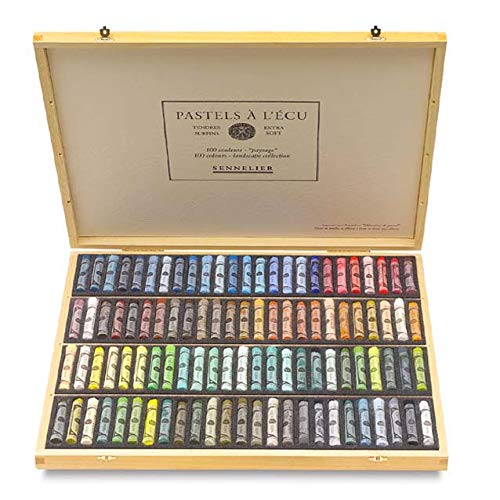
Manufacturing process of the Sennelier cylindrical pastel does not compress the paste, and the pastel dries naturally in open air

Luxury box of oil paints in a selection of colors and sizes: 7 tubes of 15 ml (242 Aureoline - 281 Transparent yellow green - 615 Emerald green - 530 Sèvres blue - 582 Manganese blue phthalo - 576 Phthalo blue - 735 Black rust), 12 tubes of 12 tubes of 1 12 ml (254 Permanent Lemon Yellow - 285 Permanent Intense Yellow - 311 Vermillion - 377 Medium Permanent Red - 366 Quinacridone Pink - 506 Deep Ultramarine Blue - 568 Permanent Violet Blue - 623 Sap Green - 227 Ochre Yellow - 411 Burnt Sienna - 408 Amber Crucifix Do - 409 Burnt Amber) and 3 x 60ml tubes (104 White Zinc - 105 White Titanium - 118 Titanium White (Linseed Oil)).
How Are Earth Pigments Used in Art Today?
Are you tired of the same old bright colors in your art? There’s something truly special about earth pigments like ochres and siennas. Many artists still love these natural hues, and for good reason: they come with a richness and depth that’s hard to replicate.
Yellow ochre is a staple in many palettes because it’s so versatile. It holds up well over time, making it a smart choice if you want your work to last. Think about how amazing it is to create realistic scenes and portraits with this pigment!
Then there’s raw sienna, which shines in glazing and underpainting. Its transparency adds layers that give your artwork stunning depth. And if you’re looking for a bold color, burnt sienna brings a warm, deep red-brown that’s fantastic for more opaque techniques.
While there are synthetic versions out there, they often miss the mark when it comes to the unique chemistry and subtle undertones of the real deal. So, why does this matter? Using earth pigments connects you to artists who’ve been using them for centuries and ensures your work remains vibrant and true to nature.
Art should reflect your vision and style. By choosing these earth pigments, you’re not just sticking to the past; you’re enriching your art with authenticity. So, give it a shot—experiment with these natural colors and see how they can elevate your work! It’s also important to consider the paint consistency to get the best blending and coverage results.
What’s the last pigment you tried?
Recommended Products

This 72 pc Set B includes a well-balanced variety from every color family. All of these curated colors are perfect for general illustrations and manga.

This wooden box contains the essential colors and all the tools needed for oil painting.

Water-based paint that behaves exactly like conventional acrylic paints
Sustainable Practices for Sourcing Siennas and Ochres
Are you an artist searching for those vibrant, natural colors? It’s crucial to think about where your earth pigments come from. Sustainable sourcing of siennas and ochres happens in places like Tuscany and Sardinia, where extracting these materials is done with care for the environment. But here’s the deal: as traditional clays start to run low, we can look to alternative sources to lessen our impact.
Take the Harz Mountains in Germany, for example. They have a wealth of minerals just waiting to be harvested sustainably. This not only minimizes environmental damage but also supports local economies, which is a win-win. So, why does this matter? Because every little decision we make as artists can contribute to a healthier planet.
The best part is that synthetic pigments made from transparent iron oxides can closely resemble those classic siennas and ochres. This gives you plenty of options while helping to reduce your ecological footprints. Ongoing research into these materials is uncovering their rich histories and improving extraction methods.
Let’s think about how we can take responsible steps when sourcing earth pigments. By keeping these practices in mind, we’re not just benefiting ourselves; we’re also doing our part to preserve the natural world for future artists. What sustainable practices can you incorporate into your art today?
Recommended Products

Kit Correction Skin (5x0.50. flo.oz.). It contains FAIR 2, FAIR 3, MEDIUM 1, TAN 2, WHITE.
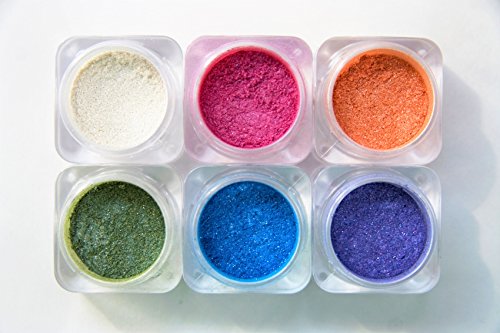
Naked Cosmetics is the purest, most natural make-up that exists. Naked Pigments are 100% oxidized Mica, and do not contain talc, oil, wax or other fillers that can be harmful to your skin. It is 100% color to give you a pure product that is non-allergenic, non-perishable, and simply beautiful.
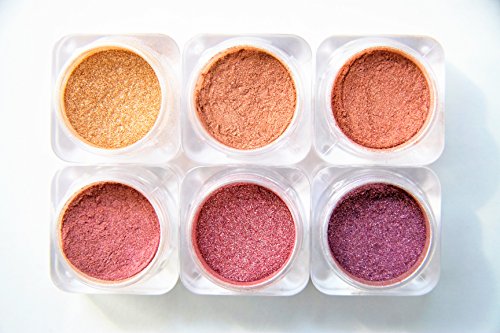
Naked Cosmetics is the purest, most natural make-up that exists. Naked Pigments are 100% oxidized Mica, and do not contain talc, oil, wax or other fillers that can be harmful to your skin. It is 100% color to give you a pure product that is non-allergenic, non-perishable, and simply beautiful.
Frequently Asked Questions
Is Sienna Considered an Earth Tone?
Absolutely, sienna’s an earth tone, reminiscent of warm, sun-soaked landscapes. In color theory, its natural sources give richness in art. Modern applications highlight sienna’s versatile pigment properties, connecting its cultural significance to both past and present.
What Is Ochre’s Historical Significance?
Ochre’s historical significance lies in its role in prehistoric art and ancient civilizations. From cave paintings to pigment production, it influenced artistic techniques and trade routes, reflecting deep cultural significance across various cultures throughout history.
What Is the History of the Sienna Pigment?
Did you know sienna pigments have lasted over 40,000 years? Their origins in Tuscany led to significant cultural impact, with various artistic applications showcasing stunning color variations, durable production methods, and contemporary usage adapting to modern needs.
Is Ochre an Earthy Tone?
Absolutely, we see ochre as an earthy tone. Its natural pigments evoke color symbolism across cultures, with art applications rooted in geological origins, modern uses showing how pigment mixing continues the legacy of its cultural significance.


