As an Amazon Associate, we earn from qualifying purchases. Some links on this site are affiliate links at no extra cost to you. Our recommendations are based on thorough research and editorial judgment.

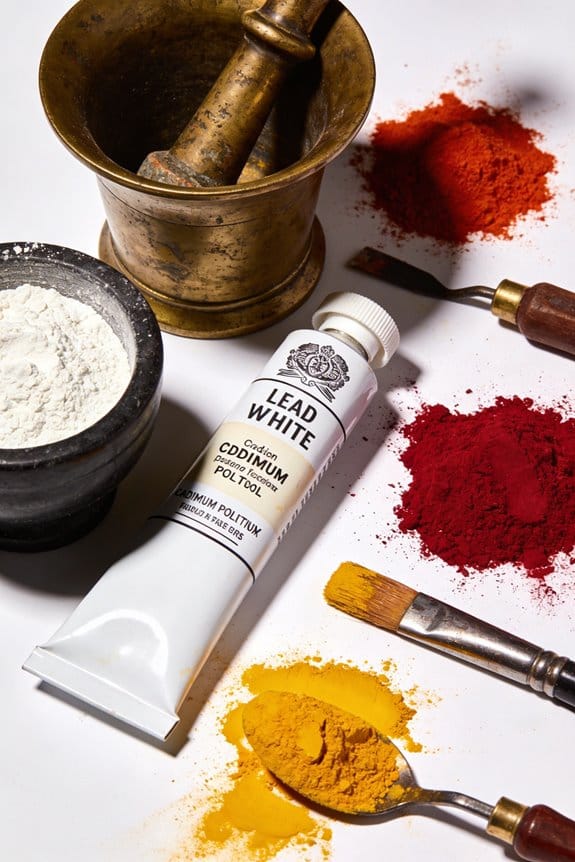
Understanding Toxicity in Historical Pigments Like Lead White and Cadmium

When we explore historical pigments like Lead White and Cadmium, we find vibrant colors but serious health risks. Lead White can lead to cognitive deficits, while Cadmium is a known carcinogen. Safety measures are essential; wearing gloves and masks during use is important to protect ourselves. As we shift towards synthetic pigments, safer alternatives are available, such as titanium white. There’s much more to learn about safe practices and disposal methods for these pigments.
Key Takeaways
- Lead White and Cadmium were popular historically for their vibrant colors but pose significant health risks, including lead poisoning and cancer.
- Chronic exposure to Lead White can result in cognitive deficits and fatigue, thus raising awareness of its dangers.
- Cadmium is recognized as a carcinogen, necessitating strict safety guidelines in modern art practices to minimize exposure.
- Transitioning to synthetic pigments and organic alternatives helps mitigate health risks associated with traditional toxic pigments.
- Proper disposal methods for toxic residues are essential to prevent environmental contamination and health hazards for artists and the public.
Cadmium: The Bright Side of a Dangerous Metal
You may be interested



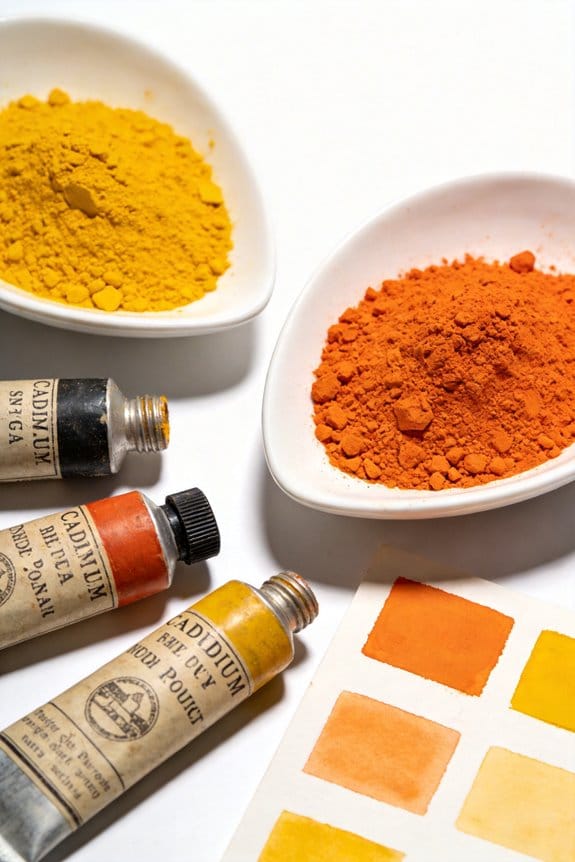
Have you ever wondered about the colorful world of art supplies and the hidden risks that come with them? Cadmium, often labeled a dangerous metal, actually has a rich history in pigments. Discovered back in 1817, it gained fame in the 1830s, especially for its striking yellow pigments that artists have loved ever since.
Modern artists often reach for cadmium red and cadmium yellow because of their vivid hues and long-lasting effects. But this isn’t without concern. You should definitely be aware that cadmium can have some health risks if you’re exposed to it at high levels. So, what’s the balance here? Many creative folks still use these pigments, but it’s crucial to follow safety guidelines during handling to stay protected.
You might want to explore some non-toxic alternatives as well, especially with all the buzz around safer materials like lead white. It’s good to know your options so you can appreciate cadmium’s bright side without putting yourself at risk. After all, creating art should be a joyful experience, not one that makes you worry about your health, right?
In short, cadmium adds vibrancy to your palette, but always keep safety in mind. Have you thought about which pigments you’re using lately? Many artists complement their pigment choices with odorless paint thinner to reduce exposure to harmful fumes and maintain a safer workspace.
The Toxic Legacy of Lead White
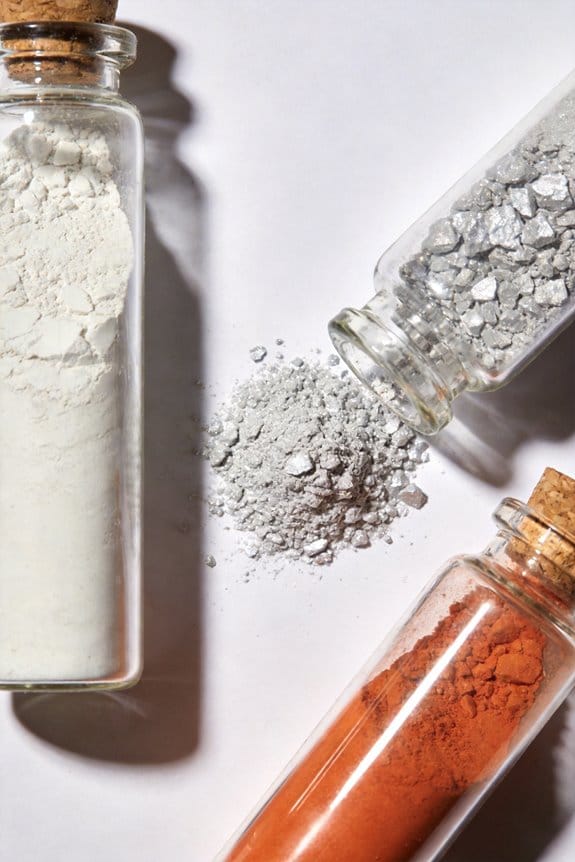
Artists have long turned to different pigments to bring their visions to life, but some choices come with hidden dangers. Have you ever thought about the actual materials you’re using? Lead White, a popular white pigment since ancient times, poses serious health risks. Chronic exposure to this toxic pigment can lead to lead poisoning, which can cause cognitive deficits and fatigue. Historical heavyweights like Michelangelo and Van Gogh are believed to have suffered these effects.
So, why does this matter? As awareness of Lead White’s toxicity grew, its use dipped in the late 19th century, making way for safer alternatives in artists’ supplies. Today, even though it’s mostly banned in household paints, artists can still access Lead White. That brings up a tough question: should you stick to traditional pigments that might put your health at risk?
When you’re standing in front of those canvases, consider your health alongside your passion for creativity. It’s a balancing act. The best part is there are plenty of safer options out there that can still deliver stunning results, so you won’t be sacrificing artistry for safety.
Additionally, choosing the right art easel with features such as stability and material quality can further protect your workspace from accidental exposure to hazardous materials.
To wrap it up, the journey of an artist means making informed choices about your materials. What will you choose for your next masterpiece?
Understanding the Health Risks of Lead and Cadmium
Have you ever thought about the materials you’re using in your art? It’s crucial to be aware of the hidden dangers, especially when it comes to pigments like lead and cadmium. These aren’t just random terms you might see in an art supply store; they can have serious consequences for your health.
Lead white is one of the most toxic pigments out there. Chronic exposure can lead to some pretty troubling health issues, such as neurological damage and chronic fatigue. Artists who frequently use lead-based pigments might notice cognitive problems develop over time. It’s a harsh reality, but understanding this can empower you to make safer choices.
Cadmium is another pigment on the radar for health risks. It’s recognized as a carcinogen and can cause severe respiratory issues if exposure goes beyond safe limits. The threshold to keep in mind? Anything over 2.5 µg per kg weekly can lead to kidney damage or lung disease. So, why does this matter? It’s not just about art; it’s about your well-being too.
You need to be aware of these concerns, especially with regulatory changes likely coming down the pipeline. There’s increasing scrutiny on lead and cadmium, which could lead to bans—particularly in products meant for kids. The art world is waking up to this issue, and it’s high time you took safety seriously while expressing your creativity.
In short, be mindful of the materials you choose and their potential health risks. Using safer alternatives, such as non-toxic acrylic mediums, can help protect your health without compromising your artistic vision. Are you ready to take steps toward a safer art practice? Engaging with your craft shouldn’t come at the cost of your health.
Artistic Practices in Handling Historical Toxic Pigments
Working with historical toxic pigments can be a real challenge, especially when you consider the health risks involved. For example, Lead White and Cadmium Red are often sought after for their unique qualities, but they also come with serious health concerns. You’ve got to be cautious.
Here’s the trick: always wear gloves and a mask when you’re handling these colors. It’s not just a suggestion; it can really reduce the chances of getting sick from inhaling or touching these pigments. Think about it—many artists from the past didn’t know how dangerous these substances could be, and safety wasn’t always their priority. So, why take that risk now?
When it comes to cleaning up, make sure you seal any waste in containers. Don’t skip this part. Check out your local regulations regarding hazardous waste disposal. Taking these simple steps can help protect both you and the environment, making your creative process more enjoyable. Choosing non-toxic mediums and safer solvent alternatives can further minimize risks during your painting sessions.
How Natural Pigments Became Synthetic
Have you ever wondered how artists managed to create such vibrant colors in their work before the modern-day pigments we use today? It’s fascinating to think about the journey from natural to synthetic pigments. While many artists relied on natural materials in the past, the 19th century brought some significant advancements that shifted everything. This was the era when synthetic pigments started popping up as alternatives to natural ones.
Colors like lead white and vermilion were replaced by options like cadmium yellow and cadmium red. These new pigments not only gave artists access to brighter and more durable colors, but they also helped address some serious health concerns. You might be surprised to know that many natural pigments were pretty toxic. This transition allowed artists to explore their creativity without the constant worry about their health.
Evolving safety standards in artist materials played a big role in this shift. Now, artists are encouraged to choose less hazardous options, which is a huge relief for anyone who spends hours immersed in their craft. The best part is, many of today’s synthetic pigments are designed to be kinder to the environment, too. This means we can express our creativity with more than just colors; we can also prioritize our health and safety.
One example of these improvements is the development of refillable and solvent-free paint markers that minimize harmful exposure while providing brilliant and lasting colors.
So, why does this matter? It’s all about creating safely while leaving your artistic mark. Next time you’re at the art supply store, consider reaching for those modern pigments without the toxic side effects. Honestly, it just makes sense to embrace the options that put your well-being first. Why stick with harmful colors when you can explore a bright, beautiful palette that’s also safe?
In a nutshell, understanding this shift in pigments opens up a world of possibilities for your art. What colors are you excited to try next?
Current Regulations on Toxic Art Pigments
Navigating the world of art supplies can be a bit tricky, especially when it comes to the safety of the materials you use. Ever wondered what regulations are in place for toxic pigments? The U.S. has the Labeling of Hazardous Art Materials Act from 1988, which requires that all hazardous art materials come with safety data sheets. This is crucial for understanding health risks associated with certain colors, especially those containing cadmium or lead.
In the European Union, things are quite a bit stricter, particularly concerning materials for kids. For example, authorities there limit harmful substances in art supplies to protect younger artists. Minnesota recently took bold action by banning cadmium paints altogether, indicating a shift toward more protective regulations. So, why does this matter? Well, the European Chemicals Agency classifies cadmium as carcinogenic, which means we might see complete bans on cadmium in artist paints in the near future.
The good news is that many modern pigments are now shifting towards safer alternatives. When you’re washing your brushes, it’s comforting to know you’re doing your part to minimize exposure to these toxic materials. It’s also important to select painting products that are non-toxic and have safety certifications to ensure child-safe use.
Responsible Practices for Using Cadmium and Lead
Ever thought about the risks that come with using cadmium and lead in your art? These vibrant pigments have their perks, but safety should really come first. Cadmium can be quite dangerous, with serious health risks linked to it, including cancer. So, when you’re airbrushing, always make sure to wear protective gear. It’s a must to avoid inhaling or ingesting these toxic materials.
When it comes to lead white, it’s best to handle it with care too. Truth is, lead can cause cognitive deficits, and that’s not something we want in our lives, right? Here are some tips for working safely with these materials:
- Always wear gloves and a mask in your workspace.
- Store any leftover paint in sealed containers to keep it out of reach.
- Check with local waste services to understand safe disposal practices.
Isn’t it reassuring to know there are steps you can take to protect yourself while still getting to enjoy those beautiful colors? Regularly reviewing your painting habits can go a long way in ensuring your safety. By staying informed about the materials you use, you can love their vibrant qualities while keeping the risks at bay. Using protective materials such as acid-free mat boards can also help preserve the safety and integrity of your artwork and workspace.
In short, be smart about how you work with cadmium and lead. What steps will you take to create a safer workspace?
Proper Disposal Methods for Toxic Paint Waste
When you’re working with toxic paints, it can feel a bit overwhelming, especially when you think about how to dispose of them properly. You definitely don’t want to wash brushes or leftover paint down the sink. Instead, the best move is to transfer any paint residue onto rags or paper towels.
What about used solvents and contaminated rags? Here’s the trick: they can’t just go in the regular trash bins. You need to keep them in sealed, sturdy containers for safe waste storage. Don’t forget to contact your local waste disposal services to find out about specific rules for disposing of cadmium and cobalt waste—these guidelines can change from one place to another.
Frankly, it’s important to be aware of local regulations. Did you know that Minnesota recently banned cadmium-containing art paints? It shows just how crucial it is to stay informed.
A smart tip? Limit how much paint you use in the first place. Not only does it cut down on waste, but it also simplifies the disposal process, making it safer for everyone involved.
Additionally, selecting appropriate hardware weight capacity when hanging framed artwork can prevent accidents and damage when handling hazardous materials.
Safe Alternatives to Toxic Pigments
Have you ever thought about what’s really in those vibrant pigments you use? It turns out, some of them can be pretty harmful not just to our health but also to the environment. Thankfully, you can swap out those toxic options for some safe alternatives that still deliver on quality and color.
For instance, if you’re currently using Lead White, consider making the switch to titanium white. It’s safe to handle and gives you that same opacity without the risks. When it comes to cadmium, try opting for organic pigments or vibrant aero dyes instead. They offer those eye-popping colors without the harmful effects.
You might be wondering about warmer tones. Natural earth pigments created from minerals can serve as excellent replacements for those toxic choices. Plus, synthetic substitutes like synthetic ultramarine can give you a range of shades while keeping health concerns at bay.
Don’t forget, eco-friendly brands are now producing non-toxic acrylics and watercolors that closely mimic traditional colors. The best part is that these safer alternatives are not just good for your health—they’re also more sustainable for our planet. Additionally, using non-toxic and eco-friendly formulations like walnut oil mediums improves safety without compromising artistic quality.
Frequently Asked Questions
How Are Historical Pigments Tested for Toxicity Today?
Like detectives in a mystery, we utilize analytical methods and safety protocols for toxicity testing of historical pigments. By adhering to regulatory standards, we perform cadmium analysis and educate artists about environmental impact and lead white risks.
Can Artists Still Use Lead White Safely?
While we can still use lead white, artist safety demands modern precautions like ventilation systems and protective gear. We prioritize toxicity education, responsible sourcing, and explore alternative whiteners while understanding lead white’s historical context.
What Alternatives to Cadmium Pigments Exist?
Just as a garden flourishes with diverse blooms, we can explore eco-friendly pigments, from natural colorants and plant-based pigments to synthetic alternatives and low VOC paints, offering vibrant, non-toxic options for our creative endeavors.
How Did Historical Practices Differ From Today’s Safety Standards?
Historical practices often lacked regulations on material sourcing, artist education, and safety perceptions, resulting in toxic exposure. Pigment storage methods were rudimentary, contrasting sharply with today’s stringent industry standards and awareness of environmental impact.
What Are the Symptoms of Cadmium Poisoning?
Oh, the joys of cadmium exposure! We might experience symptoms like nausea, headaches, and lung issues. Chronic health effects could linger, while detection methods and treatment options are essential for mitigating those occupational risks and environmental impact.


