As an Amazon Associate, we earn from qualifying purchases. Some links on this site are affiliate links at no extra cost to you. Our recommendations are based on thorough research and editorial judgment.


Storing Finished Artwork: Protecting Paper and Canvas

When storing finished artwork, we should make certain it’s done properly for lasting preservation. Paper art benefits from being wrapped in glassine paper and stored flat in acid-free portfolios, while canvases need clean cotton fabric and bubble wrap for protection. A cool, dry, and dark space is key, with ideal humidity around 55%. We must avoid plastic, which can stick to paint, and regularly check our inventory to guard against damage. There’s more to learn about specific storage techniques and tools.
Key Takeaways
- Store artwork in a cool, dry, and dark environment to prevent moisture and light damage.
- Wrap paper artworks in glassine paper and canvases in clean cotton fabric for added protection.
- Use bubble wrap for canvases to guard against physical damage during storage.
- Organize and label artworks for easy identification, and maintain an inventory for tracking.
- Regularly inspect stored pieces for signs of damage and ensure humidity levels are around 55%.
How to Ensure Proper Art Storage for Longevity?
You may be interested

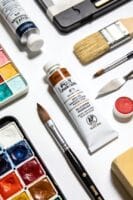
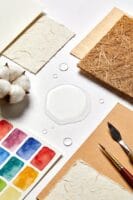
Have you ever thought about how to keep your finished artwork looking stunning for years to come? Protecting your art isn’t just about hanging it up; it’s about how you store it too. Here are some essential art storage tips that can make a world of difference.
First things first, aim to store your artworks in a cool, dry, and dark place—think around 55% humidity. Fluctuations in temperature and moisture can really harm your pieces over time. Ever walked into a room that felt stifling or damp? Imagine what that does to your art.
Now, when it comes to protecting your pieces, using the right materials is important. For drawings, glassine paper is great. It’s smooth and helps to shield your work from dust and moisture. If you’re dealing with canvases, clean cotton fabric is your best friend, and I’d recommend wrapping that in bubble wrap afterward. Just a heads up—keep plastic away from the paint to avoid any sticking issues.
Another tip? Store your artwork vertically. It improves air circulation and keeps everything flat, which helps prevent bending or warping. Think of it as giving your art some room to breathe.
Don’t forget to keep an inventory of your pieces, including details like title and medium. Keeping track of them will help you notice any damage early on. Regularly checking in on your artwork is a simple way to catch anything before it becomes a bigger problem.
Additionally, using acid-free mat boards can significantly help preserve the integrity of your paper artworks over time.
Recommended Products

THIS IS FORA PACK OF 100 MATS WITH Acid Free Backing Boards and Self-Seal Crystal Clear Bags , Featuring a picture opening for a 20x24 inch photo, to fit in a 22x28 inch picture frame. Photo openings are beveled cut 0.5" smaller than the art size advertised to overlap the photo and help keep it securely in the frame.

THIS IS FORA PACK OF 100 MATS WITH Acid Free Backing Boards and Self-Seal Crystal Clear Bags , Featuring a picture opening for a 18x24 inch photo, to fit in a 22x28 inch picture frame. Photo openings are beveled cut 0.5" smaller than the art size advertised to overlap the photo and help keep it securely in the frame.

How to Make Your Artwork Last Longer?
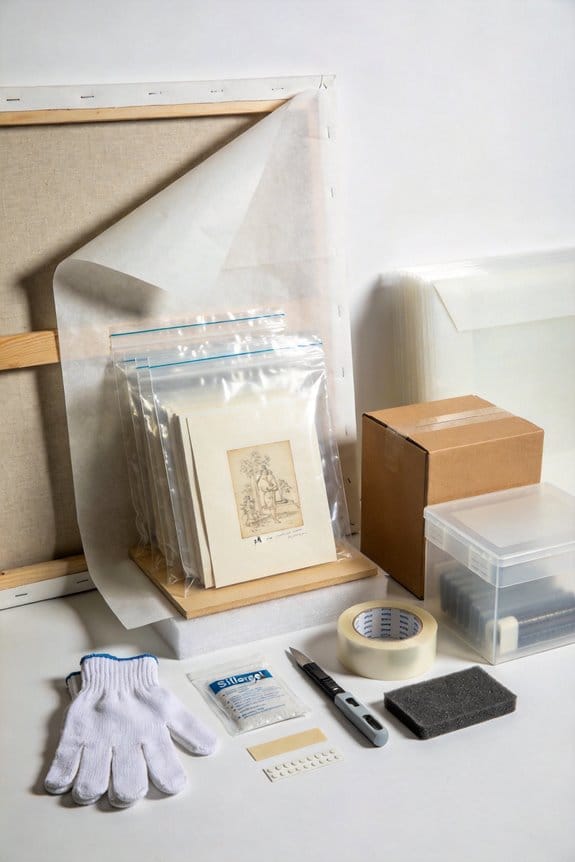
How can you keep your artwork vibrant and intact for years to come? It can feel tricky, but with the right care and storage, you can definitely extend the life of your pieces.
First off, it’s wise to find a cool, dry, and dark spot to store your art. Think about it—stable temperature and humidity really matter. Aim for around 55% humidity to avoid problems like warping or fading. For works on paper, consider wrapping them in glassine or acid-free paper. If you’re dealing with canvases, clean cotton fabric followed by bubble wrap is your best bet. Just one key thing: keep any plastic away from the paint. It’s a simple step that can save you a lot of headache later.
Regularly checking your stored artworks for signs of damage is crucial. Do you ever find mold or fading creeping in? Addressing those issues quickly can save your art. An organized inventory helps, too. It’s not just about keeping track of where everything is; it can also remind you of the details of each piece. Using airtight containers for storing paint and supplies can further protect your artwork materials from drying out and contamination.
Recommended Products

Polychromos Artists' Color Pencils are available in 120 colors that are part of a unique color matching system - encompassing all Faber-Castell Art & Graphic products. They contain the highest quality pigments for unsurpassed lightfastness, which is rated on each pencil. They have a buttery smooth color laydown and can be easily blended for layered effects, highlights and transitions. Thick 3.8mm leads are break and water-resistant, smudgeproof and provide permanent, rich color. Provides sh

14x14 Photo Mat With Bevel Cut Circle Opening for 10x10 Photos

AMPLE ARTWORK STORAGE: Open the frame door, pop in the newest creation, then close the door to professionally and proudly display your child’s hard work… much to their delight! Hold up to 50 items in each frame, including bulky 3D art. Perfect for showcasing the endless stream of masterpieces from your budding Picasso, while creating an organized and stylish time capsule of their progress.
What Risks Does Improper Artwork Storage Pose?
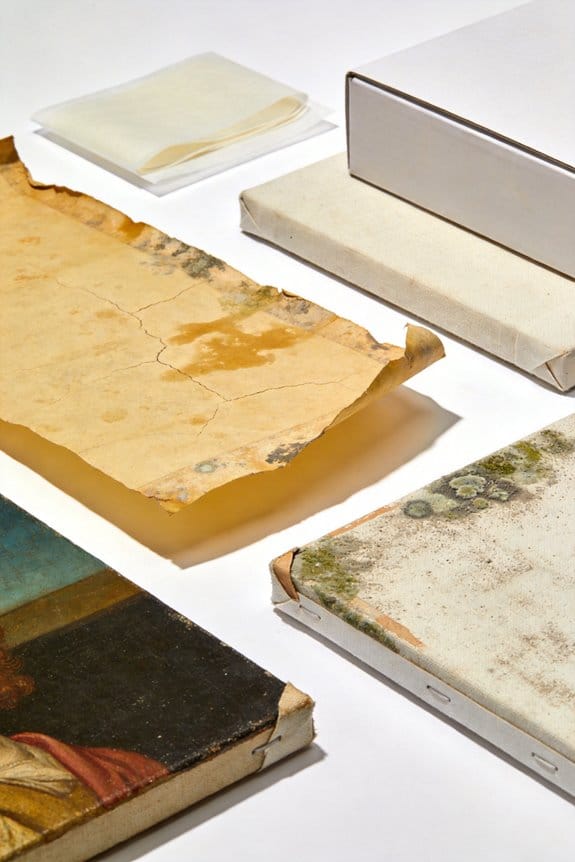
Have you ever thought about how you store your artwork? It might seem like a small issue, but improper storage can seriously damage your precious pieces. For example, if there’s too much moisture in the air, mold can start growing, ruining both canvas artwork and paper pieces. Nobody wants to see their hard work covered in mold, right?
Dust can be another sneaky enemy. It might look harmless, but over time, it can really wear down finishes on your artworks. And if you’re wrapping pieces up carelessly, you risk scratches and creases that are hard to fix. So, what can you do to keep everything safe? Keeping your storage area at around 55% humidity is a good start to prevent warping and deterioration.
You’ll also want to think about light exposure—specifically, UV light. It’s known to fade colors and degrade the medium of your paintings over time. What’s the point of creating something beautiful if it loses its luster?
And let’s not forget about organization. If you don’t keep your artwork arranged well, there’s a good chance you’ll misplace something valuable. This can threaten both the integrity and the value of your pieces.
Additionally, using proper storage solutions like freestanding or wall-mounted racks can help keep artworks safe and organized in small spaces.
To wrap it all up, protecting your artwork from these risks is crucial if you want it to last. So, how are you planning to safeguard your treasures?
Recommended Products

ULTIMATE PITT PEN GIFT SET - The perfect gift for the true art lover! This complete PITT Pen set contains 90 separate pens in 60 colors and a variety of nib styles (Every Fineliner, Metallic, Calligraphy and Brush Pen is inside).

Archival Storage Solution: This artist portfolio offers an archival storage solution with 20 crystal clear sleeves and acid-free divider sheets, ensuring your valuable artwork remains pristine and well-organized

LIT DRAWING SURFACE: Artist drawing accessory features a 24 x 17-inch lit surface with adjustable brightness from 1,000 to 5,000 LUX; Includes soft, protective storage pouch for easy transport
Which Storage Solutions Work Best for Your Art?
How should you store your artwork to keep it safe? This is a question every artist faces at some point. For oil paintings and fine art, a climate-controlled storage unit can be a lifesaver. Keeping temperatures stable prevents damage that heat and humidity can cause, which is vital for preserving those beautiful pieces.
When it comes to artwork on paper, things get a bit trickier. You’ll want to use acid-free materials or glassine to shield them from moisture and fading. Flat files or archival portfolios are fantastic options for storing paper artworks since they protect them from dust and creasing. Plus, they keep everything nice and organized. So, how do you keep your stretched canvases safe? Store them vertically with padded separators. This helps avoid any pesky abrasions—trust me, you don’t want that!
Labeling is also key. It might seem simple, but proper labeling can make a huge difference in keeping track of your pieces. When you need to find something quickly, it’s a lifesaver. For transporting and storing flat artworks, a well-made art portfolio case with waterproof vinyl mesh offers protection against moisture and daily wear.
Recommended Products
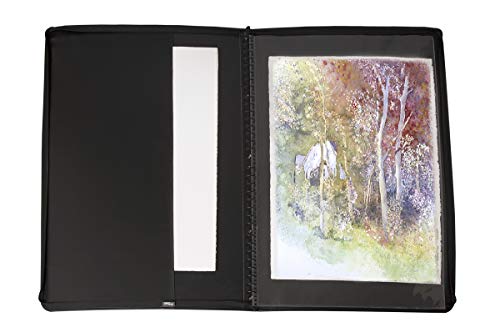
This soft and padded leather-like textured durable cover case has a slim profile that takes up less space than most three-ring binders, and doesn't fold on itself

THICK, WARM WHITE CARDSTOCK – Accent Opaque cream-colored medium cardstock paper offers a warm shade and super smooth near matte finish It’s premium cardstock paper with excellent printability, proper ink holdout & minimal show-through for vibrant prints

Archival Storage Solution: This artist portfolio offers an archival storage solution with 20 crystal clear sleeves and acid-free divider sheets, ensuring your valuable artwork remains pristine and well-organized
How to Effectively Document Your Art Inventory?
How do you keep track of all your artwork? It can feel overwhelming, right? The first step is to document every piece you create. Make sure to note down the title, dimensions, medium, and where it’s stored. Taking photos of each artwork from different angles is also smart—it really helps when you need to identify them later.
Try this: keeping everything organized will save you a lot of headaches later. Knowing where every piece is can prevent unnecessary stress when you’re preparing for an exhibit or need to find something. Plus, you’ll have a clearer picture of your entire collection.
Using digital inventory management systems can make your life so much easier. Tools like Artwork Archive are user-friendly and allow you to quickly update details on new acquisitions or any sales. Honestly, when you have a solid inventory, it not only boosts your professionalism but also protects the value of your art.
And here’s the trick: documenting each artwork isn’t just about organization; it’s also a form of respect for your work. It shows how committed you are to your craft while helping you stay on top of everything. Additionally, understanding the color range and quality of your mediums can help you accurately describe and reproduce the artwork when necessary.
Frequently Asked Questions
What Is the 70/30 Rule in Art?
Artistic balance beckons! The 70/30 rule guides our creative process, emphasizing that 70% of an artwork’s visual harmony comes from the subject, while 30% enhances composition techniques and enriches our artistic expression.
How to Store Completed Art?
To store completed art, we should prioritize archival storage with protective sleeves, ensuring flat storage for paper. Let’s maintain proper temperature control and humidity levels to preserve our creations for years to come.
How to Protect Paper Artwork?
To protect paper artwork, we should use acid-free storage, control humidity, and minimize light exposure. Employing proper framing techniques and archival materials guarantees our pieces remain safe and preserve their beauty over time.
How to Store Art Supplies and Paper?
To store our art supplies and paper, let’s prioritize efficient labeling and use acid-free storage solutions. Organizing materials properly guarantees longevity, while maintaining a cool, dry crafting workspace protects our creativity from degradation.


