As an Amazon Associate, we earn from qualifying purchases. Some links on this site are affiliate links at no extra cost to you. Our recommendations are based on thorough research and editorial judgment.

How to Organize a Small Art Space for Maximum Efficiency

To organize a small art space effectively, we should first categorize our supplies by grouping similar items together, like paints and brushes. Labeled containers can help streamline access. Next, we can get creative with storage solutions, using vertical shelving or repurposed jars. Establishing a daily cleanup routine of just 10 to 15 minutes keeps our space tidy. A clean workspace enhances our focus and creativity. If we continue on this journey, we’ll discover more tips to optimize our art space efficiently.
Key Takeaways
- Group similar art supplies together and use labeled containers to ensure quick access and smooth workflow in your small space.
- Utilize vertical space by incorporating wall-mounted shelves and storage carts to keep the floor area clear and organized.
- Set aside daily time for tidying up, ensuring your workspace remains clean and promotes creativity and focus.
- Implement adjustable organizers to customize storage according to your supplies, enhancing accessibility and reducing clutter effectively.
- Engage with community challenges or discussions for fresh organizational ideas that can inspire creativity and keep your workspace inviting.
Why an Organized Art Space Boosts Creativity
You may be interested



Have you ever sat down to create art and just felt overwhelmed by the mess around you? It can be hard to tap into your creativity when your art space is cluttered. When everything’s disorganized, it makes it tough to find your supplies, and you waste precious time digging around instead of actually creating.
When you take the time to organize your space, things just flow easier. A tidy setup allows you to quickly grab your oil paints or brushes, so you can get right into your work. Plus, when everything has its own spot, you don’t feel that chaos creeping in, which really helps you concentrate. You might be surprised at how much your mood improves when you can see your workspace clearly!
Here’s a trick: set aside a little time each week to tidy up. It doesn’t have to be an all-day event—just a few minutes can make a world of difference. You’ll be ready to dive into your next project without feeling bogged down by a messy environment.
Now, don’t get me wrong—sometimes a bit of organized chaos can fuel creativity too. Exploring new techniques and styles can happen when you allow a little mess. The trick is finding that balance between having everything in its place and leaving room for spontaneity.
One way to keep your supplies neatly arranged while maintaining mobility is to use a rolling utility cart designed with adjustable compartments and sturdy wheels.
Ultimately, when your art space is organized, it enhances your creative process. You can focus on making art without distraction. So, how might an organized space change your art-making routine?
How to Categorize Your Art Supplies Effectively

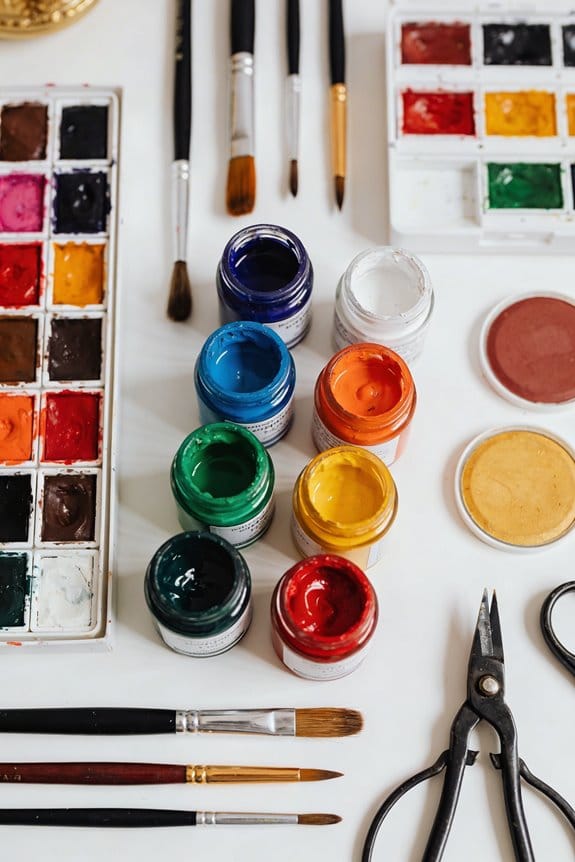
Is your art space overflowing with supplies that you can’t seem to find when you need them? It’s frustrating, right? The good news is that organizing your supplies can lift that burden. Start by grouping similar items, whether it’s paints, brushes, or colored pencils. Use labeled containers so you know exactly where to find what you’re looking for.
Another tip? Color-coding your supplies can be a real time-saver. It’s an easy way to spot items quickly. You can even get creative with storage by using repurposed containers like old jelly jars or mugs. Not only does this add a personal flair, but it’s also budget-friendly!
Make sure to carve out specific areas for the tools you use most often. This way, they’re right at your fingertips when you’re in the flow of creating. And here’s the trick: every now and then, take a moment to check your supplies. Regularly evaluating helps you keep things fresh, and it’s a good excuse to toss out broken or unused items. After all, nobody wants clutter getting in the way of their next masterpiece!
When everything’s organized, you’ll find that your art-making sessions are more enjoyable and productive. Why not take the time to get your space sorted today? It could lead to new sparks of inspiration that you didn’t see coming! Also, consider investing in products with break-resistant leads to ensure your colored pencils last longer and reduce frustration during creative work.
Get Creative With Storage Solutions for Small Workspaces

Organizing a small art workspace can definitely feel overwhelming at times. But don’t worry—there are plenty of creative storage solutions that make it a whole lot easier. One thing you can do is take advantage of vertical space with wall-mounted shelves. Not only do they provide extra storage for supplies, but they also keep your floor area feeling open and inviting, which is so important in a small space.
Consider getting a bit crafty with repurposed items, too. Jars and baskets are perfect for organizing tools and paints. Just think about how nice it would be to see everything you have at a glance! Plus, if you’re looking for flexibility, mobile organization carts are a fantastic choice. They let you easily move materials closer to where you’re working—whether that’s by a sunny window or a cozy corner.
And here’s a clever tip: hanging shoe organizers can work wonders for small items. They can be set up on the wall and provide an efficient way to store everything from brushes to sketch pads. So, why does this matter? With the right storage solutions, your workspace can become more efficient, and you’ll find it easier to unleash your creativity.
In short, transforming your small workspace doesn’t have to be a chore. By incorporating these simple ideas, you can create a functional and organized haven for all your artistic endeavors. What creative storage solutions have you tried in your own space? For versatile organization, consider customizable compartments that adapt to your various art supplies and keep everything neatly in place.
Establish a Quick Daily Cleanup Routine
Have you ever stepped into your art space and felt overwhelmed by the chaos? A messy area can make it hard to feel inspired. Establishing a quick daily cleanup routine doesn’t take much time—just 10 to 15 minutes—and it can transform how your workspace feels.
One easy way to keep things organized is to set aside this little chunk of time each day. Start by putting away your supplies and using some effective cleanup strategies. A simple checklist can be a lifesaver, guiding your process and ensuring you don’t forget anything important. Set a timer to keep yourself on track and maintain that sense of urgency that often boosts focus.
Consider having a designated “clean workspace” to help you reduce clutter. It’s amazing how much easier it is to clear off this area at the end of the day. When everything has its place, it makes for a much more inviting space for your next creative project.
Truth is, resetting your art space daily isn’t just about tidiness; it’s about motivation. A small daily effort can lead to big rewards on your artistic journey. So, why not give it a try? You might just discover how refreshing an organized space can feel. What’s your favorite way to keep your creative area tidy?
Using non-toxic materials and maintaining an orderly environment can also enhance your creative projects by ensuring safety and ease of use.
Seasonal Cleanouts: Control Clutter During Art Projects
Is your art space starting to look like a tornado hit it? Keeping things tidy every day is great, but seasonal cleanouts can really take your organization to the next level. Try making it a habit to evaluate your supplies at the beginning of each season. This not only helps keep clutter at bay but also gives you a chance to reassess what you really need for your upcoming projects.
After wrapping up big projects, dedicate some time to a focused cleanup session. It really does make a difference when all your materials go back to their rightful places. As you’re sorting through everything, it’s a good idea to keep a checklist for any essential supplies you might need to restock. That way, you won’t find yourself scrambling to buy more paint five minutes before starting your next canvas.
So, how can you make cleanouts feel less like a chore? Consider teaming up with fellow artists for community challenges. You could motivate each other, share tips, and even get inspired by fresh organizational ideas. Keep your eyes peeled for different tools and storage solutions that other creatives use. When you work together, maintaining an organized art space doesn’t just become easier—it becomes more enjoyable.
To help easily transport and protect your supplies and artwork between sessions, consider investing in waterproof art portfolio bags designed for durability and organization.
To sum it up, regular cleanouts can help you stay organized and creative. How do you keep your art space neat?
How a Clean Workspace Enhances Your Art Practice
Is your art space cluttered and chaotic? If so, you might be missing out on one key factor that can boost your creativity: a clean workspace. An organized environment helps cut down on distractions and increases your artistic focus. When everything’s in order, it’s easy to grab the supplies or tools you need, and that can really ramp up your productivity.
Think about it: a tidy space gives you mental clarity. It’s amazing how much a clutter-free area can lower stress and create a sense of calm, allowing for that smooth artistic flow we all crave. You’re more likely to jump into those spontaneous art-making moments when you know your workspace is ready to go.
To keep your art area inviting, be sure to set a regular cleanup routine after you finish a project. This little habit not only keeps motivation high but also means you can quickly get back to creating without any delays. Consider incorporating an adjustable height easel in your setup to enhance both the display and organization of your artworks efficiently.
Mix Supplies for Creative Inspiration
Mixing supplies can really change the vibe of your art space. It’s amazing how combining different paints, collage materials, and even nature’s treasures can create a stimulating atmosphere that gets those creative juices flowing. Want a tip? Use clear storage solutions! They make it so much easier to see what you have on hand, which means you can dive into spontaneous projects whenever inspiration hits.
Rotating between different mediums—like acrylics one day and watercolors the next—can keep your creativity alive. Ever felt stuck in a rut? Mixing it up prevents that artistic stagnation that can sneak in. Plus, you can even incorporate your own artwork with your supplies. This not only personalizes your space but also fosters a sense of ownership that can inspire you to create more.
So, why does this matter? Engaging with mixed media techniques can really open doors to fresh ideas and practices. Think about it: every time you experiment, you’re expanding your artistic toolkit. And let’s not forget about the power of community. Joining art challenges allows you to collaborate, share motivation, and explore new styles together.
In short, by mixing supplies and getting involved with others, you can cultivate a creative environment that’s truly inspiring. What’s one new medium or technique you’ve been thinking about trying? For example, using dual-tip designs in paint markers can add versatility and enhance your creative projects.
Join Community Art Challenges for Organizational Insights
Are you struggling to keep your art space organized? Community art challenges might be just what you need to get things sorted out. These events are perfect for connecting with fellow creatives, sharing tips, and learning from each other’s successes and missteps.
When you join in, you’ll find innovative storage ideas that work within limited spaces. Many artists showcase how they manage their supplies efficiently, which can help you tackle that ever-growing pile of clutter. Participating in conversations with others can keep you motivated and accountable, leading to a tidier workspace.
Try this: think about how you categorize and repurpose materials. It can give your creative flow a boost and make it easier to find what you need when inspiration strikes. Plus, sharing both your wins and struggles builds a supportive network.
The best part is that you’re not alone in this. Honestly, everyone has their organizational pitfalls, and talking about them can inspire fresh solutions. So, as you dive into these challenges, consider what strategies resonate with you and how you can apply them to your own art space.
To optimize your setup, pay attention to organizers with adjustable compartments that can be customized to fit your unique supplies and space.
In the end, finding what works best for you can make a world of difference. Are you ready to explore new organizing methods for a more efficient creative environment?
Finding Balance Between Chaos and Organization in Art Spaces
How can you strike the right balance between chaos and organization in your art space? It’s a question a lot of us face. Finding that sweet spot can really boost your creativity. A bit of structure helps clear the mind, while some chaos allows for artistic flow.
To keep overwhelming chaos at bay, regularly take a look at your supplies. Try decluttering; only hang onto the materials you truly use and need. It’s amazing how much more focused you can be when you’re not wading through random items. Some simple, clearly labeled storage solutions make it easier to find what you’re looking for, saving you precious time when inspiration hits.
Think about adding aesthetically pleasing storage options, too. Not only do they help organize, but they can also turn those messy areas into attractive parts of your space. Establishing a consistent cleanup routine is key. If everything has a place, you can quickly grab what you need and dive back into creating without a hitch.
Designated spots for ongoing projects are also a must. This helps you maintain a productive balance between staying organized and feeling free to innovate. Utilizing storage boxes made from durable materials can protect your supplies while enhancing accessibility. So, what’s stopping you from transforming your workspace? Finding that balance can make all the difference.
Frequently Asked Questions
What Is the 70/30 Rule in Art?
The 70/30 rule in art means we should spend 70% of our time on artistic composition and 30% on maintaining an efficient layout in our creative workspace, balancing chaos with structure for maximum productivity.
What Is the 80 20 Rule for Artists?
The 80/20 rule for artists means our artistic focus should rest on the 20% of techniques that bring 80% of our creative balance. By embracing this productive mindset, we enhance both our work and inspiration.
What Is the 2 3 Rule in Art?
The 2 3 rule in art helps us achieve better composition techniques, guiding us to place focal points for color balance and visual hierarchy, enhancing the overall appeal and engagement of our artwork.
What Are the 5 C’s of Art?
The 5 C’s of art—clarity, composition, contrast, color, and craftsmanship—guide our creative process. By applying composition techniques and understanding color theory, we enhance our artwork’s effectiveness, making our vision clearer and more impactful for viewers.