As an Amazon Associate, we earn from qualifying purchases. Some links on this site are affiliate links at no extra cost to you. Our recommendations are based on thorough research and editorial judgment.


Hot Press vs. Cold Press Paper: Understanding Texture

When choosing between hot press and cold press paper, we notice key differences in texture and absorbency. Hot press paper is smooth and less absorbent, making it ideal for detail work and fine lines. Conversely, cold press paper has a slight texture that enhances vibrant color effects, perfect for expressive, loose styles. We often find that the right paper can make a significant impact on our artwork. Let’s explore how each type can suit our unique painting styles.
Key Takeaways
- Hot press paper has a smooth surface, ideal for detailed work and clean lines, while cold press paper features a textured surface that enhances color dynamics.
- Cold press paper’s absorbency promotes playful layering and softer edges, while hot press allows for precision in line work and color blending.
- The choice of paper affects techniques: wet-on-wet works well on cold press, whereas drybrush techniques shine on hot press paper.
- Texture influences the final artwork; cold press amplifies unique patterns, while hot press offers a polished look suitable for intricate designs.
- Understanding paper characteristics aids in finding an artistic style, as experimenting with both can expand creative expression and technique versatility.
Understanding Hot Press and Cold Press Paper
You may be interested


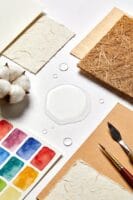
When diving into the world of hot press and cold press paper, you might wonder which one is right for you—especially when it comes to your art. Hot press paper, with its smooth surface, is fantastic for detailed work. If you’re into botanical illustrations or detailed architectural sketches, this paper helps bring your precise ideas to life.
On the flip side, cold press paper has that lovely slight texture. This texture isn’t just for show; it actually helps absorb paint better and creates natural patterns that add character to your work. So, if you enjoy expressive landscapes or want to experiment with brushwork, cold press might just be your best friend.
Here’s the trick: think about what feel you want in your artwork. Do you want clean lines and detail, or a more organic, textured vibe? Your choice of paper can really shape the look and feel of your watercolor paintings.
To put it simply, the differences between these papers can affect the depth and texture of your work. So, take time to explore both types. Each has its own personality, guiding your creative journey with every stroke. What kind of artwork are you looking to create?
Cold press papers typically have a 140 lb (300 GSM) weight, which provides a good balance between durability and ease of use for various painting techniques.
Key Differences Between Hot Press and Cold Press Paper
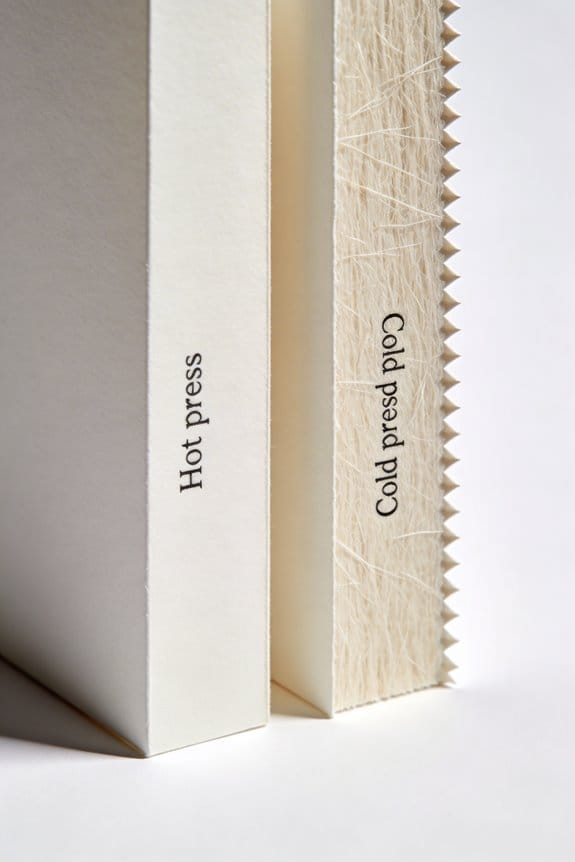
Have you ever found yourself stuck choosing between hot press and cold press paper for your artwork? It can be tricky! Each type has its unique qualities, and knowing the differences can help you pick the right one for your project.
Hot press paper has a smooth, flat surface, perfect for those detailed touches you want in your work. It’s less absorbent, which means your paint stays on top a bit longer, making blending colors a breeze. If you love to create crisp lines and fine details, this is your go-to option.
On the flip side, cold press paper has that familiar pebbly texture many artists adore. This texture not only adds character but also makes the paper more absorbent. So, if you’re trying to achieve natural granulation and softer edges, cold press is the way to go. It encourages bolder, more expressive techniques—perfect for those vibrant watercolor washes.
When choosing between them, keep in mind that cold-pressed textures often enhance versatility across various watercolor techniques.
So, what’s your style? If you’re after fine details, hot press might be the best choice. But if you want a more organic, textured appearance, consider reaching for cold press. It really boils down to the effect you want to create.
In the end, the right paper can make all the difference in your artwork. Have you tried both types? What’s your favorite?
Recommended Products

Versatile Surface Options: New York Central Watercolor Paper offers rough, cold, and hot pressed surfaces; This 100% cotton watercolor paper is ideal for watercolor, gouache, ink, and fluid acrylics

Prized Paper - The long fibers in Arches natural white 100% cotton watercolor paper provide timeless beauty and an inimitable touch; this rich water color paper for artists is available in 2 sizes and 3 revered textures: cold press, hot press and rough

Prized Paper - The long fibers in Arches natural white 100% cotton watercolor paper provide timeless beauty and an inimitable touch; this rich water color paper for artists is available in 2 sizes and 3 revered textures: cold press, hot press and rough
Benefits of Hot Press Paper for Detail Work

Working on detailed art can be challenging, especially if you really care about precision. That’s where hot press paper comes in. Ever wonder why artists swear by it for fine line work? Its super smooth surface makes paint application a breeze, allowing you to nail those intricate details without any hassle.
When you’re applying washes, hot press paper shines due to its lower absorbency. This gives you extra time to blend colors perfectly—no rushing needed! So, if you’re looking to make those precise adjustments, this paper can really help you achieve just that.
Another huge perk? The lack of texture means you get a clean, polished finish. That makes it a fantastic choice for botanical illustrations or architectural drawings. Frankly, if you’re striving for that flawless look, this is the way to go.
Now, lifting color might be a bit trickier compared to textured options, but don’t let that scare you. The forgiving nature of hot press paper means you can make corrections without worrying about ruining your piece. So, for those detail-focused projects, consider giving hot press paper a shot. What’s been your experience with different types of paper?
Additionally, preparing your surface with a suitable black gesso primer can enhance paint adhesion and durability, especially for mixed media works.
Recommended Products

3D PUFF HEAT TRANSFER VINYL - Our premium puff heat transfer vinyl gives a unique raised "puff" finish up from the garment when heat applied, transforming designs into a textured 3D look. Easy Puff provides a bold style that’s perfect for lettering and other large designs that can highlight the elevated effect

[Advanced PenTech 4.0] PenTech 4.0 delivers a 2g initial activation force, 16384 levels of pen pressure and ±60°Tilt Support. The smaller nib and tilt auto-alignment can help designer track the mouse and reduce parallax.

Benefits of Cold Press Paper for Expression
Have you ever stared at a blank canvas, wishing for the perfect paper to express your creativity? Cold press paper might just be what you’re looking for. Its textured surface features small dimples that amplify the beauty of watercolors, giving your art a unique flair. This kind of paper is especially great for creating depth and character in your pieces.
So, what makes cold press paper stand out? Here are some of its perks:
- The texture enhances granulation and soft edges, which are essential for those loose, flowing styles many of us love.
- It has a fantastic absorbency that lets paint sink in, capturing light beautifully to produce dynamic effects.
- This paper works well for both detailed techniques and spontaneous brushwork, making it versatile for all kinds of art projects.
If you’ve struggled with paint pooling on smoother papers, cold press might be your answer. It strikes a good balance between letting you layer washes without creating a mess. You can easily play around with colors and techniques, giving your artwork that free and expressive vibe.
Honestly, trying out cold press paper could be a game-changer for your watercolor skills. Why not give it a shot? You might find that it opens up a whole new world of artistic possibilities. So, are you ready to explore this textured beauty?
Additionally, many Arches watercolor papers utilize gelatin sizing, which enhances color vibrancy and prevents paint from seeping through.
Recommended Products

Premium Quality: The New York Central Watercolor Block is made on a slowly rotating cylinder mould, ensuring the best watercolor paper quality; It is ideal for both wet and dry media

Sirius Watercolor Paper, 7.8 oz (220 g), Pack of 50

Picking the Right Paper for Your Painting Style
How do you choose the right paper for your painting style? First off, think about the texture you want. Hot press paper has a smooth finish, making it ideal for detailed watercolor work. If you want to create crisp lines and blend colors easily, this is the way to go since it absorbs less paint.
Cold press paper, on the other hand, has a more textured surface that gives you that soft edge and lovely granulation. It’s perfect for more expressive styles. Plus, it absorbs paint quickly, leading to unique effects and depth that can really enhance your artwork.
So, which one should you pick? You might want to experiment with both types of paper to see what feels right in your hands and best suits your style. Remember, your final choice should reflect whether you’re looking for vibrancy or texture in your paintings.
Ultimately, it’s about finding what works best for you. Are you leaning toward smooth and refined or textured and expressive? Choosing the right paper also depends on the intended surface which helps in selecting the most effective materials for your watercolor techniques.
Recommended Products

Prized Paper - The long fibers in Arches natural white 100% cotton watercolor paper provide timeless beauty; this rich paper is available in 13 sizes and 3 revered textures: cold press, hot press and rough

Hot-Press - 300gsm, 55" x 11 yds.
Prized Paper - The long fibers in Arches natural white 100% cotton watercolor paper provide timeless beauty and an inimitable touch; this rich water color paper for artists is available in 2 sizes and 3 revered textures: cold press, hot press and rough
Combining Hot and Cold Press Techniques in Your Art
Have you ever felt torn between the smooth finish of hot press paper and the textured surface of cold press? It can be tough deciding which to use, but combining the two can lead to some incredible artwork.
Start with cold press paper for your initial layers. This type really enhances granulation and adds depth, giving your piece that rich, textured feel that makes colors pop. Then, when you’re ready to add those sharp details, switch over to hot press. Its smooth surface is perfect for final touches—you’ll see the difference in how clean and defined your lines become.
Here’s the trick: play with different techniques depending on the paper you’re using. For instance, try wet-on-wet techniques on cold press to create softer edges. It’s a fantastic way to blend colors and create dreamy backgrounds. On the other hand, drybrush effects on hot press can give you that polished precision you’re looking for.
So, why does this matter? Mixing these approaches allows you to tap into the best qualities of each paper type. You might just discover your own unique style along the way. Be sure to consider the paper weight as it significantly impacts water handling and technique success.
Frequently Asked Questions
Can I Use Cold Press Paper for Pencil Sketches?
Absolutely, we can use cold press paper for pencil sketches. The texture impacts sketch quality, allowing for unique pencil blending techniques, enhancing depth and richness in our artwork. It’s all about experimenting with materials!
How Does Paper Weight Affect Hot and Cold Press Performance?
Paper weight markedly affects performance, as heavier paper can enhance texture differences and support various mediums. We’ve found that choosing the right weight guarantees better compatibility, allowing both hot and cold press papers to excel in our projects.
Is One Type of Paper Better for Beginners?
We believe beginners might prefer cold press paper for its textured surface, making it easier to manage paint and reduce the learning curve. This paper texture can enhance their artistic journey, encouraging exploration and creativity.
What Medium Works Best on Hot Press Paper?
We’ve found that watercolor techniques shine on hot press paper, allowing for smooth washes. It’s also excellent for ink applications, while its acrylic versatility lets us create vibrant, detailed works that truly stand out.
Can I Mix Hot and Cold Press Papers in One Project?
Yes, we can mix hot and cold press papers in one project. By blending textures and utilizing different techniques, we can expand our creative boundaries and achieve unique results that elevate our artwork to new heights.


