As an Amazon Associate, we earn from qualifying purchases. Some links on this site are affiliate links at no extra cost to you. Our recommendations are based on thorough research and editorial judgment.

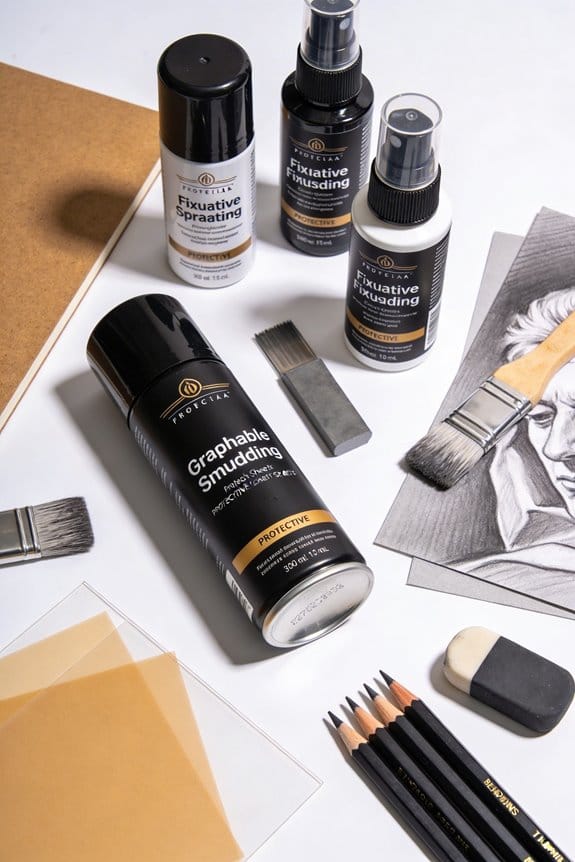
How to Keep Graphite Drawings From Smudging

To keep our graphite drawings from smudging, we can start by placing a clean sheet of paper under our drawing hand. Using harder pencils, like 4H or higher, also helps us create lighter lines that smudge less. We should consider using a mahlstick to elevate our hand and minimize contact with the paper. Finally, applying a fixative spray can protect our artwork. If we keep exploring techniques, we’ll find more ways to enhance our drawings and prevent smudging.
Key Takeaways
- Use hard pencils (4H or higher) to create lighter lines that smudge less than softer B pencils.
- Apply fixative sprays designed for graphite after finishing to protect against smudging.
- Place a clean sheet of paper under your drawing hand to avoid direct contact with the artwork.
- Utilize a mahlstick or keep your hand elevated to minimize contact while drawing.
- Store artwork with tissue or tracing paper in between to prevent rubbing and smudging.
Techniques for Keeping Your Drawings Smudge-Free
You may be interested
When you’re working with graphite, keeping your drawings smudge-free really matters. It’s frustrating to finish a piece only to see fingerprints and smudges ruining your hard work. So, what can you do? One effective trick is to place a clean sheet of paper under your drawing hand. This simple step keeps you from directly touching the paper and causing those pesky smudges.
You might also want to think about the type of pencil you’re using. Hard pencils like 4H or higher are great because they make lighter lines that smudge less than their softer counterparts, like B pencils. Honestly, it’s a small change that can make a world of difference.
Another helpful tool is a mahlstick or what’s known as an artist’s bridge. These tools work wonders by keeping your hand elevated, so it minimizes contact with your artwork. Plus, once you’ve completed your drawing, don’t forget to spray on some fixative. This locks in your graphite and ensures it stays put, reducing the chance of smudging later on.
And here’s a tip that often gets overlooked: wash your hands regularly while you draw. Oil from your fingers can easily transfer to the paper, which leads to unwanted smudges. So, a quick rinse can save you a lot of hassle.
Using blending tools like stumps and tortillions can also help manage graphite application and reduce smudging by controlling the spread of material.
In the end, keeping your drawings clean just takes a few simple habits. What are some of your go-to tips for avoiding smudges?
Recommended Products

Waterproof Spray: The Krylon Workable Fixatif Clear Spray provides waterproof protection for surfaces.

Krylon's Workable Fixatif is a must for protecting pencil, pastel, chalk, charcoal, conté crayon and India ink drawings

Highly concentrated fixative made from protective acrylic resin
Hand Positioning Strategies for Reducing Contact

Have you ever noticed how easily your drawings can get smudged? It can be really frustrating, especially when you’re trying to create clean lines. Fortunately, there are some hand positioning tricks that can help keep your work neat and tidy.
One simple yet effective method is to rest your pinky knuckle lightly on the paper. This minimizes unwanted smudging while still allowing you to control your lines. Adjusting your hand angle is also key; try to hold your hand in a way that avoids touching the areas you’ve already finished.
If you’re working on an inclined surface, consider switching to an underhand grip. This keeps your hand elevated and away from the paper. And if you’re really looking for stability, a mahl stick can make a big difference. Not only does it help lift your hand off the surface, but it also gives you the freedom to move your arm without smudging anything. Don’t have a mahl stick? No problem! You can easily make one from a broom handle or a yardstick. Using pencils with break-resistant lead can also reduce accidental smudging caused by lead breakage during drawing.
Selecting the Right Pencils to Minimize Smudging
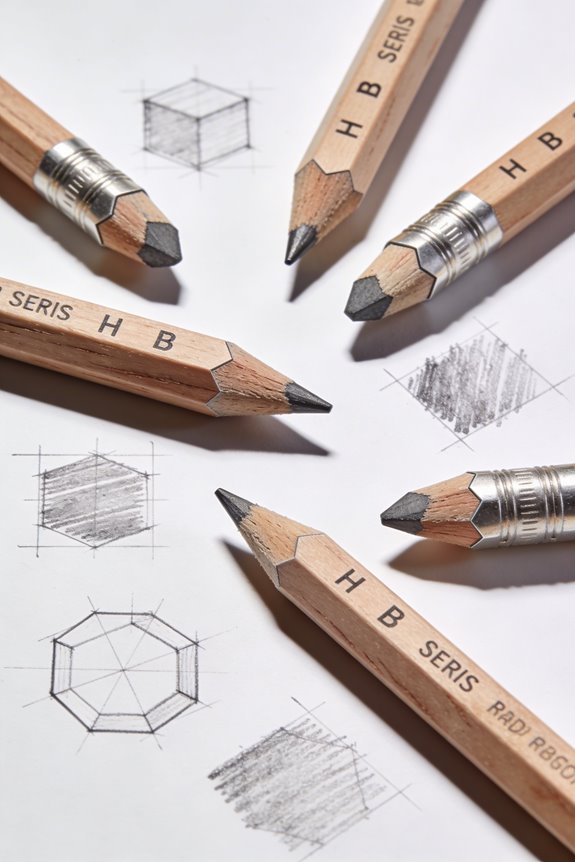
Selecting the right pencils can be a bit tricky, especially if smudging is something you want to avoid in your graphite drawings. You know those softer pencils, typically found in the B range? They’ve got a ton of graphite and can smear pretty easily. If you’re not careful, your drawings can end up looking messy.
Now, if you’re aiming for detailed pencil work, you might want to consider the harder pencils, like 4H and above. They might give you lighter shades, but the best part is that they don’t smudge as easily. So, when you’re working on those intricate details, harder pencils could really be your best friend.
Understanding the properties of each pencil type helps you figure out which one fits your shading needs. Here’s the trick: pay attention to the pencil you grab based on your drawing technique. That can make a real difference in how your artwork turns out.
Truth is, selecting your tools wisely helps extend the life and quality of your pieces. Using pencils with different hardness levels can help manage smudging and improve texture control. Which type of pencil do you think you’ll try next to cut down on smudging?
Recommended Products


TEACHER REQUESTED: You've asked for shorter pencils in the classroom, and now the perfect sized-pencil for young students is finally here; 4.5" Length delivers better control and promotes a more natural grip as recognized essential by experts in early learning handwriting.

Ticonderoga has a tradition of fine quality writing instruments in the US for over 100 years.
Applying Fixatives to Eliminate Smudging on Your Drawings
Applying fixatives can make a big difference in how you protect your graphite drawings from smudging. Ever found yourself frustrated after finishing a beautiful piece, only to see it smudge the moment you touch it? Using a fixative spray is a quick and effective way to keep your hard work intact. Just make sure you choose sprays that are specially made for graphite, charcoal, and pastel to get the best results possible.
Here’s the trick: if you want to keep creating after you spray, look for workable fixatives. They let you add more details without ruining your previous work. Once your artwork is completely finished, a final fixative application is crucial. It provides that extra layer of protection against not just smudging but also overall deterioration.
And just a heads-up—stay away from aerosol hair sprays. Truth is, they can cause yellowing and may damage your artwork over time, which isn’t how you want your creations to age. So, focus on high-quality fixatives; it’s worth the investment to keep your artwork looking fresh and vibrant! Proper storage and maintenance of your artworks after applying fixative further prevents damage and prolongs their longevity.
Recommended Products


It is very transparent, non-yellowing and resistant to aging.
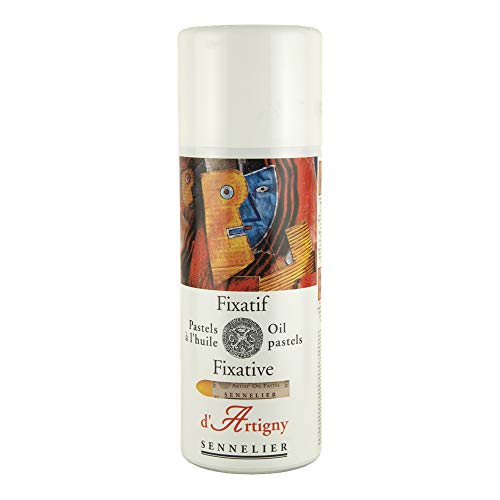
Made from a vinyl resin and alcohol base
How to Store Your Drawings Without Smudging Them
Are you tired of smudging your precious graphite drawings? It’s a real pain, right? Proper storage can make a big difference in keeping your artwork looking fresh.
Try this: place some tissue or tracing paper between each drawing. This simple step prevents those artworks from rubbing against each other. You might also want to think about clamping your drawings between acid-free boards. Not only does this keep them flat, but it also stops any shifting that could cause smudges.
If you need a bit more protection, using clear sleeves in a portfolio is a smart move. It keeps your art safe from anything that could scratch or damage the surface. And here’s a tip: don’t rush to frame your sketches right after you finish them. Give them time to cure in a safe space before putting them behind glass.
Using non-toxic paint formulations in mixed media projects alongside graphite can help ensure the safety and longevity of your artwork.
Keeping your graphite drawings in great shape doesn’t have to be difficult. A few thoughtful steps can go a long way in preserving your hard work. So, what’s your go-to way of safeguarding your art?
Recommended Products
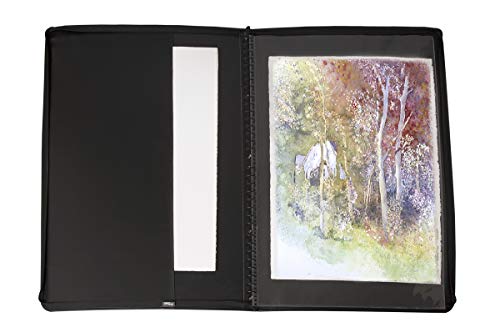
This soft and padded leather-like textured durable cover case has a slim profile that takes up less space than most three-ring binders, and doesn't fold on itself

Archival Storage Solution: This artist portfolio offers an archival storage solution with 20 crystal clear sleeves and acid-free divider sheets, ensuring your valuable artwork remains pristine and well-organized

Protective Tools to Keep Your Drawings Smudge-Free
Are you tired of smudging your beautiful graphite drawings? It’s frustrating, isn’t it? Keeping your art clean may seem tricky, but there are some handy tools that can really help.
A mahlstick is one of those tools that could make a difference. With its soft tip, it supports your hand and elevates it above the paper, cutting down on direct contact. Another great trick? Slide a clean sheet of tracing paper under your hand. This simple step protects unworked areas from those pesky smudges.
Don’t overlook the importance of skin oils, either. Wearing thin cotton gloves while you handle your drawings can minimize oil transfer and keep those drawings looking sharp. Oh, and if you want to hold paper in place, low-tack, acid-free masking tape works wonders to keep guards secure.
Using an artist’s bridge or even a sturdy ruler can help bridge the gap between your hand and the drawing surface. This keeps your lines crisp and your hand at a safe distance. So, why does this matter? It helps you maintain the precision you want in your work.
Additionally, having the right tools for precision can greatly reduce accidental smudging and improve your overall drawing experience.
To sum it up, keeping your graphite drawings smudge-free is totally doable with the right tools and a bit of practice. Have you tried any of these techniques, or do you have your own tips to share?
Recommended Products


Made Of varnished aluminum, this expandable mahl stick has a traditional leather covered cork end rest (not a cheap rubber tipped end)
Engaging With the Artistic Community for Shared Smudge Prevention Tips
Have you ever finished a graphite drawing only to find it smudged beyond recognition? You’re not alone! Keeping those artworks pristine can be a challenge, but engaging with fellow artists can really make a difference.
Sharing insights is key. For instance, many artists recommend using fixative sprays. These can work wonders to protect your work from unwanted smudging. You might want to discuss the different options available in online forums or social media groups. Some folks have great tips on whether freehand drawing or using guided tools works better for smudge prevention.
If you’re not sure what materials to use, local art supply stores often have the best recommendations. They can point you to the right protective sheets of paper and other supplies that can help preserve your drawings. Collaborative workshops are another fantastic way to learn; there’s something empowering about testing new techniques together.
Honestly, when you connect with the community, you can build a supportive space where everyone benefits from shared tips and tricks. After all, preserving that beautiful graphite finish is a common goal. Using non-toxic and safe materials like those found in professional oil paint sets can also inspire safer art practices in your studio. What strategies do you have for keeping your art smudge-free? Let’s keep the conversation going!
Frequently Asked Questions
How to Make Graphite Not Smudge?
To make graphite not smudge, we should practice graphite layering techniques, control our drawing pressure, compare eraser types for best results, and choose the right paper to achieve clean, smudge-free drawings.
Does Hairspray Stop Graphite From Smudging?
Hairspray’s effectiveness for smudge prevention is limited; it can offer some graphite protection but isn’t the best choice. We should explore alternative solutions for better long-term preservation and avoid potential damage to our artwork.
How to Spray Fixative on Graphite Drawing?
“An ounce of prevention’s worth a pound of cure.” When applying fixative, choose the right type, use light coats, allow ample drying time, and avoid common mistakes for an even, smudge-free graphite finish. We’ve got this!
What Spray Stops Pencil From Smudging?
For stopping pencil from smudging, we recommend using the best fixative brands like Krylon or Sennelier. Let’s look for archival quality options, apply in light layers, and choose between workable or final types for ideal results.


