As an Amazon Associate, we earn from qualifying purchases. Some links on this site are affiliate links at no extra cost to you. Our recommendations are based on thorough research and editorial judgment.

How to Safely Dispose of Used Solvents and Rags

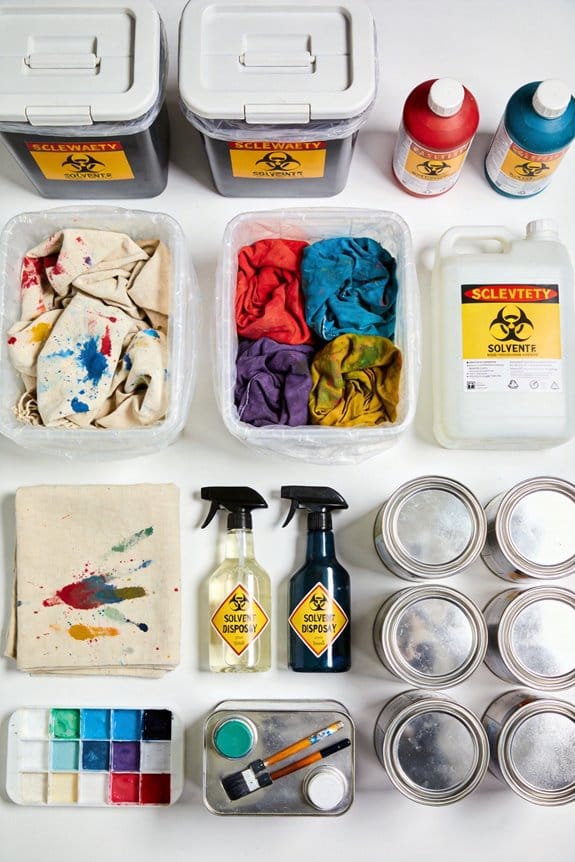
To safely dispose of used solvents and rags, we should first store them in closed metal containers with self-closing lids to reduce fire risks. Rags must be free of liquids before disposal to avoid hazardous waste classification. Use designated containers for these rags and keep waste records for compliance. Finally, consider eco-friendly options like commercial laundry services or waste-to-energy methods. Following these steps will help us manage waste properly, and there’s more valuable guidance ahead.
Key Takeaways
- Store solvent-contaminated rags in metal containers with self-closing lids to minimize fire risks and exposure to oxygen.
- Ensure rags are free of liquid before disposal to avoid classifying them as hazardous waste.
- Keep accurate records and clearly label waste containers to comply with EPA regulations.
- Avoid mixing contaminated rags with regular waste and store them separately in designated containers.
- Explore recycling options like commercial laundry services or waste-to-energy methods for eco-friendly disposal.
Why Proper Disposal of Solvent-Contaminated Rags Matters
You may be interested



When it comes to disposing of solvent-contaminated rags, you might not think it’s a big deal. But here’s the thing: these rags can be pretty dangerous if they’re not handled properly. Left in a pile, they can heat up through oxidation and catch fire! That’s right—spontaneous combustion is a real risk. So, what can you do to stay safe and keep the environment clean?
First off, know that improper disposal can lead to your rags being classified as hazardous waste. This isn’t just a headache for you; it poses serious risks to those in your workplace and the surroundings we all share. It’s crucial to follow guidelines set by the U.S. EPA, which means making sure rags are free of any liquids before you seal and store them.
Regular training on safe disposal practices is key. Think about it: the more you and your team understand the dangers and the proper methods, the less likely accidents are to happen. Plus, who doesn’t want a more compliant and efficient work environment?
So, why does this matter? You might have thrown out rags without a second thought, but being mindful can really make a difference. Consider recycling options, like using commercial laundry services that clean solvent-contaminated rags safely. Not only does this cut back on waste, but it also helps you lower your environmental footprint.
Truth is, making responsible choices when it comes to disposing of these rags is crucial for keeping our workplaces and planet safe. Using eco-friendly products during your work can further reduce hazardous waste concerns. Got questions, or maybe tips of your own? Let’s keep the conversation going!
Identifying Common Types of Solvent-Contaminated Rags
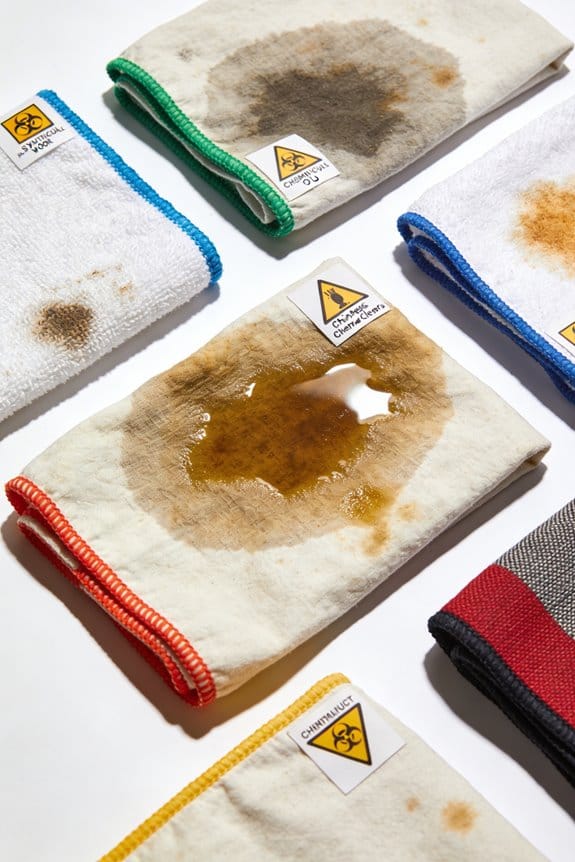
Have you ever stopped to think about the rags you use for cleaning with solvents? It might surprise you how many different types there are. From cleaning towels to oily rags and swabs, if they’ve touched solvents like mineral spirits or acetone, they’re probably contaminated. But not all of them fall under special disposal rules.
Try to keep in mind that only used wipes without free liquids might get a pass under the Resource Conservation and Recovery Act. If your rags contain hazardous waste or solvents linked to waste codes F001-F005, you’ll need to treat them as hazardous waste. The best part is, by identifying these rags, you can guarantee safe disposal and avoid any headaches down the road.
So, why does this matter? Handling your solvent-contaminated rags correctly is essential for preventing potential hazards. Whether you’re working in a garage, a workshop, or even at home, understanding what qualifies as hazardous can keep your environment safe.
To sum it up, it’s crucial to pay attention to how you dispose of these rags. Keeping track of what you’re using helps ensure that you follow proper disposal methods. Additionally, using well-organized kits and tools, much like those found in calligraphy starter kits, can help maintain safer and cleaner workspaces which reduce contamination risks. Are you ready to take a closer look at your cleaning habits?
Compliance With Local and Federal Hazardous Waste Regulations
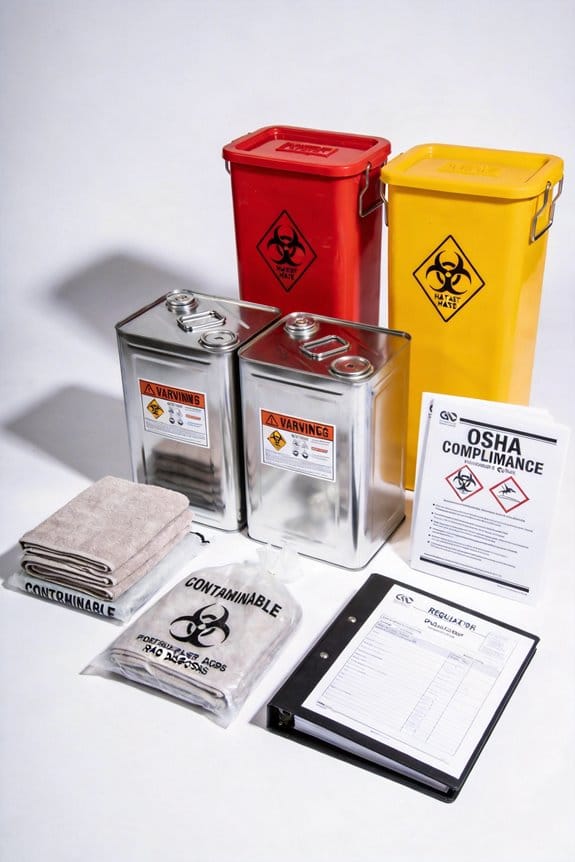
Handling solvent-contaminated rags can feel like a daunting task, especially when it comes to staying compliant with local and federal hazardous waste regulations. Ever wondered what makes those used oil rags hazardous? It all boils down to whether they contain ignitable or toxic substances. If they do, you can’t just toss them in the trash.
The EPA has this handy Wipes Rule that allows you to send solvent-contaminated wipes for cleaning as long as there’s no free liquid left. To make sure you’re compliant, keep these tips in mind:
- Keep records of your waste.
- Label those used rags clearly.
- Store rags in closed containers to avoid spills.
So, why does this matter? Maintaining closed containers not only helps you avoid messes, but it’s also crucial for safety. Regularly monitoring your waste is key, too. The Paint Filter Liquids Test is a simple way to check for free liquids in your materials.
Honestly, staying on top of state regulations is just as important because some states have stricter rules than what the federal government lays down.
In short, handling solvent-contaminated rags doesn’t start and end with just identifying them; it’s all about compliance and best practices too. Using closed containers that prevent spills and contamination is a common recommendation for keeping your workspace safe.
What steps will you take to stay compliant and keep your workplace safe?
Best Storage Practices for Solvents and Rags
Have you ever thought about how to safely store solvent-soaked rags? It might not be the first thing on your mind, but it’s super important for keeping your workspace safe. These rags can be hazardous if not handled properly, so here are some tips to help you manage them better.
First things first, grab some metal storage containers that come with self-closing lids. This isn’t just for looks; it really does cut down on oxygen exposure, which helps reduce the risk of fire. Remember to empty and clean these containers regularly. You don’t want any leaks or deterioration sneaking up on you. It’s a good habit to get into.
Make sure to clearly label all your containers. You want everyone to know what’s inside and the hazards that come with it. Mixing solvent-soaked rags with other types of waste can really create problems—especially with toxic materials. So, keep them separate to stay compliant with regulations.
And a quick tip: always keep those storage containers securely closed when you’re not using them. This helps prevent harmful emissions from escaping and keeps everything safe.
Additionally, using non-toxic and AP certified materials can minimize health risks when handling and storing solvent-contaminated items.
Recommended Products

Safe Storage - The Justrite oily rag safety can is a flammable rag container used for the temporary storage of shop rags and cloths soaked with oils, solvents, thinners, and other combustibles

Safe Storage - The Justrite oily rag safety can is a flammable rag container used for the temporary storage of shop rags and cloths soaked with oils, solvents, thinners, and other combustibles

CONTROLLED FUEL TRANSFER: The patented manifold and Safe-Squeeze trigger provide smooth, glug-free dispensing with improved flow control. This safety gas can helps reduce spills and supports more accurate fuel transfer
How to Prepare Solvent-Contaminated Rags for Safe Disposal?
Ever wonder what to do with those rags covered in solvents after a project? It can feel a bit overwhelming, but getting them ready for safe disposal isn’t as tough as it sounds.
First off, storing those rags properly is key. You’ll want to keep them in a closed, labeled container to avoid any leaks. Now, here’s something to keep in mind: make sure there’s no free liquid in those rags. They shouldn’t be dripping or completely soaked. A metal can with a self-closing lid works wonders. It cuts down on oxygen exposure, which helps lower the risk of any fire hazards popping up unexpectedly.
If you find that the rags aren’t hazardous, why not consider a laundry service to clean and reuse them? That way, you’re being both eco-friendly and budget-conscious. But if the rags are from hazardous solvents, it’s a different ball game. Do yourself a favor and check out your local regulations. It’s important to handle them according to hazardous waste management guidelines. Store these rags in a designated drum until you can dispose of them properly. Using non-toxic formulations when possible can reduce the hazard level of discarded materials.
Recommended Products

Safe Storage - The Justrite oily rag safety can is a flammable rag container used for the temporary storage of shop rags and cloths soaked with oils, solvents, thinners, and other combustibles

Safe Storage - The Justrite oily rag safety can is a flammable rag container used for the temporary storage of shop rags and cloths soaked with oils, solvents, thinners, and other combustibles

CONTROLLED FUEL TRANSFER: The patented manifold and Safe-Squeeze trigger provide smooth, glug-free dispensing with improved flow control. This safety gas can helps reduce spills and supports more accurate fuel transfer
Eco-Friendly Disposal Solutions for Hazardous Waste
Have you ever wondered what to do with those messy rags or hazardous materials piling up in your home or workspace? Finding eco-friendly disposal solutions for hazardous waste isn’t just good for the environment; it also keeps your space safe and clean. One of the best things you can do is make sure there are no free-standing liquids in those soaked rags. If they are damp, they might just qualify as hazardous waste, which is a headache nobody wants to deal with. A handy tip? Consider using laundry services that specialize in industrial cleaning. They know exactly how to handle this stuff safely.
When it comes to non-hazardous materials, embracing waste-to-energy methods is definitely worth considering. This process can turn your waste into electricity, and it’s a smart way to reduce what ends up in landfills. Some states even allow you to burn oil-soaked rags for energy recovery, following specific guidelines from the Conservation and Recovery Act. Seriously, it’s amazing how we can turn trash into a resource in so many creative ways. Using acid-free materials can help preserve items during clean-up and waste reduction efforts.
Recommended Products

Capacity: 16 quart (4 gallon)

Multipurpose Plastic Barrels: Designed for cleaning solutions,gasoline or used motor oil , concentrate detergents, and other residential or industrial grade cleaners.Though commonly used for hazardous material storage, these drums can also be used for bio-waste disposal, incineration, or as barrels for shipping

ORIGINAL PATENTED BACTER FORMULA: Patented bacter formulas used in Exxon Valdez. Over 25 trillion lab-cultivated, patented strains of sewage-digesting bacter. Backed by over 65 years of research and development, BOSS is a natural, safe, effective, and money-saving preventive treatment that cleans, stops odors, and maintains septic systems. Strongest septic treatment on the market – 100% guaranteed!
Common Mistakes to Avoid When Disposing of Rags
When it comes to tossing out those used rags, it’s easy to overlook some important steps. Have you ever thought about what happens when contaminated rags are dumped in the trash? Mixing rags soaked in solvents with regular waste can turn them into hazardous materials, which means you’ll have to follow stricter disposal guidelines. It’s a hassle that can easily be avoided.
You definitely shouldn’t toss out rags that still have any liquids in them. Even a small amount can create a serious fire hazard. So, what’s the move? Collect them in containers that are specifically designed for this purpose, and make sure these containers are well-ventilated.
Another tip: avoid storing oily rags in plastic bags. Honestly, that just increases the risk of spontaneous combustion, which isn’t something you want to deal with. Always keep your rags in safer options that reduce risks.
And don’t forget about your local laws! Each state has different rules regarding hazardous waste. It’s super important to give those a quick check. Rags that are completely dry might be fine to throw away as non-hazardous waste, but it’s better to err on the side of caution.
To wrap this up, be mindful when disposing of rags to prevent safety issues and protect the environment. Using non-toxic mediums in your painting process can also contribute to safer disposal practices. Have you set up a safe disposal system for your rags yet?
Resources for Safe Disposal and Regulatory Guidance
Disposing of used solvents and rags can feel like a daunting task. Ever wonder if you’re doing it right? The truth is, it doesn’t have to be overwhelming—just remember to check your local hazardous waste management guidelines. Each state has its own rules, and they can really vary.
For example, those oily shop towels you have lying around? They need to be stored in closed containers that meet RCRA regulations. This isn’t just about looks; it helps keep ignition risks down. If they’re soaked with hazardous solvents, a sturdy metal container is your best bet. Make sure to keep track of labeling requirements too. And always check that there are no free-standing liquids hanging out in your containers.
Thinking about ways to help the environment? Here’s a trick: consider using a reusable towel service. Not only does this cut down on waste, but it also keeps you in line with various disposal practices. It’s a win-win. Using durable and rust-resistant materials, such as aluminum alloy, for storage containers can improve safety and longevity during disposal.
Frequently Asked Questions
How to Dispose of Solvent Rags?
To dispose of solvent rags properly, we must follow local regulations, keep them in closed containers, consider recycling options, and be mindful of hazardous waste and fire hazards to minimize environmental impact.
How to Properly Dispose of Acetone Rags?
To properly dispose of acetone rags, we must follow disposal regulations, guarantee acetone safety, and explore recycling options. Adhering to cleanup procedures minimizes solvent hazards and protects our environment from harmful impacts.
How to Dispose of Used Solvent?
Did you know nearly 10% of solvents are improperly disposed of? We should prioritize solvent recycling methods and hazardous waste management, adhering to local disposal regulations while exploring eco-friendly alternatives and proper solvent storage practices for community safety.
How Should Cleaning Solvents Rag Soaked Solvents Be Disposed Of?
When disposing of solvent-soaked rags, let’s guarantee solvent safety by using closed containers, recycling when possible, and following industry regulations. Together, we can minimize hazardous waste and reduce our environmental impact. Cleanup tips matter!


