As an Amazon Associate, we earn from qualifying purchases. Some links on this site are affiliate links at no extra cost to you. Our recommendations are based on thorough research and editorial judgment.

The Importance of Acid-Free and Archival Quality Paper

Acid-free and archival quality paper are essential for protecting our important documents and artwork. These papers resist deterioration, allowing us to preserve them for over a century when stored correctly. Acid-free paper has a pH between 7 and 8.5, while archival quality paper meets strict standards for longevity. By using these types of paper, we save potential costs on restorations. For those keen to learn more about selecting and storing these valuable materials, there’s plenty more to explore.
Key Takeaways
- Acid-free and archival quality papers resist yellowing and deterioration, ensuring the longevity of important documents and artworks.
- These papers meet strict standards for durability, preserving integrity and protecting against environmental factors like humidity and light.
- Investing in high-quality paper saves costs on restoration or replacement, reducing waste and conserving resources over time.
- Proper storage and handling practices help maintain the quality and appearance of documents, safeguarding them from damage.
- Sustainable sourcing of acid-free paper supports environmental conservation by minimizing deforestation and promoting responsibly managed forests.
Comparing Acid-Free and Archival Quality Paper: Key Characteristics and Differences
You may be interested



When you’re diving into the world of paper, you might find yourself asking: What’s the difference between acid-free and archival quality paper? Let’s break this down in a way that’s easy to understand.
Acid-free paper means it has a pH above 7. This characteristic helps it resist yellowing and deterioration over time. Sounds good, right? But here’s the catch: not all acid-free paper meets the rigorous standards that define archival quality. To hit that level, the paper needs to be pH neutral, made from buffered or neutral materials, and must completely avoid optical brighteners. So, if you’re considering paper for important documents or artwork, it’s crucial to check these details.
All archival paper is acid-free, but the reverse isn’t true. You could be using acid-free paper that just isn’t built to last. For instance, archival papers often include high-quality materials like 100% cotton, which contributes to their durability and longevity. Plus, following standards like ANSI/NISO Z39.48 ensures you’re getting the permanence needed for long-term preservation.
Honestly, it really matters when you think about what you want to keep for years to come. Whether it’s family photos, important documents, or cherished artwork, the right paper can make a significant difference.
To sum it up, if you’re serious about preserving your memories and important items, look for paper that’s both acid-free and meets the archival standards. Ask yourself: Is the paper I’m using going to stand the test of time? Making the right choice here could mean your memories last much longer. Additionally, using acid-free mat boards can further protect artwork and photos from deterioration over time.
Recommended Products

MADE IN USA - HP Papers is sourced from renewable forest resources and has achieved production with 0% deforestation in North America. See images.

MADE IN USA - HP Papers is sourced from renewable forest resources and has achieved production with 0% deforestation in North America. See images.

MADE IN USA - HP Papers is sourced from renewable forest resources and has achieved production with 0% deforestation in North America. See images.
Understanding Acid-Free and Archival Papers: Definitions and Importance
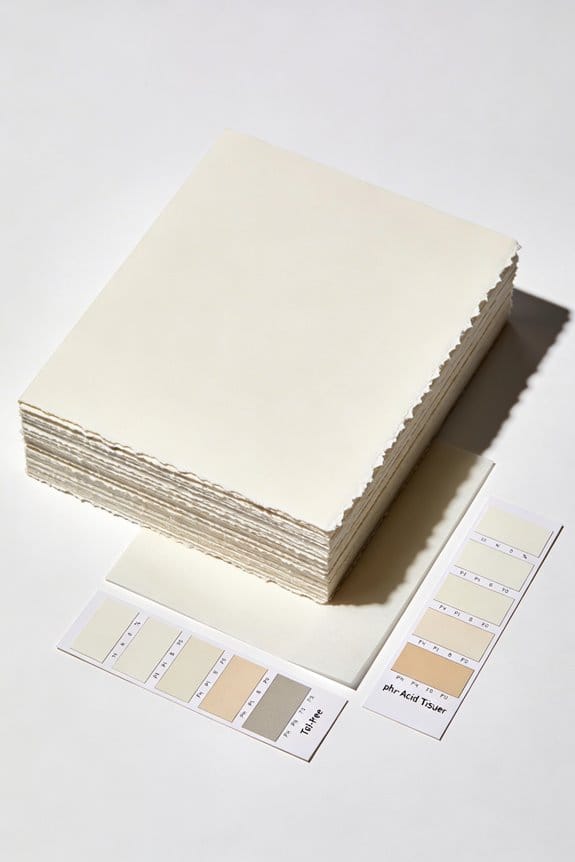
Have you ever wondered how to truly preserve your family memories or important documents? Understanding the difference between acid-free and archival papers can really make a difference in keeping those treasures safe. Acid-free paper has a pH level that’s above 7, which means it won’t break down over time like regular paper does. So, what’s the deal with archival quality paper? It meets strict guidelines, like ANSI/NISO Z39.48, which guarantees even more durability and permanence, making it a top choice for serious preservation efforts.
You might ask, why does this matter? Well, archival paper is free of harmful materials like optical brighteners that can mess with its integrity. Imagine putting all the effort into preserving a cherished family photo album, only to find it deteriorating over the years because you didn’t use the right paper. It just doesn’t sit right, does it?
Here’s the trick: by choosing acid-free and archival papers, you’re protecting your precious documents from environmental concerns like humidity and light. These papers can last well over a century when stored correctly, which is pretty impressive! This way, you don’t have to stress over costly restoration down the line.
In short, if you care about preserving your history, investing in these types of papers is a wise decision. So, the next time you’re organizing family photos or important documents, think about the paper you’re using. What memories do you want to last for future generations? Additionally, combining archival paper with quality inks ensures that both the paper and the markings on it remain vibrant and intact over time.
How Composition Impacts Paper Longevity
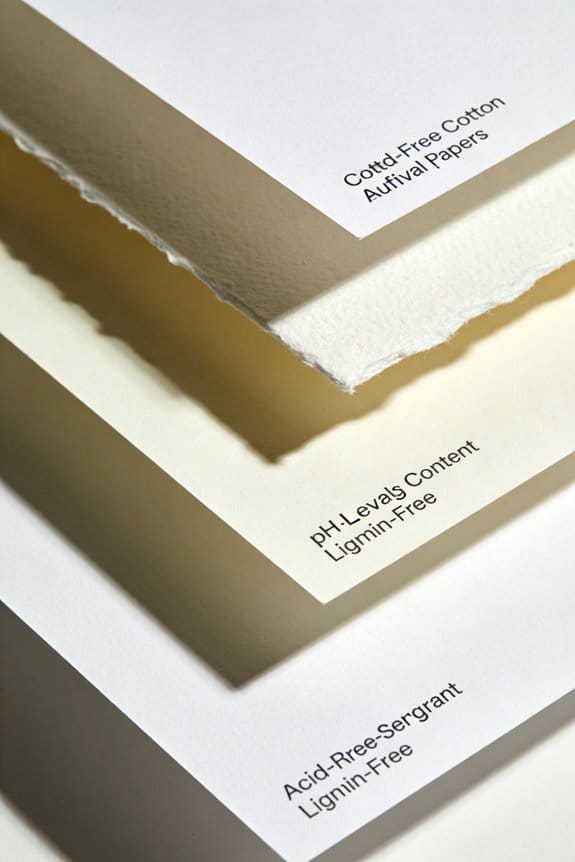
Have you ever wondered why some papers last forever while others fade away? It all comes down to what they’re made of. Acid-free paper is a big deal if you want your important documents to stand the test of time. By mixing in alkaline substances like calcium carbonate, these papers can neutralize harmful acids that would otherwise break them down. This simple addition can make a huge difference in how long your papers last.
When it comes to archival paper, the choices matter a lot. Groundwood and unbleached pulp can lead to acidity as they age, which is something you definitely want to avoid. Instead, opt for high-quality papers made from 100% cotton or stable cellulose fibers. These materials resist yellowing and brittleness much better than the usual wood-based papers. So, why does this matter? Well, if you’re preserving memories or important records, you want them to remain as fresh as the day you saved them.
It’s also super important to remove lignin during production. Lignin can cause degradation when exposed to light, which is a nightmare for longevity. Following strict archival standards, like ISO 9706, is a surefire way to ensure your papers meet durability requirements. Think of it this way: the right paper is an investment in your memories and documents.
If you’re looking to keep your important documents in good shape, follow these tips:
- Choose acid-free paper whenever you can.
- Look for archival papers that don’t use groundwood.
- Go for 100% cotton or other stable fibers.
Additionally, selecting papers with 140 lb weight can help maintain durability and resist warping, contributing to the long-term preservation of your work.
Truth is, with the right selection, you can be confident that your valued documents will last for years to come. It might feel a bit overwhelming at first, but your future self will thank you for taking the extra steps now. What kind of documents are you hoping to preserve?
How to Spot High-Quality Acid-Free Paper: What to Look For
Are you tired of your important papers yellowing or falling apart? It’s a real bummer when you just want to preserve your memories or important documents. The good news? There’s a way to keep your papers in great shape by choosing the right acid-free paper. Here’s what to look for to ensure you’re making the best choice.
First off, make sure the paper is labeled “acid-free.” Look for certifications that meet ANSI/NISO Z39.48 or ISO 9706 standards, which guarantee that it’s archival quality. A high-quality acid-free paper has a pH level between 7 and 8.5. This means it’s either neutral or slightly alkaline, making it less likely to break down.
Next, check the paper composition. Avoid anything with groundwood or unbleached pulp, as these ingredients can introduce acids that cause yellowing over time. Buffered acid-free paper is often a safe bet since it contains calcium carbonate, which helps neutralize any leftover acids.
And here’s the thing: the absence of optical brighteners is crucial. These brighteners might make paper look better at first glance, but they can weaken the fibers and reduce durability. So, it’s best to skip those altogether.
In addition, choosing paper with the appropriate paper thickness measured in GSM can greatly enhance its durability and suitability for various art mediums.
Sticking to these tips can help you choose the right acid-free paper for your important documents. Have you had issues with paper quality before? Remember, investing in the right materials now will pay off in the long run.
Recommended Products

Museum-quality box safely store costumes, wedding gowns, quilts and other textiles

Decorative Tissue Paper - Add a fun a vibrant pattern to your gift packaging with this dragonfly printed tissue paper. Mix and match printed papers to elevate retail product packaging, cushion delicate objects, and add party bag accents for events or birthdays.

Bulk Tissue Paper - 960 sheets of Kraft Tissue Paper ensures you have plenty whether you need it for gift bags, item storage, or packaging items in your business.
Environmental Considerations: Why Sustainable Sourcing Matters for Paper Longevity
Have you ever thought about how the paper you use can affect the environment? Sustainable sourcing is a big deal when it comes to the longevity of the paper we rely on. When you choose acid-free and archival quality paper made from responsibly managed forests, you’re not just making a smart choice for your documents; you’re also helping maintain biodiversity. This kind of sourcing reduces the damage caused by deforestation, which is something we should all care about.
Here’s the trick: acid-free paper often comes from recycled materials. This cuts down on waste and uses less energy during production. So, when you pick that sustainably sourced paper, you’re not just getting quality; you’re also minimizing your carbon footprint. It’s a win-win situation. You’re ensuring your documents last longer while supporting practices that encourage a healthier planet.
Now, think about this for a moment: why does it matter? It’s not just about having clean, high-quality paper. Choosing sustainable options encourages innovative paper-making processes that avoid harmful chemicals. By being more thoughtful about our paper choices, we pave the way for a greener future, one that benefits not just you but also future generations.
Additionally, selecting paper that is acid-free ensures durability and prevents yellowing, contributing to the preservation of important documents.
The best part is that each small action counts. When you take a moment to consider where your paper comes from, you’re contributing to a larger movement for sustainability. It’s not just about what’s convenient for us today; it’s about making choices we can be proud of tomorrow. So, next time you need to stock up on paper, remember the impact you can have. What small changes will you make to ensure a better future for everyone?
How to Store Acid-Free Documents for Maximum Longevity
Have you ever found yourself worried about how to keep important documents safe? If you’re dealing with acid-free papers, there’s good news: with just a few simple tips, you can ensure they stay in great shape for years to come.
Start by finding a cool, dry place to store your documents. A stable environment is key. Believe it or not, lowering the temperature by just 10°F can actually double the longevity of your paper. When picking out storage supplies, don’t skimp on quality—use acid- and lignin-free archival boxes and folders. This helps prevent those pesky chemical reactions that can degrade your documents over time.
Next, consider what else your papers will come into contact with. It’s super important to keep them away from light, moisture, pests, and mold. Why? Because these elements can really harm the integrity of your documents. When you handle them, it’s best to wash your hands first and avoid touching the surface of the papers directly. This keeps oils and dirt from your fingers off, protecting them further.
One more thing to keep in mind is regular checks on your stored documents. Every now and then, take a look for any signs of deterioration. If you see anything concerning, don’t hesitate to reach out to a professional for advice.
Choosing the right paper can also make a big difference, so opting for archival quality acid-free pads ensures your documents maintain their color and strength over time.
In short, following these guidelines can make a world of difference in preserving your valuable acid-free documents. So, what steps will you take today to ensure their longevity?
Recommended Products

HAMMERMILL’S BEST SELLING PRINTER PAPER – You will receive one pallet of paper, which includes 30 individual cartons. Each pallet of paper has 150,000 sheets of 20lb, 92 bright, 8.5" x 14" white copy paper

HP Papers is sourced from renewable forest resources and has achieved production with 0% deforestation in North America | HP Office 20lb print and copy paper prevents yellowing over time to ensure a long-lasting appearance for added archival quality

Handcrafted Walnut Wood Shadow Box for Memorabilia, Treasured Trinkets, and More Up To 2.625 Inches Deep
Effective Practices for Handling and Maintaining Archival Materials
Ever notice how some old documents just don’t age well? If you’ve got a collection of acid-free papers, keeping them safe goes beyond just where you stash them. It’s all about how you handle them, too. Always make it a point to use clean hands or slip on some cotton gloves when you touch those archival treasures. Trust me, this small step can really make a difference by keeping oils and dirt at bay, which can lead to stains or even worse, deterioration.
When it comes to storage, don’t cut corners. Treat delicate items with the care they deserve by tucking them away in acid-free, lignin-free boxes, folders, and sleeves. Think of these as cozy homes for your documents, protecting them from harm.
You should also keep an eye on the condition of your materials. What should you look for? Signs like yellowing or brittleness can signal that things aren’t quite right. If you spot any deterioration, don’t hesitate to seek professional conservation advice. It’s better to act sooner rather than later!
Another great tip is to use acid-free tissue paper between items. This not only prevents abrasion but also keeps colors from transferring. You want your cherished documents to stay as pristine as possible, don’t you?
In a nutshell, these simple practices can help your archival materials stand the test of time. So let’s take some time for that special collection—what’s your next preservation project going to be? For preserving artwork or documents on various surfaces, applying multiple coats of protective primer can help ensure their longevity and durability.
The Financial Impact of Choosing Acid-Free and Archival Paper
Have you ever thought about what might happen to important documents over time? When it comes to preserving vital records, choosing acid-free and archival paper can really save you money in the long run. These types of paper are made to last over a century if you store them correctly, which means you’re less likely to face restoration or replacement costs later on.
Using acid-free paper helps prevent deterioration that can ruin essential documents, like legal papers. This choice is also a win for the environment, reducing waste caused by damaged documents and ultimately saving you both resources and cash. Plus, archival quality paper is often certified, like with ISO 9706, so you can count on its reliability.
Here’s the trick: if you’re part of an organization, opting for these materials might also open doors to grants aimed at preservation efforts. This can enhance your financial planning and resource management over time.
So, why does this matter? It all comes down to making an investment today that pays off in the future. Think about how much peace of mind it gives you to know your important documents are safe and sound. Just like selecting quality miniature paint brushes ensures the longevity of your artwork, choosing materials with durability and quality helps preserve your documents effectively.
Where to Buy Quality Acid-Free and Archival Papers
Finding quality acid-free and archival papers can feel overwhelming sometimes. You might be asking yourself, “Where do I even start?” A good place is specialty art supply stores or even office supply retailers. Don’t forget about online options, like Amazon, where you can browse a wider selection.
Look for trusted brands like Strathmore, Mohawk, and Hahnemühle. They have a solid variety of acid-free papers that meet standards like ISO 9706. Many suppliers proudly display certifications on their websites, giving you peace of mind about the longevity and acid-free status of their papers. So, you can shop with confidence knowing you’re getting something good.
If you’re near local art supply shops, swing by and take a look at their offerings. You might even find samples of acid-free tissue papers and archival papers, which is a great way to assess quality right there in person. Plus, organizations like the American Institute for Conservation provide lists of trusted suppliers, which can really simplify your search.
The best part? You don’t have to stress about it. Just take your time and explore your options. What kind of projects do you have in mind that would need these papers? Using quality materials in your artwork, like non-toxic paints, can further enhance the longevity and safety of your projects.
Recommended Products

Decorative Tissue Paper - Add a fun a vibrant pattern to your gift packaging with this leopard printed tissue paper. Mix and match printed papers to elevate retail product packaging, cushion delicate objects, and add party bag accents for events or birthdays.

Decorative Tissue Paper - Add a classic speckled pattern to your gift packaging with this tissue paper. Each sheet is made of 1.2 mil tissue papers, making it easy to create a professional looking gift bag. Mix and match printed papers to elevate retail product packaging, cushioning for delicate objects, and party bag accents for events or birthdays.

Decorative Tissue Paper - Let your gift packaging shimmer with this whimsical and sparkly tissue paper. Designed to be a festive touch for any occasion, you can elevate retail product packaging, cushion delicate objects, and add party bag accents for events or birthdays.
Frequently Asked Questions
Why Is Acid-Free Paper Important?
When it comes to preserving our stories, acid-free paper’s essential for document safety and historical significance. Its longevity protects memories while minimizing environmental impact. Plus, investing wisely in preservation methods saves money in the long run.
What Are the Benefits of Archival Paper?
Archival paper’s benefits include excellent preservation techniques for long-term storage, making it perfect for art applications, historical documents, and scrapbooking materials. It also enhances paper restoration, ensuring our cherished memories and works remain intact for generations.
What Is the Difference Between Acid-Free and Archival Paper?
Acid-free paper prevents degradation, but archival quality paper lasts longer with superior materials. While both support preservation methods, the longevity comparison shows archival paper acts more effectively against environmental impact, ensuring our memories stay intact.
What Are the Benefits of Acid-Free Tissue Paper?
Using acid-free tissue paper benefits art conservation and enhances paper longevity. By applying these preservation techniques, we’re protecting our archival materials from environmental impacts while ensuring they remain safe and pristine for future generations to enjoy.


