As an Amazon Associate, we earn from qualifying purchases. Some links on this site are affiliate links at no extra cost to you. Our recommendations are based on thorough research and editorial judgment.

Managing Dust in the Studio to Protect Wet Varnish

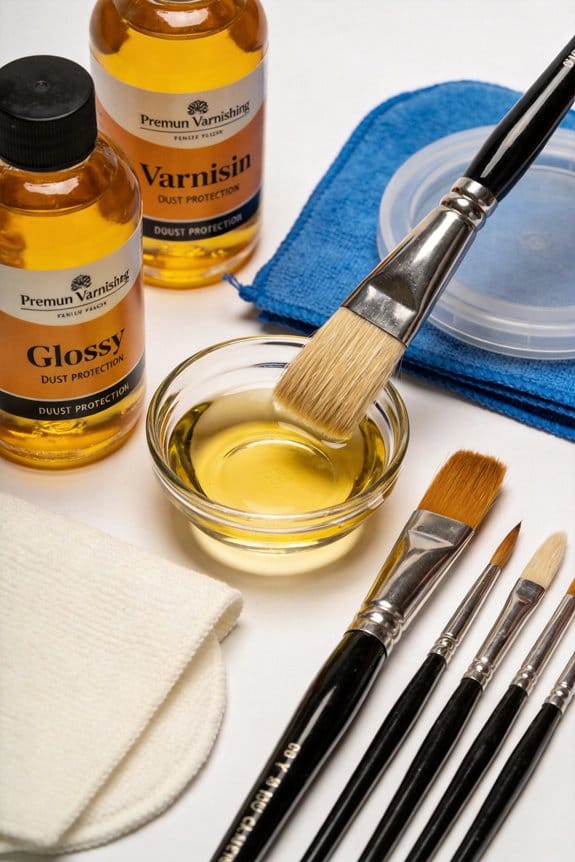
Managing dust in our studio is essential for protecting wet varnish on our artwork. Dust can settle and create imperfections while varnish dries, which can take days for acrylics and months for oils. We should keep our workspace clean by shutting off vents, using dust barriers, and frequently vacuuming with a HEPA filter. Ideal humidity levels help prevent dust from clinging to our varnished pieces. If we follow these tips, we can achieve a flawless finish. For more tips, let’s explore additional strategies.
Key Takeaways
- Maintain a clean workspace by regularly vacuuming and wiping down surfaces to minimize dust contamination around wet varnish.
- Utilize barriers, like plexiglass and books, to shield drying artwork from dust in the studio.
- Control humidity levels by keeping them between 40-60% to prevent dust from settling on varnished surfaces.
- Turn off vents and fans while varnishing to reduce airborne particles that can settle on wet surfaces.
- Allow artwork to dry flat in a dust-free environment and use protective coverings to safeguard against dust accumulation.
Why Dust Matters When Varnishing Your Artwork
You may be interested


When it comes to varnishing your artwork, ever noticed how dust can mess with your final result? It’s a big deal. Dust loves to settle on almost dry varnish, creating those annoying little bumps and imperfections that can ruin your masterpiece. This is a real concern because varnish takes its sweet time to dry, which means there’s plenty of opportunity for those pesky dust particles to land on your work.
So, what’s the solution? Creating a controlled space for varnishing is key. Keep foot traffic to a minimum and make sure dust sources are as far away as possible. Here are a few tips to make your varnishing process smoother:
- Clean your workspace before you start.
- Use electrostatic or microfiber cloths to wipe down surfaces. They really help reduce dust in the area.
- Consider working in a room with the windows shut to keep outside dust at bay.
You definitely don’t want to see dust spots after everything’s dried, right? So, giving your workspace a good clean before you start varnishing is crucial for that flawless finish you’re after.
Truth is, a little prep can go a long way. Take the time to set up your space properly, and you’ll thank yourself later when your art shines without distractions. How do you plan to tackle the dust next time you varnish?
Also, just like maintaining your brushes to ensure smooth painting, regular cleaning and careful handling of your varnishing tools will help prevent contaminants and achieve a perfect finish on your artwork’s surface maintenance and care tips.
Essential Dust Prevention Strategies in Your Studio
Dust control in the studio is important if you want to keep your artwork looking its best. Ever notice how dust seems to find its way onto wet paint just when you’re least expecting it? Using an easel with an overhead ledge can really help trap that pesky dust as your paintings dry. It’s also a good idea to keep your wet works away from vents and other air sources that can spread dust around the room.
Here’s the trick: tilting your easel forward during the drying process can actually minimize dust settling on your canvas. Want an even more dust-free zone? Create a little barrier around your drying paintings. You can use books, or even plexiglass, to block any dust and still let the air circulate. This way, you’re protecting your artwork without compromising its drying time.
Cleaning up your studio regularly is essential too. Think about it—nobody wants to deal with dust contamination, especially when varnishing those final touches. A quick vacuum session with a HEPA filter can make a huge difference in keeping your art safe.
The best part is, controlling dust doesn’t have to be a hassle. Just a few small changes can lead to a much cleaner workspace. Considering materials that prevent deterioration like acid-free components can also help maintain your artwork’s quality. Have you tried any of these methods before? What’s worked for you in preventing dust while you create?
How Humidity Impacts Varnishing and Dust Management
Have you ever noticed that dust seems to gravitate toward your varnish? It’s frustrating when you’re trying to create a perfect finish, and those pesky particles ruin all your hard work. Humidity plays a huge role in both varnishing and managing dust.
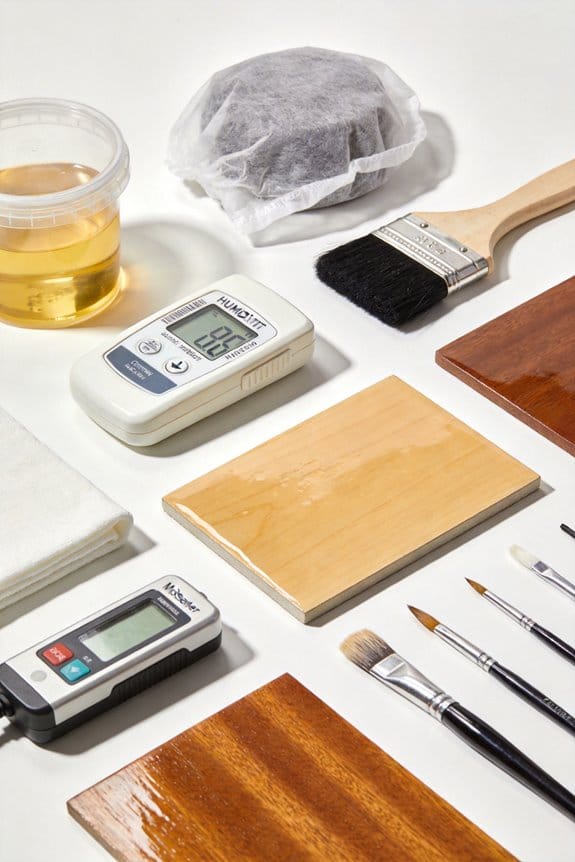
The sweet spot for humidity is around 40-60%. This range does wonders by helping prevent dust from settling while also allowing your varnish to dry just right. When humidity is too high, it can really mess with the curing times of your varnish. You might find you’re dealing with inconsistent textures or even blisters if you’re not careful. On the flip side, when things are too dry, a little humidifier can be your best friend.
Here’s the trick: keeping humidity balanced reduces that annoying static charge, which means less dust is attracted to your wet varnish. Trust me, it’s about creating a workspace that’s as kind to your artwork as you are. Make sure you monitor humidity levels and maintain good airflow. A little effort here can go a long way in achieving a beautiful finish while keeping dust at bay.
Keeping Your Workspace Dust-Free While Varnishing
Do you dread the thought of dust ruining your varnishing project? It’s a common problem, but with a few simple steps, you can create a cleaner workspace for your work.
Start by giving your area a thorough cleaning. Vacuum up carpets and surfaces with a HEPA filter vacuum. This type of filter is really great at trapping those fine dust particles that love to cling to everything. After cleaning, grab an air compressor to blow off any dust that might still be lingering on your piece just before you start varnishing.
Ventilation is key, so pick a well-aired spot, but here’s the trick: turn off any fans to reduce air movement. You might even consider varnishing in a steamy bathroom right after a hot shower. The added humidity can actually help with dust settling, making your print less likely to catch debris.
Now, here’s a quick tip to protect your finished work: Cover it with stiff cardboard during the varnishing process. This way, you’re shielding it while still allowing air to circulate.
Choosing a surface with the right water resistance level can also help maintain the quality of your finish over time.
At the end of the day, keeping your workspace clean while varnishing isn’t just about aesthetics — it can make the difference between a flawless finish and a frustrating redo. Have you tried any of these tips before? What has worked best for you?
Essential Tools for Effective Dust Control in Your Studio
When you’re in the studio, dealing with dust can be a real headache, right? It doesn’t just settle on your painting surfaces; it can mess with your creative flow too. One of the best strategies I’ve come across is using an air compressor. It works wonders for blowing away surface dust without even having to touch your art.
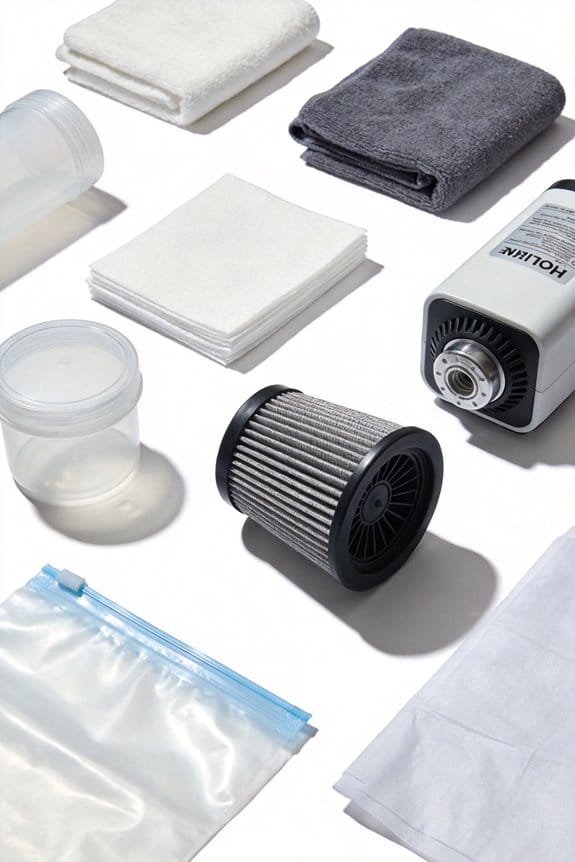
Next, think about picking up some electrostatic or microfiber cloths. They attract and trap dust way better than those standard rags. Seriously, you’ll notice the difference. Don’t forget about regular vacuuming with a HEPA filter, which is essential for catching those tiny dust particles that often float around unnoticed.
And here’s something that might surprise you: keeping your studio’s humidity levels in check with a humidifier can actually help reduce static, which is a dust magnet. Ever thought about how a clutter-free varnishing area can lessen dust accumulation? It makes a huge difference. Additionally, maintaining clean and flat surfaces, similar to recommended maintenance for crafting mats, helps prevent dust buildup and keeps your workspace optimal.
How to Protect Wet Paintings From Dust
Protecting wet paintings from dust can feel like a real challenge, but it’s crucial to keep your artwork looking its best. So what can you do to shield those masterpieces as they dry?
First, try positioning your wet paintings against a wall at a slight angle. This simple trick helps minimize dust settling while allowing for some airflow, which is important for drying. Another solid idea is to cover your artwork with protective materials like plexiglass or lightweight boards. These coverings can help keep dust off without stifling the drying process.
Regular cleaning can make a huge difference too. Vacuuming your studio often, especially with a HEPA filter, can keep dust from building up on surfaces around your painting area. Plus, it might be worth it to turn off any vents or fans while you’re working. Less air movement means fewer airborne particles that might end up on your wet creations.
Honestly, it doesn’t have to be all that complicated. A quick spray of water on your floors can help settle more dust, creating a cleaner space for your artwork to dry. We’ve all had those moments when a fine layer of dust ruins the effort we put into our paintings.
Additionally, organizing your studio with multi-compartment organizers can reduce clutter and dust accumulation, helping create a cleaner environment for your artworks.
In short, keeping your wet paintings dust-free is about creating the right environment while they dry. What’s your go-to tip for protecting your artwork?
When Should You Varnish to Keep Dust Away?
When it comes to varnishing your paintings, timing is everything. After all, who doesn’t want to keep dust away and maintain that beautiful finish? The key is to wait until the painting is completely dry. For acrylics, that could take a few days, but with oil paints, you’re looking at up to six months.
A smart approach is to think about varnishing at the end of your studio sessions, especially when you’ve just cleaned your space. Here’s the trick: creating a dust-free environment can make a huge difference. Try vacuuming with a HEPA filter and wiping down surfaces to minimize dust. Also, turning off fans and air conditioning helps keep air movement to a minimum while you work.
Once you’ve applied the wet varnish, consider covering the painting with a stiff card or a clean cloth. This protects it from dust settling as it dries. So, why does this matter? Well, dust can be a serious nuisance and can compromise the look of your artwork.
In short, varnishing can help you keep your art looking fresh and free from dust. Have you thought about how your studio environment impacts your work? Using fast-drying acrylics can also reduce the amount of time your painting remains vulnerable to dust after varnishing.
Caring for Your Artwork After Varnishing to Prevent Dust
Caring for your artwork after varnishing is something you definitely don’t want to overlook. Ever wondered why those lovely pieces sometimes look dull later on? It all comes down to how you treat them in those crucial drying hours! Make sure to let your varnished artwork dry flat in a clean, dust-free space for at least 24 hours. This is crucial to prevent dust from settling while everything’s still curing.
To keep those little hands (or paws) off your treasures, it helps to put up “Don’t Touch/Wet Varnish” signs nearby. You want to avoid any accidental smudges, don’t you? And here’s a tip: steer clear of placing those varnished paintings near windows or in high-traffic areas. The last thing you want is airborne dust making its home on your freshly varnished art.
When you’re storing your artwork, consider wrapping them in glassine or acid-free paper. This can really help protect against dust and scratches while they’re tucked away. Don’t forget to take a moment now and then to check up on your pieces. A soft, lint-free cloth or an electrostatic cloth is perfect for gently cleaning their surfaces, ensuring you keep that beautiful varnish shine intact. Using durable materials for your storage solutions also helps protect your artwork from dust and moisture during the drying process.
Troubleshooting Dust Issues After Varnishing
Ever finished varnishing a piece of artwork only to find it suddenly looks like it’s got its own little dust party going on? It’s frustrating, right? Even when you take every precaution, dust can sneak in. If this happens, the best thing you can do is let that varnish dry completely for a few days.
After it’s fully dried, try this: gently use a soft brush or an air compressor to puff away any dust. Just be careful not to scratch the surface! If you’ve still got some stubborn bits that won’t budge, lightly sanding the surface with very fine grit sandpaper can help—just make sure the varnish has cured well first. Sometimes, applying another coat of varnish can encase the dust, but check to ensure it’s compatible with the first layer you’ve used.
So, how do you keep this dust drama from happening again? Frankly, it all boils down to your workspace. Clean the area thoroughly beforehand, keep the airflow low, and try using a barrier, like a clean card cover, while the artwork’s drying.
In the end, a bit of care goes a long way in preventing fallouts with dust. Using material durability rated products for your artwork’s hardware can also contribute to overall preservation. What tips do you have for keeping your creative space dust-free?
Frequently Asked Questions
How to Keep Dust Out of Varnish?
To keep dust out of varnish, we can use dust prevention techniques like thorough studio cleaning tips, guarantee proper varnish application strategies, and always cover our artwork while it dries to shield it from airborne particles!
What Is the 80/20 Rule in Painting?
The 80/20 Rule in painting helps us focus on painting efficiency techniques, ensuring that 20% of our efforts yield 80% of our results. Prioritizing painting tasks enhances our time management in art, leading to impactful creations.
What Is Grandmas’ Simple Trick to Eliminate Dust?
Grandma’s simple trick for dust prevention involves using a slightly damp cloth for cleaning surfaces. Along with household cleaning tips, we can enhance varnish drying techniques by reducing dust accumulation, ensuring our art stays pristine.
Is Varnish Dust Proof?
No, varnish isn’t dust-proof. We’ve noticed that dust particles can cling during varnish application, affecting varnish durability. It’s important to control the environment, helping guarantee our finish stays clean and beautiful.


