As an Amazon Associate, we earn from qualifying purchases. Some links on this site are affiliate links at no extra cost to you. Our recommendations are based on thorough research and editorial judgment.


Sizing in Paper: Internal vs. Surface Sizing Explained

When we talk about paper sizing, we should understand two main types: internal and surface sizing. Internal sizing incorporates agents into the paper pulp, making it less absorbent and more durable. Surface sizing, applied after the paper is made, enhances print quality by reducing porosity. Each method has unique benefits. Internal sizing offers consistent water resistance, while surface sizing improves the overall finish for prints. To choose wisely, we must consider our project’s specific needs and goals. More details await you.
Key Takeaways
- Internal sizing incorporates agents into pulp, enhancing moisture resistance and maintaining print quality by controlling ink absorption throughout the paper.
- Surface sizing applies protective agents post-production, improving liquid resistance and surface strength while offering customization for gloss and smoothness.
- Internal sizing is generally more costly due to chemical requirements, while surface sizing often utilizes budget-friendly renewable starches.
- For high-performance applications, surface sizing is preferred, while general use applications, like newsprint, benefit more from internal sizing.
- Choosing the appropriate sizing method is crucial for achieving optimal print quality, durability, and eco-friendly practices in paper production.
What Is Paper Sizing and Why Does It Matter?
You may be interested



Have you ever wondered why some papers just feel better to write on or print with? Paper sizing is one of the key reasons behind this. Essentially, it’s all about how liquids interact with paper surfaces, which can really affect both durability and print quality.
So, what’s the difference between internal and surface sizing? Let’s break it down. Internal sizing happens during the pulp preparation stage. Agents like alkyl ketene dimer (AKD) are added to give the paper a consistent level of water resistance throughout. On the flip side, surface sizing is applied after the paper is made. This process creates a protective film that boosts qualities like surface strength and printability, often using starch-based agents.
Here’s the trick: the choice between internal and surface sizing can change how absorbent your paper is, as well as its moisture resistance. Why does this matter? Depending on what you’re using the paper for—whether it’s for printing, writing, or packaging—getting this right can significantly improve your results.
Manufacturers pay attention to these details to ensure they’re catering to specific markets effectively. They want to produce paper that meets your needs while ensuring quality that you can trust.
To sum it up, understanding paper sizing can help you choose the right type for your projects. Next time you’re picking out paper, think about how it’s sized and consider the impact of non-porous surfaces on performance. What are you looking for in your paper products?
Internal Sizing: Definition and Key Benefits

Have you ever wondered why some papers seem to hold up against moisture better than others? That’s where internal sizing comes into play. It’s all about adding special agents to the paper pulp when making paper. You might have heard of alkyl ketene dimer (AKD) or alkenyl succinic anhydride (ASA); these are the agents that make papers more resilient.
By reducing how easily water seeps in, internal sizing boosts moisture resistance. This is particularly beneficial for a variety of paper types, especially when you’re looking at printing paper. When it’s sized well, your prints can maintain sharpness and clarity instead of getting all smudged from ink feathering.
Here’s the trick: internal sizing keeps your paper strong, even after recycling. This is key if you’re all about sustainability. Plus, it can actually help control how ink absorbs into the paper, which means cleaner prints overall. And let’s not forget about production efficiency—less water absorption means things run smoother during processing.
So, why does this matter? If you want your projects to look their best without the worry of moisture damage, internal sizing is essential. It really supports both quality and durability in the papers you use.
In short, internal sizing is a behind-the-scenes hero in paper manufacturing. Additionally, just as pigment load affects color quality in paints, the degree of sizing affects the paper’s performance characteristics. Next time you’re choosing paper for a print project, consider its moisture resistance. How does that change the way you think about the paper you use?
Recommended Products

H-E (High-End) is Reliable and Long life; Factory made & Quality guaranteed!

Maximum Scan size - 11.7"x 17" (297 x 431.8 mm) Large Format Scanning, easy digital Tabloid or A3 size paper.

UP TO 1-YEAR OF INK IN-BOX: Experience truly uninterrupted printing, exceptional savings and super convenience with up to 1 year of ink, based on printing approximately 150 pages per month, using only the cartridges provided in-box. (1)
How Surface Sizing Enhances Paper Performance

When it comes to paper quality, have you ever noticed how some prints look better than others? Understanding how surface sizing complements internal sizing can really change the way you think about paper performance. Surface sizing agents, like starches and polyvinyl alcohol, are applied after the paper is formed. This forms a thin, protective film on the surface, enhancing liquid resistance and print quality.
So, why does this matter? Well, this film helps prevent annoying issues like linting and dusting, which can mess up your work. You’ll find that it significantly improves the strength and durability of your printing papers, which is crucial for projects requiring high performance, like offset paper. Reducing porosity means better ink transfer, leading to sharper images that really pop.
Here’s the trick: with surface sizing, you can also customize the gloss and smoothness of your paper. This makes it a key player in crafting various paper types that meet different needs. The best part is that you can choose the qualities that fit your project perfectly.
To sum it up, surface sizing plays a vital role in enhancing your overall paper experience. Additionally, just as acrylic pouring mediums improve paint flow and finish quality, surface sizing enhances the application and durability of inks on paper. Have you tried experimenting with different types of paper for your printing needs?
Recommended Products

MADE IN USA - HP Papers is sourced from renewable forest resources and has achieved production with 0% deforestation in North America. See images.

Magic Mirror Photo Booth: Integrates full hd touch screen, auxiliary lighting and led ambient lights. Mirror photo booth features a mini computer with 8GB RAM and 256GB NAS. Available in 32 inch or 43 inch touch screen sizes for use

✅【Advanced L805 Printhead】 This UV printer comes with ESPON L805 6-color printhead, which boasts a super high resolution of 2880*1440dpi, can achieve faster and more consistent printing results, producing vibrant colors, crisp details, and excellent saturation. Fast Print Speed: 178 seconds in photo mode.
Comparing Internal and Surface Sizing: What’s the Difference?
Have you ever wondered why some paper behaves differently when it comes to water and ink? The differences between internal and surface sizing are key in understanding how paper performance works.
Internal sizing involves mixing agents like alkyl ketene dimer (AKD) or alkenyl succinic anhydride (ASA) right into the pulp during the paper-making process. This method ensures that the entire sheet has consistent water resistance, which can really boost its stability and ability to resist moisture. It’s like prepping your paper to handle the real world.
On the flip side, surface sizing happens after the paper is formed. It’s a thin film that’s applied over the top, providing a nice boost for printability and keeping liquid from soaking in too fast. Want your paper to resist ink feathering? Internally sized paper definitely has the advantage. This means it’s stronger when moisture comes into play.
Here’s the key takeaway: internal sizing is better for overall resistance, while surface sizing is great for enhancing surface strength and lowering absorbency. If you’re into high-performance printing, surface sizing is your friend. But keep in mind—cost is a factor, too. Generally, internal sizing can hit your wallet harder with chemical costs, while surface sizing often uses more budget-friendly renewable starches.
In printing and artistic applications, choosing the right sizing method can affect paper performance and usability in significant ways.
Recommended Products
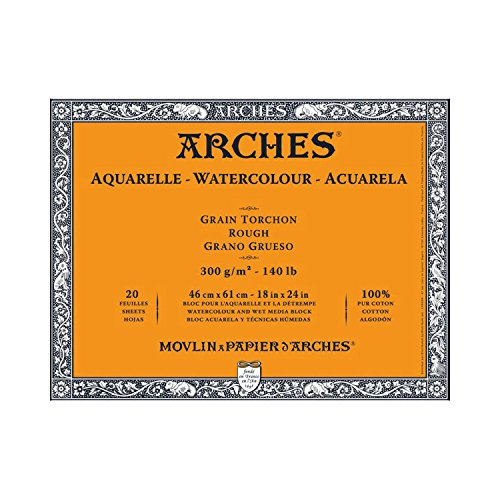
Prized Paper - The long fibers in Arches natural white 100% cotton watercolor paper provide timeless beauty and an inimitable touch; this rich paper is available in 13 sizes and 3 revered textures: cold press, hot press and rough

Prized Paper - The long fibers in Arches natural white 100% cotton watercolor paper provide timeless beauty and an inimitable touch; this rich paper is available in 13 sizes and 3 revered textures: cold press, hot press and rough
Criteria for Selecting Your Ideal Paper Sizing Method
When it comes to picking the right paper sizing method, it’s important to really think about what you’re using the paper for. If you’re dealing with high-performance applications, you might want to lean towards surface sizing. It really boosts printability and makes the paper more resistant to liquids, which is super helpful for things like offset and security papers.
But if you’re working with more general types, like newsprint, internal sizing can be a better fit. It helps make the entire sheet resistant to moisture, which can be a lifesaver for everyday uses.
Cost is another factor to consider. Surface sizing often comes with a higher price tag thanks to the complex equipment needed, while internal sizing might rack up costs from the chemicals used. It’s a balancing act between what you need and what you can afford.
Each method has its perks: internal sizing can really improve dimensional stability, which is great for keeping things from warping, while surface sizing adds that glossy, smooth finish you might want if presentation matters. So, why does this matter? It all boils down to matching your choice to your specific needs.
Think about what you value most in your paper projects. Whether it’s durability, print quality, or cost-effectiveness, taking the time to assess these criteria will help you find the best sizing method for your needs. Isn’t it great to know that understanding these options can make such a difference in your paper experience?
Also, just as you consider protection and finish for paper, selecting the right acrylic paint with durable finishes can similarly transform your projects and elevate their longevity.
Recommended Products


Commercial grade ball-bearing suspension allows fully loaded drawers to open with ease

Premium Gold Scratch Off Stickers - High-quality 1.5 inch round gold stickers with smooth scratch-off coating that reveals hidden messages, or surprises underneath; perfect size for cards, invitations, marketing materials, and DIY projects
Effects of Paper Sizing on Print Quality and Durability
Print quality and durability can really make or break your projects, don’t you think? One key factor here is how you size your paper. Sizing is all about treating the paper, which changes how well it absorbs ink. When you go for surface sizing, you’re actually adding a protective layer that helps with ink transfer and cuts down on pesky issues like linting.
Now, internal sizing is different. It adjusts the paper’s properties, making it more water-resistant and keeping ink from feathering. This is what gives you those sharp images and enhances durability. The choice of materials is important too! For surface sizing, modified starches are a solid choice, while alkyl ketene dimer could be what you want for internal sizing.
If you prefer papers that are really resistant to water, hard sized papers are perfect. They’re great for keeping colors looking bright and stopping ink from bleeding, especially when you’re working on high-volume runs. So, why does this matter? Simply put, investing in the right sizing can significantly improve your print projects.
Honestly, it can be a bit overwhelming deciding on the right sizing method, but getting it right makes a huge difference. If you prioritize print quality and durability, don’t skip this step. What papers are you thinking about using for your next project? For artists working with various media, choosing the correct paper weight can further enhance print clarity and durability.
Eco-Friendly Sizing Options for Sustainable Papermaking
Finding the right sizing method for your paper projects can really matter, especially if you care about the environment. You want your paper to not only look great but also hold up well and be sustainable. So what are some eco-friendly options you can consider?
One option is natural polysaccharides, like carboxymethyl cellulose (CMC). These are biodegradable and can help reduce your environmental footprint. Another interesting choice is alkyl ketene dimer (AKD), a plant-based agent made from renewable resources. It not only boosts sustainability but also keeps your paper stable and reliable. The best part is you’re not just making a choice for your projects; you’re contributing to a greener planet.
Also, have you ever thought about repurposing agricultural waste? It can be turned into starch-based sizing solutions. This approach cuts down on how many resources you use, and it fits perfectly into the idea of a circular economy.
Using sustainable materials with non-toxic and eco-friendly properties can further enhance the environmental benefits of your paper products, similar to the way non-toxic water-based inks promote safer artistic creations.
Recommended Products

HOTEL AMENITIES: We offer luxury bulk travel size toiletries enriched with pure ingredients that are good for your skin. Each product is conveniently packaged for hotels, gyms, homeless care package supplies, vacation rentals, guest rooms, cruise ships, and more! Our bulk soap sets are essentials!
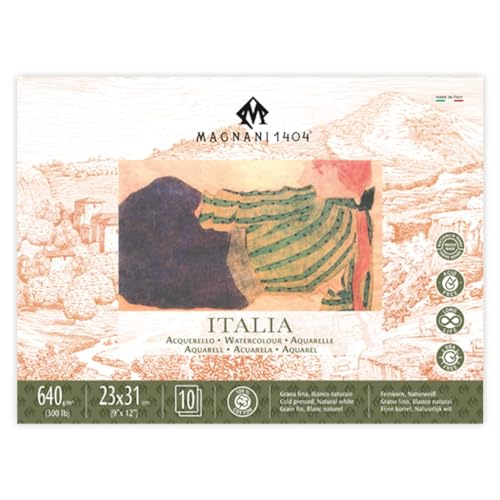
Authentic Italian Craftsmanship: Manufactured in Italy by Magnani, a paper producer with over 600 years of experience, these water color paper pad, blocks and sheets are a testament to time-tested quality and expertise

Authentic Italian Craftsmanship: Manufactured in Italy by Magnani, a paper producer with over 600 years of experience, these water color paper pad, blocks and sheets are a testament to time-tested quality and expertise
Frequently Asked Questions
How Does Paper Sizing Influence Ink Drying Time?
Inking influences drying dynamics; paper’s texture and ink absorption impact drying speed. When we choose sizing types, we can enhance or hinder how quickly ink dries, shaping our artistic results and overall printing experience.
Can Sizing Be Applied After the Paper Is Made?
Yes, sizing can be applied post production, enhancing durability and improving printability. With this method, we can achieve better ink adhesion and overall performance, making our finished papers suitable for various printing demands and techniques.
What Are the Environmental Impacts of Different Sizing Methods?
Different sizing methods can noticeably affect environmental sustainability. We should consider sizing materials carefully and explore eco-friendly alternatives to minimize our ecological footprint while ensuring high-quality paper production that’s responsible and sustainable.
How Do Different Paper Weights Affect Sizing Effectiveness?
Different paper weights definitely influence sizing effectiveness. We’ve noticed lightweight papers often absorb more, while heavyweight papers provide better surface resistance. The thickness variations play an essential role in determining how each paper interacts with sizing agents.
Are There Industry Standards for Sizing Paper Types?
Sure, we’d love to explore the glamorous world of paper! Industry sizing guidelines do exist, outlining paper weight standards and sizing measurement methods to guarantee our beloved sheets are properly equipped for various tasks. Isn’t that exciting?


