As an Amazon Associate, we earn from qualifying purchases. Some links on this site are affiliate links at no extra cost to you. Our recommendations are based on thorough research and editorial judgment.

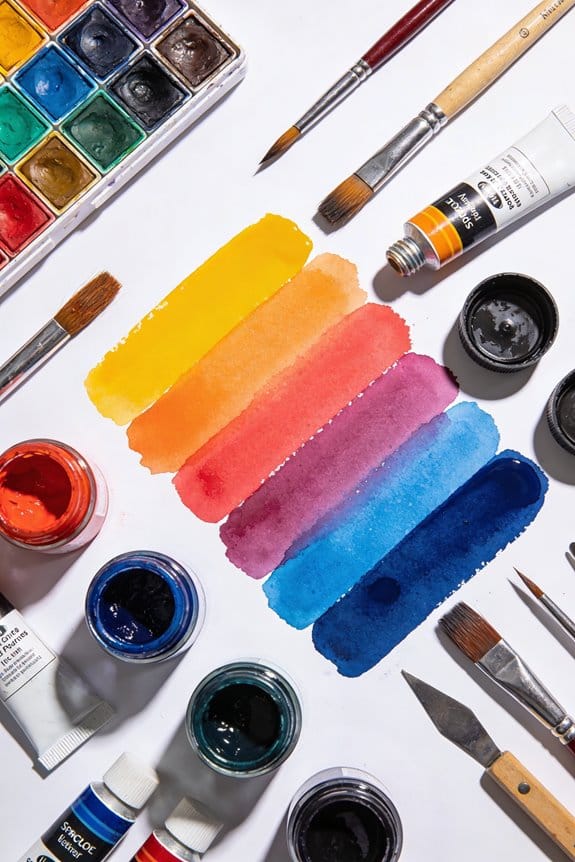
The Difference Between Pigment and Dye in Fine Art Materials

In fine art materials, pigments and dyes differ greatly. Dyes are water-soluble colorants that bond directly with fabrics, creating translucent effects but may fade quicker. Pigments are solid particles that create opaque colors and usually resist fading better due to their larger size. For example, pigment-based inks provide crisp details, while dye-based inks dry faster but can bleed. Understanding these differences helps us choose the right colorant for our projects, enhancing our artistic outcomes. There’s more to explore on this topic.
Key Takeaways
- Dyes are water-soluble colorants that bond chemically with surfaces, while pigments are solid particles that sit on the surface, creating opacity.
- Dyes typically exhibit brighter colors but fade faster, whereas pigments are more durable and resist fading from UV light.
- Dye particles are smaller, resulting in vibrant, translucent colors, while pigments have larger particles requiring binders for opacity.
- Dyes are ideal for techniques like tie-dye but can bleed, while pigments are preferred for solid colors without bleeding, suitable for various art applications.
- Inks made from dyes dry faster but may bleed, whereas pigment-based inks provide crisp impressions and are favored for detailed work.
Definitions of Dyes and Pigments: What Sets Them Apart?
You may be interested

When diving into the world of art, I often hear people mix up dyes and pigments. But knowing the difference can really shape your creative choices. Dyes are water-soluble colorants that bond chemically with surfaces, giving a nice translucent effect. This allows them to blend beautifully with various materials. On the flip side, pigments are solid particles that sit on top of surfaces, leading to a more opaque color. It’s pretty fascinating how their structure influences how light interacts with them.
Here’s a quick rundown of their key characteristics:
- Dyes: Generally brighter colors, but more likely to fade over time.
- Pigments: Offer enhanced durability and resist fading from UV light, making them perfect for long-lasting pieces.
So, why does this matter? If you’re aiming for a bold, vibrant look, dyes might be your go-to. But if you’re more concerned about the longevity of your artwork, you’ll want to lean towards pigments. Truth is, understanding these differences can really help you pick the right medium for your projects.
In the end, it all comes down to what you want to achieve with your art. What’s your priority—vivid colors or durability? Additionally, choosing paints with high-quality single pigment tones can improve the visual quality and mixing results in your artwork.
Bonding Properties: How Dyes and Pigments Interact With Materials
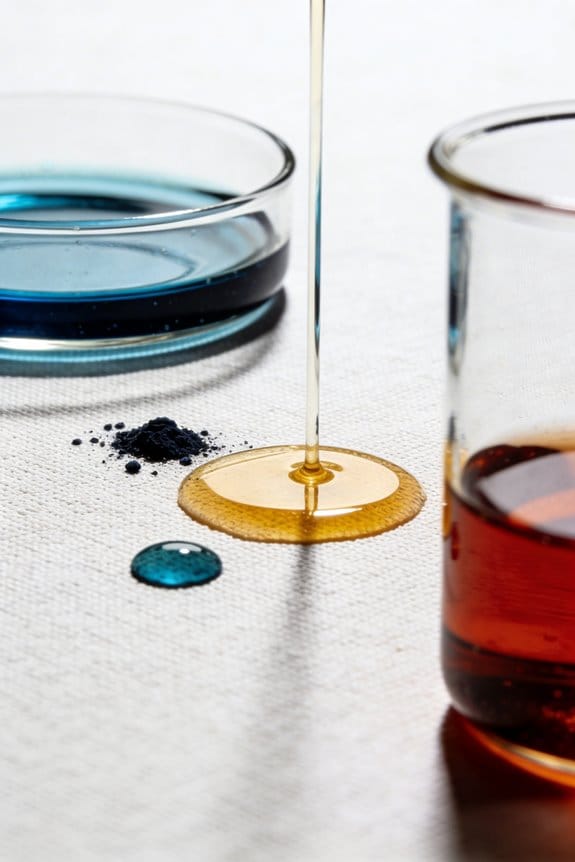
Ever wondered why some colors seem to fade on fabric while others stay vibrant? Understanding how dyes and pigments bond with materials can really make a difference in your artwork.
Dyes work on a molecular level, actually integrating into the material’s structure. This can make colors look super vibrant, but it also means they’re more likely to fade over time. On the flip side, pigments sit on the surface and need binders (like glue) to help them stick. This difference is crucial because it affects the way colors appear and how they hold up in the long run.
Try this: when working with dyes, consider using mordants. They can strengthen the bond and improve how well the colors stick, which means they won’t fade as quickly. While pigments often hold up better overall, the opacity can change based on what template or carrier you use.
So, why does this really matter? Knowing how dyes and pigments interact helps you decide which materials to use for your projects. It can lead to better results and make your art truly last.
In short, keep these bonding properties in mind when you create. Using a blending solution can also enhance how colors blend and stay vibrant in mixed media artworks. What’s the best color choice you’ve made in your artwork?
Exploring Particle Size: How It Influences Color and Application

Have you ever wondered why some colors pop on your canvas while others seem dull? The size of dye and pigment particles can really make a difference in your artwork’s vibrancy and application.
Dyes are tiny, often compared to a pinhead, while pigments are more like footballs in size. This difference matters! Dyes dissolve in water, allowing them to mix with materials on a molecular level. That’s why they can create these bright, intense colors that seem to bond directly to the surface you’re working on. On the flip side, pigments are larger and don’t dissolve. They need a binder to help keep them mixed in paints, which means they provide an opaque effect but can fade when exposed to light over time.
Here’s the trick: if you’re looking to add depth and richness to your work, consider experimenting with dyes. Their translucency allows for layering and mixing, resulting in a beautiful complexity that you just can’t get with pigments alone. Plus, the way dyes interact with different materials might surprise you; it can lead to some stunning effects.
So, why does this matter? Understanding the differences between these materials can significantly impact your creative projects. Whether it’s achieving that perfect hue or ensuring your colors maintain their vibrance over time, knowing what each type of colorant can do will help you make informed choices in your art. It’s also useful to note that many alcohol ink sets utilize dyes because of their vibrant, fade-resistant properties, ideal for layering in resin and mixed media art.
In short, think about particle size the next time you’re ready to create. Which materials will you choose to bring your vision to life?
Recommended Products

Features: Double-ended permanent markers, range of 300 vibrant colors, sets of 24, 48, 72, and 150 colors, flexible brush tip and chisel tip in one, 1-6mm line width range, reversible brush tip, non-toxic, alcohol dye-based ink, long-lasting durability, anti-roll, easy to hold design, and color-coded, snap-on caps

Brother SP-1 Dye-Sublimation Printer with Prosub 7-in-1 Turquoise Tumbler, Cup, Mug Heat Press with 7 Attachments, full set of CMYK inks, 160 sheets sublimation paper, 71 sublimation blanks, heat resistant tape and more
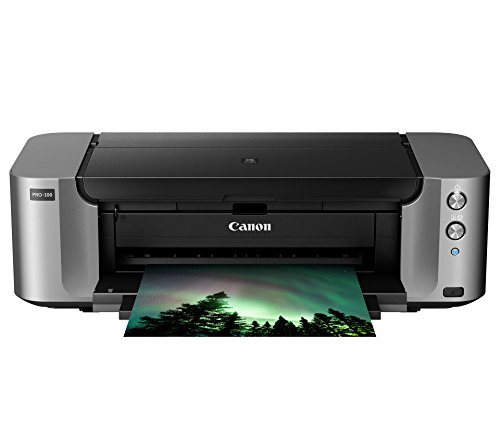
8 Dye based inks for amazing gradients and color, 3 of which are dedicated grayscale inks for beautiful black & white prints
What’s the Deal With Lightfastness: Do Dyes or Pigments Last Longer?
Ever spent hours creating a stunning piece of art only to watch the colors fade over time? It’s a frustrating reality for many of us. When it comes to color longevity, there’s a big difference between dyes and pigments. You’ll find that pigments usually stand the test of time much better than dyes do.
So, what’s the deal with this lightfastness thing? Simply put, the molecular structure of pigments reacts less with UV light, which helps them maintain their vibrancy. You can actually measure how well a material resists fading using the Blue Wool Scale, which ranks from 1 to 8. Most dyes tend to score lower, meaning they’re more prone to fading, especially if exposed to direct sunlight.
You might love the bright colors dyes offer, but keep in mind they fade quickly. Truth is, while some pigments can also fade, they generally hold onto their color much longer. If you’re serious about preserving your artwork, sticking with pigments is the way to go.
In short, if you care about how your art will look in the years to come, consider choosing pigments over dyes. Are your colors ready to stand the test of time? It’s worth thinking about as you create! Using high-quality acrylic paints with long-lasting color retention can further enhance your artwork’s durability.
Recommended Products

🎨 THE BRAND: Schmincke has been producing the best, finest artists' colors Made in Germany since 1881 and they are available in over 60 countries. The range includes watercolors, acrylics, oil colors, pastels, gouache colors, airbrush colors and much more.

The New Karin DecoBrush Pigment markers feature a brush-like nib that requires zero pumping for paint flow

Water-based paint that behaves exactly like conventional acrylic paints
How Do Dyes and Pigments Compare in Color Vibrancy and Opacity?
When you’re diving into the world of art supplies, you might find yourself wondering about the differences between dyes and pigments. Why does it matter? Well, understanding their unique qualities can make a big difference in your creative projects.
Dyes are all about vibrancy. They dissolve in solvents, which gives them those luscious, translucent colors you see in fabric dyeing. This can create stunning, smooth gradients that really pop. Since the particles in dyes are smaller, they produce a wider and more vivid color range—perfect for those who want bright, eye-catching results. However, keep in mind that while dye-based products may dry quickly, they often don’t hold up as well over time.
On the flip side, pigments are solid particles that hang out in a medium, giving you opaque layers of color that really stand the test of time. This opacity is a big deal for artists using pigment-based paints because it means your colors won’t bleed into each other, giving you strong, defined markings in your artwork. Pigments tend to resist fading, so they’re a solid choice if you’re looking for longevity in your pieces.
Artists often use slow dry mediums to manipulate pigment-based paints, allowing for extended blending and detailed work.
Recommended Products

Manufacturing process of the Sennelier cylindrical pastel does not compress the paste, and the pastel dries naturally in open air

【SAVE YOUR MONEY!!! Durable Booth, Reduce Replacement】①High strength 210D Oxford material+PU coatings used in the manufacturing of this booth make its more sturdy.②Come with well-crafted design allows for easier access for vehicle and painter.③the installation of heavy-duty double zippers make it can stand more pressure.④The paint booth includes hooks for hanging lamps or lightings to guarantee your visibility at night.⑤The top & bottom D-shaped rings make easy for you to fasten the booth.

🎨 THE BRAND: Schmincke has been producing the best, finest artists' colors Made in Germany since 1881 and they are available in over 60 countries. The range includes watercolors, acrylics, oil colors, pastels, gouache colors, airbrush colors and much more.
Common Uses of Dyes and Pigments in Art and Crafting
Have you ever wondered how to choose between dyes and pigments for your next art project? These two can really shape your work, each serving a distinct purpose that brings your creations to life. Dyes are fantastic for coloring fabrics, giving you those bold and lively backgrounds you’re after. They blend easily, making them perfect for techniques like tie-dye where translucency and flow are key. On the flip side, pigments shine in mediums like watercolors and acrylics, offering opacity that ensures your artwork stands the test of time.
When it comes to stamping, you’ll want to think about the type of ink you’re using. Pigment-based inks are your best bet for achieving crisp, clear impressions without any mess or bleeding. This is especially important for those detailed designs that demand precision. Dye-based inks dry a bit faster but can bleed into one another, which some people actually love for mixed media effects.
If you’re working with polymer clay, remember that pigments can help you achieve solid colors while dyes bring those eye-popping shades. So, why does this matter? Well, understanding how each of these colorants works will empower you to make better choices for your projects.
In short, whether you’re dyeing fabric or painting with acrylics, recognize the unique attributes of dyes and pigments. Knowing when to use each tool can make a big difference in the outcome. For fine detail and smooth blends, using materials on hot press watercolor paper can enhance your artistic control.
What’s your favorite way to add color to your projects?
Recommended Products
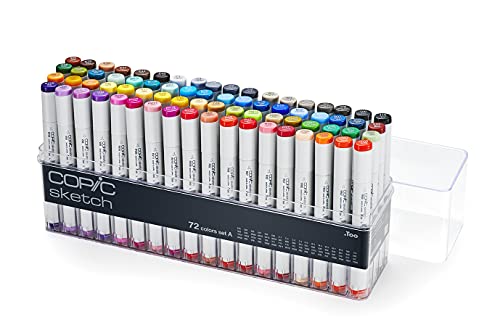
This 72A color set includes a broad range of bright colors, cool and warm grays, as well as 100 & 110 black. All of these colors blend well together. This is a great way to get started with Copic.

Water-based pens ideal for coloring, fine art, illustrations, doodling, journaling, hand lettering and more!

THICK, WHITE CARDSTOCK PAPER – Accent Opaque heavy cardstock paper offers a high bright-white shade and smooth finish It’s premium cardstock paper with excellent printability, proper ink holdout & minimal show-through for vibrant prints
Choosing Dyes or Pigments for Your Projects: Practical Considerations
Choosing the right colorant for your projects can feel a bit overwhelming, can’t it? But it doesn’t have to be! When you’re weighing your options between dyes and pigments, think about how important vibrancy and durability are for your work. Dyes tend to give off these beautiful, saturated colors and bond chemically with materials, which means they come across as a bit more translucent. But here’s the catch—they often need mordants for specific fabrics, which complicates things a bit.
On the flip side, pigments are where you’ll find better lightfastness. If you want your art to stand the test of time, pigments are your best friend. They give an opaque finish and need a binder to hold everything together. This can make a big difference depending on your project. For example, if you’re using alcohol markers, you’ll notice they typically use dyes because they dry quickly, while traditional paints usually lean toward pigments for that lasting color. Additionally, when working with textiles, using a fabric medium can enhance the adhesion and flexibility of pigment-based acrylic paints on fabric surfaces.
Recommended Products

Developed following the latest developments in modern chemistry

Superior Print Quality: Enhanced with a high-resolution, waterproof coating, our canvas rolls ensure your prints stand out with brilliant clarity and vivid colors. The matte surface is perfect for various artistic and professional applications.Designed to support wide format inkjet printers, Available in widths of 24, 36, 44, and 60 inches with lengths of 60 feet, 20 yards, and 33.3 yards to suit diverse printing requirements.
Our Professional canvas rolled surface ensures years of longevity without yellowing or fading. Highest resolution Waterproof canvas coating for outstanding reproductions. Brighter and more vivid Colors. Matte surface for easy spraying
Real-World Applications of Dyes and Pigments in Art Projects
When it comes to color choices for art projects, you may find yourself wondering which type of colorant to use. If you love vibrant colors and smooth gradients, dye-based inks might be your go-to, especially if you’re playing with watercolor techniques. These inks really shine when you’re blending in mixed media projects.
On the other hand, if you’re aiming for something that lasts, pigmented paints like acrylics or oils will be your best friends. These paints are known for their lightfastness, which means your artwork will keep its original hue over time. That’s something to consider, right?
In textile art, you’ll notice that dyes provide rich, translucent colors while pigments give you the opacity you want in paintings. If you’re into stamping, you’ll want to grab some pigment-based inks since they’re great for opacity and don’t bleed as easily as their dye-based counterparts. Dye inks dry quickly but can sometimes let you down with that bleeding issue.
Choosing high-quality pigment paints, such as those with lightfastness ratings, ensures the durability and vibrancy of your finished artwork.
Frequently Asked Questions
What Is the Difference Between Pigment and Dye?
When we compare dye and pigment, we see that pigments generally offer better color stability and lightfastness. Dyes tend to fade faster, affecting application techniques and usage durations, due to their differing chemical structures.
Is Watercolor Pigment or Dye?
Watercolors are primarily pigment-based, offering excellent color fastness and enhancing our techniques. Their properties allow for vibrant medium interaction and various application methods, making them a favorite choice among artists looking for depth and permanence.
What Are Examples of Dyes and Pigments?
We’ve got a delightful array of artist materials! From vibrant synthetic dyes like Acid Dyes to exquisite natural pigments such as Cadmium Red, each offers unique colorfast properties and varying lightfast ratings for our creative pursuits.
Which Is More Expensive, Dye Ink or Pigment Ink?
In our price comparison, pigment ink’s usually more expensive due to its longevity factors and specialized ink formulations. While dye inks offer color vibrancy, pigment inks excel in usage scenarios requiring durability and permanence.


