As an Amazon Associate, we earn from qualifying purchases. Some links on this site are affiliate links at no extra cost to you. Our recommendations are based on thorough research and editorial judgment.


The History of Ultramarine Blue: From Lapis Lazuli to Synthetic

Ultramarine blue started as a pigment from lapis lazuli, a rare stone mined in Afghanistan. It was treasured by Renaissance artists for its vivid color and use in religious art. The scarcity made it a status symbol, often featured in significant works like Vermeer’s *Girl with a Pearl Earring*. In 1826, synthetic ultramarine was created, offering the same vibrant color at a lower cost. This shift revolutionized art. If you want to uncover more about its applications today, keep going!
Key Takeaways
- Ultramarine Blue originates from lapis lazuli, historically valued for its use in important religious artworks, particularly those depicting the Virgin Mary.
- During the Renaissance, ultramarine symbolized luxury and status, often included as a high-cost item on artists’ invoices.
- Synthetic ultramarine was created in 1826 by Jean-Baptiste Guimet, providing an affordable alternative to the expensive natural pigment.
- The synthetic variant maintains vibrant color and excellent mixing properties, allowing broader artistic expression than natural ultramarine.
- Today, synthetic ultramarine is widely used in textiles, cosmetics, and everyday products, enhancing both their beauty and functionality.
The Origins of Ultramarine Blue: From Lapis Lazuli to the Renaissance
You may be interested



Ever wonder how some colors have such a rich story behind them? Ultramarine Blue is one of those colors, and its journey starts with lapis lazuli, a striking blue stone. Back during the Renaissance, lapis lazuli was mainly sourced from mines in Afghanistan. Artists had this intricate way of turning it into pigment, involving quite a bit of grinding and purification.
Natural ultramarine wasn’t just pretty; it was also incredibly pricey. Believe it or not, it could cost as much as gold by weight! Because of its value, this color became the choice for important religious art, particularly in paintings of the Virgin Mary. Just look at the Wilton Diptych or Masaccio’s work; those pieces really showcase how vital this hue was in expressing meaning and reverence.
So, why does this matter? When artists chose ultramarine, they weren’t just picking a color—they were adding layers of emotion and significance to their pieces. If you’re into art and history, knowing the story behind a color can really deepen your appreciation for it. Next time you see that bold blue, think about the centuries of history that went into making it so beloved.
In essence, the tale of Ultramarine Blue is a reminder of how color can connect us to the past and influence how we feel. Modern artists often use high-pigmentation paints to achieve similarly vibrant results with greater ease and safety. What’s your favorite color’s story?
Why Ultramarine Blue Was a Status Symbol in Art

Have you ever wondered why certain colors are seen as symbols of luxury and status? Ultramarine blue is one of those colors, and it has a fascinating history that really sets it apart. This vibrant pigment, made from the beautiful lapis lazuli stone, was once even more precious than gold! During the Renaissance, artists used it to capture sacred images, representing purity and humility in their work.
So, what makes lapis lazuli so special? For starters, it was rare and tough to get your hands on. Because of its scarcity, using this color in paintings became a way for art patrons to show off their wealth. In fact, artists often listed ultramarine as a separate line item on invoices, a clear nod to its high status in the art world.
Then, things changed. The introduction of synthetic ultramarine in the 19th century made this brilliant color more accessible to artists everywhere. While it used to be a luxury item, today you can find it in a lot of art supplies. And that shift has really changed how we view this remarkable hue—it’s now a staple for many artists, rather than just a marker of wealth.
Think about how this shift affects your own perspective on art. Does knowing the history behind a color change how you appreciate it? Next time you see ultramarine blue in a painting, remember the journey it took from a treasured gem to a common choice among creators. Many artists now rely on mixing mediums to enhance their use of pigments like ultramarine blue in various art forms.
Creating Synthetic Ultramarine in the 19th Century

Have you ever wondered how artists managed to get such vibrant blues in their paintings before synthetic pigments came along? The creation of synthetic ultramarine in the 19th century really changed the game for artists everywhere. Developed by French chemist Jean-Baptiste Guimet in 1826, this dazzling blue wasn’t just eye-catching; it was a lot cheaper than natural ultramarine that came from precious lapis lazuli.
Here’s the trick: Guimet heated kaolinite, sodium carbonate, and sulfur in a kiln to create a synthetic version that was not only chemically identical but also brighter. By the mid-1800s, it was showing up in artists’ palettes all over, making this stunning color accessible to more people. Honestly, it’s hard to overstate how important that was. Natural ultramarine was growing scarce and could even be priced higher than gold at times!
So, why does this matter? The rise of synthetic ultramarine marked a significant shift in art and culture. As more artists could afford to use this brilliant blue in their work, it transformed artistic expression in ways that felt new and exciting. More people could create vibrant pieces without breaking the bank. Moreover, innovations like professional gloss pouring mediums enhanced the application and appearance of pigments, further enriching artists’ creative possibilities.
Recommended Products

Crafted from the highest quality materials

QUALITY AND DURABLE FINISH: Not only will this additive create a unique look, but our Epoxy Resin is chemical, impact, AND abrasion resistant while having an excellent adhesion that leaves a smooth and cleanable floor for a heavy-duty protection
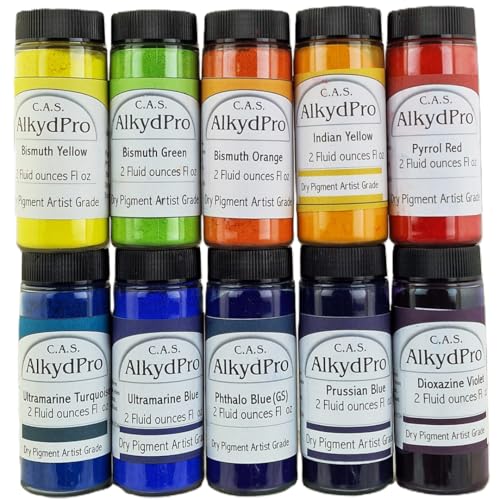
Bismuth family — three unique pigments no other set offers: Bismuth Yellow PY184 delivers cadmium-level opacity and tinting strength without toxicity, UV sensitivity or moisture problems — the professional cadmium replacement. Bismuth Green and Bismuth Orange are unique PY184 preparations producing vivid opaque lime-green and warm orange that cannot be replicated by mixing. All three are non-toxic and compatible with oil, alkyd, acrylic and watercolour
Natural vs. Synthetic Ultramarine: Key Differences
Ever wondered why some artists swear by natural ultramarine while others are all about that synthetic life? The differences between these two can really shape your creative choices and understanding.
Natural ultramarine is quite a gem—literally. It’s made from lapis lazuli, a stone that undergoes a grueling process of grinding and extracting to become the vibrant pigment we know. This laborious method isn’t just for show; it’s what made natural ultramarine more precious than gold in the past. On the flip side, synthetic ultramarine, developed in 1826, comes from a mix of kaolinite, sodium carbonate, and sulfur. It’s easier and cheaper to produce, which is why it’s become a go-to for many artists today.
Now, if you’re worried about color consistency, there’s a noticeable difference here too. Natural ultramarine can have minor hue variations, which might add a unique touch to your artwork, but synthetic ultramarine has a uniform particle size. That translates to a consistent hue every time you use it.
Another perk of synthetic ultramarine is its chemical stability. It holds up better over time, making it perfect not just for painting, but for other industrial purposes like construction. So, why does this matter? Understanding these traits can guide you in choosing the right pigment for your specific needs.
To sum it up, knowing the key differences between natural and synthetic ultramarine can really improve your art game. Many artists also opt for high-coverage pigment materials like Molotow paint markers to achieve vibrant and lasting color effects. Which type are you leaning towards for your next project?
Recommended Products

Native Italian Earths Set
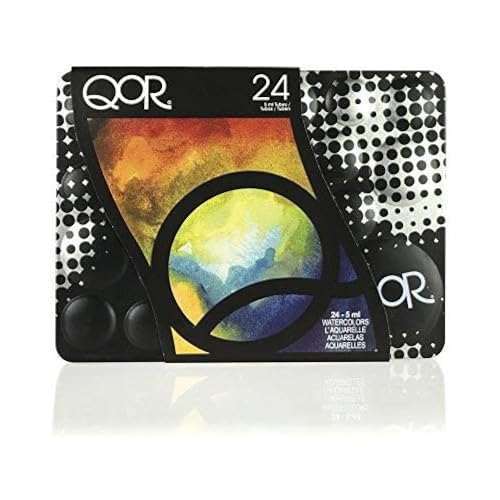
Our most expansive watercolor set alows artists to experience a wide range of deep, rich, beautiful QoR color
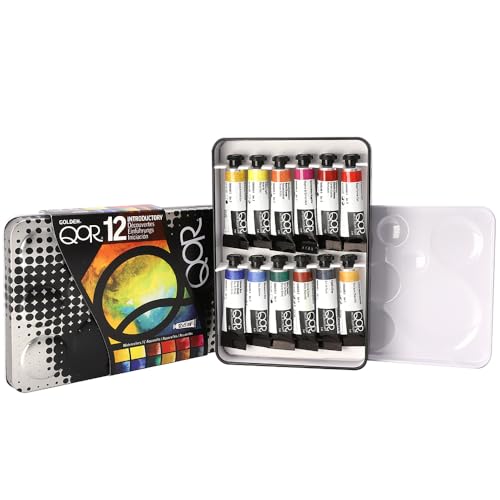
A balanced selection that allows artists to mix an extensive range with a limited palette
Mixing Tips for Using Ultramarine in Your Art
Have you ever felt stuck trying to mix the perfect shade of blue in your artwork? Mixing Ultramarine can really shake things up! Its high tinting strength means you only need a tiny bit to get those vibrant hues you’re aiming for.
To create some beautiful neutral tints, try mixing Ultramarine with Burnt Sienna or Burnt Umber. These combos keep that intense blue while giving you balanced shades you can use in various pieces. And if you blend Ultramarine with bluey-reds, you can whip up stunning violets that really add to your palette.
What’s even cooler is that French Ultramarine comes in both green-shade and red-shade varieties. This gives you the power to choose the undertone that fits your project best. For lighter, luminous shades, add a touch of white lead. You’ll see it brightens things up without dulling the color’s brilliance.
For artists looking to capture fine details when working with Ultramarine, fine tip pens can help achieve precision in your illustrations.
Recommended Products

🎨 THE BRAND: Schmincke has been producing the best, finest artists' colors Made in Germany since 1881 and they are available in over 60 countries. The range includes watercolors, acrylics, oil colors, pastels, gouache colors, airbrush colors and much more.

🎨 THE BRAND: Schmincke has been producing the best, finest artists' colors Made in Germany since 1881 and they are available in over 60 countries. The range includes watercolors, acrylics, oil colors, pastels, gouache colors, airbrush colors and much more.

VIBRANT COLOUR – With a round 4mm soft core, the pencils smoothly glide over a variety of drawing surfaces. Produce vibrant colours with the quick and easy application. Includes range of 72 colours.
Artistic Techniques Using Ultramarine Throughout History
Have you ever wondered why some paintings just pop with color? One secret ingredient that’s been vital for centuries is Ultramarine. This stunning blue hue has a fascinating history that can really inspire your own creative work today.
Back in the Renaissance, artists like Cennino Cennini were using clever techniques to make the most of this expensive pigment. He suggested layering Ultramarine with white lead, which not only saved money but also enhanced the richness of the color. This luxurious shade was often reserved for important religious figures, especially the Virgin Mary, whose blue robes signified purity. Think about that the next time you’re picking colors for a piece—how can you use color to convey deeper meanings?
Jump ahead to the 17th century, and you’ll find Johannes Vermeer using Ultramarine with incredible skill in *Girl with a Pearl Earring*. The vividness of the hue really catches your eye, right? This tells us something crucial: color can evoke emotion and draw viewers in.
And then came 1826, when Jean-Baptiste Guimet created synthetic Ultramarine. This was a big deal! Suddenly, artists could access this striking color without breaking the bank. It’s got fantastic mixing properties too, perfect for creating vibrant violets and earth tones. You might want to try incorporating it into your own palette for that added depth and richness.
Using high-quality pigments like synthetic Ultramarine can ensure vibrancy and durability in your artwork, much like professional-grade paints highlighted in quality of pigments.
So, why does this matter? Understanding how artists have used Ultramarine can give you insights into your own work. It’s not just about the color; it’s about the story and feelings it can evoke.
In short, Ultramarine has shaped art for centuries in ways that are still relevant today. How will you let this vibrant hue inspire you in your next project?
Modern Applications of Ultramarine: Beyond Art and Into Everyday Life
Have you ever noticed how some colors just grab your attention? Ultramarine isn’t just for artists anymore; it’s become an essential part of our daily lives in ways you might not expect.
Synthetic Ultramarine, which popped up in 1826, is both budget-friendly and super useful. Here’s the scoop: it’s widely used in industries like textiles and printing because it really helps colors pop. You might find it in the laundry room, brightening up those whites thanks to its striking blue shade. It’s also non-toxic, so it’s a safe pick for your beauty routine. You’ll often find it in makeup, providing that vibrant punch without the worry of harmful chemicals.
But that’s not all—think about the paper you use. Ultramarine can turn ordinary writing paper into something special with its pale blue tint. This touch not only makes your stationery look good but also guarantees quality and brightness.
Frankly, it’s amazing how Ultramarine weaves through so many parts of our lives! So next time you see that vivid blue in your laundry detergent or favorite lipstick, you can appreciate how it enhances both function and beauty daily.
What surprises you most about colors you encounter every day?
Recommended Products

Advanced Laundry Upgrade: Upgrade your laundry experience and get laundry perfection every time you reach for the detergent

Luxurious Softness: Upgrade your laundry experience and get laundry perfection every time you reach for the detergent; Whitens and brightens, great for sports enthusiasts, gym goers, and more

Achieve professional laundry results with this bulk 5.5kg washing powder detergent designed for intense cleaning performance that removes deep-set stains and restores brilliant whiteness to clothes in every wash
Frequently Asked Questions
Is Ultramarine Blue Still Made From Lapis Lazuli?
Yes, we still see ultramarine blue made from lapis lazuli, a natural pigment with historical significance. Its vibrant color symbolizes depth in ancient art, influencing modern applications and paint formulations despite economic impacts from synthetic alternatives.
When Was Synthetic Ultramarine Invented?
In 1826, synthetic ultramarine emerged from the fiery embrace of chemical composition, revolutionizing artistic usage. These vibrant pigments, with their rich historical context and cultural significance, reshaped artistic expression and industrial applications forever.
Is Ultramarine Color Natural or Synthetic?
Ultramarine can be both natural and synthetic. Its pigment properties and production methods vary, impacting color mixing and artistic applications. Historically prized for its cultural associations, synthetic versions are often more affordable, influencing market value today.
Is Ultramarine Blue a Synthetic Dye?
We’ve found that ultramarine blue, while historically significant, is primarily a synthetic dye today. Its vibrant color properties enhance artistic applications, and its production methods guarantee pigment stability, health safety, and lower costs—meeting market demand effectively.


