As an Amazon Associate, we earn from qualifying purchases. Some links on this site are affiliate links at no extra cost to you. Our recommendations are based on thorough research and editorial judgment.


The Role of Fillers and Extenders in Cheaper Paints

Fillers and extenders make cheaper paints effective and affordable. Fillers, like calcium carbonate, reduce production costs while enhancing texture and hiding power. However, using too much can weaken the paint. Extenders, which are inert materials, can improve application and hiding without changing color. Yet, overusing them might lead to brittleness. Striking the right balance between fillers, extenders, and binders guarantees better durability and performance. We’ll explore more tips on choosing the right materials for your projects.
Key Takeaways
- Fillers like calcium carbonate reduce costs by replacing expensive pigments while enhancing hiding power and texture in cheaper paint formulations.
- Extenders are inert materials that help lower production costs without affecting paint color, improving application and texture.
- A balanced concentration of fillers and extenders is essential to maintain durability and prevent issues like brittleness and poor adhesion.
- Higher PVC values improve hiding power in paints, but excessive levels can compromise washability and surface adherence.
- Understanding the properties of fillers and extenders can lead to better quality outcomes in cost-effective paint options.
How Fillers Impact Your Paint Choices
You may be interested



When picking paint for your projects, you might not think about fillers, but they play a big role in what you choose. Fillers like calcium carbonate are added to reduce costs; they take the place of more expensive pigments and binders. While this can help your paint go further, it’s a double-edged sword.
Overloading on extenders can improve hiding power, but it can also mess with quality. For instance, they boost the Pigment Volume Concentration, which can affect how well the paint holds up against washing and everyday wear. The goal is to find the right balance; too many fillers can make your paint brittle instead of strong.
So, why does this matter? It all comes down to how these ingredients influence adhesion and the finished look of your paint job. You’ve got to consider both the cost and performance when making your choices.
Here’s a practical tip: look for paints that strike a good balance of fillers and pigments. Check the product details to see how the paint performs in terms of washability and durability. This way, you’re not just saving money, but also ensuring that you’re getting a quality product that will look great and last.
Additionally, understanding that high-quality acrylic paints typically offer long-lasting color retention can help guide your selection towards better performing paints.
At the end of the day, understanding fillers can help you make smarter decisions for your projects. Are you ready to dive into your next painting adventure with this info in mind?
Recommended Products


Chrome vinyl car wrap is the fast, cost-effective way to improve your car's appearance without the expense of a new paint job.

Chrome vinyl wrap is the fast, cost-effective way to improve the appearance of any smooth surface or object without the expense of a new paint job.
Primary Functions of Extenders in Paint Formulation
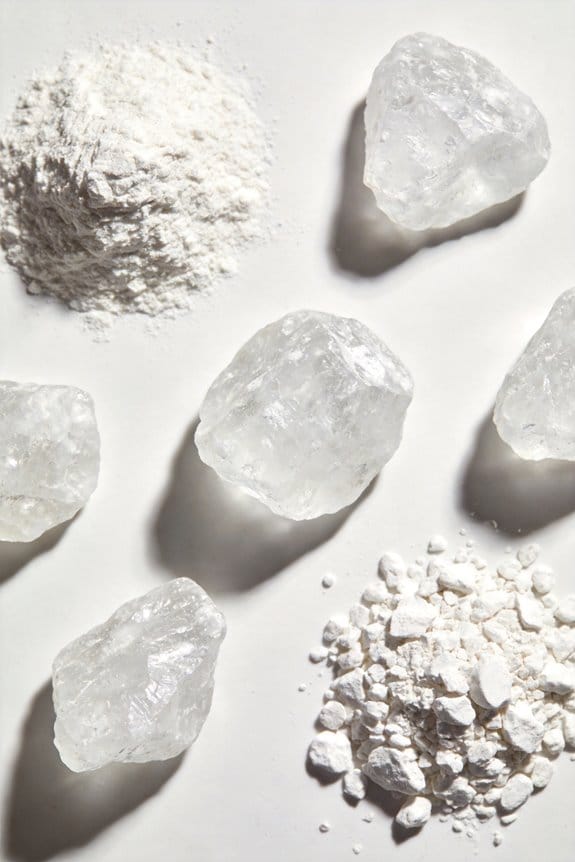
Ever wondered why your paint isn’t living up to your expectations? Well, that could be down to the extenders in your paint formulation. They might not sound glamorous, but they actually play a vital role. By using extenders, you can cut costs without sacrificing quality. Instead of relying solely on pricey pigments and binders, extenders help stretch your budget.
Let’s break it down. These inert materials work wonders for paint texture, making sure it applies smoothly and doesn’t crack. They boost the volume of solid particles in the paint, which improves physical properties like hiding power and coverage without changing the color. Ever noticed how some paints cover better than others? That’s often thanks to the right extender.
The trick is to find the sweet spot. Too much extender can hurt the durability and adhesion of the paint. You don’t want to skimp on quality; you need a balance that delivers effective and affordable results for your painting projects. So, how do you know if you’re getting it right? Pay attention to the feel of the paint and the way it goes on.
Many extenders also influence the viscosity and flow consistency of paint, which is essential for smooth application and preventing cracking.
How Do Fillers Influence Paint Quality and Pricing?
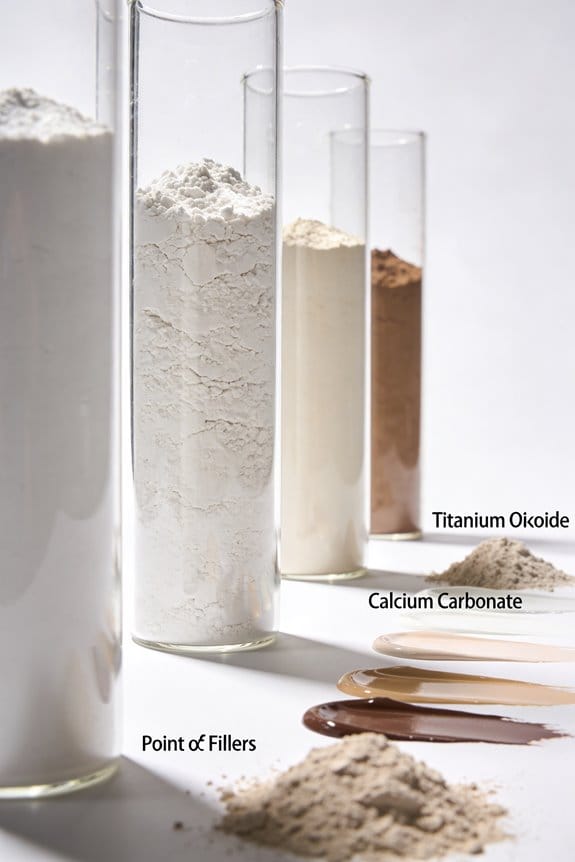
Fillers can play a crucial role in paint formulations, but they often fly under the radar. Have you ever wondered why some paints are cheaper than others? A big reason is the fillers used in them. These materials, like aluminum silicate and calcium carbonate, help lower production costs by replacing pricier pigments and binders. The upside? They can enhance the paint’s hiding power, so it covers surfaces better. This means you might snag a decent paint without breaking the bank.
But here’s the catch: you need to be careful with how much filler is added. If there’s too much, it can lead to brittleness and a lack of flexibility in the paint, which could hurt its durability down the line. Sure, these budget options might look alright for simple projects, but they usually won’t have the same vibrant finish as higher-end paints. So, what’s the right balance? It’s all about using just enough filler to keep costs down while still delivering satisfactory results.
The best part is that when you find that sweet spot, you can achieve good quality without overspending. So, next time you’re shopping for paint, remember to consider the filler content. It might just make a difference in your final project. What are your thoughts on balancing cost and quality when it comes to paint? Additionally, premium options like Molotow markers use high-covering pigment to ensure vibrant colors and excellent opacity, avoiding issues common in cheaper paints.
Recommended Products

Designed to go over popcorn ceilings and most other surfaces without the need for expensive tools.

Designed to go over popcorn ceilings and most other surfaces without the need for expensive tools.

Powerful Room-Filling Sound - Experience 150 watts of clean, distortion-free audio that fills any room—perfect for your bookshelf, studio, home theater, office, or living room.
Fillers’ Effects on Texture and Application
Have you ever noticed how the texture of paint can make or break a project? The right combination of fillers can really influence the feel and application of budget-friendly paints. Fillers like calcium carbonate and talc work wonders to create a smoother finish. When you use just the right amount of well-sized filler particles, they can enhance leveling and sag resistance. This means the paint applies evenly and looks great.
Now, here’s the trick: balance is key. If you toss in too much filler, it can lead to a more porous paint structure, which might not last as long as you’d hope. This can lead to problems like irregular textures and even pesky pinholes if the fillers aren’t mixed well. So, why does this matter? Choosing the right formula is crucial for achieving that polished look and making sure your paint job performs the way you want it to.
Frankly, using the right fillers can make a big difference in your painting projects. Keep experimenting, and you’ll find that sweet spot where the paint not only looks good but goes on like a dream. Proper medium compatibility also helps maintain the quality and durability of the paint. What’s your go-to tip for choosing paint fillers?
Recommended Products

Earthborn Elements Calcium Carbonate powder in a resealable bucket

Foundation for Wellness: Calcium supplements are an important mineral that contributes to daily routines centered on well-being. Presented as Calcium Carbonate powder, it can be an integral part of a balanced lifestyle. This nutrient is often associated with supporting personal health goals and fostering a sense of vitality.

Solidifies paint for proper disposal
Are Paints With Fillers Washable?
How can you tell if paints with fillers are washable? You’ll want to pay attention to the quality and amount of binder in the paint. A good binder helps create a tight, non-porous film, making the paint easier to clean. But watch out! If there are too many fillers, that film can become porous, which could mean more damage during cleaning.
Here’s the trick: scrub resistance, or how well the paint holds up against scrubbing, also depends on the mix of fillers and extenders. Sometimes, the right amount of fillers can even improve that resistance. So, it’s all about finding the right balance.
Before you dive into painting, check the formulation closely. This way, you can ensure that your paint not only looks great but can also handle regular cleaning routines. It’s a good idea to read labels or ask questions at the store.
Truth is, knowing how to choose washable paints can save you a lot of headaches down the road. Have you considered what kind of finish you want for your space? Also, selecting the right brush type, such as synthetic bristles, can improve paint application and overall durability of your painted surface.
Understanding Pigment Volume Concentration (PVC) and Its Effects
Ever looked at paint cans and wondered what’s really going on with that Pigment Volume Concentration, or PVC? Understanding PVC can make a world of difference when picking paint for your next DIY project. Simply put, PVC measures the ratio of solid stuff—like pigments and extenders—in relation to the total paint volume. This matters because it directly affects how well the paint covers whatever you’re painting.
Now, here’s the trick: adding extenders can bump up the PVC, which is great for saving some money while still getting decent coverage. But there’s a balance to strike. Higher PVC usually means better hiding power, which is super helpful when you’re working with less expensive paints and want to stretch your pigments and extenders.
So, why does this matter? If you go too high with the PVC, you might run into trouble with how well the paint washes off or sticks to surfaces. A paint film that’s too porous loses its strength, leading to a weak bond. And no one wants their fresh coat of paint chipping away after a few months.
When it comes to choosing paint, think about balancing PVC to keep things economical without sacrificing quality. You want your paint to perform well, and understanding these little details can make a huge difference in your results.
It’s similar to selecting the right aluminum wire gauge, where the gauge thickness affects strength and performance for different crafting projects.
In short, keep PVC in mind to make the best choice for your painting projects. What are your go-to tips when selecting paint?
Pros and Cons of Extenders in Paint: What to Consider
When you’re picking out paint, have you ever thought about those extenders? You might be wondering if they’re worth it. These additives can help you cut down costs, as they reduce the amount of expensive pigments you need. Plus, when used right, they can give your paint more volume and texture. But it’s crucial to make sure there’s enough binder in the mix to keep your paint durable.
If you go overboard with extenders, you could end up with a film that’s too porous. This can lead to lower washability and make your paint more brittle. So, what’s the takeaway? You need to pay attention to things like particle sizes. For instance, certain extenders like barium sulfate can actually improve properties but may also affect how well the paint sticks. Striking the right balance is key. Too many extenders can lead to a disappointing finish.
Here’s the trick: think about what you want from your paint job. By using extenders thoughtfully, you can create something beautiful without sacrificing quality. After all, it’s about getting the finish you desire without breaking the bank. Additionally, considering the viscosity adjustment of additives can help optimize paint flow and application for better results.
Practical Tips for Choosing the Right Fillers for Your Paint Projects
Ever start a paint project only to realize you’re staring at a wall full of imperfections? Choosing the right fillers can significantly impact both the quality of your work and your budget. If you’re looking to keep costs down, think about fillers like calcium carbonate or barium sulfate. They’re affordable options that can still deliver solid performance.
Now, here’s the trick: look at the oil absorption rate. Fillers with low absorption rates tend to be more durable, which means less cracking over time. You want your paint job to last, right?
Don’t overlook particle size either. Smaller particles can create a smoother finish and enhance gloss, making your work look more polished. Larger particles, on the other hand, can add texture and improve hiding power, which is essential for covering blemishes or previous colors. It’s a balancing act, so be sure to consider what look you’re really going for.
Frankly, understanding these aspects can be the difference between a job that looks professional and one that looks… well, less than stellar. So, the next time you’re in the paint aisle, remember what you’ve learned. Always weigh your options, and don’t hesitate to experiment a bit.
In short, choosing the right fillers can save you money and improve your project’s outcome. What strategies do you use to pick materials for your painting projects?
Recommended Products

Food grade calcium carbonate white powder, Made from naturally mined limestone

For use on all latex/acrylic paints.
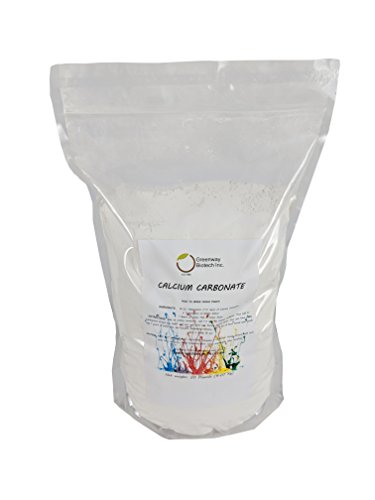
DO IT YOURSELF: The Greenway Biotech paint texture additive is great to make your own chalky paint(DIY). It enhances the workability features of the paint. It also improves the characteristics of the paint and increases the surface area covered by the paint.
Frequently Asked Questions
What Is the Function of Extenders or Fillers in Paint?
Extenders or fillers enhance durability and reduce costs in paint. By improving texture and opacity, they allow us to achieve effective coverage without relying solely on expensive pigments, balancing performance and affordability for our projects.
What Are Extenders and What Role Do They Play in Paint?
Imagine transforming color without breaking the bank. Extenders in paint formulation help us achieve cost reduction while enhancing texture and viscosity, ensuring our walls shine bright without sacrificing quality or performance.
What Is the Function of Filler in Paint?
Filler types enhance our paint applications by reducing costs and improving texture. They increase durability, prevent cracking, and modify properties, ensuring we achieve better performance without sacrificing quality in our painting projects.
What Is the Purpose of Paint Extender?
Paint extenders improve paint durability and enhance cost effectiveness. They fill gaps, create texture, and maintain performance—all while balancing budgets. Together, we can achieve vibrant results without sacrificing quality or stretching our wallets too thin.


