As an Amazon Associate, we earn from qualifying purchases. Some links on this site are affiliate links at no extra cost to you. Our recommendations are based on thorough research and editorial judgment.


What Is Gesso and Why Do You Need to Prime Your Surface?

Gesso is a primer that prepares our painting surface for better paint adhesion. It helps colors look brighter and last longer. When we apply gesso, it creates a textured surface, or ‘tooth,’ which makes it easier for paint to stick. By priming, we reduce paint wastage and improve the durability of our artwork. To achieve the finest results, we can choose from different types of gesso and learn proper application techniques for optimal results.
Key Takeaways
- Gesso is a primer that prepares surfaces for painting, enhancing paint adhesion and application smoothness.
- It creates a textured surface, known as ‘tooth,’ which helps paint stick better.
- Priming with gesso makes colors appear more vibrant and true while sealing surface fibers.
- Proper application of gesso minimizes cracking and warping, extending the artwork’s durability.
- Using gesso also reduces paint wastage, improving the overall efficiency of art supplies.
What Is Gesso and How Does It Work?
You may be interested



Have you ever struggled with paint not sticking properly to your canvas? It can be so frustrating, especially when you’ve poured your heart into your artwork. That’s where gesso comes in. It’s kind of like a secret ingredient that preps your painting surface, whether it’s canvas or wood, for that smooth application of acrylic paint.
When you apply gesso, it creates a textured surface, or ‘tooth’, that helps your paint stick better. This nifty mix of acrylic polymer, chalk, and titanium dioxide also has absorbent properties, making it perfect for ensuring a durable finish. You can find gesso in a variety of colors, like white, black, and even clear. This opens up so many cool possibilities for your artwork!
Here’s the trick: Instead of slapping on one thick layer, try applying two or three thin coats of gesso. This not only boosts the durability of your painting but also helps prevent cracking as it dries. Frankly, it’s a simple step that can make a big difference in the longevity and vibrancy of your colors.
So, why does this matter? Using gesso seals the surface fibers, which helps your pigments stay bold and gorgeous over time. The best part is, it doesn’t take too long to dry, so you can get started on that masterpiece quicker. Many artists prefer a matte finish because it enhances color vibrancy and texture, offering a non-reflective surface ideal for blending.
Recommended Products

🎨 THE BRAND: Schmincke has been producing the best, finest artists' colors Made in Germany since 1881 and they are available in over 60 countries. The range includes watercolors, acrylics, oil colors, pastels, gouache colors, airbrush colors and much more.

Gesso is formulated to be flexible and is highly pigmented to provide an opaque, white surface that is toothy and semi-absorbent. Gesso can be mixed with acrylic colors to produce a range of colored grounds

Bright White Acrylic Gesso Primer: The World's Greatest Acrylic White Gesso Primer is highly pigmented, ensuring a bright, radiant white gesso finish. Excellent as a gesso for oil painting and acrylics.
Why Priming Your Surface With Gesso Is Essential

Have you ever wondered why your paint doesn’t look as vibrant as you hoped? Priming your surface with gesso might just be the step you’ve been missing. When you paint on canvas or wood, gesso isn’t just helpful—it’s essential. It creates a slight texture, known as ‘tooth’, which helps the paint stick better, whether you’re using acrylics or oils.
By sealing the surface, gesso keeps paint from soaking in too much, so your colors stay bright and true. If you want the best results, consider applying three layers of gesso. This simple trick not only boosts the durability of your art but also really helps it last over time. A well-primed surface is less likely to crack or warp while you paint, keeping your work as intact as possible.
Plus, here’s something to think about: using gesso can actually save you money in the long run. It helps reduce paint wastage, which means your supplies last longer without skimping on quality. Using acid-free mats and boards for framing your finished pieces can similarly preserve artwork integrity and extend the life of your creations.
Recommended Products

Beefy 14oz. Primed Weight: With a raw weight of 8 oz., this stretched cotton canvas features a hefty 14oz. primed weight, ensuring excellent barrier protection between paint and canvas; Ideal for small and big canvas works using water mixable oils, alkyds, acrylics, and mixed media
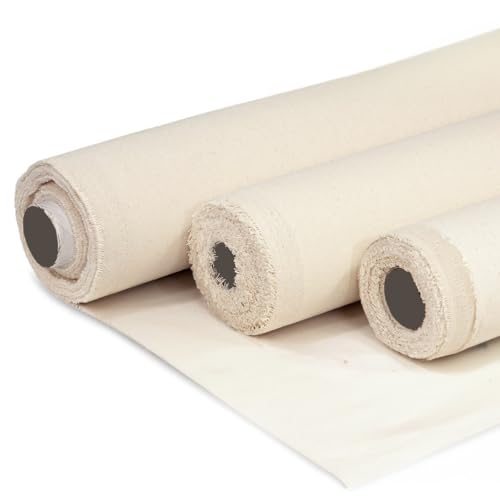
✅ [ 4oz, 7oz, 10oz & 12oz WEIGHT OPTIONS ] - We offer four canvas fabric weight options: 4oz for lightweight applications, 7oz for general-purpose use, 10oz for heavy-duty purposes, and 12oz for maximum durability in demanding tasks.

Features: Back stapled to Allow for keying or re-stretching (keys Included), long linen fibers for long lifespan, non-mechanical surface with a lovely fine texture, larger sizes are braced to provide rigid support, and easy to re-stretch or tighten the canvas
Choosing Your Gesso: Types and Uses

When you’re diving into the world of painting, picking the right gesso can really change your artistic game. There are a few types out there: traditional white gesso, clear gesso, and tinted gesso. If you’re just starting out, white gesso is a solid choice for priming your canvas. But if you want something more versatile, clear gesso gives you a beautiful, translucent base that lets the texture of your surface pop through.
Want the best results? Go for artist-grade gesso. It’s thicker and has more pigment, which means better opacity and durability—perfect if you’re serious about your work. Now, if you’re feeling creative, you can whip up your own tinted gesso. Just mix some acrylic paint into clear or white gesso for a custom color that suits your vibe.
Here’s a tip: you can dilute gesso with a bit of water, but try to keep it below 15%. Going over that can weaken its properties. Also, don’t hesitate to experiment with how you apply it. Brushes work great, but spray methods can give you an entirely different finish. So, what’s your plan?
Additionally, using acrylic-based materials like gesso complements the quality and longevity of your artwork when paired with products that offer UV and weather resistance.
To sum it up, take your time to figure out which gesso works best for your style. The right choice can really enhance your artwork, so consider giving these options a shot! What will you try first?
Recommended Products

100% Natural Cotton Canvas. Made from pure cotton with a natural, unprimed finish, ideal for artists who prefer full control over priming and surface preparation.

CANVAS ROLLS FOR SERIOUS ARTISTS – White, black, or unprimed canvas rolls made from cotton or linen. Extra-wide sizes for murals, portrait work, and professional painting applications.

Extra-Deep Museum Profile: The 2-3/8 inch extra-deep profile creates a bold presentation for high-impact artwork. This professional large canvas surface is suitable for frameless displays and edge-wrapped compositions in modern gallery settings.
How to Apply Gesso for Optimal Results
Ever tried painting on a canvas that felt rough and uneven? It can be frustrating, right? That’s why getting your gesso application right is super important to improve your painting experience.
Start by thinning the first coat of gesso with a splash of water. This little trick helps with a smoother application. Grab a wide, flat brush to spread the gesso evenly across your canvas. You’ll want to do this in thin layers, so take your time. Make sure to let it dry for at least an hour before applying the next coat. Honestly, waiting for it to dry can feel like a drag, but it’s crucial if you want a solid finish.
Here’s another tip: don’t forget to sand gently between layers. This can really help in achieving that silky smooth texture. Aim for two to three coats of gesso, as this gives you better durability in the long run. By the way, always stir that gesso well before using it! You want to make sure it has a uniform consistency.
So, why does this matter? Because prepping your canvas properly can set the stage for a more successful painting journey. Think about it: a well-primed canvas not only makes applying paint easier but can also enhance the final outcome of your artwork. Additionally, using a primer compatible with acrylic paints ensures excellent adhesion and durability on your wood or canvas surface.
Recommended Products
Beefy 14oz. Primed Weight: With a raw weight of 8 oz., this stretched cotton canvas features a hefty 14oz. primed weight, ensuring excellent barrier protection between paint and canvas; Ideal for small and big canvas works using water mixable oils, alkyds, acrylics, and mixed media

Heavy duty solid pine, kiln-dried stretcher bars, rigorously tested to withstand moisture and warping

1-1/2" Gallery Depth Canvas Wood Art Panels: 2 Pack of premium artist quality 48" x 48" x 1-1/2" deep gallery depth cradled wood paint pouring panel boards. Premium sturdy unprimed smooth birch surface panels that are ready for primer or gesso.
FAQs About Gesso?
Have you ever wondered why gesso is such a big deal in the painting world? It’s a primer that sets you up for success by prepping your surfaces. Gesso creates texture or “tooth” that really helps your paint stick and prevents it from soaking into the canvas. If you really want to get the most out of your project, aim for at least two to three coats of gesso.
There are different types of gesso out there—like white or black—so you can choose based on the vibe of your artwork. The best part is, if you’re working with acrylics, opt for artist-grade gesso that has a higher pigment concentration. This choice can make your colors pop and your painting last longer. Even if you start with pre-primed canvases, adding an extra layer of gesso can improve adhesion, especially when working with oil paints.
Truth is, gesso typically dries to the touch in about one to two hours, which is super handy when you’re in the zone. So, why does this matter? Taking the time to prepare your surfaces properly can really elevate your artwork and make your painting process smoother. Give it a shot and see the difference for yourself! Using acrylic gel mediums can also enhance texture and adherence when priming surfaces for painting.
Frequently Asked Questions
What Happens if I Don’t Use Gesso?
“A stitch in time saves nine.” If we don’t use gesso, our paint won’t adhere well; canvas preparation is compromised, leading to dull colors and poor layering effects. This impacts paint longevity and overall mixed media results.
Do I Have to Prime With Gesso?
We don’t have to prime with gesso, but it’s a smart choice for art supply essentials. Understanding paint adhesion and using DIY gesso recipes can elevate our multimedia projects through enhanced surface texture effects and acrylic paint techniques.
What Is the Point of Using Gesso?
Using gesso boosts our artwork by providing textures that enhance adhesion, allowing for better color vibrancy. With various types and application techniques, we enjoy flexibility and durability in our creative process through multiple drying layers.
Are Mod Podge and Gesso the Same Thing?
Mod Podge and gesso aren’t the same. While Mod Podge is great for finishing mixed media projects, gesso offers advantages in surface preparation, enhances acrylic paint adhesion, and develops texture—making our art supplies comparison essential for creative techniques.


